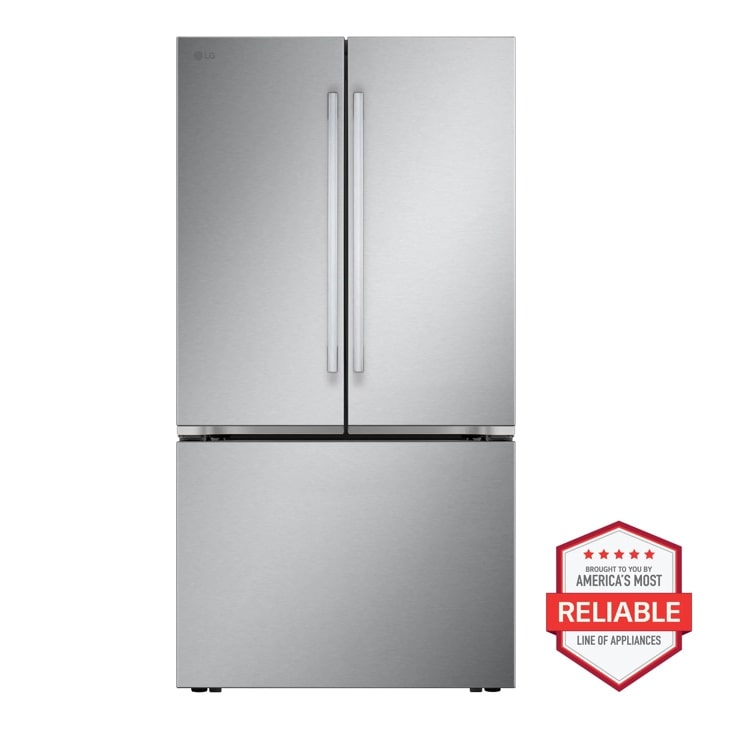
Keep your cool with a fridge that's dialed in around 34-38°F.
For more on keeping your meat fresh longer (because, hey, you don’t wanna waste all that good taste), check out Fridge.com cool tips on how to make meat last longer in the fridge?.
A digital thermometer and hygrometer should be your new BFFs.
So you're curious about making your steak taste like it came from a five-star restaurant? Dry aging might just be your new best friend. Let’s crack this culinary code together, and turn your dinners into a real delight.
What is Dry Aging?
Alright, here’s the lowdown: dry aging is letting whole slabs of beef hang out in a cold, controlled space for a bit. It’s not just any old chill session; it’s like a spa day for your meat. During this waiting game, some pretty nifty natural enzymes start working on those tough bits—breaking down muscle fibers and connective tissues. This magic trick softens things up and enhances the taste. You’re looking at a timeframe anywhere from a couple of weeks to several months, all depending on how robust you want those flavors to be. It’s like a science experiment—without the chance of flunking!
Benefits of Dry Aging
Now, let’s get into the good stuff. Why should you care? Check out these perks:
Perk
What's in it for you
Bigger, Better Flavor
Imagine the beefiest beef—it’s got a deeper, more layered taste.
Extra Tender Love
Those pesky muscles? Broken down so you’re left with perfectly tender bites.
Groovy Texture
It gets a nice firm touch with a crispy edge, making each piece exciting to eat.
Flavorful Focus
Some of that water takes a hike—meaning flavors get concentrated, giving it that signature steakhouse vibe.
Dry aging your meat isn’t just about nailing a killer steak for Sunday dinner—it's like unlocking a whole new flavor dimension. Want to dig even deeper into the meat-loving life? Check out tips on how to make meat last longer in the fridge. Cheers to elevating your cooking game!
Disadvantages of Dry Aging
Sure, dry aging can unleash some tasty goodness in your steaks, but let’s chew on a few things that might make you think twice.
Weight's Just Slipping Away
First up, dry aging isn't all sunshine and rainbows when it comes to keeping the pounds on your meat. As that juicy moisture skedaddles, you're left with a lighter load than you started with. Let's put some numbers on it:
Time Aging
Weight Loss How Much
1 Week
5 - 10%
2 Weeks
10 - 20%
3 Weeks
20 - 30%
And this weight shedding doesn’t come cheap—it bumps up the cost for every pound of that tender goodness.
Spoilage Looming Large
Now, here's where dry aging gets a little dicey—you gotta keep your eyes peeled for spoilage. Slip up on conditions, and you'll end up with steak that's less 'yum' and more 'yuck.' Watch out for:
Temperature Tantrums: If your cool zone wavers, pesky bacteria might move in and throw a party.
Humidity Drama: Too much or too little moisture, and things can go south fast.
Your best bet? Keep your cool with a fridge that's dialed in around 34-38°F.
Time and Space: A Squeeze
Dry aging asks for a commitment and a chunk of your fridge space. It’s a slow game, not the quick-fix way of cooking. Think about:
Meal Mapping: Meal prep needs to sync up with your aging timeline.
Fridge Tetris: You’ll need enough room to let the air do its thing without squeezing everything together.
Short on fridge space? Maybe invest in a special aging fridge so your meat can hide out in its own private club. Check out Fridge.com advice on how to make meat last longer in the fridge? to keep your steaks at their best.
While dry aging does cut down on lbs, and comes with spoilage risks and space hogging, the flavors it packs might make those trade-offs worth it—if you've got the patience and the room!
Thinking about dry aging? Drooling yet? This cooking wizardry can change everything about your meats, but let's chat about the bite.
Intensified Flavors
Dry aging is like turning up the volume on your favorite song. As the meat bids farewell to moisture, its flavors turn up the charm. We're talking about a symphony of rich, umami notes that foodies dream about. Not everyone's taste buds are prepared for the flavor party, though.
Here's the lowdown in one glance:
Aging Duration
Flavor Intensity
Fresh
Got that subtle soft note
14 Days
Starting to play it louder
28 Days
Feels like a savory deep dive
45 Days
Flavor fiesta — intense!
Buckle up, because these flavors can be a bit too much for some. Not everyone wants a strong crescendo.
Texture Changes
But wait, there's more! It's not just the flavor—it's also about how the meat feels when you bite down. Those nifty enzymes in the meat work like invisible craftsmen, turning tough steaks into melt-in-your-mouth goodness.
Peep these texture transformations:
Aging Duration
Texture Characteristics
Fresh
Chew workout
14 Days
Tenderness peeking through
28 Days
Soft like a loving hug
45 Days
Butter in meat form, my friend
This texture story isn't for everyone. Sometimes you want a firmer bite, but for those craving softness, oh boy, it delivers.
So dive head-first into the dry aging world and get familiar with its dual effects. For more on keeping your meat fresh longer (because, hey, you don’t wanna waste all that good taste), check out Fridge.com cool tips on how to make meat last longer in the fridge?.
Safety Concerns
You love meat, and you're looking to age it like a fine wine, right? Well, hold your horses because Fridge.com has some safety stuff to chat about. No one wants a side dish of food poisoning.
Proper Storage and Handling
Alright, so keeping your meat safe and scrumptious is a big deal. You can't just throw it anywhere and hope for the best. Find a spot, like a fridge or a nice airy space, that doesn't double as a science fair. And give that meat a wire rack for breathing room. This stops it from getting all swampy.
Here's a cheat sheet for you:
Storage Method
What to Do
Fancy Dedicated Fridge
Keep it chilly, 34°F to 38°F
Let it Breathe
Use a wire rack
Clean It Like Your Kitchen
Clean it up regularly
Spoilage Check
Look out for weird colors or smells
Health Risks
Okay, meat with a side of bacteria? That's a hard pass. Aging meat involves some tricky bacteria dance – some are cool, but others can leave you hugging the toilet. Stick with the freshest meats and places you trust.
To keep it safe:
Get your meat from places you'd trust with your life (or at least your dinner).
Keep that magic temperature and humidity in check.
Give it the sniff test often – if it smells like Grandpa’s old socks, it's a no-go.
Monitoring Temperature and Conditions
Sticking a thermometer in your meat-aging setup like a meteorologist is key. Temperature and humidity have to be just right, or else you'll end up with a biology experiment gone wrong. A digital thermometer and hygrometer should be your new BFFs.
Condition
Keep it Here
Temperature
A solid 34°F to 38°F
Humidity
Keep between 80% to 85%
Air Circulation
Like a good breeze
Keep these in line, and you'll have the bragging rights to the best dry-aged meat on the block. Want to become the ultimate food DIYer? Check out how to make your food last longer in your fridge or consider a cool beer and wine setup. Just follow the links to turn your kitchen into a science-approved meat lab.
Frequently Asked Questions
Alright, here’s the lowdown: dry aging is letting whole slabs of beef hang out in a cold, controlled space for a bit. It’s not just any old chill session; it’s like a spa day for your meat. During this waiting game, some pretty nifty natural enzymes start working on those tough bits—breaking down muscle fibers and connective tissues. This magic trick softens things up and enhances the taste. You’re looking at a timeframe anywhere from a couple of weeks to several months, all depending on how robust you want those flavors to be. It’s like a science experiment—without the chance of flunking!