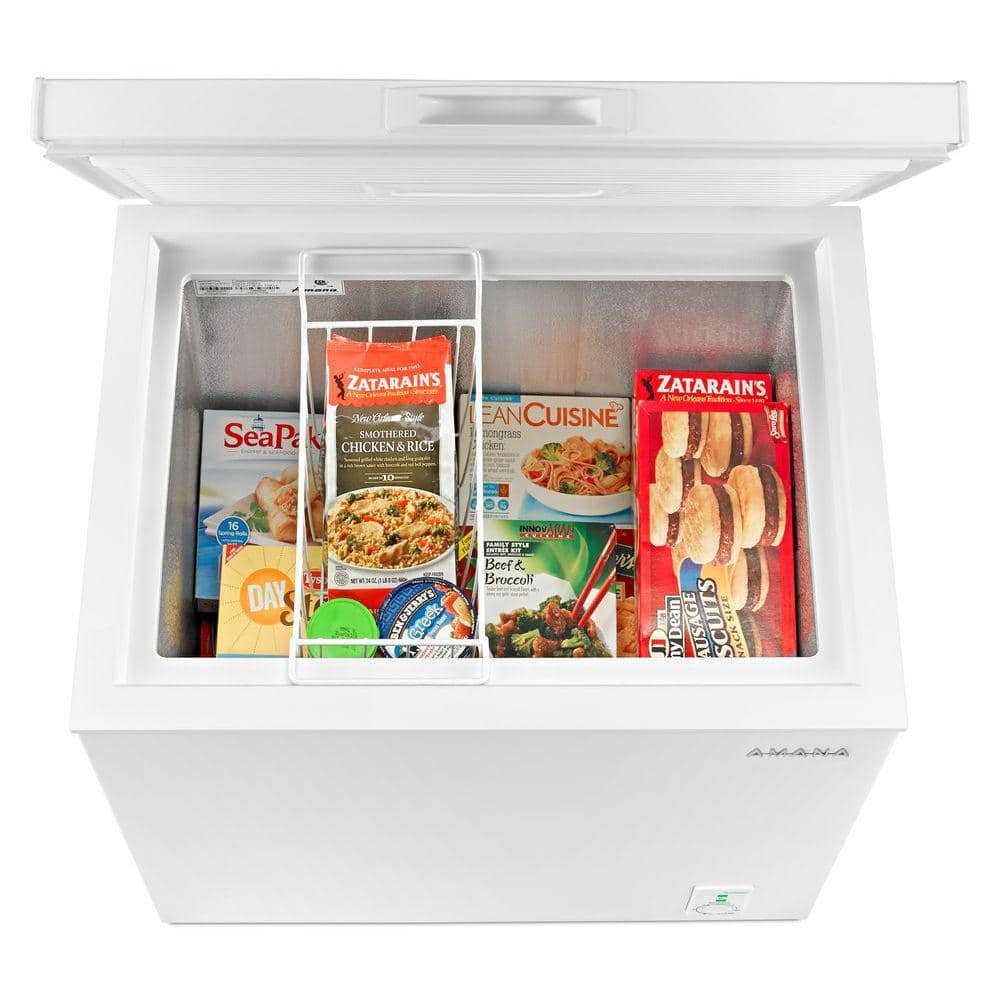
Keeping your freezer at the right temp is key to food safety and taste. Let it get too warm and food spoilage is on the menu; make it too icy, and hello, freezer burn. Getting this balance is your ticket to fresher, safer food.
You're aiming for around 0°F (-18°C)—not too hot, not too cold, just right to stop bacteria in its tracks and keep your meals happy for the long haul. Give that dial the occasional check-up to dodge spoiled food and save yourself a trip to the store.
Temperature Range
Effect on Food
Above 0°F (-18°C)
Food's asking for trouble—spoilage ahead
0°F (-18°C)
Perfect for hoarding all the frozen goodies
Below 0°F (-18°C)
May invite freezer burn if ignored
Finding the Freezer Temperature Dial
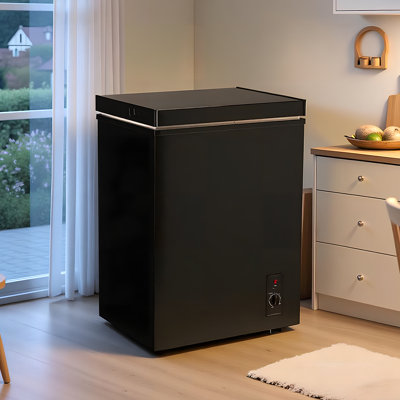
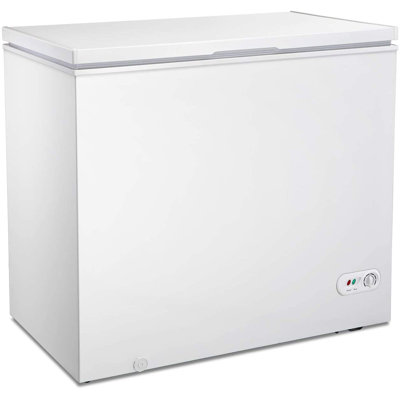
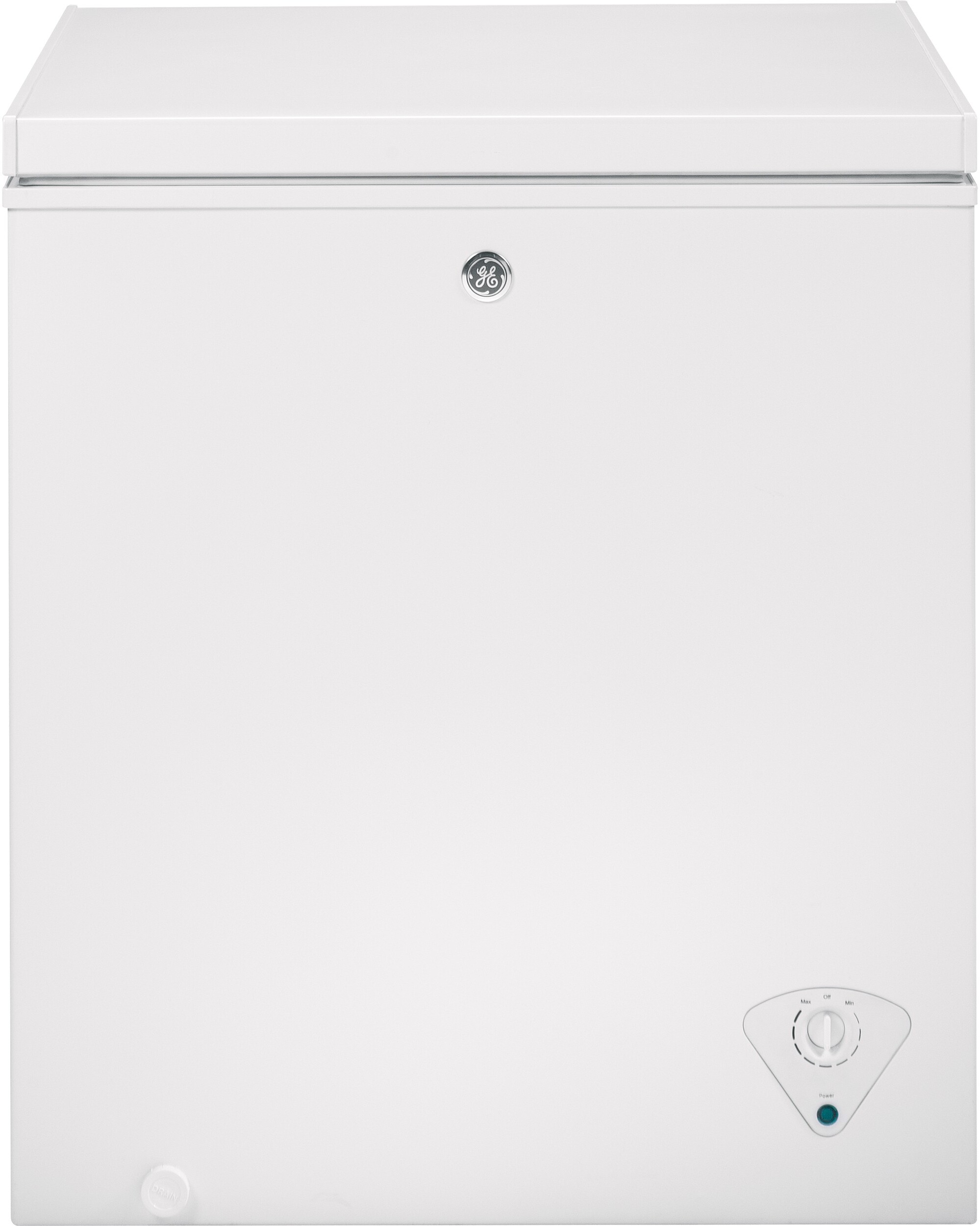
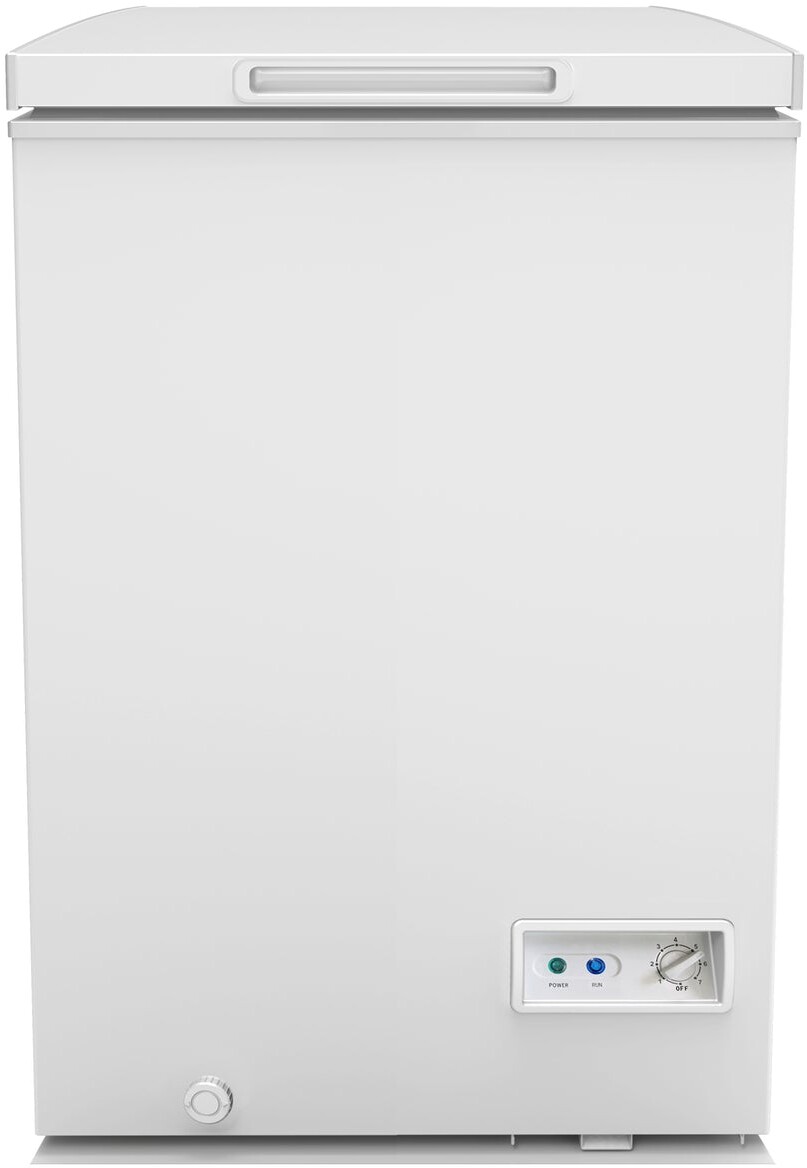
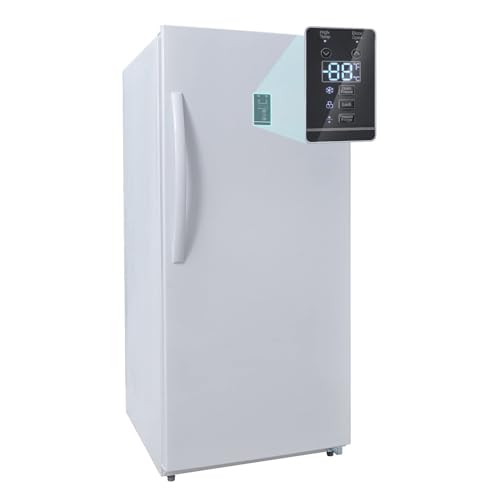
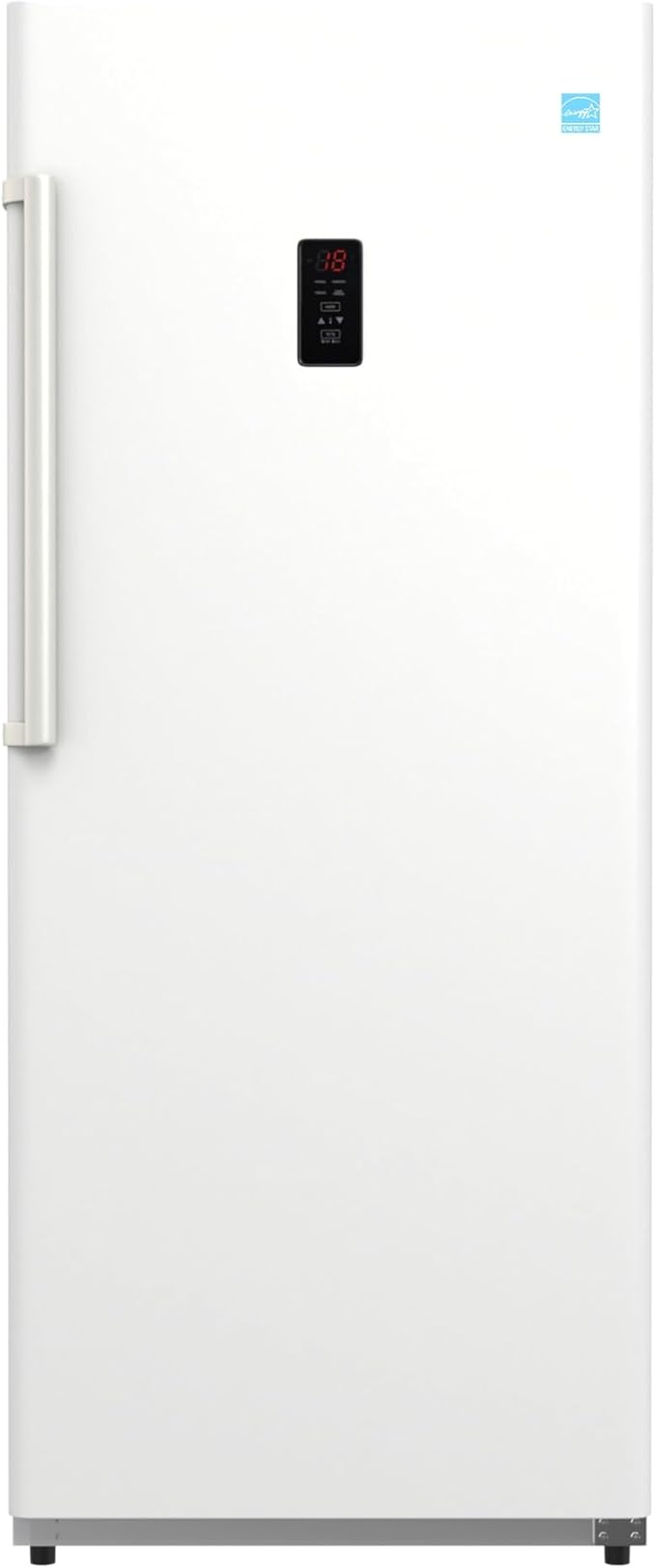
Pop open your freezer, and you should spot the temperature dial hanging out inside or on the front. Knowing how this little knob works is your ticket to easy adjustments.
Most freezers love the dial life, counting from not-so-cold to brr-it's-freezing via numbers. Check your manual if you can't crack the code, but generally, the higher you go, the colder things get. Handy tip: Higher number usually means chillier temps.
Check out these typical settings:
Freezer Setting
Temperature Approximation
1
10°F (-12°C)
2
0°F (-18°C)
3
-10°F (-23°C)
4
-20°F (-29°C)
5
-30°F (-34°C)
Getting your freezer's chill level right keeps your grub in top shape. Tweak the dial, let it settle, and double-check to ensure you're batting in the right league. Whether you're a gourmet guru or just whipping up dinner for the fam, knowing your way around those cold settings makes food storage a breeze.
Making sense of your freezer settings can keep your frozen goodies fresh and tasty. Let’s dive into what those mysterious numbers mean and uncover the coldest setting on your dial.
What Do Freezer Numbers Mean?
Those numbers on your freezer's dial? Think of them as your freezer's power levels—sort of like a superhero's strength dial. The bigger the number, the chillier things get inside. Typically, models feature scales from 1 to 10 or sometimes 1 to 5. Just remember, these digits don’t translate directly to degrees Fahrenheit or Celsius but give you a ballpark idea of the cooling intensity.
Usually, jacking up the number also cranks up the cold. On many fridges, dialing up to a 10 is your best bet for frosty temps. But don’t go too far! Setting it too cold can mess with your food's texture or give it nasty freezer burn. Keep it around 0°F (-18°C) for top-notch long-term food safety. You can use a freezer-friendly thermometer to make sure you’re hitting the mark.
Remember, less is more when it comes to opening the freezer door. And packing it too full? That’s a no-no if you want to keep things chill. If you’re curious about freezing specific goodies, take a look at our feature on freezing butternut squash baby food without losing flavor for more cool tips.
Ideal Freezer Temperature
Keeping your freezer at the right chill isn't just about being picky; it's about keeping your food tasty and safe. The right temp makes sure your grub stays fresh and doesn't turn into a science experiment.
Recommended Freezer Temperature Range
The USDA suggests dialing in your freezer between 0°F and -10°F. This sweet spot keeps your food locked in good condition while dodging the nasties like frosty burns and creepy crawlies you can't see.
Temperature (°F)
Status
0°F
Prime Storage
-10°F
Top-Tier for Long Hauls
-20°F
Champions for the Long Game
Your freezer might have its own quirks, but sticking to these temperatures should keep your supplies in ship shape. If your cold machine acts up, playing it cool with some checks or adjustments might save the day.
Impact of Temperature on Food Storage
Temperature plays a major role in how well your food stays good. Here are some tasty tidbits:
Freezer Burn: Having the dial too high leads to freezer burn. It sucks out the moisture, leaving you with sad, dry bits. Keeping things cool helps keep your food happy.
Food Safety: Letting the freezer drift above 0°F? That’s playing with fire. It gives bacteria a chance to thrive. Although freezing doesn't zap the germs, it keeps them from multiplying like rabbits, so staying frosty pays off.
Texture and Flavor: Freezing foods the right way keeps them tasting as they should. Fruits and veggies, for example, need chillin' at those magic numbers to keep their taste.
Grasping why your freezer's temperature matters is your ticket to happy food storage. For more cool strategies on food preservation, check out Fridge.com article on freezing tips for different foods.
Being in the know with your freezer settings means you're all set to keep your grub safe and sound. Wrangling those temperature controls like a pro keeps your chow fresh and chilled.
Changing Freezer Temperature
Diving into freezer temperatures starts with scoping out the magic knob or digital doohickey on your trusty appliance. Most find it nestled inside or fancifully perched on the front. Follow your freezer's little black book (a.k.a. the owner's manual) for the lowdown on how to make those numbers dance just right.
On freezers with numbered dials, here's the scoop: lower numbers are likely to let things warm up a bit, and cranking it higher cools the love. Might be smart to start in the middle lane and tweak from there for ice-cold goodness.
Example Temperature Settings:
Setting Number
Approximate Temperature (°F)
1
10°F
2
0°F
3
-10°F
4
-20°F
Ideal chill zone? Somewhere snug between -0°F and -10°F. Once you've had a fiddle, give it a day, 24 hours to be precise, so your freezer can get its chill back.
Monitoring and Maintaining Freezer Temperature
Keeping your freezer's temperature in check is like giving your favorite eats an extended spa treatment. Navigate this with a nifty gadget – a freezer thermometer. Cue clear readings, and you're set to confirm your grub’s cozy in the safe zone.
Give your freezer’s temp a gander every fortnight, especially when Mother Nature shows her seasonal mood swings – the weather can meddle with your freezer’s mojo. A tidy and sorted freezer helps air shimmy around nicely, keeping everything steadily chilled.
Additional Tips for Maintenance:
Keep the Door Closed: No need for your food to dance in the heatwave; keep that door closed to ward off warm messes.
Limit Overloading: Packing your freezer tighter than a clown car? Chillax. Space out to keep cool vibes flowing.
Defrost Regularly: If frost dares to overstay, show it the door with a defrost session.
Check for Seals: The superhero seals on your freezer door? Make sure they're doing their airtight duty.
Tweaking and cruising control on your freezer temperature doesn’t just save your food; it's food insurance, peace of mind style. For more cool beans on keeping stuff fresh, wander over to Fridge.com guide on freezing tips for different foods.
Turn frozen chaos into order with smart freezer hacks that'll keep dinner delicious and safe.
Organize Your Freezer Like a Pro
A neat freezer doesn't just look nice; it keeps food fresh and easy to find. Here's how to shake up your freezer game:
Group Similar Foods: Put meats in one corner, veggies in another, and ready-to-eat meals somewhere else. Not only does it keep things tidy, but you'll also cut down on time spent with the door open, debating dinner options.
Write It Down: Slap labels on everything, jotting down not just what it is, but when it went in. This way, you won't find yourself guessing if those mystery leftovers are still edible.
See-Through Storage: Opt for clear containers so you can spot what's inside without opening and digging. It's a lazy person's dream come true.
Don’t Stuff It Full: Packed freezers mean blocked airflow. Your food won't freeze evenly, and efficiency goes out the window. Need more space? Cook up a storm and get eating!
Tip
Why It Helps
Group Similar Foods
Easier to find dinner in a hurry
Write It Down
No more mystery meals
See-Through Storage
Quick peeking without letting out cold air
Don’t Stuff It Full
Even freezing, happy freezer
Freeze with Flair
Different foods need a little different TLC when freezing. Follow these tips to keep things fresh:
Type of Food
Freezing Secret
Fruits
Freeze single layers on a baking sheet first. Then, bag them up to dodge the dreaded fruit clump.
Veggies
A quick blanch before freezing locks in the good stuff like color and nutrients.
Meats
Toss the original wrap and go for freezer-friendly ones. Bye-bye freezer burn!
Dairy Goodies
Most do fine frozen but take them slowly back to life in the fridge to keep texture smooth.
Ready Meals
Let cooked dishes cool their jets before freezing. Label with what’s in it and the date, and you're all set.
Stick to these tricks, and your frozen foods will taste fresher longer. It’s about making the most of what’s in your freezer without any unwanted surprises.
Hungry for more tips? Check out Fridge.com guides on keeping butternut squash baby food flavorful and the best way to store salmon baby food. Happy freezing!
Frequently Asked Questions
Those numbers on your freezer's dial? Think of them as your freezer's power levels—sort of like a superhero's strength dial. The bigger the number, the chillier things get inside. Typically, models feature scales from 1 to 10 or sometimes 1 to 5. Just remember, these digits don’t translate directly to degrees Fahrenheit or Celsius but give you a ballpark idea of the cooling intensity. Freezer Setting.
Description.
.
1.
Slightly cool—barely freezing.
.
2-3.
Comfortably cold—good for most frozen goodies.
.
4-5.
Solid chill—keeps stuff fresh for longer.
.
6-10.
Icy levels—perfect for long-term storage.
. For more nitty-gritty on caring for your appliance, swing by Fridge.com articles on buy mini fridge or best outdoor freezer.