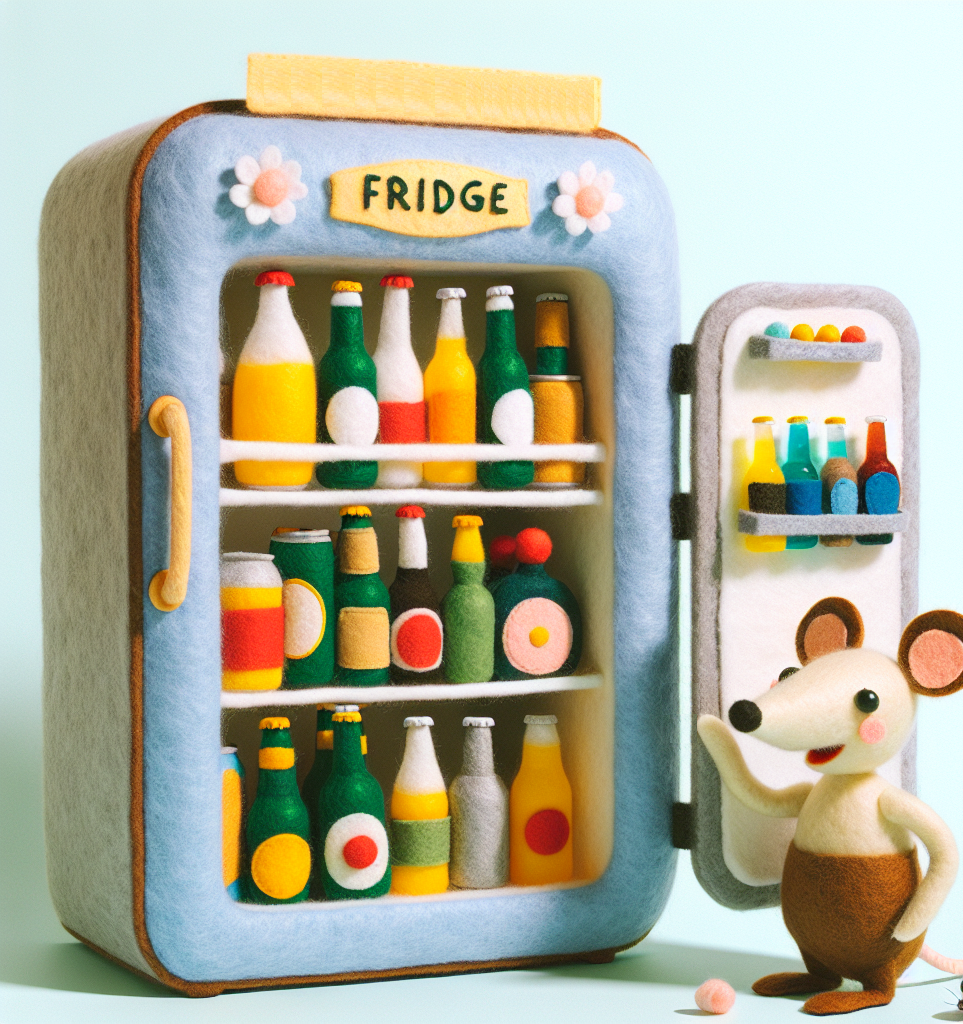
Let's Explore: The Sections of a Fridge
Introduction to Fridge Sections
I gotta say, there's something oddly satisfying about poking around the fridge and figuring out what each section does. It's like a mini food adventure every time I open those doors. Each part is strategically crafted to keep my grub fresh and in order. Knowing what each cool compartment is for can really change how I squad up my fridge. From main hangouts to sneaky drawers, each zone is a champ at maximizing food coolness.
Importance of Knowing Fridge Sections
Getting a grip on the different parts of my fridge isn't just for kicks – it's all about keeping that food game strong. It lets me sort all my goodies just right and makes sure things stay fresh till I'm ready to toss 'em on my plate. Take those crisper drawers, for example: Fruits and veggies love it there, and it means they won’t start their own science experiment anytime soon. Plus, knowing my sections helps me whip up meals faster and avoid buying doubles at the store, trimming down both food waste and my grocery bill.
Here's the lowdown on the main zones most fridges sport:
| Section | Purpose |
|---|---|
| Refrigerator Compartment | Holds all your everyday eats |
| Freezer Compartment | Keeps stuff solid, maybe forever |
| Crisper Drawers | Perfect hideout for fruits and greens |
| Door Shelves | Ideal for all the condiments and sippables |
| Dairy Compartment | Where cheese thrives and milk chills |
| Deli Drawer | Prime real estate for meats and cheeses |
Knowing these fridge spots means I can organize like a pro, use space wisely, and actually enjoy cooking. If you wanna nerd out about specific fridges, like what is a two door refrigerator called? or the bells and whistles of other types, I’ve got the scoop on that too!
The Main Sections
Getting to know my fridge inside and out makes a world of difference in keeping my groceries chill, fresh, and easy to find. The fridge is basically divided into two big essentials: the fridge bit and the freezer.
Refrigerator Compartment
This is the section where the magic happens to keep everyday eats just right. The fridge zone keeps things cozy between 32°F to 40°F (0°C to 4°C), the sweet spot for food freshness.
Here’s my go-to list of what I usually stow away in the fridge:
| Item Type | Chill Zone Temp |
|---|---|
| Dairy Products | 34°F to 38°F |
| Fresh Veggies | 32°F to 36°F |
| Cooked Meals | 35°F to 40°F |
| Drinks | 34°F to 40°F |
| Eggs | 33°F to 37°F |
I learned the hard way that eggs should cozy up at the back—where it’s the coldest—so they last longer, like a perfect little food insurance policy.
Freezer Compartment
For those who love to buy in bulk or master the art of leftovers, the freezer part is your best ally. It keeps everything on ice, literally, at 0°F (-18°C) or lower. Perfect for long-haul storage and kicking freezer burn to the curb.
Here's what usually finds a frosty home in my freezer:
| Item Type | Keep-it-fresh Time |
|---|---|
| Meats (poultry, beef, etc.) | 6 to 12 months |
| Veggies (blanched) | 8 to 12 months |
| Frozen Dinners | 3 to 6 months |
| Ice Cream | 2 to 4 months |
| Bread | 3 to 6 months |
Buying in bulk is my way to save a buck or two, but labeling and dating are my trusty pals for keeping this section organized. No more mystery meals!
Knowing how these sections work helps me make the most out of my fridge, ensuring every bite is just right. Want to get geeky about fridge types? Take a peek at our article on what is a two door refrigerator called?.
Additional Sections
Crisper Drawers
Ah, crisper drawers, my trusty sidekicks in the ongoing battle against wilty veggies and sad fruits. These underrated compartments work their magic by maintaining the perfect humidity for your produce pals. I’m often fiddling with those humidity settings to keep everything in tip-top shape. Fruits tend to thrive in a drier setup, while veggies appreciate the extra dampness.
Here's a cheat sheet of how I tweak my humidity settings:
| Food Item | Humidity Setting |
|---|---|
| Apples | Low |
| Carrots | High |
| Lettuce | High |
| Bananas | Low |
Keeping odors at bay is another bonus, so I stay on top of cleaning and organizing these drawers to ward off spoilage gremlins.
Door Shelves
Then there are the door shelves—my fridge’s version of a lazy Susan. Perfect for stashing those grab-and-go items like condiments, juices, and small beverages. Having a peek at my stash is super easy, keeping me from accidentally buying that third bottle of mustard.
The door shelves play around with temperatures, so here’s my shortlist for where I stick my goods:
| Item | Recommended Location |
|---|---|
| Mustard | Top Shelf |
| Ketchup | Top Shelf |
| Milk | Middle Shelf |
| Eggs | Bottom Shelf |
Understanding how each spot in my fridge works helps me get the most out of it. For a treasure trove of fridge hack goodness, you might want to swing by our article on organization tips for small refrigerators.
Specialty Sections
In my fridge, I've got a couple of nifty spots that act like food bodyguards, keeping certain eats fresh and easy to find. We're talking about the dairy compartment and the deli drawer. Trust me, knowing how to work these areas can save your bacon—not to mention your milk and cheese—from going bad and make your fridge-life way smoother.
Dairy Compartment
This magical section typically hangs out on the top shelf or in the door. It's the VIP lounge for milk, cheese, yogurt, and butter. To keep these dairy delights in tip-top shape, aim for a temperature sweet spot of 34°F to 38°F. You’ll find everything from milk to butter chillin’ comfortably here:
| Item | Recommended Storage Temperature |
|---|---|
| Milk | 34°F to 38°F (1°C to 3°C) |
| Cheese | 34°F to 38°F (1°C to 3°C) |
| Butter | 34°F to 38°F (1°C to 3°C) |
| Yogurt | 34°F to 38°F (1°C to 3°C) |
By grouping dairy goodies together, it's as if you're throwing them a little fridge party; this makes grabbing them a breeze and keeping track of expiry dates less of a chore. And if you're curious about the dairy do’s and don’ts, check out our piece on how long can milk be out of fridge?.
Deli Drawer
This drawer is like an underground bunker for cold cuts, deli meats, and cheeses, often tucked at the bottom of the fridge. It plays it cool with a temperature just a smidge cooler than the rest of the fridge—perfect for keeping these items fresh as a daisy. It's recommended to keep it chill at 34°F to 38°F:
| Item | Recommended Storage Temperature |
|---|---|
| Deli Meats | 34°F to 38°F (1°C to 3°C) |
| Cheeses | 34°F to 38°F (1°C to 3°C) |
| Prepared Salads | 34°F to 38°F (1°C to 3°C) |
This drawer has superpowers—it can keep meats and cheeses fresher longer and prevent your veggie leftovers from catching any unfriendly vibes. Plus, if you're looking for more tidy fridge techniques, you might dig our article on how long is salmon good for in the fridge?.
Figuring out these cool compartments means my dairy and meats are fresh and easy to grab. It’s like turning my fridge into a stress-free zone, where space is maximized, and waste is a thing of the past.
Understanding Temperature Zones
Keeping my food fresher for longer ain't just luck; it comes down to knowing the sweet spots in my fridge. Just like the unpredictable weather, each section of the fridge plays it cool differently, and that can make all the difference to how long my groceries hang in there.
Ideal Temperatures for Different Sections
Check out this handy-dandy table that spills the beans on where my fridge's hotspots and chill zones are, temperature-wise:
| Part of the Fridge | Perfect Temp (°F) | Perfect Temp (°C) |
|---|---|---|
| Refrigerator Compartment | 34 - 40 | 1 - 4 |
| Freezer Compartment | 0 or below | -18 or below |
| Crisper Drawers | 33 - 36 | 1 - 2 |
| Dairy Compartment | 36 - 39 | 2 - 4 |
| Deli Drawer | 34 - 38 | 1 - 3 |
By sticking to these numbers, I give my food a fighting chance against the ticking spoilage clock.
How Temperature Zones Impact Freshness
Every fridge section wears its own hat when it comes to keeping my vittles in top shape. The main fridge part is a safe bet for most eats, while the freezer steps it up for anything that needs to stay frozen solid. Crisper drawers are like the luxury spas for my fruits and veggies, giving them just the right amount of humidity love.
Get it wrong, and I’m looking at a culinary catastrophe. Put fruits in the wrong place, and I'll be dealing with bananas aging quicker than I can say "smoothie." And let’s not even get started on what happens to my milk if it ends up in no-man's land temperature-wise.
Being fridge-savvy lets me park my grub in the right spots, making sure everything from lettuce to cheese keeps its mojo. For more cool hacks on utilizing every inch of my fridge space, I can swing by the small fridge organization guide.
Organizing Your Fridge
A well-organized fridge is like your own personal treasure map for mealtime. Every time I peek inside and find exactly what I need without a scavenger hunt, I know I did something right. Here's how I keep my fridge a bit more on the zen side of things.
Tips for Efficient Fridge Organization
-
Bunch Together Buddies: I park my dairy, meats, and greens in their own designated hangouts. This way, when I'm whipping up a meal, I know exactly where to dig in.
-
See-Through Containers: Storing those pesky small items in clear bins is a game-changer. I peek in and instantly know if it’s time for a grocery run.
-
Point 'Em Out: Slapping some labels on the shelves and bins has been a lifesaver for me and my whole crew. No more opening the fridge to chaos—we've got it down to a science.
-
Use It or Lose It: I’m on top of those expiration dates, checking them every month. Thanks to my "first in, first out" mantra, nothing goes to waste.
-
Eye-Level Favorites: The middle shelf is my VIP section. That's where my go-tos, like the milk or last night's leftovers, always sit pretty.
Maximizing Space in Each Section
Making room in my fridge isn't just a puzzle—it's a masterpiece. Here's how I squeeze every inch out of it:
| Section | Maximize Your Mile |
|---|---|
| Refrigerator Side | Shelves that move on up or down save the day for tall bottles. |
| Frozen Zone | Those vertical stacks are a game-changer, with labels to boot. |
| Crisp and Crunchy Drawers | Out with the apples, in with the carrots—keep fruits and veggies chillin’ separately. |
| Eager-Easy Door | Butter and pickles? Keep ‘em in the door for instant access. |
Following these personal hints, meal prep is a breeze and I’m never left wishing for more room or less clutter. Want to know a little more about the different compartments in the fridge? Swing by our guide on what are the sections in the fridge called?.