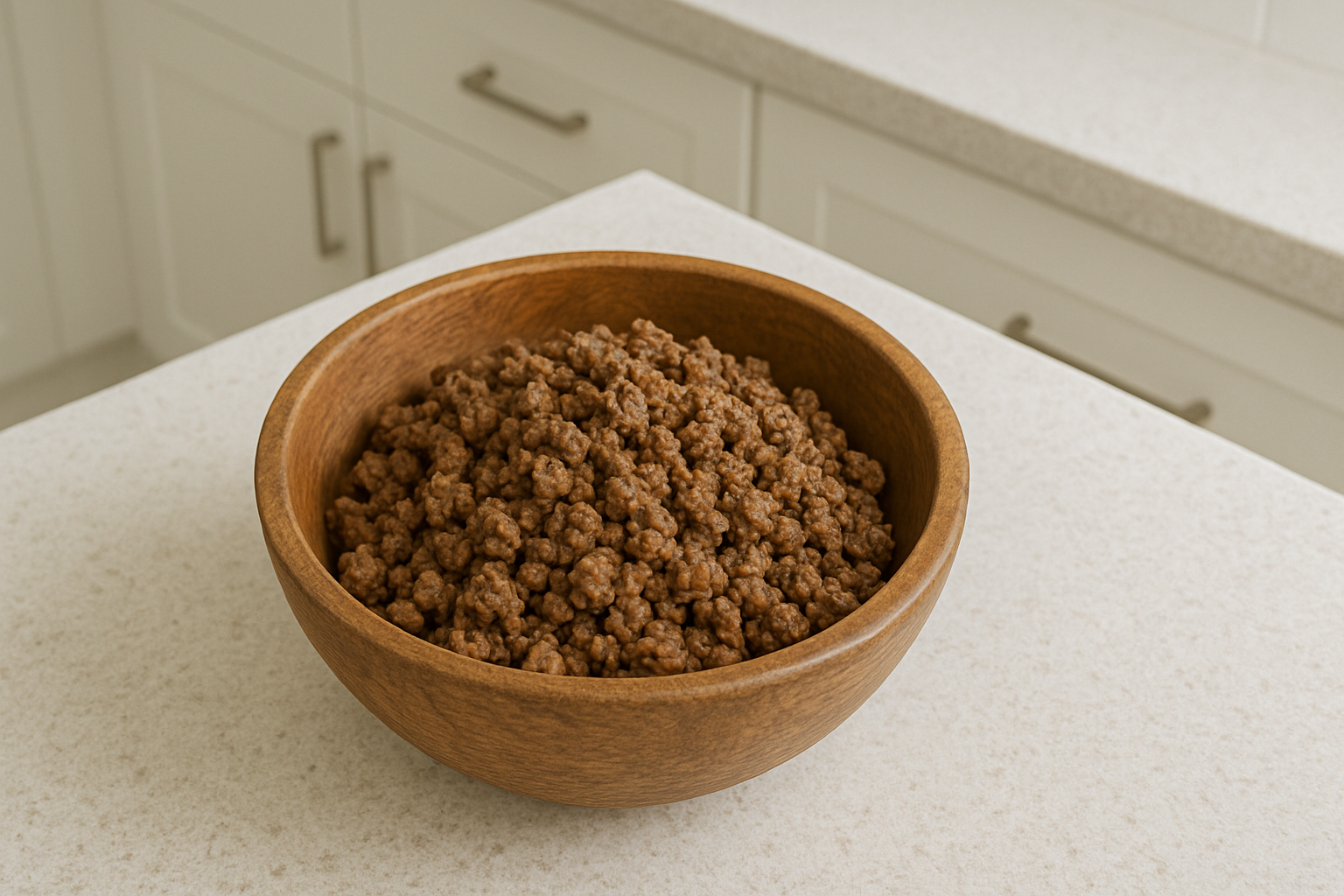
Storing Cooked Ground Beef in the Fridge: What You Need to Know
Understanding Proper Food Storage
When it comes to refrigerating your cooked ground beef, understanding the fundamentals of proper food storage is essential. The key goals are to preserve the quality of your food and to prevent the growth of harmful bacteria. Here's what you need to remember:
- Temperature: Always store cooked ground beef at a safe temperature. Your refrigerator should be set below 40°F (4°C), as this is the threshold temperature that inhibits bacterial growth.
- Air Circulation: Good air circulation in the fridge is vital. Avoid overpacking to ensure cold air can flow freely, thus maintaining a consistent temperature throughout.
- Container: Opt for airtight containers or heavy-duty aluminum foil or plastic wrap. This not only prevents the beef from drying out but also stops cross-contamination with other foods.
By following these principles, you maintain the safety and flavor of your cooked ground beef. For more insights into setting the right temperature in your fridge, take a look at cracking the code decoding the ideal fridge temperature.
Importance of Safe Food Handling
Before even placing your cooked ground beef in the fridge, ensuring you've handled it safely is crucial. Here's a checklist to guide you:
- Wash Hands: Always wash your hands before and after handling cooked ground beef to avoid the spread of bacteria.
- Cook Thoroughly: Ensure that the beef has been cooked to a safe internal temperature of 160°F (71°C) to kill any harmful bacteria.
- Cooling: Let the cooked beef cool slightly before refrigerating it. However, don't leave it out at room temperature for more than two hours, or one hour if the temperature is above 90°F (32°C).
- Reheat Safely: When reheating, bring the beef to an internal temperature of 165°F (74°C) to ensure any potential bacteria are destroyed.
Safe food handling complements proper food storage, forming a defense system against foodborne illnesses. For more detailed guidelines on handling different types of foods, explore our comprehensive articles, such as how long can salmon last in the fridge and how long is cooked chicken good in the fridge.
Factors Affecting Storage Time
When you're looking to safeguard the quality and safety of cooked ground beef, understanding the factors that impact its shelf life in the fridge is essential. The two main considerations are the temperature at which the beef is stored and the type of packaging or storage container used.
Temperature Considerations
The longevity of cooked ground beef in the refrigerator is heavily influenced by the temperature it's stored at. Your fridge should be set to 40°F (4°C) or below, the safe zone that slows bacterial growth, as recommended by food safety guidelines. Any temperature above this range can cause bacteria to multiply rapidly, increasing the risk of foodborne illness.
For more in-depth information on setting your fridge to the right temperature, you can explore cracking the code decoding the ideal fridge temperature.
Packaging and Storage Containers
How you package your cooked ground beef also plays a pivotal role in extending its shelf life. Proper packaging helps to prevent air exposure, moisture loss, and cross-contamination which can all lead to premature spoilage.
For optimal results, store your cooked ground beef in airtight containers or resealable plastic bags. If using containers, make sure they are made of food-grade materials and designed for refrigerator storage. Vacuum-sealed bags are another excellent option for minimizing air exposure and preserving freshness.
Here's a quick comparison of storage methods and their impact on the shelf life of cooked ground beef:
| Storage Method | Estimated Shelf Life |
|---|---|
| Airtight Container | 3-4 Days |
| Resealable Plastic Bag | 3-4 Days |
| Vacuum-Sealed Bag | 5-6 Days |
Adhering to these storage recommendations will help you extend the shelf life of your cooked ground beef, ensuring that it remains safe and delicious to eat. As you manage your fridge space effectively, you might want to consider some organizational solutions like those covered in say goodbye to clutter best bottom freezer refrigerator for organization.
Remember, while proper storage can prolong the freshness of your cooked ground beef, it's crucial to be vigilant and look out for any signs of spoilage before consuming.
Shelf Life of Cooked Ground Beef
General Guidelines for Refrigerator Storage
When it comes to storing cooked ground beef in the refrigerator, understanding the general guidelines for storage time is key to ensuring both quality and safety. As a general rule, cooked ground beef should be refrigerated within two hours of cooking and can be safely stored for up to 3 to 4 days when kept at a constant temperature of 40°F (4°C) or below, which is the standard safe temperature for refrigerator storage.
For further insights into maintaining the ideal fridge temperature, you may refer to our article on decoding the ideal fridge temperature.
Here's a quick reference table for the shelf life of different ground beef preparations in the refrigerator:
| Preparation | Shelf Life in Fridge |
|---|---|
| Cooked Ground Beef (plain) | 3-4 days |
| Cooked Ground Beef (in sauce) | 3-4 days |
| Cooked Ground Beef (as part of a casserole) | 3-4 days |
Remember, these are guidelines, and the actual shelf life may vary based on factors like the temperature of your refrigerator and how the ground beef was handled before storage.
Signs of Spoilage to Watch For
Even if you follow storage guidelines meticulously, it's important to be aware of the signs of spoilage before consuming refrigerated cooked ground beef. Signs that your cooked ground beef has gone bad include:
- Unusual odors: An off or sour smell is a clear indicator that the ground beef should not be consumed.
- Change in color: If the meat has turned from a brownish color to grayish, greenish, or any other unnatural colors, it's a sign of spoilage.
- Slimy or tacky texture: Meat that has become slimy or feels tacky to the touch should be discarded.
- Mold: Any visible mold growth on the surface of the meat means it should be thrown away immediately.
If you notice any of these signs, it is crucial to dispose of the meat right away to avoid any foodborne illnesses. When in doubt, it's safer to err on the side of caution and not consume the meat.
For more about storing other types of foods in the fridge, you might be interested in learning how long can salmon last in the fridge or how long is cooked chicken good in the fridge. These guides can help you manage your leftovers and maintain the quality and safety of your food.
Extending Storage Time
When you've cooked a delectable batch of ground beef, ensuring it remains safe and flavorful for future meals is key. Let's explore how you can extend the storage time of your cooked ground beef by properly sealing it and utilizing the freezer.
Properly Sealing Cooked Ground Beef
To maximize the shelf life of cooked ground beef in the refrigerator, proper sealing is essential. This involves both the removal of excess air and the use of appropriate containers or wrap. By doing this, you limit the exposure to bacteria and air, which can speed up the spoilage process.
- Allow the cooked ground beef to cool to room temperature before storing to prevent moisture buildup.
- Transfer the ground beef to airtight containers, or use heavy-duty aluminum foil or freezer wrap.
- If using containers, ensure they are not only airtight but also made of food-grade materials and suitable for long-term storage.
Here's a simple guide on how to seal your cooked ground beef effectively before placing it in the fridge:
| Step | Action |
|---|---|
| 1 | Cool the ground beef to room temperature. |
| 2 | Choose an airtight container or suitable wrap. |
| 3 | Remove as much air as possible. |
| 4 | Seal tightly and label the container with the date. |
For a deeper dive into the best containers and wraps for storing different types of food, consider reading our articles on preserving freshness and efficient storage solutions.
Utilizing the Freezer for Long-Term Storage
The freezer is your ally in extending the storage time of cooked ground beef well beyond what the refrigerator can offer. When stored correctly, frozen cooked ground beef can last for up to four months without significant changes in quality or safety.
- Follow the same sealing steps as you would for refrigeration, but ensure the materials used are freezer-safe.
- Press the ground beef flat in the container or bag to maximize space and allow for quicker thawing.
- Keep the freezer at a consistent temperature of 0°F (-18°C) or below to maintain the quality of the meat.
Here's a snapshot of how long you can safely store your cooked ground beef when using the freezer:
| Storage Method | Duration |
|---|---|
| Refrigerator (40°F or below) | 3-4 days |
| Freezer (0°F or below) | Up to 4 months |
For further insight into freezer storage and how to select the right freezer for your needs, check out our articles on undercounter freezers and freezer organization.
By properly sealing your cooked ground beef and utilizing the freezer for long-term storage, you can ensure that your meal prepping efforts won't go to waste. Implementing these methods will allow you to enjoy your ground beef safely and deliciously whenever you choose to defrost and reheat it.
Best Practices for Storing Cooked Ground Beef
Proper storage of cooked ground beef is critical to maintaining its quality and ensuring it's safe to eat. By following best practices for labeling, thawing, reheating, and maintaining food quality, you can enjoy your delicious ground beef without worry.
Labeling and Dating Containers
When storing cooked ground beef in the fridge, it's vital to keep track of how long it has been stored. Labeling and dating containers is a simple yet effective method to manage this.
- Use a permanent marker or a label to write the date on which the ground beef was cooked.
- Indicate any additional details such as the type of dish or seasoning used, which can be helpful when planning future meals.
- This practice not only helps in decoding the ideal fridge temperature for different foods but also prevents the risks associated with consuming expired or spoiled meat.
Safe Thawing and Reheating Methods
Thawing and reheating are crucial stages where food safety can be compromised if not done correctly.
- To safely thaw cooked ground beef, transfer it from the freezer to the fridge a day before you plan to use it. This slow thawing process helps maintain the meat's flavor and texture.
- When reheating, ensure that the ground beef reaches an internal temperature of 165°F (74°C) to eliminate any potential bacteria.
- Avoid using high heat to reheat as it can dry out the meat and degrade its quality. Instead, opt for a gentle reheat on the stove or in the microwave.
- For more insights on reheating techniques that preserve the moisture and flavor of your ground beef.
Tips for Maintaining Food Quality
Maintaining the quality of cooked ground beef requires more than just proper storage; it involves mindful handling and usage.
- Keep the ground beef in the coldest part of the fridge, typically at the back, where temperature fluctuations are minimal.
- If you're storing ground beef in a dish with sauce or gravy, ensure that it's covered adequately to prevent the liquid from evaporating and leaving the meat dry.
- Consume stored ground beef within the recommended timeframe. For detailed guidelines on storage times for various meats, refer to our article on how long can your steak safely sit in the fridge.
- Consider portioning the ground beef into meal-sized containers before storing, making it easier to use only what you need without repeatedly reheating the entire batch.
By adhering to these best practices, you can rest assured that your cooked ground beef will remain a safe and tasty component of your meals. Remember, when in doubt about the freshness of your stored meat, it's always best to err on the side of caution and discard any questionable leftovers.