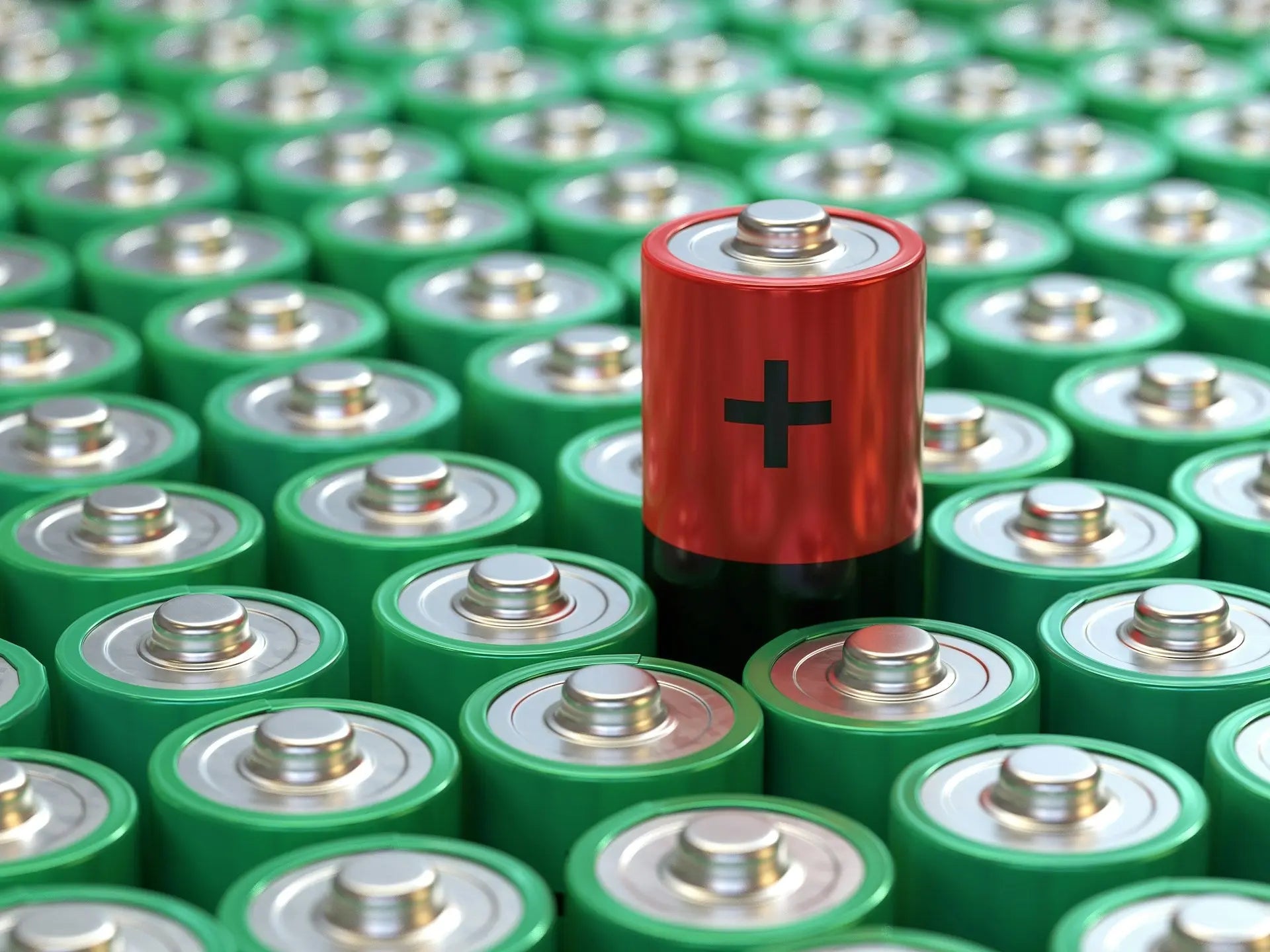
Throwing Batteries In The Freezer
The Freezer and Batteries: What's the Connection?
Why People Put Batteries in the Freezer
Ever been told to stash your batteries in the freezer for a life extension? Many folks claim this can revive faltering batteries. The logic is simple: cooler temperatures might slow those chemical reactions, keeping the battery's juice for longer. Some people are devoted to this myth, especially when their gadgets start faltering faster than expected. The freezer trick seems like an easy hack—just chill them out to keep them going a bit longer.
Does Freezing Batteries Work?
Despite what Uncle Jim might say, the freezer tactic isn't really backed by science. Modern batteries—whether alkaline or those fancy lithium-ion ones—are built to handle heat but don't love the cold much.
Let’s break it down by battery type:
| Battery Type | Freezer Experiment Outcome |
|---|---|
| Alkaline | Could lose power, best skip this one |
| NiCd (Nickel Cadmium) | Might get a tiny boost |
| NiMH (Nickel Metal Hydride) | No benefit here |
| Lithium-Ion | Keep ‘em warm, cold won't do good |
Freezing can invite condensation when batteries thaw out, which spells trouble with internal corrosion. So, before you start treating your fridge like a battery spa, think about the specific batteries you have and what could go sour.
Want to learn how to store your batteries right and keep them ticking? Peek at our best practices for prolonging battery life.
Understanding Batteries and Freezing
Let’s delve into the age-old debate about chucking batteries into the freezer. First, we'll take a quick stroll through the battery aisle to get familiar with the major players and whether cold temperatures are their friend or foe.
Types of Batteries
What’s what in the land of batteries? Let’s break it down:
| Battery Type | Common Hangouts |
|---|---|
| Alkaline | Your remote when it disappears, kids' toys, flashlight that no one refills |
| Nickel-Cadmium (NiCd) | Stuck like glue in power tools, yesteryear’s cellphones |
| Nickel-Metal Hydride (NiMH) | On the job in digital cameras, getting hybrids moving |
| Lithium-Ion | The heart of your smartphone, trusty laptop vessels, zooming EVs |
| Lead-Acid | Under your car's hood, sitting in emergency backup devices |
Knowing your battery type is important since they each play by their own rules when chillin’ to the bone.
Effects of Freezing on Batteries
Trying to turn your battery into a popsicle might not work out like you think. Here’s what cold can do to different batteries:
| Battery Type | Cold Shoulder Reactions |
|---|---|
| Alkaline | Performance takes a dive; freezing ain't the way to go |
| Nickel-Cadmium (NiCd) | Could end up toast; freezing is a no-go zone |
| Nickel-Metal Hydride (NiMH) | May lose its juice; freezing with no finesse spells trouble |
| Lithium-Ion | Gets its innards scrambled; stick to room-temp hangouts |
| Lead-Acid | Can feel the freeze if undercharged, leading to a crack-up |
Quite frankly, most batteries coming out of a frosty slumber aren’t the supercharged wonders folks hope for. Instead, you might just squish their shelf life. Looking to nurture your battery instead? Check our tips on storing batteries wisely and pump those battery lifespans!
Battery Storage Tips
Keeping your batteries charged and ready to roll isn't rocket science, but a wee bit of know-how can go a long way. Here's some advice to help your batteries stay juiced up and healthy.
Ideal Storage Conditions for Batteries
You’ll want to tuck those batteries away in a calm and dry spot. Here's the skinny on what works best:
| Storage Condition | Ideal Temperature | Humidity Level |
|---|---|---|
| Good to Go | 50°F to 86°F | Low (10% to 75%) |
| No Go Zone | Above 100°F | Over 75% Humidity |
Avoid playing hot potato with your batteries—steer clear of big temperature swings. Sunbathing is for people, not batteries. Keeping them cozy out of the sun and far from heat can add years to their life.
Best Practices for Prolonging Battery Life
Keep these tips in mind to give your batteries a long life:
-
Stick to the Original Plan: Original packaging is like a safe little suit of armor for your batteries, shielding them from unexpected zaps. Keep ‘em there till showtime.
-
Don't Mix and Mingle: Different types and brands of batteries are like oil and water; best to keep them apart to dodge leaks and other messy mishaps.
-
Ahead of the Best By Date Game: Batteries have a “best-if-used-by” life too. Use them up before they’re past their prime for max performance.
-
Room Temp is Home Sweet Home: Keep your batteries comfy at room temperature. Stuff them in the freezer or roast them at high temps, and you might as well throw performance out the window.
-
Regular Check-Ups: Give your batteries a good once-over now and then. Look out for any signs of rust or leaks, and toss the bad apples the right way.
Stick to these tips, and your batteries will be ready to power up whatever needs a jolt. For more bits of wisdom, mosey over to our pieces on things like how long does cooked pasta last in fridge? or can you freeze fresh potatoes?.
Common Myths Debunked
Myth: Freezing Recharges Batteries
You might have heard that sticking batteries in the freezer magically brings them back to life. Sorry to burst your bubble, but that’s just a cold, hard myth. Freezing doesn’t top up your battery’s power; it might actually do a number on them. When batteries chill out too much, they could end up leaking and saying goodbye sooner than you’d like. Sure, keeping them in cooler temps can slow down some aging processes, but if you’re thinking a dead battery’s gonna rise like a zombie, you’ll be left in the dark.
| Battery Type | Freezing Effect |
|---|---|
| Alkaline | Slowed down, but not revived |
| NiMH | Could get damaged |
| Li-ion | Won’t play nicely |
Myth: Freezing Extends Battery Shelf Life
People love thinking that the freezer is a magic wand for a longer shelf life for batteries. Truth is, you’d be better off placing them somewhere a bit more cozy, like a cupboard. Extreme cold can mess with a battery’s mojo, leaving it less effective in the long run. Most of 'em enjoy hanging out in a cool room, soaking in the nice, stable temps instead of getting frostbite.
| Battery Storage Temperature | Recommended Spot |
|---|---|
| Freezing (below 32°F) | Not Happening |
| Cool Room Temperature (68-77°F) | Ah, Just Right! |
Getting wise to these myths lets you keep your gadgets going strong. Curious about other clever ways to keep your devices juiced? Check out some handy tips on proper battery disposal to keep everything humming along smoothly.
Proper Battery Tossing
You've got old batteries piling up, huh? Well, here's the scoop: careful dumping helps the Earth and keeps you safe. Doing your part is easier than you might think.
Why It Matters
Chucking batteries in the trash can cause hassles you don't want. Loaded with yucky stuff, those little energy packs can mess with Mother Nature and even your health if you don’t toss them the right way. Give these big no-nos a look:
| Situation | What's the Big Deal? |
|---|---|
| Messy Soil | Batteries have got some nasty metals that can kill plants. |
| Water Trouble | Bad chemicals leaking into water could poison what we drink. |
| Animal Disaster | Wildlife might munch on battery bits, and that's a big ouch! |
Don't need to be a genius to see that dealing with batteries right helps the Earth big time.
Easy Battery Dump Tips
Wondering how to get rid of those batteries? Give these simple steps a try to show you care:
-
Local Drop-offs: Most towns have spots to dump batteries. Just find out what’s what and where’s where around you.
-
Shop Returns: Some stores are cool about letting you bring back old batteries for recycling. Scout out places that do this while on your next shopping run.
-
Hazard Trash Days: Many areas hold special days for getting rid of hazardous stuff, including batteries. Mark it on your calendar and drop by.
-
Pro Recyclers: Some groups eat, sleep, and breathe battery recycling. Look them up and see if they’re a fit for teaming up.
Pitching in with these steps keeps gunk out of green spaces and makes the world a bit brighter. And hey, don't miss out on tidbits about tossing batteries in the freezer, along with savvy storage tips for squeezing the most out of your battery buddies.
Alternative Battery Care Tips
Keeping your batteries in tip-top shape means they'll last longer and work better. Here’s how you can stash them right and get the most juice out of each charge.
How to Store Batteries Properly
How you store batteries can make all the difference in keeping them from leaking or conking out too soon. Here's what you gotta know:
- Chill, Dry Spot: Keep your batteries in a cool, dry nook. Heat and wetness are the enemies here—they can mess up batteries and make them really wimpy.
- In Their Own Wrappers: Leave batteries in their original shrink-wrap until you need them. This shields them from damage and nasty mishaps like draining by accident.
- Keep 'Em Separate: Make sure different types of batteries aren't huddled together. Mixing them could mean leaks, and that's no good for anyone.
- Stand Tall: Store your batteries standing up, not laying down. Make sure they're not touching one another to dodge any short-circuit drama.
| Storage Trick | Why It Works |
|---|---|
| Cool Environment | Aim for temps between 50°F and 70°F. |
| Dry Habitat | Keep away from moist places. |
| Original Wrappers | Guards them before you put them to work. |
| Separate Battery Types | Avoids unwanted battery breakdowns. |
| Stand Up Tall | Lowers the risk of shorting out. |
Maximizing Battery Performance
Keep your batteries happy and healthy with these handy tips:
- Don't Drain 'Em Dry: Avoid running batteries completely dead. Giving them a boost at 20-30% charge helps them live longer.
- Mind the Temp: Super hot or freezing spots are a no-go. Heat drains them fast, and cold makes them sluggish.
- Keep 'Em Busy: Use your batteries regularly to keep them lively. If they’re taking a break, store them properly.
- Smart Charging: Use a snazzy charger that knows when to say when. It stops charging when they're full, avoiding the whole overcharging mess.
| Performance Hack | Why It Works |
|---|---|
| Don't Fully Drain | Recharge before they're nearly empty. |
| Temp Matters | Keep away from those scorching or icy spots. |
| Keep 'Em Busy | Regular use keeps them spry. |
| Smarter Charger | Automatically cuts off to prevent overcharging. |
Using these stashing secrets and power tips can seriously boost how long and how well your batteries work. Safety first, always, when you're fiddling with anything powered. Curious about other battery hacks? Check our write-up on tossing batteries in the icebox for more cool ideas!