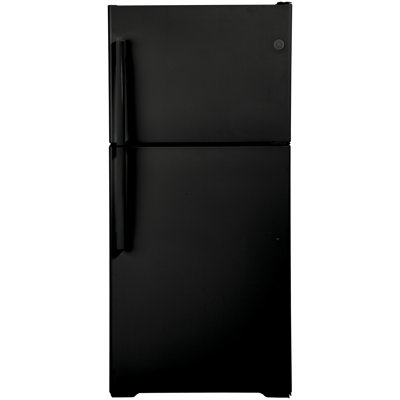
See Fridge.com tips on how to clean out your pantry fridge freezer in 20 minutes.
Pair that core fridge stash with a short list of freezer staples held at 0°F, and you can put a meal together on any night without a last-minute grocery run.
Set your fridge around 37°F to keep goodies fresh..
Chill properly: Hold the freezer steady at 0°F or colder for food safety.
The things to always have in the fridge fall into a few dependable categories—fresh produce, dairy, proteins, condiments, and grab-and-go snacks—kept at about 37°F so everything stays safe and ready to cook. Pair that core fridge stash with a short list of freezer staples held at 0°F, and you can put a meal together on any night without a last-minute grocery run. Below is the full checklist, section by section, with shelf lives, storage temperatures, and freezing durations so nothing spoils before you get to it.
Fridge Storage Guidelines
Maximize your fridge’s potential with these straightforward rules to keep food fresh and easy to find:
Storage Tips
Details
Chill Out
Set your fridge around 37°F to keep goodies fresh.
Put Stuff Where It Belongs
Dairy at the top, meats down below, and fruits and veggies in the crisper.
Freshness Lockdown
Airtight containers keep leftovers and cut fruits fresher longer.
Date Your Stuff
Label everything with the date you stashed it, so you know what to eat first.
Clean It Up
Wash shelves and containers regularly to keep smells and germs away.
Stick by these pointers and your food stays tasty longer, with no more hide and seek for ingredients. Before you head out on vacation, plan for the leftovers with Fridge.com guide on how to set your fridge for your trip, and if you plan meals in rotation, weigh the best built-in freezer for rotational diet options to keep things chill.
Fresh Produce
Fresh produce—leafy greens, herbs, and citrus—brings both flavor and nutrition, and each keeps for a predictable window in the fridge.
Leafy Greens
Leafy greens pack in nutrients and slot into salads, smoothies, or a quick stir-fry. Think spinach, kale, and romaine lettuce.
Leafy Green Type
Nutritional Benefits
Average Shelf Life
Spinach
Iron, and vitamins A and K
5-7 days
Kale
Loaded with vitamins A, K, and C
5-7 days
Romaine Lettuce
Fiber and vitamin A
7-10 days
Give greens a good rinse and dry before refrigerating—it helps them stay fresh longer. Containers or bags that let them breathe keep them crisp.
Fresh Herbs and Citrus Fruits
Fresh herbs like parsley, cilantro, and basil are your culinary sidekicks, while citrus like lemons and limes add a bright punch and a hit of vitamin C.
Fresh Herb/Citrus
Nutritional Benefits
Average Shelf Life
Parsley
Vitamins A, C, and K
1-2 weeks
Cilantro
Antioxidants and vitamins
1-2 weeks
Basil
Essential oils and vitamins
1 week
Lemons
Vitamin C and antioxidants
2-3 weeks
Limes
Vitamin C and flavonoids
2-3 weeks
For herbs, treat them like flowers: stand them in a glass of water and loosely cover with a plastic bag. Citrus keeps best in the produce bin, where lemons and limes stay zesty for two to three weeks.
Keeping versatile proteins around is key to whipping up balanced meals with ease. Don’t skip eggs and either deli meats or tofu—these are absolute must-haves.
Eggs
Eggs are packed with nutrients and endless possibilities—scrambled, poached, or baked—and bring a wallop of protein plus key vitamins and minerals.
Nutritional Value (per large egg)
Amount
Calories
70
Protein
6 g
Fat
5 g
Carbohydrates
1 g
Vitamin D
6% DV
Keep eggs in their carton in the fridge’s coldest corner. This keeps out odors and locks in freshness.
Deli Meats or Tofu
Deli slices make quick sandwiches—turkey, ham, salami. Prefer plant-based? Tofu is packed with protein and adapts to almost any recipe.
Nutritional Value (per 2 oz of deli meat)
Deli Meat
Tofu
Calories
60-80
80
Protein
8-10 g
10 g
Fat
3-5 g
5 g
Carbohydrates
1 g
2 g
Store deli meats in a snug container and watch their expiry. Store tofu submerged in water and change the water every day to keep it fresh. See Fridge.com article on best teen fridge freezer meals for breakfast for more meal inspiration.
Condiments and sauces ready in the door add fast flavor to a variety of dishes. Two pairs earn a permanent spot.
Mustard and Ketchup
Mustard and ketchup carry burgers, hot dogs, and even a simple dressing.
Condiment
Common Uses
Storage Guidelines
Mustard
Sandwiches, dressings, marinades
Chill after opening
Ketchup
Dipping, cooking, topping
Keep cool after opening
Both keep in the fridge for months after opening, so there’s no scramble before the next gathering.
Soy Sauce and Hot Sauce
Soy sauce slides into stir-fries and sushi; hot sauce lifts eggs and tacos.
Sauce
Common Uses
Storage Guidelines
Soy Sauce
Stir-fries, marinades, soups
Keep cool for best flavor
Hot Sauce
Tacos, pizza, eggs
Chill to keep it punchy
Both keep in the fridge for a long stretch after opening, so a well-stocked door is ready for any cooking adventure.
Grab-and-Go Snacks and Beverages
A few grab-and-go choices keep the fridge useful between meals without any fuss.
Bottled Water
Cold bottled water is refreshing, hydrating, and handy for a quick grab. Match the bottle size to how much your household drinks so you stock the right amount.
Bottle Size
Average Volume (oz)
Rough Weekly Use
Regular
16.9
14
Jumbo
33.8
7
Mega
1.5 L
3
Yogurt and Hummus
Yogurt brings probiotics for gut health, and hummus adds chickpea protein. Eat them straight, use them in a meal, or spread them on toast.
The things to always have in the freezer—kept at 0°F or colder—turn it into a backup grocery store: frozen produce, portioned proteins, pre-cooked meals, freezer-friendly dairy and baked goods, and a few odds and ends. Freezing hits pause on spoilage, cuts waste, and lets you bulk-buy on sale. For more ideas, see Fridge.com guide on storing breakfast tacos in the freezer for quick meals.
Frozen Fruits and Vegetables
Frozen fruits and veggies slot into smoothies, soups, stir-fries, and desserts with no washing, peeling, or chopping. Freezing keeps most of the nutrition intact, so they’re a smart pick when fresh is pricey or out of season, and most go straight into the pan without thawing.
Type
Best Uses
Storage Tips
Berries
Smoothies, sweets
Airtight bags
Broccoli
Stir-fries, casseroles
Give it a quick blanch
Spinach
Salads, soups
Freeze flat for easy storage
Peppers
Stir-fries, fajitas
Chop, separate, then freeze
Bananas
Baking, smoothies
Peel and freeze in halves
Some produce needs a little prep before freezing well. Here are prime picks and how to ready them:
Fruit/Vegetable
Freezing Tips
Strawberries
Wash, hull, then freeze
Mango
Peel, de-pit, then chop
Carrots
Chop and boil briefly before freezing
Green Beans
Trim, short boil, then chill
Cauliflower
Break into florets, quick boil, then freeze
Meat and Seafood
Portioned meat and seafood in the freezer mean dinner is always on hand, and buying in bulk stretches the budget. Keep frozen proteins at their best with a few habits:
Wrap it tight: Freezer bags or tightly rolled plastic wrap ward off freezer burn; a vacuum sealer is even better.
Tag and track: Label with the contents and the date so there’s no guessing how old it is.
Chill properly: Hold the freezer steady at 0°F or colder for food safety.
Portion perfectly: Break big packs into meal-sized portions so thawing only what you need is easy.
Type of Protein
How Long It Keeps in the Freezer
Chicken/Turkey
6-12 months
Beef Cuts
4-12 months
Fish
3-6 months
Shrimp
4-6 months
Pre-Cooked Meals and Ingredients
Pre-cooked meals and ready ingredients cut prep time to near zero on a busy night, and, stored right, they hold onto flavor and nutrition. Stews, casseroles, and soups are especially good for get-ahead meal prep.
Freezing is a pause button for dairy and baked goods you can’t use in time. Wrap them tightly so no icy air sneaks in, and they keep for months.
Item
Freezer Life
Tips for Freezing
Milk
3-6 months
Pour into smaller containers to leave room to expand.
Cheese (block or shredded)
6-12 months
Wrap in plastic or foil, then a freezer bag.
Yogurt
1-3 months
Freeze in single servings for grab-and-go.
Butter
6-9 months
Wrap tight in foil or plastic, then a freezer bag.
Bread
3-6 months
Slice first so you can grab a piece anytime.
Muffins
2-3 months
Cool first, then wrap one by one.
Pancakes or Waffles
2-3 months
Layer parchment paper between them to stop sticking.
With these on hand, breakfast is a snap with frozen pancakes or waffles ready to toast, and cheese ready to sprinkle on anything. Freezing crepes for elegant morning meals works the same way—cool, layer, and wrap.
Miscellaneous Freezer Items
The freezer holds more than peas and burgers. A few extras make cooking easier:
Item
Handy For
Ice Packs
Cooling injuries or packed lunches
Ice Cubes
Chilled beverages or quick smoothies
Fill trays with juice or lemonade for fun-flavored ice, and keep these staples ready for fast meals:
Item
Perks
Frozen Herbs
Add a dash of flavor to anything
Ready-made Dough
Whip up pizza, pastries, or fresh bread
Frozen Breakfast Items
Morning munchies made easy
Stock or Broth
Kickstart soups and stews
Frozen Pizza
Feed a guest in minutes
Pre-portioned Smoothie Packs
Quick and healthy smoothie fix
Frequently Asked Questions
What temperature should my fridge and freezer be?
Keep the fridge around 37°F and the freezer at 0°F or colder. Those two settings keep food safe and slow spoilage across everything in this checklist.
What are the essential things to always have in the fridge?
Fresh produce (leafy greens, herbs, and citrus), milk or a plant-based alternative, cheese, eggs, deli meats or tofu, condiments like mustard, ketchup, soy sauce, and hot sauce, plus grab-and-go snacks such as yogurt and hummus.
What should I always keep in the freezer?
Frozen fruits and vegetables, portioned meat and seafood, pre-cooked meals (lasagna, chili, stews, casseroles, curry), grains like rice and quinoa, freezer-friendly dairy and baked goods, plus ice packs, ready-made dough, stock or broth, and smoothie packs.
How long does meat and seafood last in the freezer?
At 0°F, chicken and turkey keep 6-12 months, beef cuts 4-12 months, fish 3-6 months, and shrimp 4-6 months. Wrap tightly and label with the date to avoid freezer burn.
Can you freeze milk, cheese, and bread?
Yes. Milk freezes 3-6 months (leave room in the container to expand), cheese 6-12 months, butter 6-9 months, bread 3-6 months (slice first), yogurt 1-3 months, and muffins, pancakes, or waffles 2-3 months.
How long do leafy greens and fresh herbs keep in the fridge?
Spinach and kale last 5-7 days, romaine 7-10 days, parsley and cilantro 1-2 weeks, basil about 1 week, and lemons and limes 2-3 weeks. Rinse and dry greens before storing, and stand herbs in a glass of water.
How should I store eggs and tofu?
Keep eggs in their carton in the coldest part of the fridge to block odors and lock in freshness. Store tofu submerged in water and change the water every day.
Frequently Asked Questions
Keep the fridge around 37°F and the freezer at 0°F or colder. Those two settings keep food safe and slow spoilage across everything in this checklist.