Picking the perfect fridge is like finding a pair of jeans that fit just right—essential for keeping your kitchen functional and your veggies fresh. Whether you're whipping up gourmet meals or you've got a hectic family mealtime schedule, the right fridge is your unsung hero.
Why Choosing the Right Size Matters
A fridge that's the wrong size is about as useful as a chocolate teapot. Here's why size is a big deal:
Space Friendliness: Your fridge should fit into your kitchen like a glove, not a bulldozer. A big ol' fridge might make the room feel squashed, while a teeny one turns into Tetris with your groceries.
Stash Capacity: Think about how much stuff you usually pile into the fridge. Are you a bulk-buyer or do you prefer to grab groceries as you need them? For hefty hauls, bigger might be better. But for little-and-often shoppers, a smaller model could do the job.
Power Saving: The right size keeps your electric bill from singing the blues. A fridge that's too roomy for your needs can guzzle energy—and your cash. Sizing it right can help you dodge those dollars. Check out Fridge.com tips on freezer energy-saving tricks.
Factors to Consider When Measuring for a Refrigerator
Before you commit to a fridge size, have a look at these tips for measuring up:
Space Check: Measure the width, height, and depth of your chosen fridge spot. Watch out for any bits that might get in the way, like cabinetry or window sills.
Room to Breathe: Make sure there's enough breathing room around your fridge for airflow and door-swinging. You'll need at least an inch on each side and more at the front for door swinging prowess.
Capacity Requirements: Different family sizes call for different fridge sizes. Here’s a quick reference:
People in Household
Recommended Capacity (Cubic Feet)
1-2
10-18
3-4
18-24
5 or more
24+
Internal Setup: Does the fridge's inside match your storage game plan? Tall bottles or funky-shaped containers might need adjustable shelves or wider designs. For more info, check Fridge.com guide on measuring for a fridge.
And don't forget to factor in your lifestyle. Love fresh produce or cooking up a storm? A larger, organized fridge could be your kitchen BFF. Tailor this decision to your daily needs to avoid future headaches.
Doing your homework and getting those measurements down pat means you're set to make a savvy fridge choice.
When you're out on the hunt for a fridge, you gotta wrap your head around those usual sizes and how much they can stash. Gettin' these facts straight can make a world of difference when it comes to choosing the perfect one for your kitchen kingdom and your way of livin'.
Overview of Common Refrigerator Dimensions
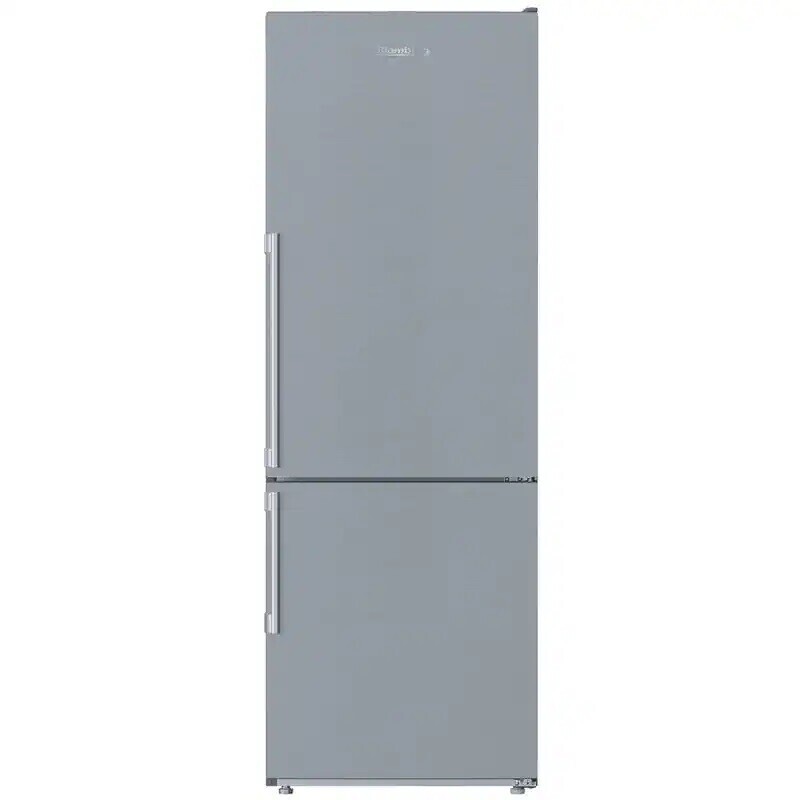
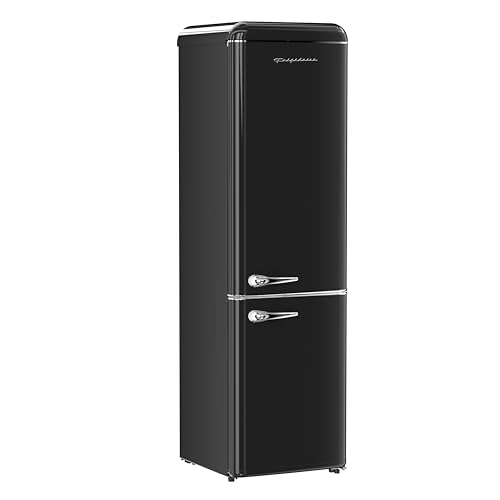
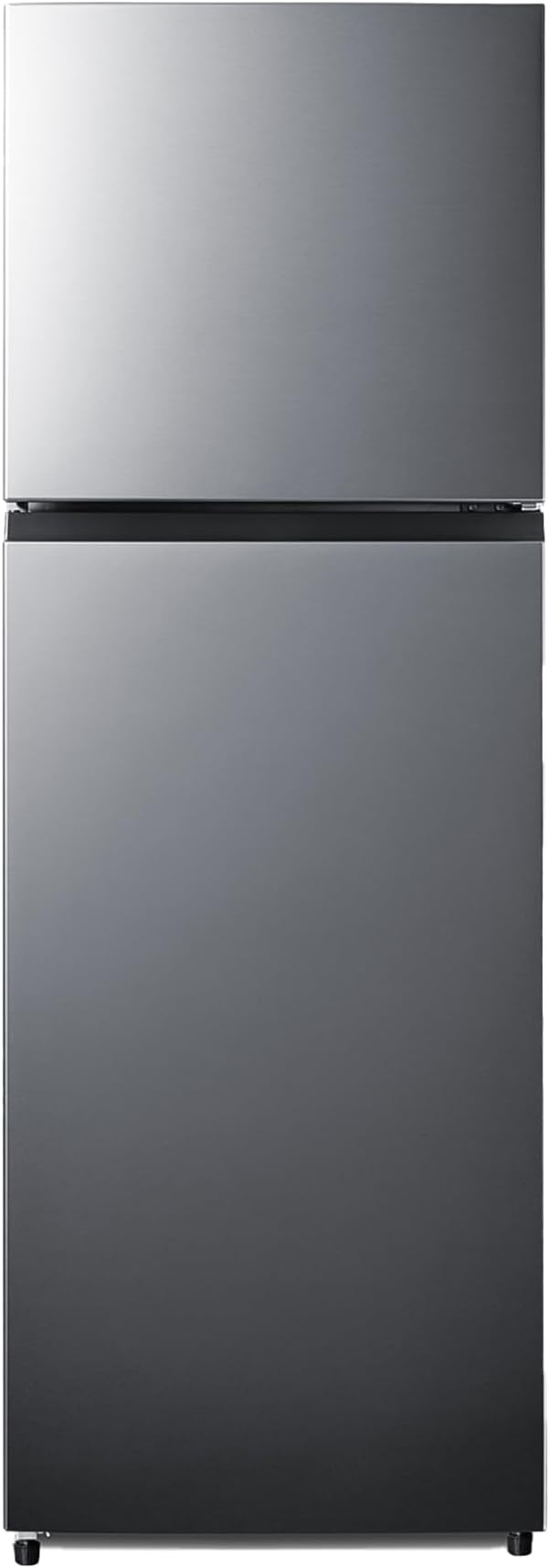
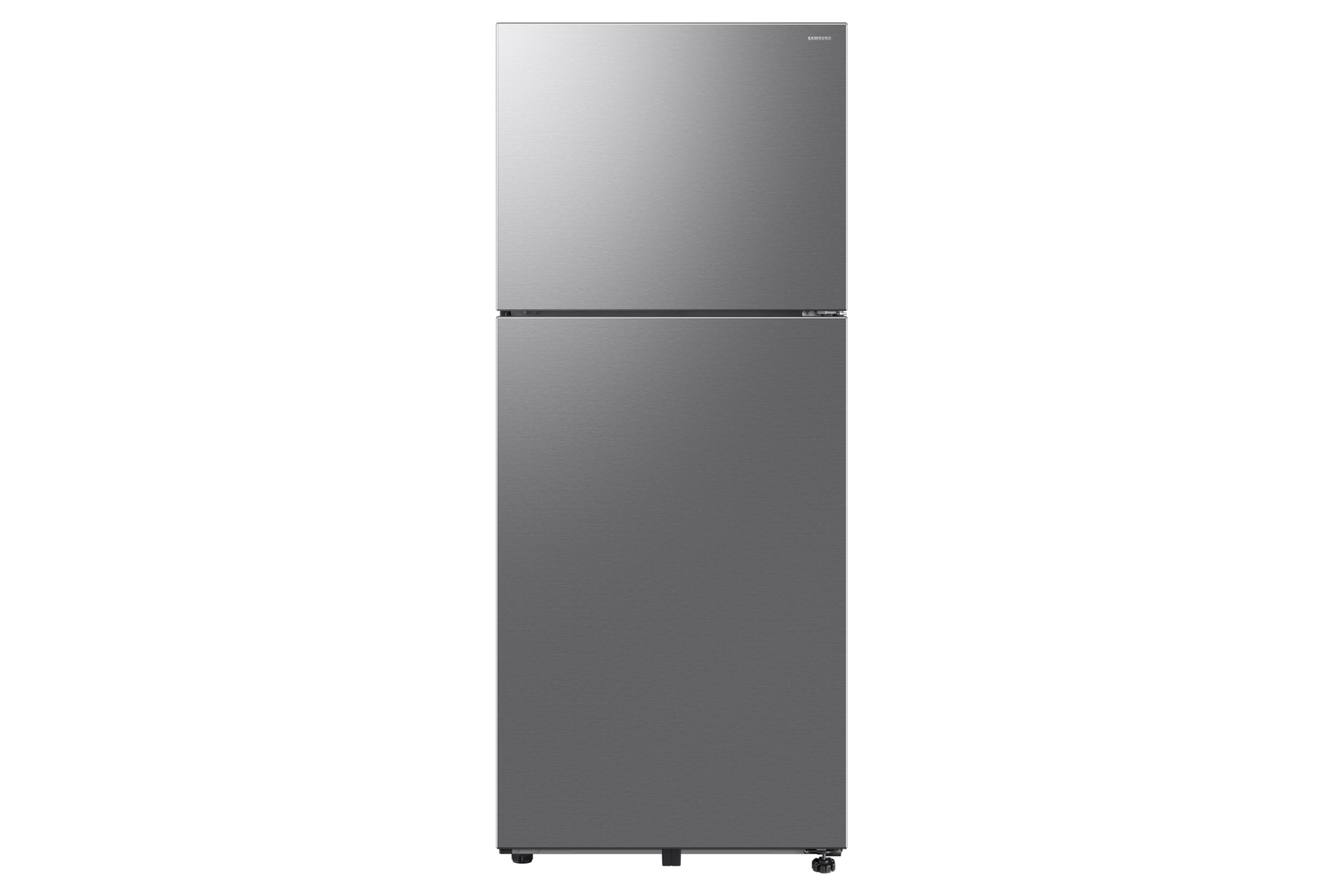
Refrigerators usually come in sizes that slot into typical kitchen nooks. Here's a peek at the common sizes you'll run into when you're fridge-shopping:
Refrigerator Type
Height
Width
Depth
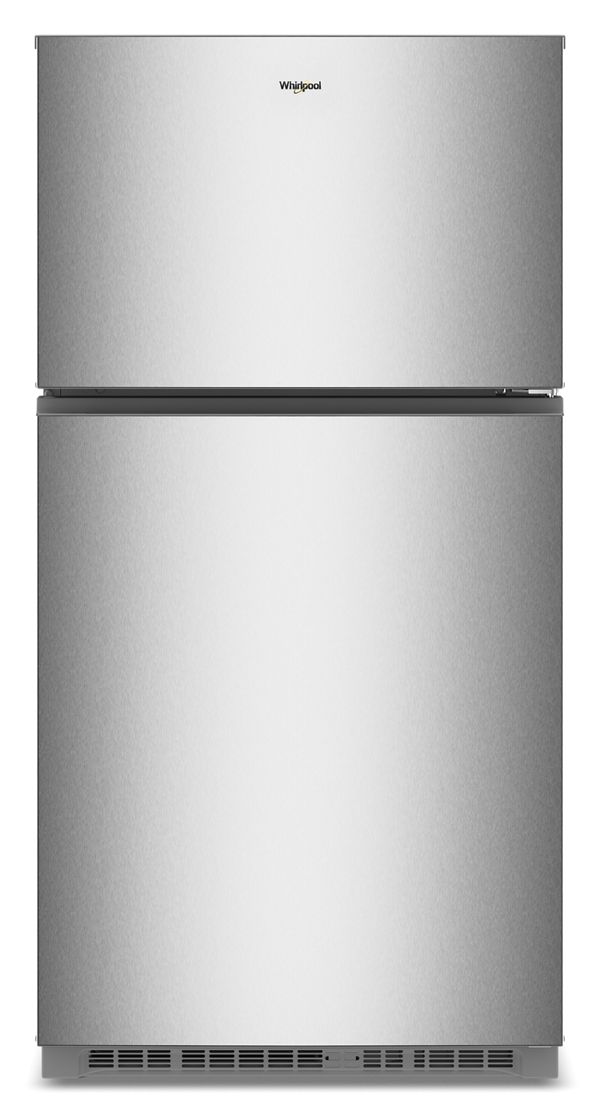
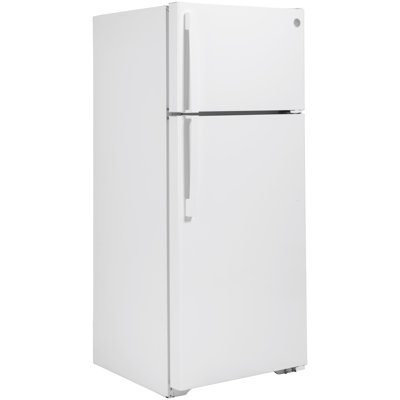
Top Freezer
60 - 70 inches
28 - 32 inches
30 - 35 inches
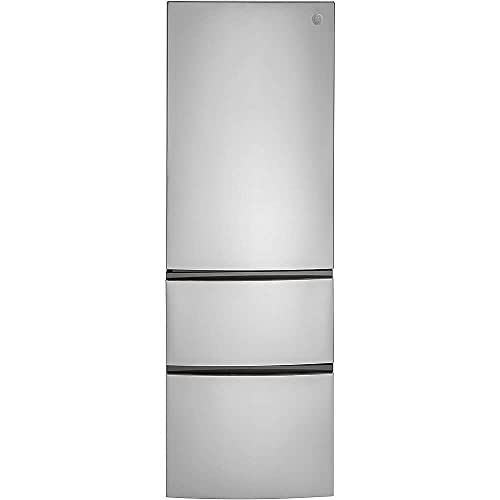
Bottom Freezer
60 - 70 inches
28 - 32 inches
30 - 35 inches
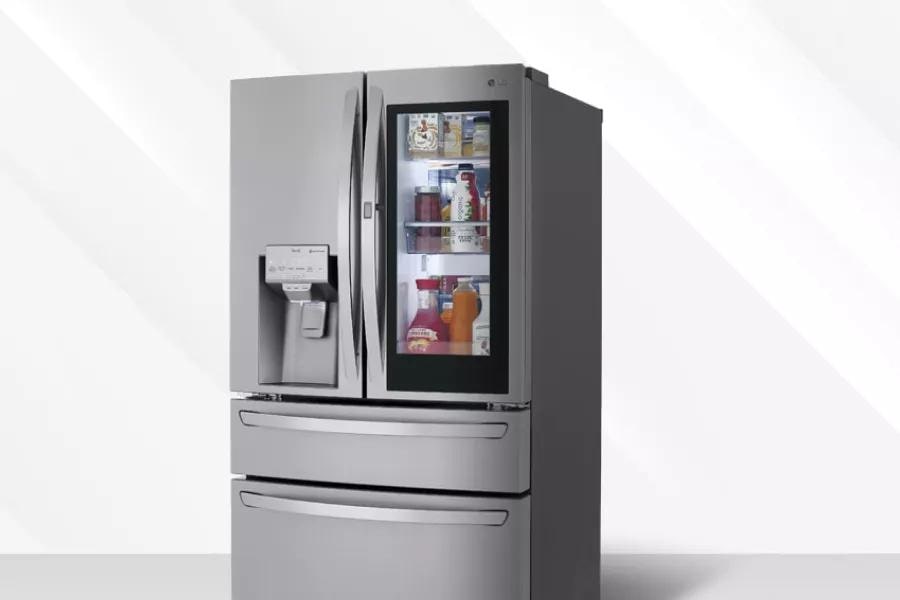
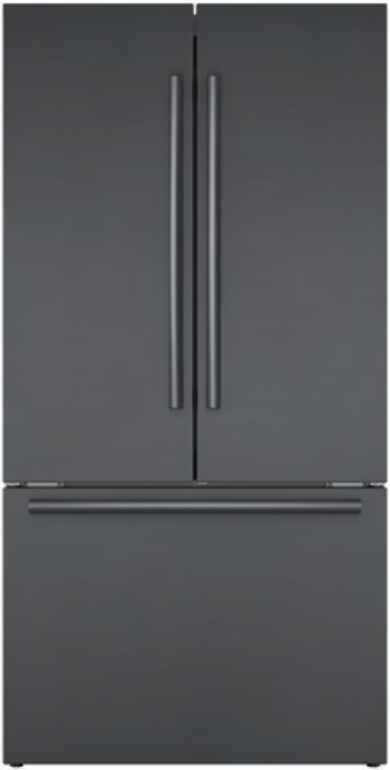
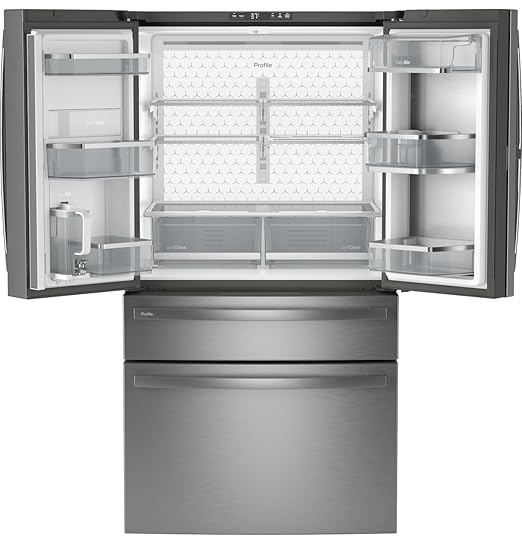
French Door
68 - 72 inches
30 - 36 inches
30 - 34 inches
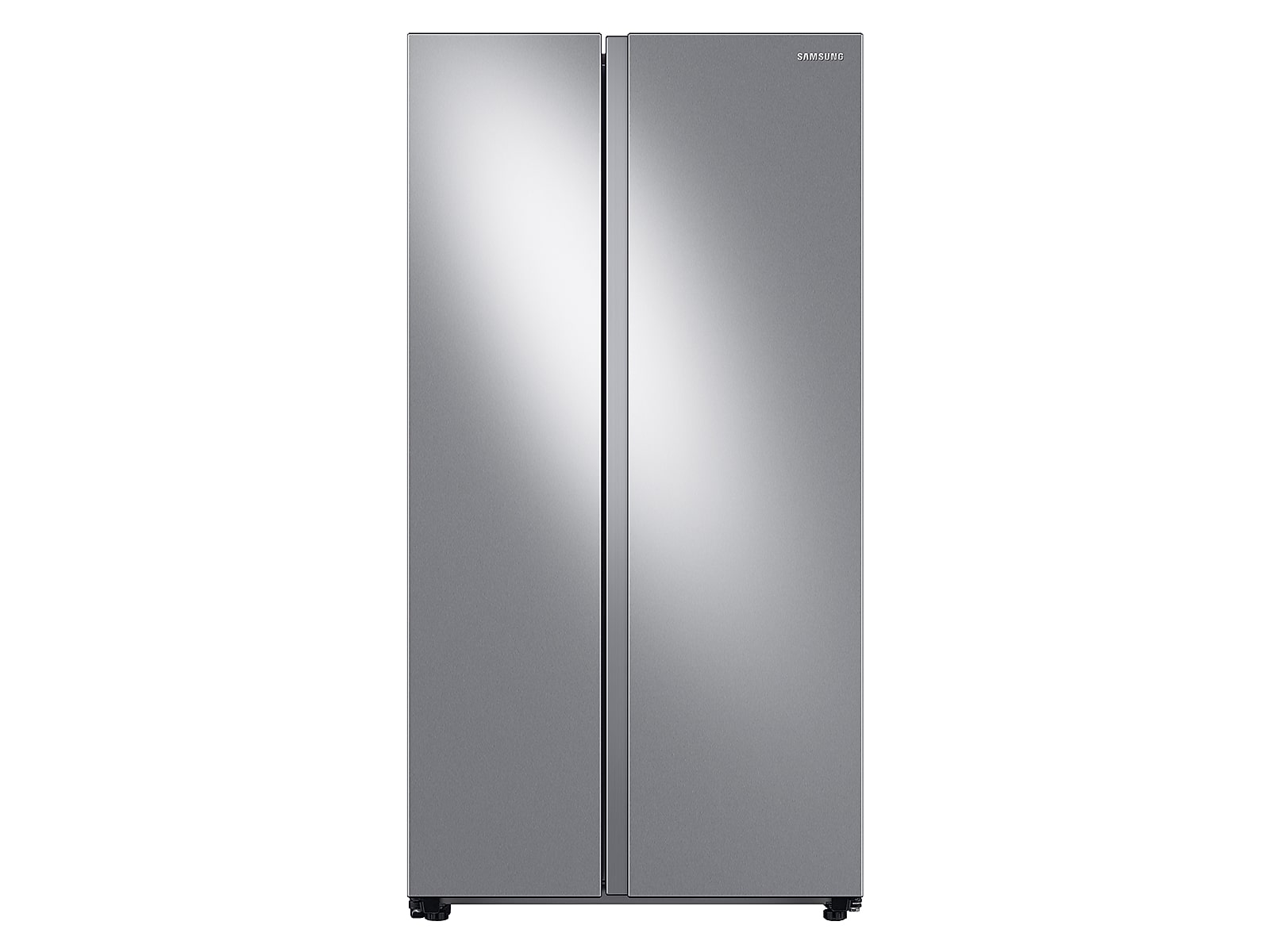
Side-by-Side
64 - 72 inches
30 - 36 inches
30 - 34 inches
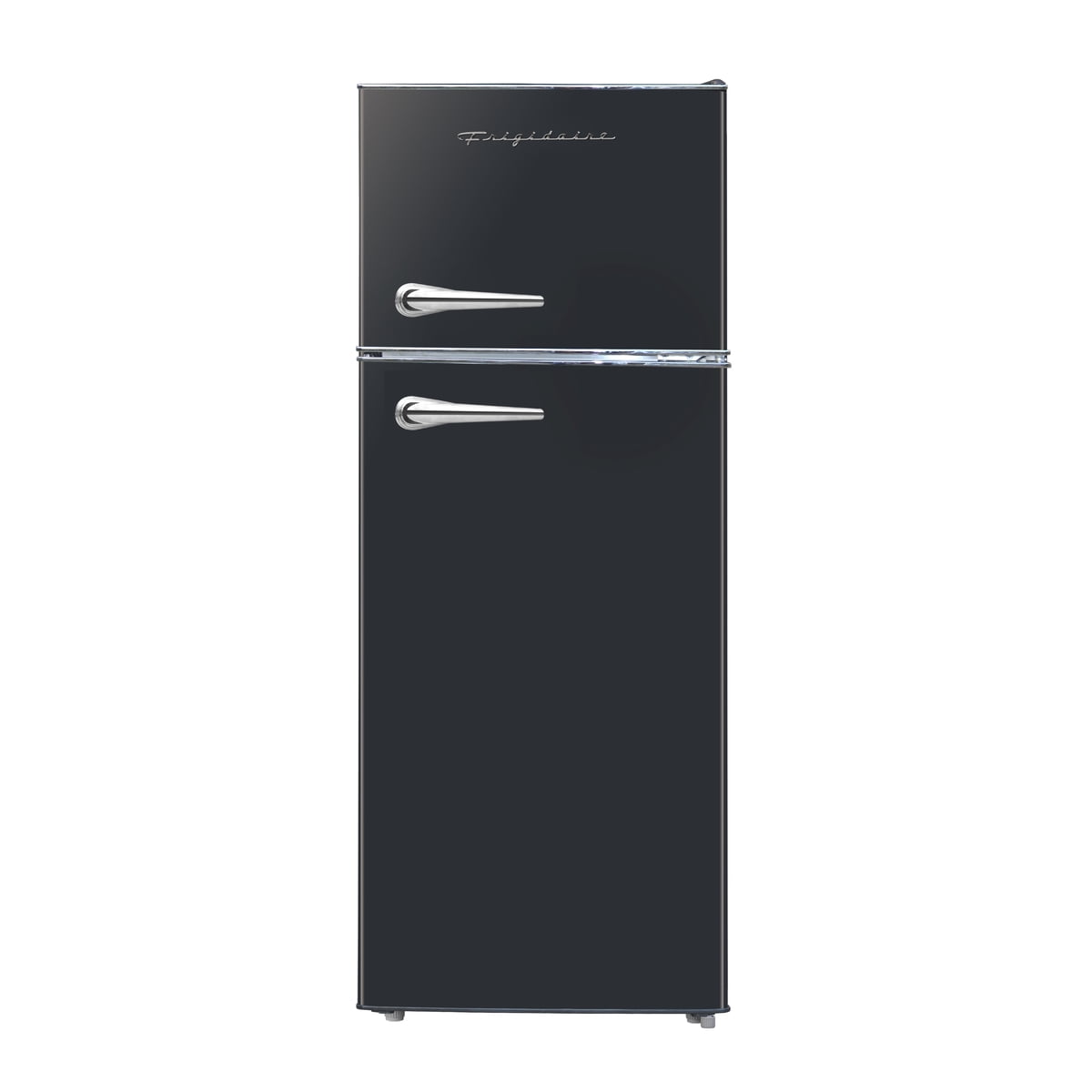
Compact
32 - 36 inches
18 - 24 inches
18 - 24 inches
With these sizes in tow, you can map out your kitchen layout like a pro. If measuring leaves you scratching your head, swing by Fridge.com piece on how to measure for a new refrigerator.
Standard Refrigerator Capacities for Various Needs
The amount of food your fridge can handle usually revolves around its capacity. Here's a quick breakdown of capacities suited for different household gang sizes:
Household Size
Recommended Capacity (Cubic Feet)
1-2 people (small gang)
10 - 14
3-4 people (medium crowd)
14 - 22
5 or more (big crew)
20 - 30
Sussing out your storage requirements will set you on the right path to the fridge that suits your vibe. For the foodies or pros among us, honing in on special features can bump up your storage game. You might also play detective with the best refrigerator for Ketchikan homes or best refrigerator for Sitka homes for spot-on suggestions based on where you hang your hat.
Armed with these sizes and capacities, you're ready to pick a refrigerator that'll slot neatly into your kitchen and cater to all your culinary adventures.
When you're on the prowl for a fridge that fits like a glove, knowing the right size can be your best buddy. Got a tiny space or a big family? Don't fret—there’re fridges for everyone.
Compact Refrigerators for Small Spaces
Short on space? Compact fridges are perfect for cramming into cozy places like dorms, snazzy studio apartments, or even as a backup fridge in your kitchen. They generally offer all sorts of sizes, from snug 1.7 cu. ft. to a roomier 4.5 cu. ft.—just right for tight corners.
Size (cu. ft.)
Dimensions (inches)
1.7
20.0 W x 18.5 D x 22.5 H
2.5
21.5 W x 19.5 D x 24.4 H
4.5
24.0 W x 22.0 D x 27.5 H
These small champs handle drinks, snacks, and meals without a hitch, though they may not swallow whole grocery runs. Curious about options? Peek into Fridge.com guide on best mini fridges for office.
Counter-Depth Refrigerators for a Sleek Look
Want your kitchen to look sharp? Counter-depth fridges fit the bill, snuggling up perfectly with your cabinets. They usually measure around 24 to 30 inches deep—giving your kitchen that seamless, magazine-ready vibe.
Refrigerator Type
Depth (inches)
Width (inches)
Height (inches)
4-Door French Door
24 - 30
36
68 - 72
Side-by-Side
24 - 30
36
68 - 72
Besides saving space, these fridges maintain a smooth and sophisticated look. Want the juicy details? Dig into Fridge.com article about french door fridge.
Oversized Refrigerators for Large Families
Got a big clan or love throwing parties? Oversized fridges are your go-to. With over 30 cubic feet of room, they're pro at storing everything from fresh veggies to gigantic ice cream tubs.
Understanding these refrigerator sizes helps you nail down a fridge that fits your kitchen and your life. Whether you're a home chef, head of a bustling household, or a snack fan, choosing right means a happy kitchen.
Alright, so you're on the hunt for a new fridge. Thinking about size can save you from a heap of regrets later on. Here's your guide to making a wise choice and preventing those "Oops, it doesn't fit!" moments.
Checking Out Your Space and Needs
Before you dive into that fridge shopping spree, let's pause and assess. Whip out that tape measure and eyeball where this new fridge baby will live. Remember, fridges need breathing room too. Look around for pesky cabinets or stubborn furniture that might get in the way.
Now, let's talk turkey about your actual needs. Are you cooking for yourself and a buddy, or are you feeding a small army every night? Here's a quick cheat sheet for figuring out how big your fridge should be:
Party Size
Fridge Space You Need (Cubic Feet)
Solo or duo
10-15
Trio or quartet
16-20
Five and counting
20+
Figuring Out Fridge Styles
Fridges are like shoes: one size doesn't fit all. You’ve got options, and it's good to know your French doors from your top-freezers. Here's the skinny:
Type
What’s the Deal
Top-Freezer
Old-school appeal with the freezer on top—your wallet will love it.
Bottom-Freezer
Makes snagging veggies a breeze and keeps the frozen pizzas below—super for families.
Side-by-Side
Freezer and fridge play nice side-by-side. Easy peasy access.
French Door
Imagine a bottom-freezer married to roomier shelves above. Perfect for big fam dinners or parties.
Compact
Space-saver minis for when quarters are close—great for dorms or tiny apartments.
Getting It Through the Door
Ah, the home stretch! Now, you might think you're all set, but can you actually get that fridge into your kitchen? Measure those doorways and any tricky corners it has to squeeze through. For good measure, keep an inch gap on each side and in the back to let the fridge breathe easy.
Here's the simple rule of thumb:
Where
Minimum Breathing Room
Sides
1 inch each side
Back
1 inch
Top
2 inches—let that air flow!
Keep these taping and measuring tips in mind while you shop. And if you're still stumped on how to get it right, have a peek at Fridge.com guide on measuring for a new fridge. Make a choice you’ll thank yourself for every time you whip up a kitchen masterpiece!
Free tool
Refrigerator Size Calculator
Free interactive tool from Fridge.com — get a quick answer while you read.