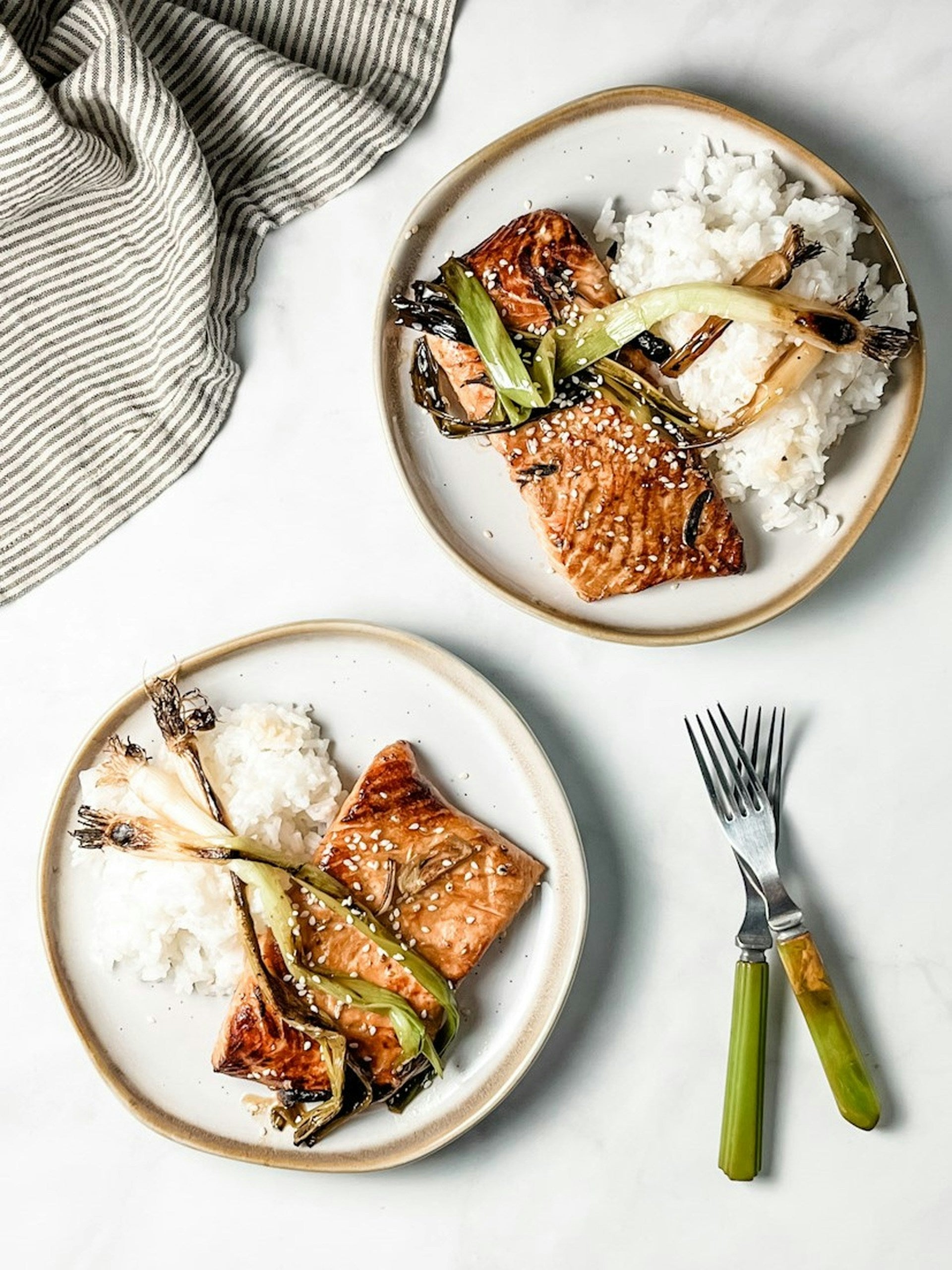
The Fridge Dilemma: How Long Does Cooked Salmon Last
When you've prepared a delightful salmon dish, knowing how to store the leftovers is vital for enjoying your meal safely at a later time. The fridge dilemma many face is determining how long cooked salmon can last before it is no longer safe to consume.
Understanding Food Safety Guidelines
Food safety is paramount when it comes to storing cooked salmon. According to the USDA, cooked fish including salmon should be eaten within 3 to 4 days when stored properly in the refrigerator. This guideline helps prevent foodborne illness by ensuring you consume your salmon while it's still fresh.
For those who enjoy the vintage charm of modern convenience with retro-style fridges or are looking to upgrade their kitchen efficiency, it's important to ensure that the appliance maintains a consistent temperature of 40°F (4°C) or below, which is the safe zone to inhibit bacterial growth.
Factors Affecting the Shelf Life of Cooked Salmon
The longevity of cooked salmon in your fridge can be influenced by several factors:
- Initial Freshness: The shelf life can be extended if the salmon was fresh at the time of cooking.
- Storage Temperature: A fridge set at the correct temperature is crucial.
- Air Exposure: Limiting exposure to air by using airtight containers can help preserve the salmon's quality.
- Cross-Contamination: Proper separation from raw foods and ready-to-eat items reduces the risk of contamination.
Here is a quick reference table for storing cooked salmon:
| Storage Method | Recommended Time |
|---|---|
| Refrigerator (40°F or below) | 3-4 days |
| Freezer (0°F or below) | Up to 6 months |
Remember, these are general guidelines, and you should always use your best judgment, examining the signs of spoiled salmon, before consumption.
By understanding these guidelines and factors, you can make the most of your leftovers and reduce food waste while keeping health and safety as a priority. Whether you have a state-of-the-art French door refrigerator with a freezer or a compact undercounter model, proper storage is key to extending the life of your cooked salmon.
Storing Cooked Salmon
Refrigerator Storage
After savoring a delicious meal of cooked salmon, storing the leftovers properly ensures that you can enjoy it safely for days to come. Refrigerating cooked salmon is a reliable method to prolong its freshness while maintaining its flavor and nutritional value.
To store cooked salmon in the refrigerator:
- Allow the salmon to cool to room temperature. However, avoid leaving it out for more than two hours to prevent bacterial growth.
- Place the salmon in an airtight container or wrap it tightly in aluminum foil or plastic wrap. This helps to prevent the salmon from drying out and absorbing other food odors.
- Label the container with the current date. Cooked salmon should be consumed within 3 to 4 days for the best quality and safety.
By following these steps, you ensure that your cooked salmon remains a delightful option for your upcoming meals. For those interested in combining vintage charm with modern convenience, explore retro fridges that could add character to your kitchen while keeping your salmon fresh at vintage charm modern convenience explore retro fridges today.
| Storage Method | Shelf Life |
|---|---|
| Refrigerated (40°F or below) | 3-4 days |
Freezer Storage
If you want to extend the shelf life of your cooked salmon even further, freezing is an excellent option. Properly frozen salmon can retain its quality for up to six months. Here's how to freeze cooked salmon effectively:
- Cool the cooked salmon to room temperature.
- Wrap the salmon tightly in freezer-safe wrap or place it in a freezer bag, removing as much air as possible.
- Label the freezer bag or container with the current date, so you'll know how long the salmon has been stored.
- Place the salmon in the coldest part of your freezer to ensure it freezes quickly and stays frozen until you're ready to use it.
For those who are optimizing kitchen efficiency, consider reading our complete guide to choosing the ideal top freezer refrigerator at maximizing kitchen efficiency a complete guide to choosing the ideal top freezer refrigerator.
| Storage Method | Shelf Life |
|---|---|
| Frozen (0°F or below) | Up to 6 months |
Remember, when thawing frozen salmon, do so in the refrigerator overnight or by using the defrost setting on your microwave. Avoid leaving it out at room temperature to prevent any potential bacterial growth. When you're ready to reheat the salmon, ensure that it reaches an internal temperature of 145°F to ensure food safety. For more about reheating techniques, visit reheating cooked salmon.
By understanding and implementing the proper storage techniques, you can safely enjoy your cooked salmon for days or even months, making the most out of your meals while minimizing waste. Whether using a refrigerator or freezer, keeping your salmon at the right temperature is key to preserving its quality and safety.
Signs of Spoiled Salmon
When it comes to enjoying cooked salmon, freshness is key. Knowing the signs of spoilage not only helps in preventing foodborne illness but also ensures that you're consuming your salmon when it's at its best. Let's examine the visual cues, smell, and texture that indicate your salmon has passed its prime.
Visual Cues
The appearance of cooked salmon can tell you a lot about its freshness. Fresh salmon has a vibrant color and a glossy sheen. As it begins to spoil, you may notice the following changes:
- Color: Look for any discoloration, such as dullness or grey spots, which can indicate spoilage.
- Surface: If the surface appears slimy or develops a film, this is a telltale sign that the salmon is no longer safe to eat.
If you observe any of these visual cues, it's best to err on the side of caution and discard the salmon.
Smell and Texture
Smell is one of the most reliable indicators of food freshness, and this holds true for cooked salmon as well.
- Odor: Fresh salmon should have a mild, ocean-like scent. A strong, sour, or ammonia-like odor is a clear signal that the salmon is spoiled.
- Texture: Freshly cooked salmon should be flaky and tender. If the fish feels mushy or overly firm, it may have gone bad.
If you're unsure whether your salmon is still good, consider these sensory checks before consumption. Remember that proper storage in your refrigerator or freezer is essential to extend the shelf life of your cooked salmon. For more information on the ideal storage methods, refer to our articles on maximizing kitchen efficiency with the ideal top freezer refrigerator and stylish and functional counter depth refrigerators.
Always prioritize your health and safety by being vigilant about the freshness of your food. If you're ever in doubt, it's better to discard the salmon rather than risk potential food poisoning.
Proper Handling Tips
Implementing proper handling tips for cooked salmon not only ensures safety but also maximizes its shelf life. Whether you're a culinary enthusiast or someone who enjoys the convenience of leftovers, these guidelines will help you enjoy your salmon safely and deliciously.
Safe Preparation Practices
Before you even think about reheating your salmon, it's important to ensure that it was prepared and stored correctly. Always wash your hands thoroughly before and after handling raw salmon to prevent cross-contamination. Use separate cutting boards and utensils for raw and cooked foods. When cooking salmon, ensure it reaches an internal temperature of 145°F to kill any potential bacteria.
After your salmon is cooked, cool it rapidly before storing. Do not leave cooked salmon at room temperature for more than two hours. If you're in a hot environment (above 90°F), that time is reduced to just one hour. Once cooled, store your salmon in a shallow airtight container or wrap it tightly with heavy-duty aluminum foil or plastic wrap. For an in-depth look at refrigerator storage that combines vintage aesthetics with modern functionality, delve into our article on vintage charm modern convenience explore retro fridges today.
Reheating Cooked Salmon
When reheating cooked salmon, the goal is to warm it thoroughly without drying it out or overcooking it. The best way to reheat salmon is to do it slowly and at a low temperature. Preheat your oven or toaster oven to around 275°F and place the salmon in a baking dish with a small amount of liquid (water or broth works well) to keep it moist. Cover the dish with foil and heat for about 15 minutes, or until an internal temperature of 125°F to 130°F is reached.
If you're short on time, you can use the microwave, but be careful to avoid drying out your salmon. Place the salmon on a microwave-safe plate, add a splash of water, and cover it with a lid or a damp paper towel. Microwave on low power in 30-second increments, checking for even heating.
For those looking to minimize additional cooking, eating leftover salmon cold is a tasty and safe option, provided it was stored properly. Add it to salads, sandwiches, or enjoy it as is. However, always ensure the salmon smells and looks fresh before consuming it cold. Learn more about assessing the quality of your stored salmon with our guide on how long does refrigerated pizza stay good, which shares insights on detecting spoilage in leftovers.
Remember, reheated salmon should be consumed in one sitting, as the more times it’s cooled and reheated, the higher the risk of foodborne illness. If you're unsure about reheating or have questions on storage, explore our comprehensive FAQ section about cooked salmon storage for additional tips and best practices.
Extending the Shelf Life
Proper storage and creative repurposing can dramatically extend the shelf life of cooked salmon. By following these guidelines, you'll not only save food from being wasted but also enjoy your delicious salmon in a variety of ways.
Repurposing Leftover Salmon
Leftover salmon doesn't have to be a repeat of last night's dinner. You can transform it into entirely new meals with a few additional ingredients. Consider flaking the salmon and adding it to salads, mixing it into pasta, or creating hearty salmon cakes. These dishes can often be enjoyed cold or quickly reheated, making them perfect for busy days.
To repurpose safely, ensure that your salmon has been stored correctly beforehand. If you've kept it refrigerated at or below 40°F, it should last safely for up to 3 days. Below is a simple table to guide your repurposing efforts based on storage methods:
| Storage Method | Shelf Life |
|---|---|
| Refrigerated | 1-3 days |
| Frozen | Up to 3 months |
For more information on ideal storage conditions, check out our articles on the french door refrigerator with freezer and upgrade your storage discover the best 20 undercounter freezers.
Creative Ways to Use Cooked Salmon
Once you've ensured that your salmon is safe to eat, get creative with how you use it. Here are some inventive ideas:
- Salmon Quiche: Incorporate flaked salmon into a quiche for a protein-packed breakfast or brunch.
- Salmon Spread: Blend leftover salmon with cream cheese and herbs for a delicious spread on crackers or bagels.
- Salmon Fried Rice: Use salmon as the protein in a quick and easy fried rice dish, adding vegetables and soy sauce for flavor.
Salmon is versatile and can be adapted to various cuisines and meal types. Not only does this prevent food waste, but it also allows you to enjoy the rich flavors of salmon in new and exciting ways.
To maintain the best quality of your repurposed salmon dishes, remember to store them properly as well. If you need ideas for refrigerator organization to keep your leftovers in prime condition, be sure to read stay organized and stylish the allure of refrigerator freezer bottoms.
By repurposing your leftover salmon, you can extend its shelf life and enjoy its flavors in new, delightful dishes. Remember to always prioritize food safety when storing and handling cooked salmon to ensure every meal is not only delicious but also safe to consume.
FAQs About Cooked Salmon Storage
Can you freeze cooked salmon?
Yes, you can freeze cooked salmon. Freezing is a practical option to extend its shelf life and enjoy it at a later date. When freezing cooked salmon, ensure it has cooled to room temperature before storing it in airtight containers or freezer-safe bags. It's advised to consume frozen cooked salmon within 3 to 4 months to maintain quality and flavor. For more details on freezer storage and how to properly freeze various foods, you might be interested in our guide on maximizing kitchen efficiency with the ideal top freezer refrigerator.
How to tell if cooked salmon has gone bad?
To determine if cooked salmon is no longer safe to eat, look for visual cues like discoloration or mold growth. The texture of the salmon should be firm; if it feels slimy or excessively mushy, it's a sign of spoilage. The smell is another indicator; fresh salmon has a mild, sea-breeze aroma, while spoiled salmon will have a sour or ammonia-like odor. Trust your senses—if something seems off, it's better to err on the side of caution and discard the fish. For more information on the shelf life of various foods, check out our article on the cold truth about how long refrigerated pizza stays good.
Is it safe to eat leftover salmon cold?
Eating leftover salmon cold is safe as long as it has been stored properly in the refrigerator and consumed within a suitable time frame. Generally, cooked salmon should be eaten within 3 days when stored at a temperature of 40°F (4°C) or below. If you're unsure whether your fridge is maintaining the right temperature, explore our selection of articles like the epitome of elegance with black side by side refrigerators to find the perfect fridge that meets your needs. Always ensure your salmon is properly refrigerated soon after cooking and reheating, and never leave it out at room temperature for extended periods.