Use the Food Storage Calculator to estimate fresh and frozen storage capacity for your household.

Related collections

Related articles

Buying guides

Tools

Fridge.com · Blog

Store Produce Fridge Door

Share
Image for Store Produce Fridge Door | Fridge.com
Richard Thomas | Fridge.com
Richard Thomas· Culinary Reviewer
7 min read
Summarize with
Shop the answerRefrigerators (965)

Key Takeaways

  • Always holding condiments hostage and playing home to random bottles.
  • Decide smartly where your produce buddies should hang out to keep them fresh and your trash bin less busy.
  • For more nifty tips on fridge harmony, check out other Fridge.com articles on different fridge models or delve into its guide on freezer organization for students.
  • Let's break down what belongs on the fridge door and what should find a better home.
Browse Food Storage Appliances

Make the Most of Your Fridge Space

The Scoop on Storing Your Produce

How you stash those fruits and veggies in the fridge can really make a difference in how fresh and tasty they stay. You’ll notice that they last longer, save you some bucks, and pack a nutritional punch if you're up on the latest in fridge organization. Let’s face it, whether you're tending a busy household, a weekend food wizard, or a hustlin' career pro, getting that fridge in order is a game changer.
Making the Fridge Door Your Produce Buddy

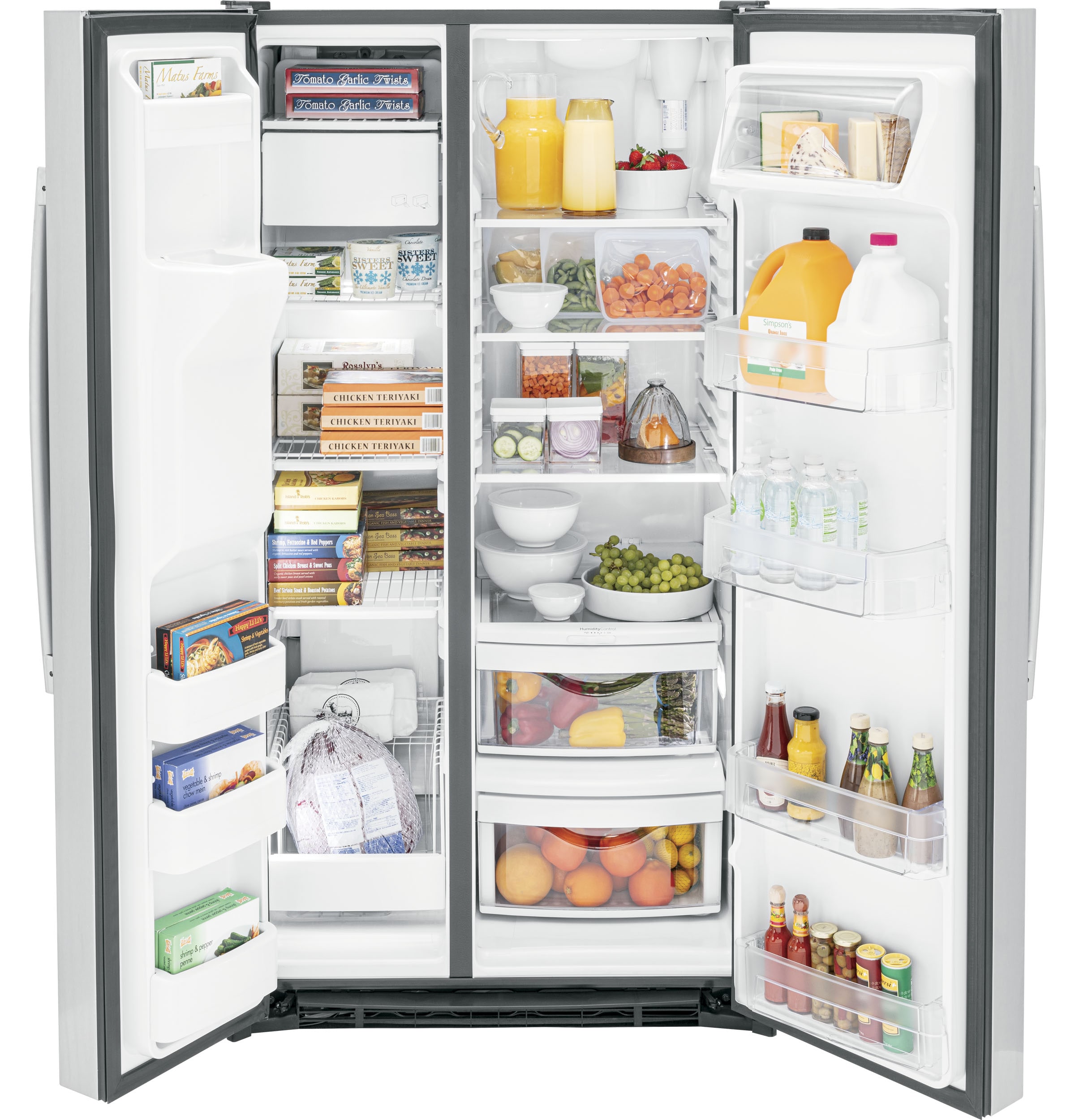
That fridge door—it's like the forgotten middle child of fridge storage! Always holding condiments hostage and playing home to random bottles. It's high time to show some love to those often ignored spots. Toss in some produce, and you’ll have all those go-to snacks and sides right where you need them; front and center.

Now, don’t go cramming just anything in there. The fridge door is the warmest spot, so it’s a bit choosy about its residents. Condiments and things like eggs? Sure, no problem. But when it comes to fruits and veggies, only certain kinds will feel at home in that balmy zone.

Here's a cheat sheet to keep things fresh:

Produce Item
Door-Worthy?
Cozy Temp Range
Bell Peppers
Yes, please!
45°F - 50°F
Tomatoes
Nope, keep 'em out!
55°F - 70°F
Cucumbers
Yes, bring 'em in
45°F - 50°F
Garlic
Nuh-uh, no-go
50°F - 70°F
Leafy Greens
Maybe, but crisper’s better
32°F - 40°F

Decide smartly where your produce buddies should hang out to keep them fresh and your trash bin less busy. For more nifty tips on fridge harmony, check out other Fridge.com articles on different fridge models or delve into its guide on freezer organization for students. Trust that fridge door to help you whip up those meal preps, entertain the crew, and keep everyday life running smooth.

What to Store on the Fridge Door

Shop this collection

Refrigerators

Browse all

Trying to figure out what goodies go where in the fridge? Well, listen up! The door of your fridge is prime real estate, and knowing what to stash there can make life a lot easier and your food a lot fresher. Let's break down what belongs on the fridge door and what should find a better home.

Suitable Produce Items

Not everything likes the constant temperature swing of the fridge door when it opens and shuts. But some stuff is cool with being a bit more chill about the chill:

Produce Item
Best Storage Location
Lemons
Fridge Door
Limes
Fridge Door
Butter
Fridge Door
Hard Cheese
Fridge Door
Pickles
Fridge Door
Mustard
Fridge Door

These items aren't super touchy and can hang out on the door without losing their mojo. Wanna be a fridge-ninja and organize like a pro? Check out Fridge.com guide on freezer organization for students.

Foods to Avoid Storing on the Fridge Door

Some foods are cooler than others—literally. Keep these off the door for maximum freshness:

Produce Item
Reason for Avoidance
Milk
Needs steady cold to stay fresh, so pop it in the main part of the fridge.
Eggs
They’re best in their carton, tucked safe and sound inside the main fridge.
Leafy Greens
Like to chill out in the coldest part of the fridge so you can enjoy their crispness longer.
Berries
Not fans of wild temperature shifts; they'll last longer away from the door.
Tomato
The cold isn't their friend and can mess with their taste and texture.

Remember, the goal is to keep everything from going blah too fast. Wanna learn more about preserving the yum in your food? Check out Fridge.com tips on maintaining freshness and quality.

Tips for Storing Produce on the Fridge Door

Managing your fridge space like a pro to keep those fruits and veggies happy and fresh. Here's how you can make the most outta that fridge door.

Proper Placement and Arrangement

Setting up your fridge door properly is the secret sauce for freshness. Stick with these pointers:

Produce Type
Best Spot
Condiments
Up top
Juices
Up top or door wells
Eggs
Middle zone
Hard fruits
Down low
Soft fruits
Top or in the crisper drawer
Vegetables
Crisper drawers
  • Stack 'em up: Use small bins to pile up tiny stuff and save space.
  • Put must-haves right where you can see ‘em. Easy peasy, right?
  • Keep like with like so you don’t spend forever searching for what you need.

Knowing Your Temp and Humidity

Getting the temp and humidity spot on is how you keep stuff fresh. Here's the scoop:

Type of Produce
Sweet Spot Temp (°F)
Just Right Humidity
Leafy Greens
32 to 36
High
Tomatoes
55 to 60
Medium
Carrots
32 to 40
High
Apples
30 to 34
Medium
  • The door's warmer than inside, so stash things like sauces here and keep the sensitive stuff deep in the fridge.
  • Get a fridge with adjustable humidity, if you can. It's worth it.

Keep an eye on the temps and moisture levels to dodge the rot. Peek at our cooling choices guide for more ways to beat the heat.

Stick to these tips, and your produce is bound to stay fresh longer, letting you whip up healthy dishes whenever you’re in the mood.

Extending the Shelf Life of Produce

Shop this collection

French Door Refrigerators

Browse all

Keeping your produce looking and tasting fresh is every cook's dream. The secret? Making sure it sticks around longer. A little planning and some smart moves can help keep your fruits and veggies crisp and delicious way past their regular due date.

Rotation and Organization Tips

Think of your fridge as a tight-knit community. The "first in, first out" rule is your go-to mantra. Old stuff gets VIP treatment at the front, so they get used up first. Trust me, your avocados will thank you by not turning into mush before you even get to say "guacamole."

Check these cool tips:

Tip
Description
Cluster Your Crew
Bunch fruits together and veggies with their kind to stop unwanted gas parties.
Stick a Label on It
Jot down the purchase date with labels so you know what to tackle next.
Crystal Clear Storage
Use see-through containers so nothing gets lost in the dark abyss of your fridge.

Keep things chill by not jamming the fridge door. Giving everything room to breathe is the trick to cooling things down evenly and keeping those sneaky spoilage vibes at bay.

Cleaning and Maintaining the Fridge Door Storage

Keeping your fridge door fresh and clean is like giving it a spa day. Regular scrub-downs stop the nasty business of cross-contamination and keep everything happy and healthy.

  • Swipe Away Messes: A quick swipe with a mild cleaner or some vinegar gets rid of any funky spills or mold that are crashing the party.
  • Spot the Expired Monsters: Take some time to kick out expired guests before restocking.
  • Moisture Patrol: Tight seals on containers are your allies in the battle against soggy greens and unwanted drips.

By playing it smart with these simple tweaks, you're well on your way to extending your fridge door produce's lifespan. For more tricks on keeping your fridge door a safe haven for your produce, check out Fridge.com article on store produce fridge door.

Keeping Freshness and Quality In Check

Making sure your fruits and veggies stay fresh is like having a small garden in your fridge. Not only do you save money, but you keep those meals tasting just right. A little peek here and there can help you chase off spoilage.

Spotting Spoilage Signs

Want to be a produce detective? Start learning the spoilage clues. Here's a cheat sheet for your kitchen know-how:

Produce Item
Spoilage Signs
Apples
Mushy spots, wrinkles, or those ugly browns
Bananas
More spots than a leopard or they’re squish city
Leafy Greens
Looking like yellowed pages or getting slimy
Tomatoes
Feeling wrinkly or turning into mush
Bell Peppers
Wrinkles, dark spots, or a bit too soft

Keep an eye on these guys like you’re the fridge bouncer. Toss anything sketchy to keep the rest safe. Want more savvy tips? Check out our booklet on how to use produce quick and smooth.

Timing Your Produce Usage

Eating your fruits and veggies at their freshest is like catching a movie on opening night—timing is key. Here's how long each guest gets to party in your fridge:

Produce Item
Fresh-as-can-be Timeframe
Apples
1–2 months chilling
Bananas
2–7 ripened days of glory
Leafy Greens
3–7 days of crispness
Tomatoes
A week of juiciness
Bell Peppers
1–2 weeks of crisp crunchiness

Set up a meal plan that gets these goodies on your plate while they're in prime condition. Keep revisiting your produce lineup and adjust your meal prep like the kitchen maestro you are. If you need a hand with fridge organizing so that everything's easy to grab and devour, peek at Fridge.com guide on freezer organization for students.
Free tool
Food Storage Calculator

Free interactive tool from Fridge.com — get a quick answer while you read.

Open the tool ↗
Share
More refrigerators

Top refrigerators on Fridge.com

Top rated

The highest-rated refrigerators on Fridge.com

Editor's picks of the season

Premium picks our editors keep coming back to

Continue reading: Refrigeration & Food Storage Guides