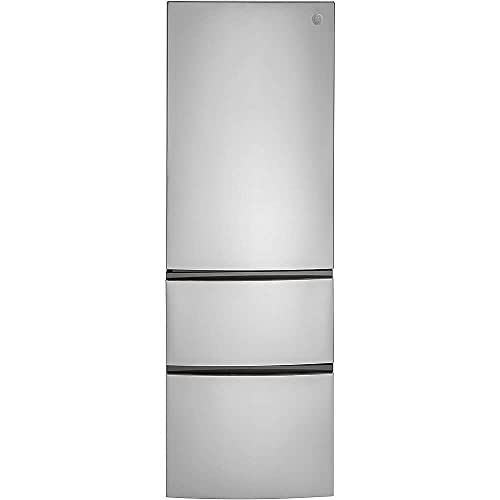
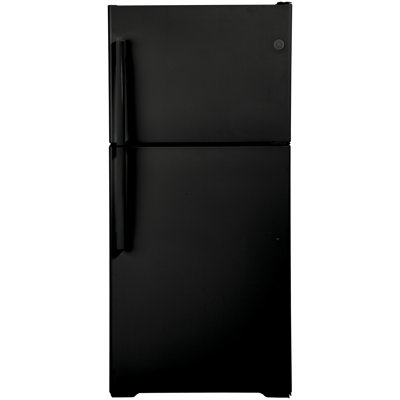
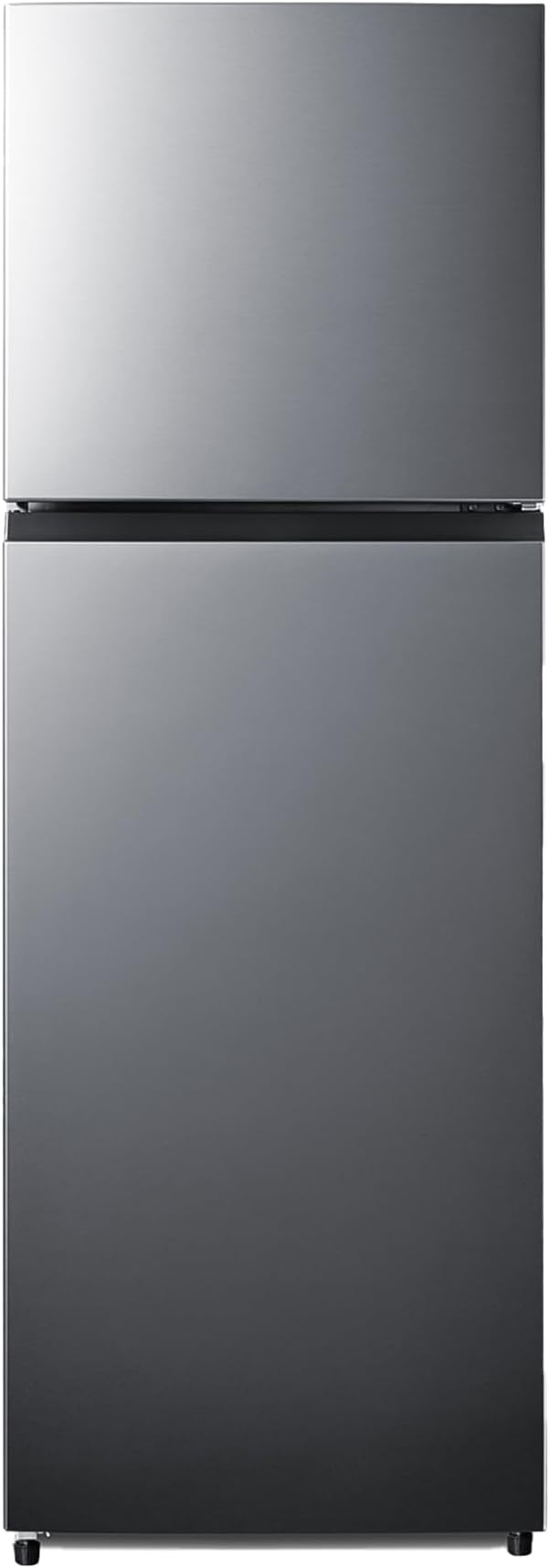
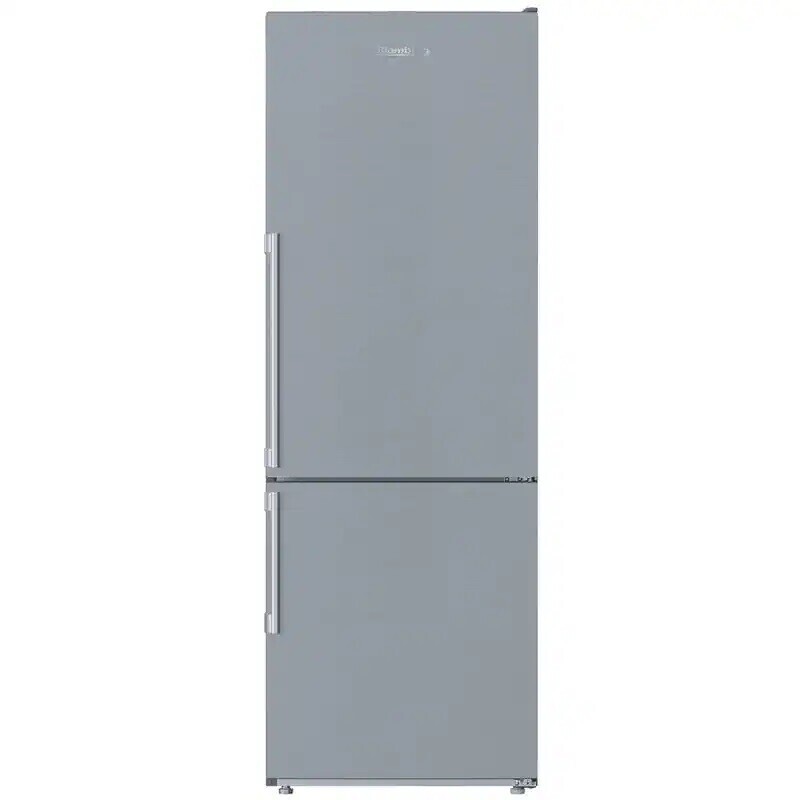
Small Meat Fridge: A Handy Solution for Your Kitchen
Introduction to Small Meat Fridges
A small meat fridge is like having a secret weapon in your kitchen arsenal, especially if you're the type who loves whipping up delicious meals or hosting epic dinner parties. This nifty little appliance is all about keeping your meats fresh and tasty, stored at just the right temperature. Whether you're a home cook, a social media foodie, or a pro chef, having a dedicated spot for your meats can seriously up your cooking game.
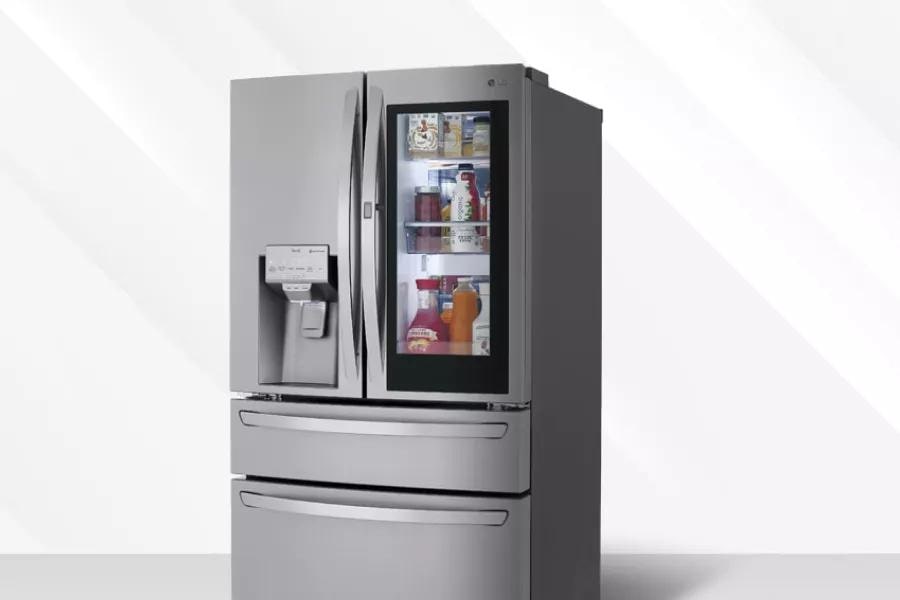
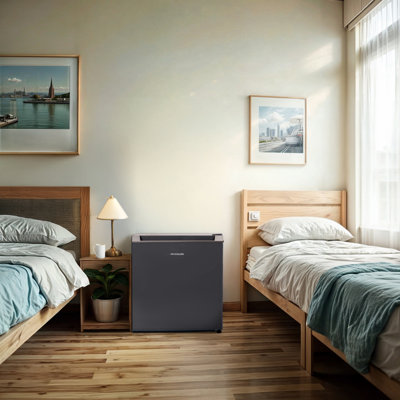
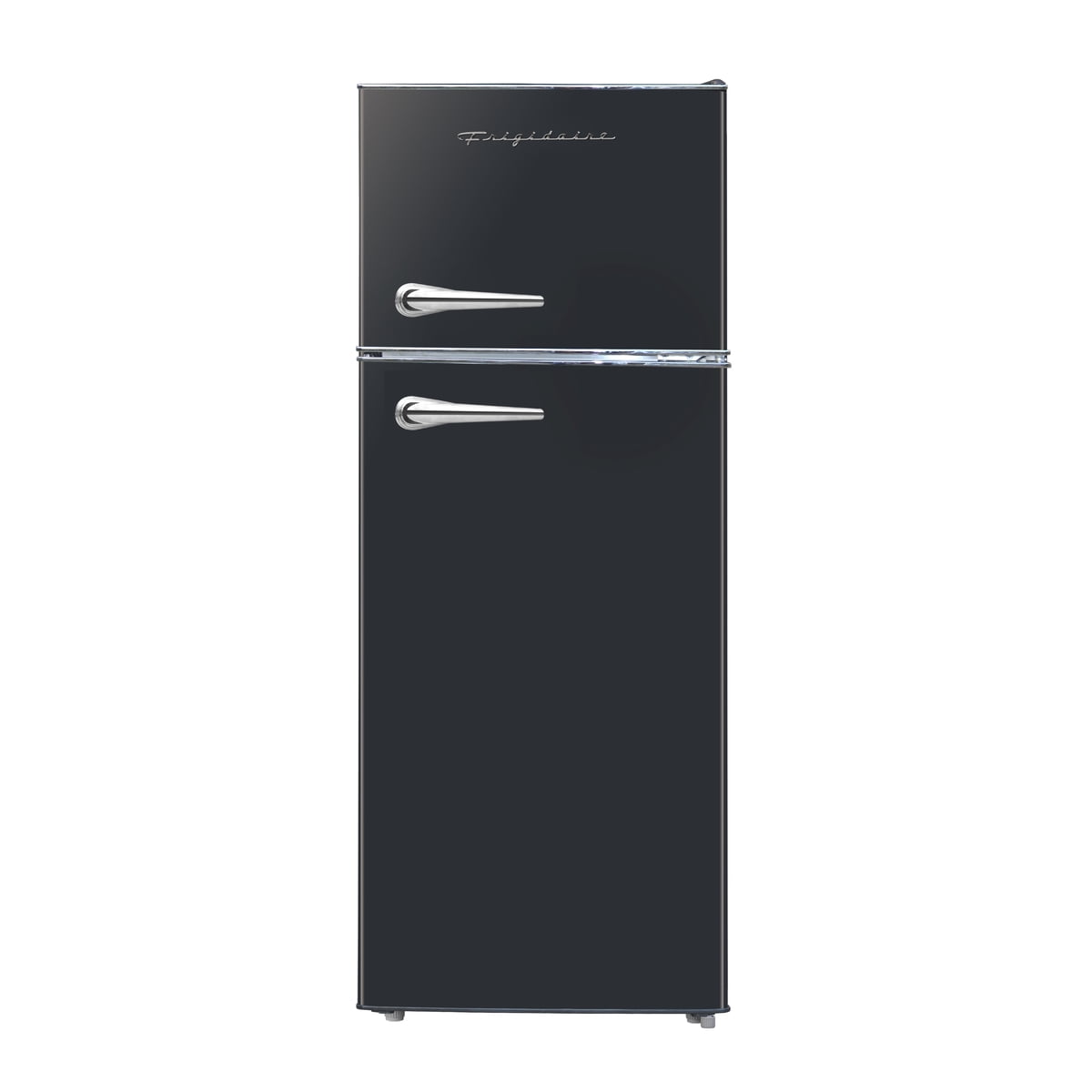
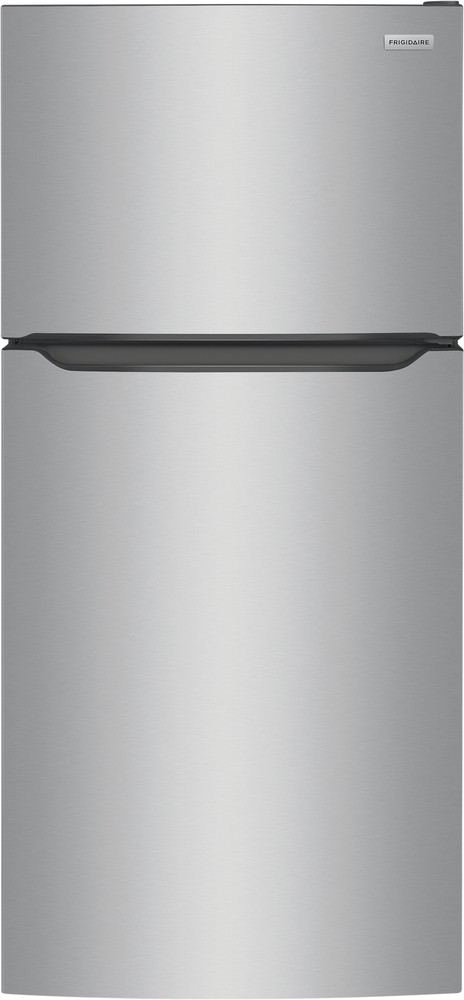
These fridges come in all sorts of shapes and sizes, so there's one to fit every kitchen setup. You can tuck them away in a pantry, garage, or right in your kitchen, making it super easy to grab your favorite cuts whenever you need them.
Benefits of Having a Small Meat Fridge
Getting yourself a small meat fridge is like leveling up your food storage skills. Here’s why it’s a game-changer:
| Benefit | Description |
|---|---|
| Enhanced Freshness | This fridge keeps your meats at a steady chill, so they stay tasty and fresh. No more worrying about funky flavors! |
| Convenient Storage | With a special spot just for meats, you can find what you need without digging through a mountain of groceries. |
| Reduced Odor Transfer | Keeping meat separate means your kitchen won’t smell like a butcher shop, and other foods stay odor-free. |
| Improved Food Safety | You can keep a close eye on the temperature, cutting down the chances of spoilage and those nasty food bugs. |
| Meal Prep Efficiency | Store your prepped meats and make meal planning a breeze, so you can cook up a storm all week long. |
Adding a small meat fridge to your kitchen setup means you get all these perks while keeping your meats safe and sound. Want more tips on organizing your kitchen? Check out our article on how to pack a built-in refrigerator.
Factors to Consider Before Buying
So, you're on the hunt for a small meat fridge, huh? Well, before you whip out that credit card, let's chat about a few things that'll help you snag the perfect one for your needs. Here's what you gotta think about:
Size and Capacity
First up, size matters. You don't want a fridge that's too big for your space or too small for your meat stash. Think about how much meat you usually buy and how often you hit the store.
| Size Category | Dimensions (inches) | Capacity (cubic feet) |
|---|---|---|
| Compact | 24 x 24 | 3 - 5 |
| Standard | 30 x 30 | 5 - 8 |
| Large | 36 x 36 | 8 - 12 |
Grab a tape measure and check your space before you buy. Trust me, it'll save you a headache later.
Temperature Control and Settings
Next, let's talk about keeping your meat fresh and tasty. You need a fridge with adjustable temperature settings. This way, you can keep your steaks and chicken at just the right chill.
| Temperature Range | Ideal for |
|---|---|
| 28°F to 32°F | Fresh meat storage |
| 32°F to 40°F | Cooked meat and leftovers |
| Below 0°F | Frozen meat |
A good thermostat is your best friend here. It'll help you keep everything at the perfect temp.
Energy Efficiency
Last but not least, think about energy efficiency. A fridge that doesn't guzzle electricity is good for your wallet and the planet. Look for that Energy Star label—it means the fridge is a lean, green, energy-saving machine.
| Energy Efficiency Rating | Estimated Annual Cost |
|---|---|
| Energy Star | $30 - $50 |
| Non-Energy Star | $50 - $100 |
Picking an energy-efficient fridge is a win-win: you save money and help the environment.
So, there you have it—size, temperature control, and energy efficiency. Keep these in mind, and you'll be all set to pick the best small meat fridge for your kitchen. And hey, if you need some tips on organizing that fridge, check out our article on how to pack a built-in refrigerator.
Organizing Your Small Meat Fridge
Keeping your small meat fridge tidy is key to making sure your meats stay fresh and easy to find. Here’s how you can store different meats and keep them in top shape.
Proper Storage of Different Types of Meat
Different meats need their own special care to stay fresh and safe. Here’s a quick rundown on how to stash various meats in your small fridge:
| Meat Type | Storage Method | Recommended Temperature |
|---|---|---|
| Beef | Wrap snugly in plastic wrap or foil | 32°F to 36°F |
| Pork | Pop it in an airtight container | 32°F to 36°F |
| Poultry | Keep in original packaging or airtight | 28°F to 32°F |
| Fish | Lay in a shallow dish with ice on top | 28°F to 32°F |
| Ground Meat | Use airtight containers or freezer bags | 28°F to 32°F |
Don’t forget to slap a date on each package so you know how fresh it is. For more fridge-packing wisdom, check out our article on how to pack a built in refrigerator.
Tips for Maintaining Freshness
To keep your meat fresh as a daisy, try these tips:
-
Temperature Control: Make sure your fridge is set to the right temp for the meat you’re storing. Keep an eye on it with a thermometer.
-
Avoid Overcrowding: Give your meat some breathing room. Cramming it all in can mess with the cooling and lead to spoilage.
-
Use Airtight Containers: Store meat in airtight containers or vacuum-sealed bags to keep air out, which can cause freezer burn and spoilage.
-
Keep It Clean: Clean your fridge regularly to avoid cross-contamination. A mix of water and vinegar makes a great natural cleaner. For more cleaning tips, visit our article on how to deep clean refrigerator.


-
Check Expiration Dates: Keep an eye on expiration dates and use the oldest stuff first to cut down on waste.
By sticking to these storage methods and freshness tips, you can make the most of your small meat fridge and enjoy your meats at their best.
Cleaning and Maintenance
Keeping your small meat fridge spick and span is key to making sure your food stays safe and your fridge runs like a champ. Here’s how you can keep it in tip-top shape and tackle any hiccups that might pop up.
Regular Cleaning Routine
Getting into the groove of cleaning your small meat fridge regularly will keep those funky smells and pesky germs at bay. Here’s your go-to guide for a squeaky-clean fridge:
- Empty the Fridge: Take everything out—meat, veggies, the whole shebang.
- Clean Shelves and Drawers: Grab some warm water and a bit of mild soap to wipe down the shelves and drawers. Steer clear of harsh stuff that might leave a nasty residue.
- Sanitize: Once you’re done cleaning, mix a tablespoon of bleach with a gallon of water to sanitize everything. Rinse it off with clean water and dry it up nicely.
- Check for Expired Items: Chuck out anything that’s past its prime to keep things fresh.
- Wipe Down the Exterior: Don’t forget the outside! Give the door handles and any other spots a good wipe.
| Cleaning Task | How Often? |
|---|---|
| Empty and clean shelves | Every 1-2 weeks |
| Sanitize surfaces | Monthly |
| Check for expired items | Weekly |
| Wipe exterior | Weekly |
Troubleshooting Common Issues
If your small meat fridge starts acting up, here’s a quick fix-it guide for some usual suspects:
| Problem | What’s Up? | Fix It |
|---|---|---|
| Fridge not cooling | Vents blocked or dirty coils | Clean those coils and make sure vents are open |
| Too much frost | Door not sealing or opened too often | Check the seals and try to keep the door shut |
| Bad smells | Spoiled food or spills | Clean it out and toss any bad stuff |
| Noisy fridge | Loose bits or compressor trouble | Tighten things up or call in a pro |
For more handy tips on keeping your fridge in shape, check out our article on how to deep clean refrigerator. Keeping your small meat fridge clean and fixing issues pronto will make sure it’s your trusty kitchen buddy for years to come.
Maximizing the Use of Your Small Meat Fridge
A small meat fridge can be a real lifesaver in your kitchen, especially when it comes to planning meals and storing food efficiently. Here are some handy tips to help you get the most out of your small meat fridge.
Meal Planning and Prepping
Getting your meal planning game on point is key to making the most of your small meat fridge. By organizing your meals ahead of time, you can make sure you're using your meat wisely and cutting down on waste. Here's how to get started:
- Create a Weekly Menu: Plan out your meals for the week, including the types of meat you'll be using. This way, you only buy what you need and avoid overstocking.
- Batch Cooking: Cook larger portions and stash them in your fridge. This saves you time and helps with portion control, so you're not eating a whole roast chicken by yourself.
- Labeling: Slap some labels on your meat packages with the date and type of meat. This keeps things fresh and avoids the "what's this mystery meat?" game.
| Day | Meal | Meat Type | Quantity |
|---|---|---|---|
| Monday | Stir-fry | Chicken | 1 lb |
| Tuesday | Tacos | Ground Beef | 1 lb |
| Wednesday | Grilled | Salmon | 2 fillets |
| Thursday | Soup | Turkey | 1 lb |
| Friday | BBQ | Pork Chops | 2 chops |
Utilizing Freezer Space Effectively
Your small meat fridge probably has a freezer section that can be a real hero for storing meat long-term. Here's how to make the most of that space:
- Freeze in Portions: Break down meat into meal-sized portions before freezing. This way, you only thaw what you need, avoiding the "oops, I defrosted too much" scenario.
- Use Airtight Containers: Keep your meat in airtight containers or vacuum-sealed bags to dodge freezer burn and keep it fresh.
- Organize by Type: Group similar types of meat together in the freezer. This makes it a breeze to find what you're looking for without digging through a frozen jungle.
| Meat Type | Recommended Freezing Time |
|---|---|
| Chicken | 9 months |
| Beef | 12 months |
| Pork | 6 months |
| Fish | 6 months |
By following these tips, you can make sure your small meat fridge is working its magic to the fullest. For more advice on keeping things fresh, check out our article on how to pack a built-in refrigerator.