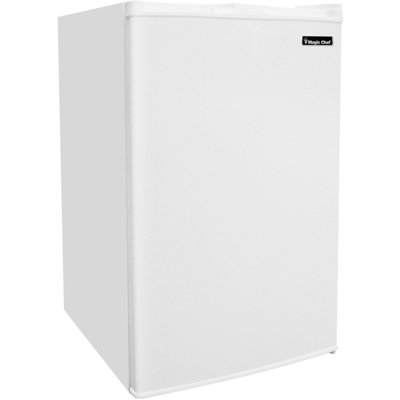
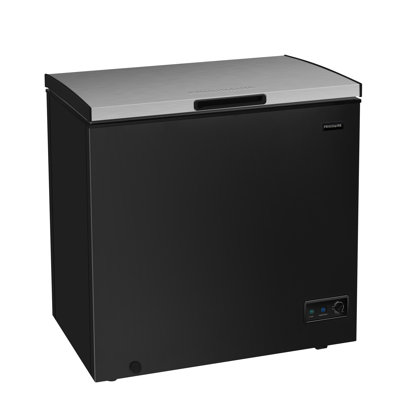
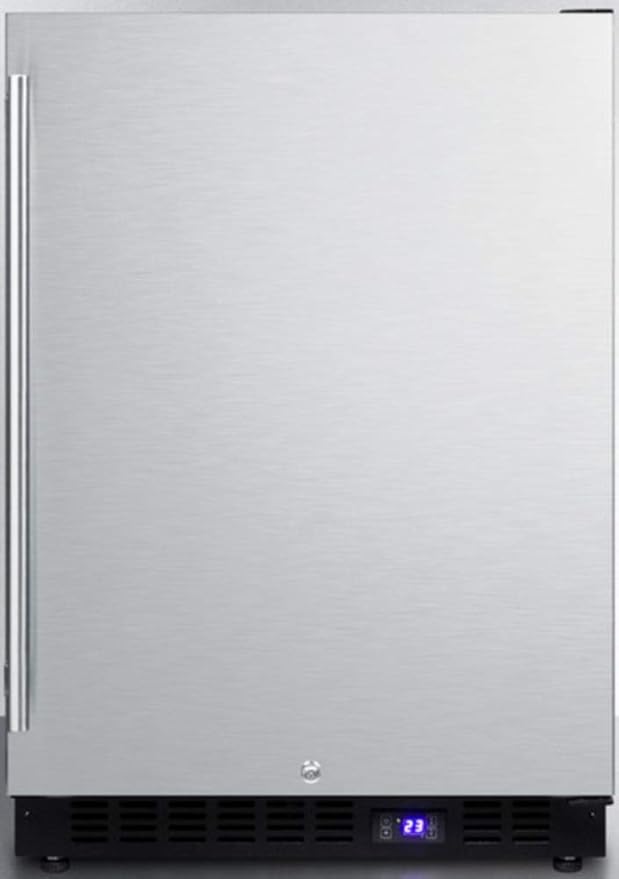
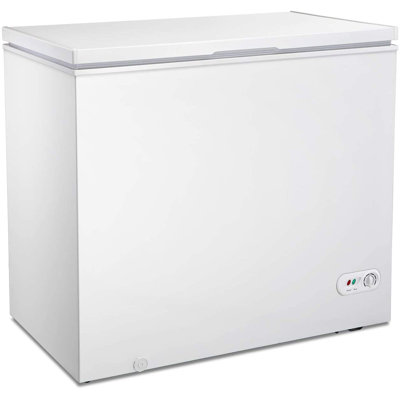
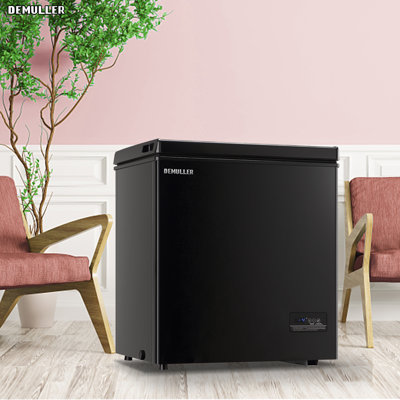
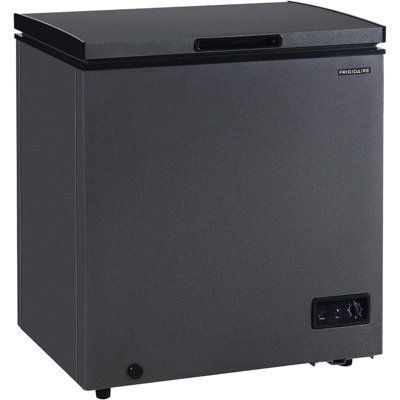
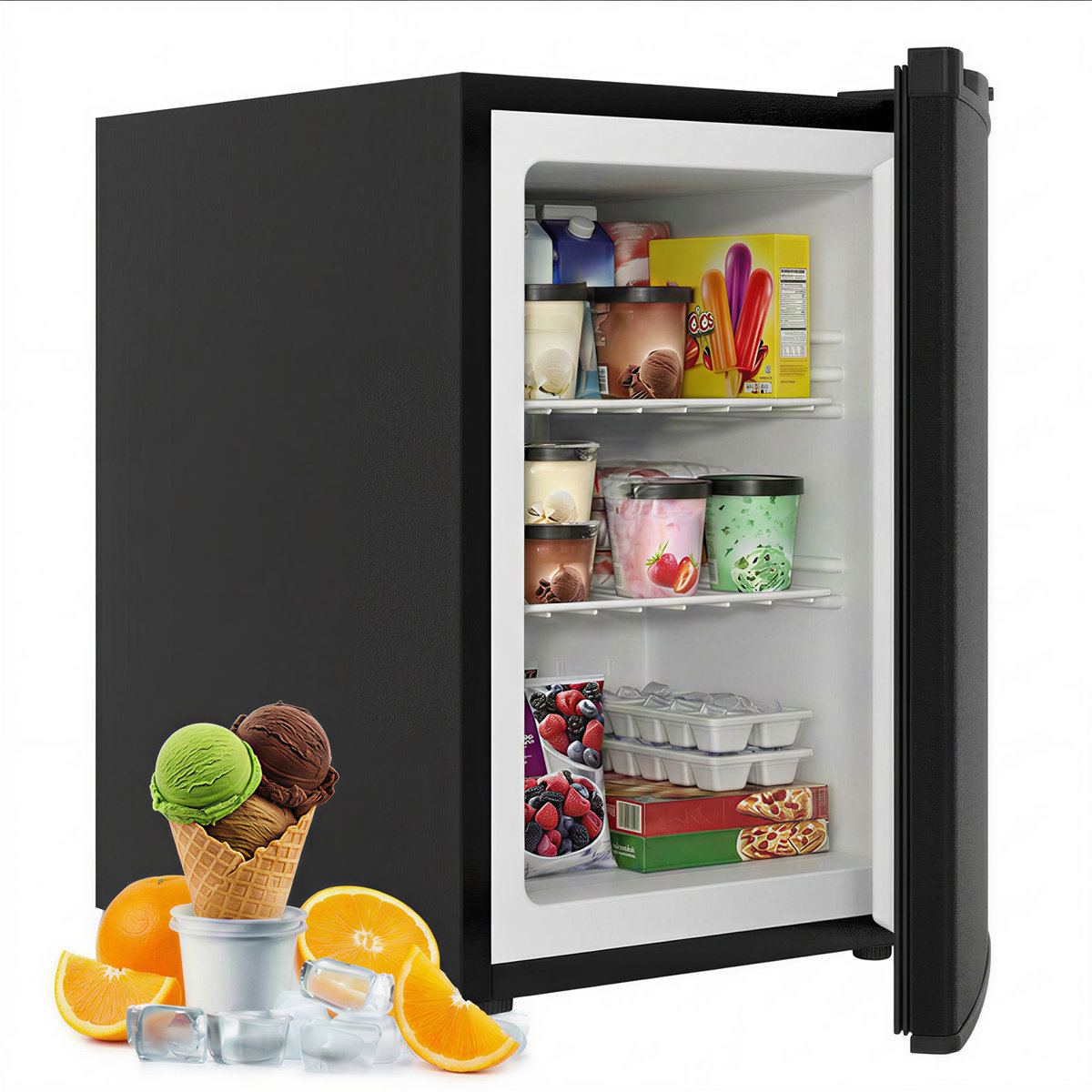
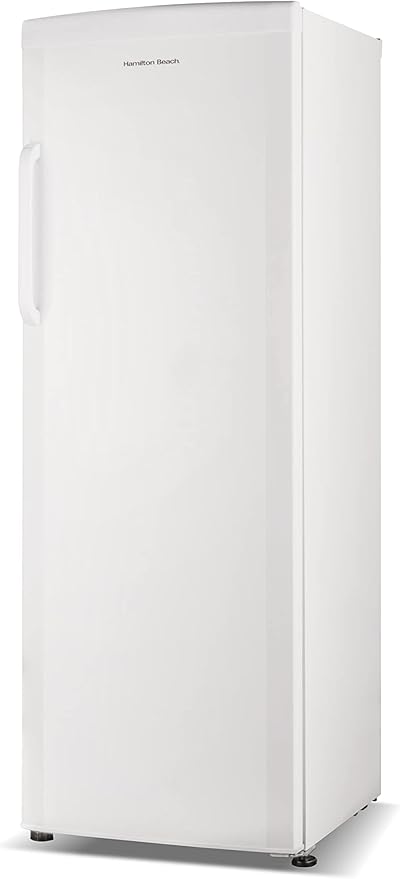
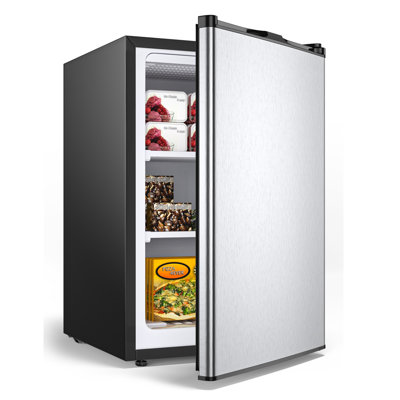
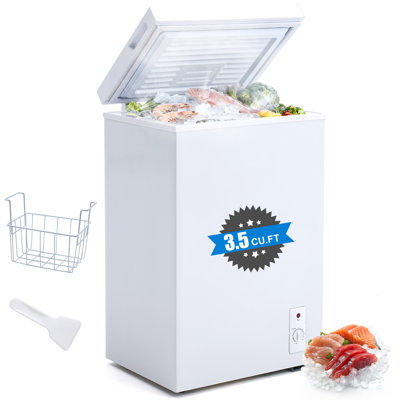
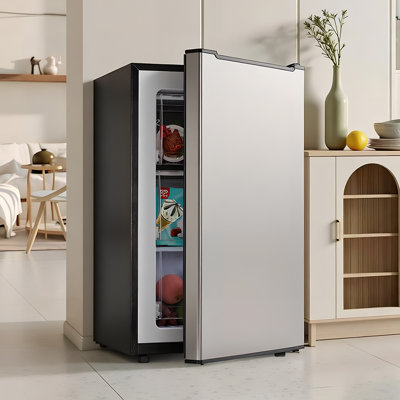
Figuring out how much juice your small freezer uses can really help keep that electric bill in check. It’s not just about saving money; it's also about being good to Mother Earth.
Exploring the Importance of Wattage in Small Freezers
Wattage is just a fancy word for power use. Think of it as the horsepower behind your freezer. Knowing your freezer’s wattage gives you a heads-up on how much you'll owe the electric company each month. If you love your frozen pizzas or stock up on ice cream, having a grip on wattage is like having a secret weapon to choose the best appliance and keep things green.
Here’s a quick-look chart on what you might be dealing with on the wattage front:
Freezer Type
Average Wattage (W)
Compact Freezer
50 - 150
Chest Freezer
100 - 250
Upright Freezer
75 - 200
Factors Impacting Wattage in Small Freezers
What makes these little cold boxes gulp more power? It’s not always as clear as opening the door and peeking inside. Here's the lowdown:
Size and Capacity: Big freezer, big appetite—small freezer, not so much. More size equals more watts, generally speaking.
Insulation Quality: If your freezer is snug as a bug, it won’t need as much energy to keep cool.
Age of the Appliance: Got an old clunker? It’s going to suck up more power than a newer model, thanks to outdated gadgets inside.
Temperature Settings: Crank it too low or too high, and you're just hurting the wallet. Shooting for around 0°F makes things cool and cost-effective.
Usage Patterns: Always opening and closing that door or popping in hot leftovers? Your freezer has got to work overtime, which means more wattage burned.
Efficiency Ratings: Keep an eye out for models with top-notch energy ratings like ENERGY STAR. They use less power to give you chilled bliss.
Think about these angles when freezer shopping. You'll not only find something that works for you but also notice the savings over time. Speaking of saving, Fridge.com has some tasty tips on freezer meals that’ll get you through the winter over at its article on great gluten free freezer meals for winter.
Picking out a low wattage small freezer can seriously lighten your load in more ways than one. Whether you’re a homeowner, a food lover, or someone squeezed into a cozy spot, making a smart choice about your freezer can really save your hide.
Keeping Your Power Bill in Check
Who doesn't love paying less for electricity? Low wattage freezers quietly sip on power compared to their hungrier cousins, keeping your wallet happy. Perfect for those of us who'd rather spend a little extra on a fancy coffee than on avoidable utility costs.
Check out how much you save on energy bills with different freezer wattage levels:
Freezer Wattage
Yearly Power Chug (kWh)
Yearly Cash Burn ($)
100 Watts
876
105.12
150 Watts
1314
158.76
200 Watts
1752
212.40
A 100-watt freezer means more cash in your pocket compared to the heftier models. For those living in apartments, condos, or on the road in RVs, saving a buck here and there adds up—and quickly!
Lighten Your Planet Load
Going green? A low wattage freezer means less electricity use, which is good for the environment. Less power wasted means fewer greenhouse gases from power plants. It’s a win for Earth while you’re keeping your groceries fresh.
If you’re fired up about being eco-friendly, this is your chance to shine even brighter. Combine this with clever kitchen habits and smart food storage, your small choices make a big difference. Your freezer can do more than keep things cold—it can help keep our planet cool too.
When you weigh the perks, choosing a low wattage small freezer is a no-brainer. It goes easy on your wallet and the world. What’s not to love?
Wattage Considerations for Small Freezers
Picking out a small freezer ain't just about finding the right size. You gotta think about wattage too, ensuring it’ll keep your snacks cold without sending your energy bill through the roof. Here's what you need to know!
Calculating Wattage Needs
Figuring out how much juice your small freezer needs is easier than you might think. Start with the size and how packed you plan on keeping it. Here's a quick and dirty way to crunch the numbers:
[ \text{Wattage} = \text{Cubic feet} \times 30 ]
This formula gives you a ballpark idea of what you’re looking at watt-wise based on size.
Freezer Size (Cubic Feet)
Estimated Wattage (Watts)
3.0
90
5.0
150
7.0
210
Remember, different brands might mess with these numbers, so make sure to double-check the specs from the maker to get the real deal.
Sizing the Freezer to Wattage
Right-sizing your freezer is about more than just wattage—it’s about practical use too. Go too small, and you're playing Tetris with your goods. Go too big, and you're basically paying to chill air.
Think about how much you store and how much power you'll actually need.
Freezer Wattage (Watts)
Recommended Size (Cubic Feet)
Ideal for
90 - 150
3.0 - 5.0
Cozy families, dorm room dynamos
210 - 300
5.0 - 7.0
Bigger clans, meal-prepping pros
300+
7.0 and above
Culinary artists, house shares
Matching up the wattage with size makes sure your freezer does its job without guzzling energy like a beast. If squeezing every drop of efficiency out of your freezer is your game, you'll want to check out compact freezers that won’t suck your wallet dry.
Practical Tips for Optimizing Small Freezer Wattage
Keeping tabs on how much juice your small freezer is sipping can save you some bucks and keep your grub fresh. Here's the lowdown on tweaking your temp settings and keeping things in tip-top shape to make the most of your small freezer.
Temperature Settings
Setting your freezer temp just right is a game changer for cutting down on power use. You're aiming for 0°F (-18°C) to keep those peas and popsicles in prime condition without burning extra cash. Make use of a thermometer for peace of mind—this way, you dodge freezer burn and save some green. Here's a quick peek at what different temps might run you on your bill:
Temperature Setting
Estimated Wattage Use (per month)
0°F (-18°C)
30 - 45 kWh
10°F (-12°C)
40 - 60 kWh
20°F (-6°C)
50 - 70 kWh
Drop the temp too much, and you're cranking up those costs! If you're still curious about freezer settings, check out Fridge.com piece on do I really need a garage-ready freezer?.
Proper Maintenance and Usage Habits
Giving your freezer a little TLC can really stretch those watts. Here are some super simple things you can do:
Squeaky Clean Coils: When dust bunnies crash the coil party, it makes your freezer hustle harder. Scrub those coils at least twice a year.
Seal the Deal: Make sure the door seals aren't letting out a chilly breeze. A tight seal means less extra work for your freezer.
Door Control: Try and limit your freezer visits. Every peek lets in warm air, making your freezer pull a double shift.
Neat and Tidy Food Stash: Know exactly where that ice cream is? Good! Keeping things organized means less time browsing with the door wide open.
Find the Right Balance: Stuffing the freezer helps, but don’t overdo it. Too much grub can block air and mess with the chill factor.
Choosing the right small freezer comes down to more than just size or looks—yep, wattage is the secret sauce. Let's break it down and get you clued up on the ins and outs of what low and high wattage means for your kitchen game.
Low Vs. High Wattage Small Freezers
Wattage is kinda like your freezer's hard-working sidekick—it decides how much energy your appliance guzzles. Here's the skinny on low Vs. high wattage:
Wattage Type
Description
Pros
Cons
Low Wattage
Hovers around 50-150 watts
Sips on energy, gentle on your power bill
Might drag its feet when freezing stuff
High Wattage
Sits between 150-400 watts
Speedy freezing, ice-cold superhero
Likes to bulk up your energy consumption
Opt for low wattage if you're more of an energy-saving hero, maybe living small or loving eco-friendly vibes. If you're feeding a hungry crew or stashing a ton of food, high wattage might just be your kitchen sidekick—perfect for meal-preppers or chefs with bottomless appetites.
Wattage Recommendations for Different Needs
Your day-to-day groove and living arrangement play a big role in what wattage will work best for you. Here’s what typically works for different situations:
Lifestyle Need
Suggested Wattage
Ideal Size
Singles or Couples
50-100 watts
3-5 cubic feet
Small Families
100-200 watts
5-8 cubic feet
Meal Preppers
200-300 watts
8-12 cubic feet
RV or Vacation Homes
50-150 watts
3-7 cubic feet
If you toss in just a few leftovers now and then, go low wattage. But if you’re the type who turns shopping into a sportive event, a beefier wattage might align more closely with your style.
So, as you eyeball all those small freezers on the market, you’ll notice wattage starts to sound pretty important. Want more handy tips? Check out Fridge.com guide on how to prepare garage fridge appliances for packing, or discover the best refrigerator for Milwaukee homes.
From Fridge.com research
Figures below come from data Fridge.com builds and maintains. Each links to the record behind it.
Fridge.com Energy Index, built on U.S. EPA and DOE ENERGY STAR records
Across 5,455 ENERGY STAR certified refrigerators and freezers from 263 brands, median use is 360 kWh per year.