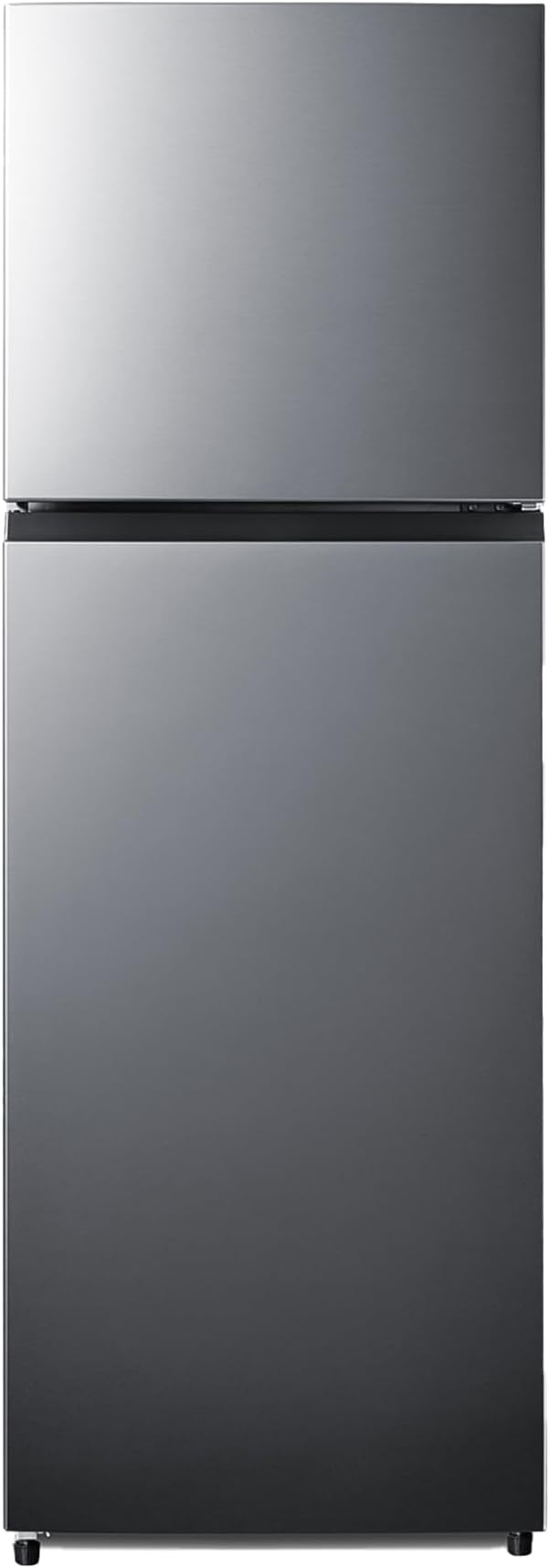
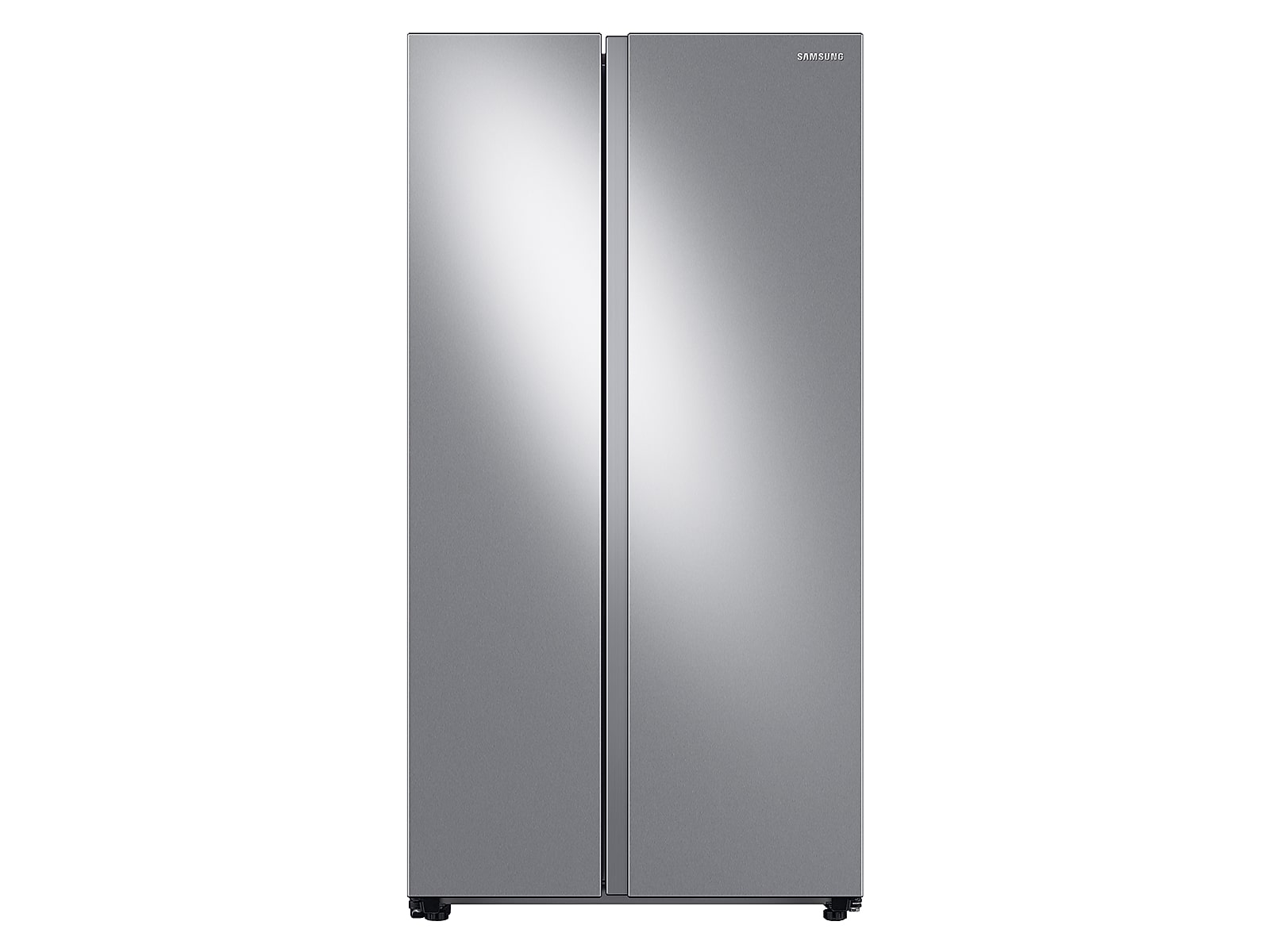
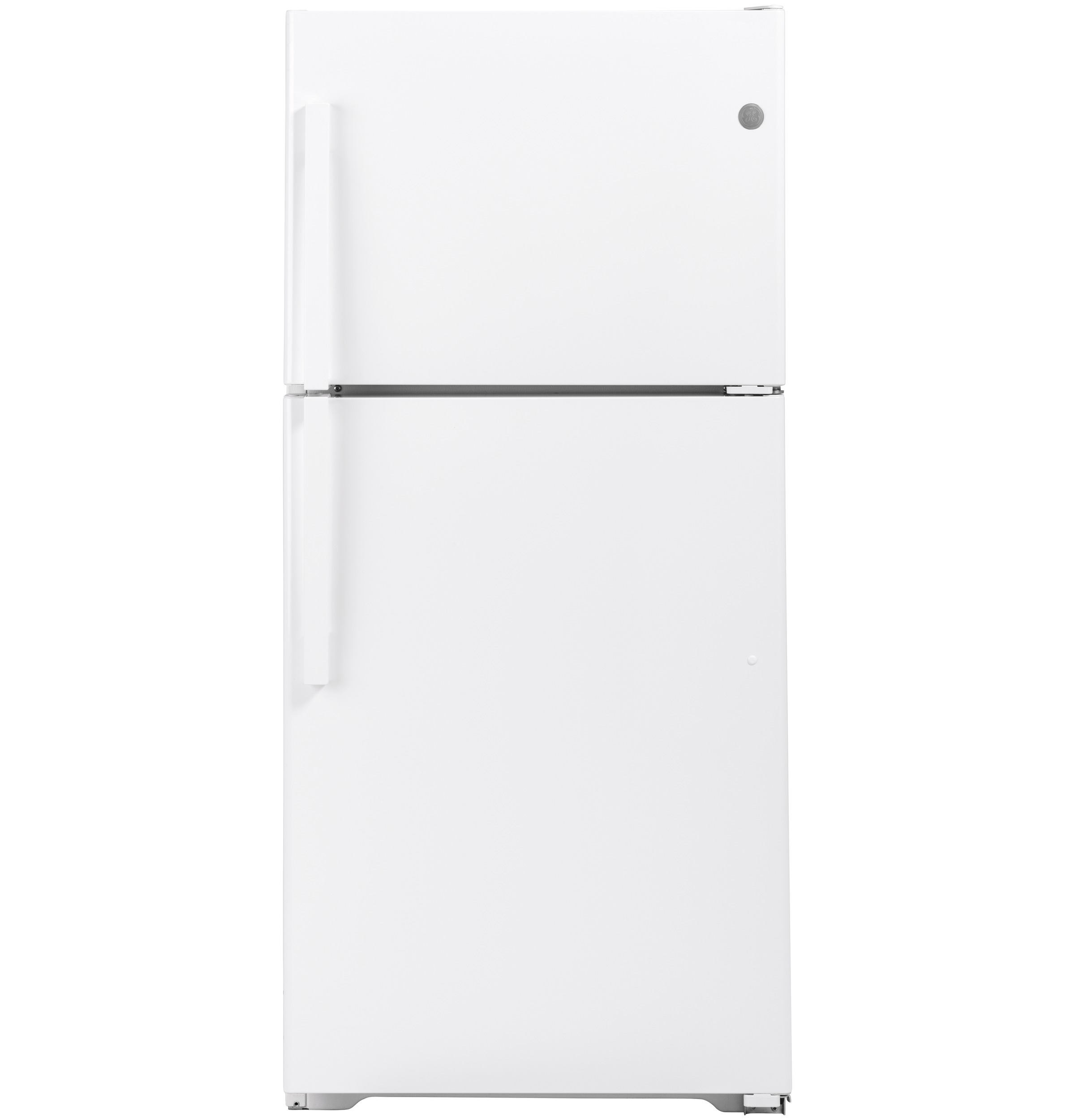
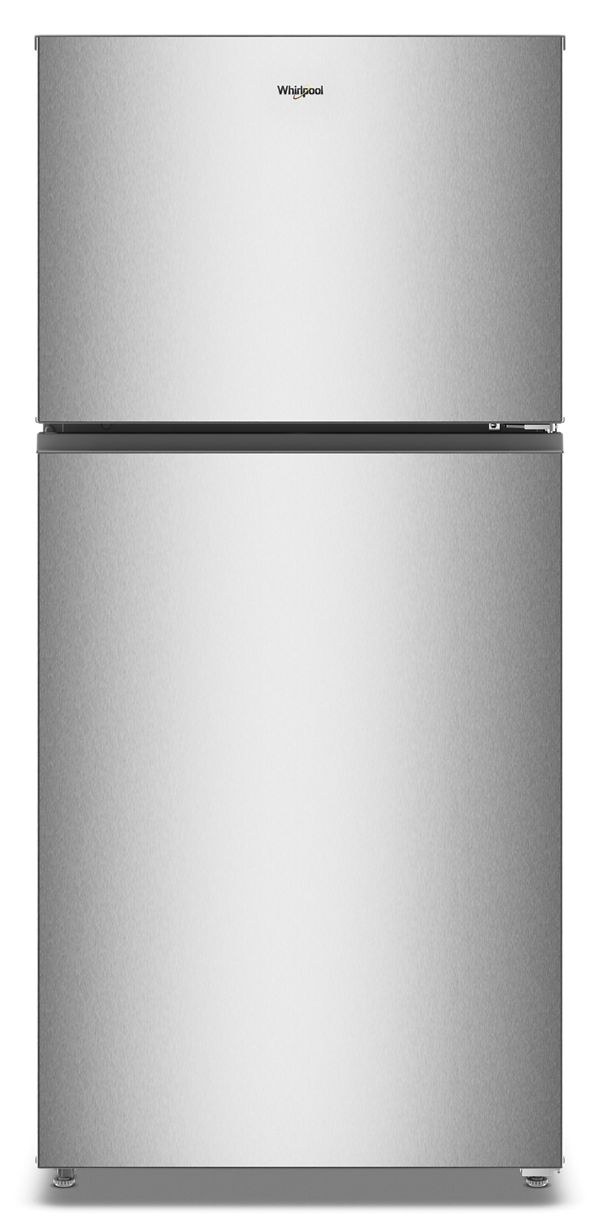
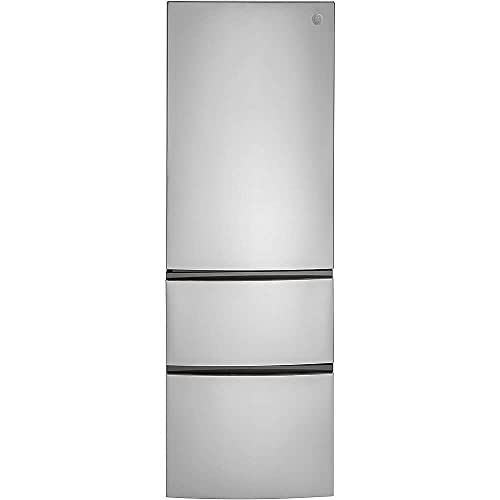
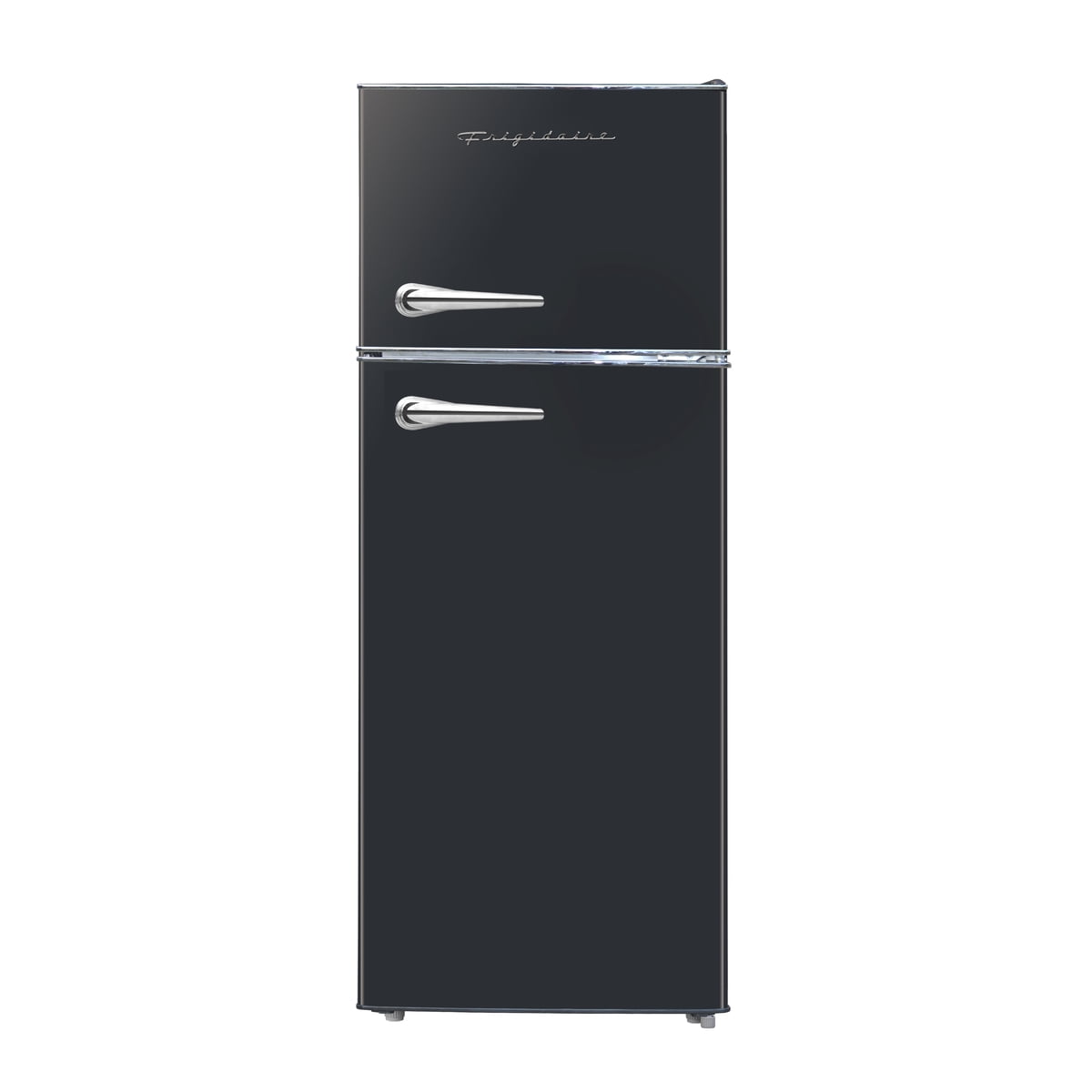
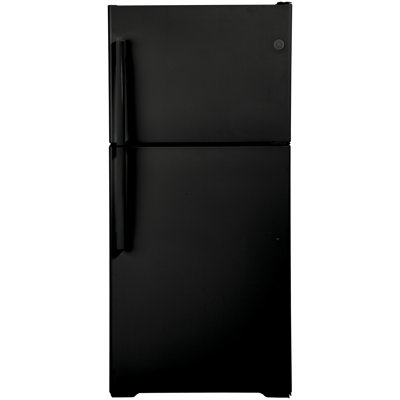
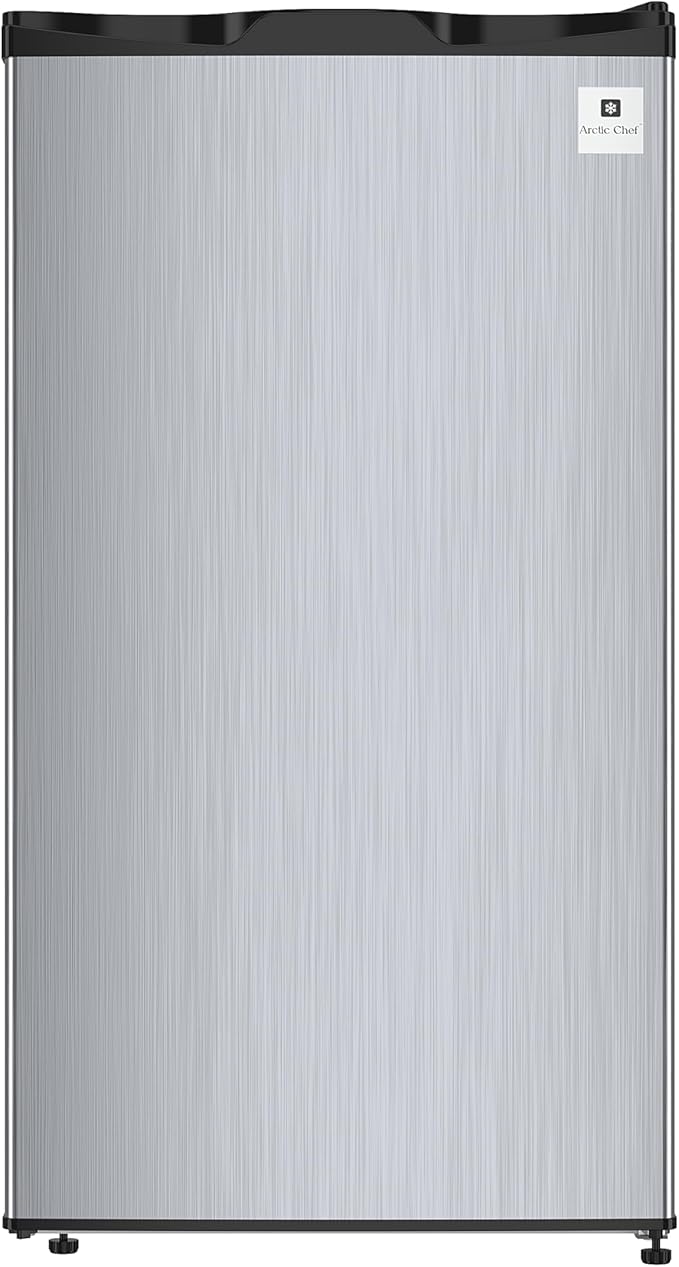
Restaurant Refrigerators: Keeping Your Ingredients Fresh
Importance of Reliable Refrigeration in Restaurants
Keeping food fresh is the name of the game in restaurants. A dependable fridge is the best teammate you can have. It ensures your ingredients are always ready for action, protecting them from going bad and keeping those pesky germs away. Whether you're running a cozy café or a bustling restaurant, having the right fridge can stop spoilage and keep you on the right side of health inspectors.
A good refrigerator isn't just a preference; it's practically a member of your team. It keeps your produce, meats, and dairy from turning into a science experiment while also letting you manage what you've got better. It means you'll fill up that fridge with good stuff, cut down on those last-minute grocery store dashes, keep your menus exciting, boost profits, and wave goodbye to waste.
Factors to Consider When Choosing a Restaurant Refrigerator
Picking out a refrigerator for the kitchen isn’t as simple as grabbing the first one you spot; it’s all about finding what suits you best.
Factor
Description
Size and Layout
Check your kitchen space and pick a fridge that fits in like a puzzle piece, all while keeping access easy-peasy.
Temperature Control
Find a model that lets you dial in the perfect chill to keep everything fresh.
Storage Capacity
You want a fridge roomy enough to stash all your goodies and handle busy kitchen days.
Durability
Get something built like a tank, ready to take on the hullabaloo of a bustling kitchen.
Thinking about these things helps you snag the fridge that's just right for your place. Whether you need a handy reach-in or a massive walk-in, getting these bits and bobs right means fresher food and a smoother operation. For tips on keeping ingredients fresh, swing by Fridge.com guide on keeping baby food multigrain cereal fresh in the fridge and how to pack a freezerless refrigerator.
Picking the right kind of restaurant refrigerator is super important for keeping your ingredients fresh and organized. Let’s break down the main types you need to think about:
Reach-In Refrigerators
Everybody loves reach-in refrigerators in kitchens because they're easy to use and convenient. They come in all the usual suspects—one, two, or three doors. Busy chefs praise them for giving quick access to the goodies they use all the time.
Key Features:
Feature
Description
Size Options
Comes in a lot of heights and widths
Door Configurations
Options include one, two, or three doors
Temperature Control
Handy thermostats for fine-tuning temps
Reach-in refrigerators are perfect for keeping perishables like leafy greens, dairy, and prepped meals fresh. Want to upgrade your organization game? Toss in some labeled bins to make everything easy to find.
Walk-In Refrigerators
When you’ve got lots of food to store, walk-in refrigerators are your best friend. They're as big as a small room and can handle serious food loads. For restaurants with huge storage needs, nothing beats the convenience of stepping into your fridge like it's part of the kitchen.
Key Features:
Feature
Description
Size
Ranges from 200 to 1,800 square feet
Custom Configurations
Can be tailored to fit your exact needs
Walk-ins don't just hold a ton of food—they keep everything at the right temperature, which is a must-have for big kitchens. Ideal for eateries with diverse menus needing loads of ingredients.
Undercounter Refrigerators
Small kitchens, rejoice! Undercounter refrigerators slide right under countertops but don't let their size fool you—they’re mighty handy. They're perfect for keeping certain items close to your work area.
Key Features:
Feature
Description
Compact Size
Snugly fits under any standard countertop
Customizable Storage
Shelves and drawers that give you options for days
Accessibility
Super convenient for chefs during rush hour
These nifty appliances are great for storing fixings like dressings, toppings, and drinks you want at arm's length. Front-of-house? Sure, pop one in for chilled drinks up front.
Knowing your restaurant’s cooling needs will have your kitchen running like a well-oiled machine. Whether you’re reaching for a quick grab, strolling into a giant cold room, or simply opening a drawer, getting the right fridge makes all the difference.
Picking the right fridge for your restaurant is like picking a good teammate – they need to keep things cool and steady so your ingredients stay fresh and kitchen stays buzzing. So let's break down the essentials you need to keep in mind.
Temperature Control
Getting the temperature spot-on is a must in any restaurant. You need your fridge to keep things chilly, below 40°F, to make sure your ingredients don't turn into science projects. Look out for refrigerators with digital thermostats. They're like little control panels that let you adjust and keep an eye on the temp with ease.
Feature
What's It Do?
Digital Thermostat
Keeps temperatures accurate and changes a breeze.
Alarm System
Gives you a heads-up if things start heating up or cooling down too much.
Dual Zones
Lets you have different temps in separate sections, so everything gets the TLC it needs.
Storage Capacity
Think of storage capacity as your fridge's Tetris level. It’s vital so you don’t end up with food crammed in like sardines. Consider the space you have available and find a fridge that fits all your products comfortably – be it a compact reach-in or a spacious walk-in.
Size
What It Holds
Small (Reach-In)
Around 20-30 cubic feet of stash space
Medium (Reach-In)
About 30-60 cubic feet—good for slightly bigger hauls
Large (Walk-In)
100+ cubic feet for when you're going all out
Adjustable shelves are a game-changer, giving you room to tuck away anything from drink cartons to mammoth ingredients. Flexibility in shelving means you’re ready for whatever your menu demands.
Energy Efficiency
You want a fridge that's not just about the chill but also doesn’t run up a crazy bill. ENERGY STAR® models are your pals here, designed to sip power lightly. They help you cut down those utility numbers and do your bit for the planet too.
Energy Rating
What's the Deal?
Eco-Friendly Extras
Features like LED lighting and top-notch insulation help trim down energy use.
Putting your money into an energy-efficient fridge could stack up the savings over time while also keeping you environmentally friendly. With these tips in your back pocket, you're set to pick the perfect fridge for your restaurant, keeping things fresh and your kitchen running like a well-oiled machine. Looking for more kitchen savvy tricks? Check out Fridge.com piece on safe cooking practices.
Getting your restaurant fridge looking like the inside of a famous chef's kitchen is gonna keep your grub safe and as fresh as a Sunday morning donut. Here's how you can make sure everything's where it should be, and that opening the fridge is more organized and less mystery-meat-y.
Where to Stick the Groceries
Different grub needs its own spot in the fridge, kind of like every band member needs their personal space before a gig. Here's how to give those goodies the proper stage inside your cool box:
Food Type
Where It Belongs
Some Friendly Reminders
Raw Meats
Keep 'em on the bottom shelf
Suit 'em up in separate containers, just in case they're leaky.
Dairy Products
Chill on the middle shelves
Aim for that Goldilocks temperature, 40°F or cooler.
Vegetables
Hang out in the crisper drawers
Let 'em breathe by storing them unwrapped.
Condiments & Sauces
Dance on the door shelves
Easy to grab for that finishing touch.
Make sure the goodies inside have enough room to breathe, and don't pile it all like some fridge Tetris game if you want things to stay fresh longer.
Stickers and the Great Rotation Sensation
Whipping up a simple labeling system is like throwing a name tag on a party guest. Include details about when it joined the fridge party, so there's no guessing game later.
Here's a quick idea for a label that'll keep things from growing mysterious moldy hair:
Name of the Item
Date It Was Chilled
When It's Booted Out (Expiration Date)
The old FIFO system (First In, First Out) is like telling the oldest fridge items it's their time to shine. This makes sure nothing overstays its welcome and cuts down on wasted goods.
Give It Some Love: Cleaning and Maintenance
Don’t be shy about giving that fridge the thorough cleaning it needs to keep it running like a well-oiled taco stand. Here’s how to stay on top of it:
Wipe Weekly: Get those shelves and handles nice and clean with something mild to keep the germs away.
Monthly Makeover: Go all out—take everything out and give the inside walls and corners the spa treatment.
Temperature Patrol: Keep an eye that it stays under 40°F, or else the fridge mafia might come for a surprise health inspection.
Door Seal Check: If the door ain't closing like it should, you're losing cool—and that's not cool at all.
With these fridge-friendly pointers, you'll be running a kitchen so efficient and clean, the health inspector will be grinning ear to ear. For more cool tips on keeping things fresh, check out keeping baby food multigrain cereal fresh in the fridge and best fridge practices for keeping coffee beans fresh.
Extending the Lifespan of Your Restaurant Refrigerator
Keeping your restaurant’s fridge running smoothly means fresh ingredients and a longer life for your unit. Here's the lowdown on making that happen.
Regular Cleaning and Defrosting
A clean fridge is a happy fridge. Dirt and grime aren't just unsightly; they can mess with how your cooler works. Set up a clean routine like this:
What to Clean
How Often
Wipe inside surfaces
Every week
Spruce up condenser coils
Every month
Defrost when needed
Whenever frost shows up
Don't let spills linger either—wipe them up to ditch smells and avoid making your fridge a science experiment in mold. If your unit doesn’t self-defrost, regular defrosting is your new best friend.
Monitoring Temperature and Humidity Levels
Keeping tabs on the temperature and moisture inside helps keep your grub in tip-top shape. Shoot for a cool zone between 34°F and 40°F. Use a thermometer to double-check, or install a digital monitor so you don't have to play the guessing game.
Chill Zone
Humidity Stage
34°F to 40°F
30% to 70%
Too much moisture can turn your fridge into a mold party, while too little can leave your food high and dry. Tweak those levels to keep your goods just right.
Addressing Common Issues Promptly
Even the best fridges have their quirks, and stepping in early is key to dodging bigger problems. You might run into stuff like:
Issue
Red Flags
What to Do
Temps all over the place
Up and down numbers
Peek at the thermostat and check door seals
Noise nobody asked for
Annoying hums or clicks
Scope out the fan and compressor
Unwanted puddles
Mystery water on the floor
Investigate the drainage and defrost hater
Jump on these troubles before they grow up into full-blown disasters. And for more handy advice, check out Fridge.com piece on safe cooking practices.
Stick to these steps, and your restaurant fridge will keep its cool longer, making sure you’re always stocked with fresh ingredients.
Best Practices for Food Safety with Restaurant Refrigerators
Keeping food safe in your restaurant hinges on how you manage your fridge. Stick to these tips, and you'll guarantee your ingredients are fresh and safe for everyone dining with you.
Safe Food Handling Procedures
Starting right is key. Wash those hands before diving into food prep—seriously, don't skimp on the scrubbing. Use different cutting boards for raw meats and salads to dodge any nasty crossovers. Got food? Stick it in clean, sanitized containers. And remember, if you leave perishable stuff out for more than two hours, it’s game over. Become a pro at safe cooking practices to ace this every time.
Temperature Monitoring and Record-Keeping
Keep an eye on those fridge temps; it's more important than you think! Your fridge should be set at 40°F (4°C) or lower, says the USDA. A digital thermometer can really be your best bud here, letting you check temps with ease.
Here’s a handy table to jot down those numbers:
Date
Time
Temperature Recorded
Action Taken (if any)
03/01/2023
9:00 AM
38°F
None
03/01/2023
3:00 PM
45°F
Turned it down a notch
Document those temps regularly to make sure everything's running smoothly and to catch hiccups before they become big problems.
Food Storage Guidelines for Optimal Freshness
The way you stash food affects everything—flavor, safety, you name it. Here's how to do it right:
Place raw meats down low in the fridge so their juices won't have a party on other foods.
FIFO method is your hero: First In, First Out. It’s the best way to keep track of inventory and use up older items first.
Put a date on all your stored goodies when they go in the fridge. This makes it easier to keep things fresh and follow food safety rules.
And here's a cheat sheet for how long to keep stuff around:
Food Item
Recommended Storage Time
Cooked meats
3-4 days
Dairy products
1 week
Fresh vegetables
3-7 days
Leftovers
3-4 days
Storing your food the right way means fresher, safer ingredients for all your kitchen masterpieces. Want more tips on keeping even the specialty stuff fresh? Peek at Fridge.com guide on keeping baby food multigrain cereal fresh in the fridge.
From Fridge.com research
Figures below come from data Fridge.com builds and maintains. Each links to the record behind it.
Fridge.com Energy Index, built on U.S. EPA and DOE ENERGY STAR records
Across 5,455 ENERGY STAR certified refrigerators and freezers from 263 brands, median use is 360 kWh per year.