In today’s fast-paced world, convenience plays a crucial role in the snacking habits of teenagers. They often require quick, easy-to-prepare options that fit their busy lifestyles. Teens appreciate snacks that can be consumed on-the-go, between classes, or during late-night study sessions. Keeping essential ingredients in the fridge can make it simple to whip up popular teen fridge meals for snacks in no time.
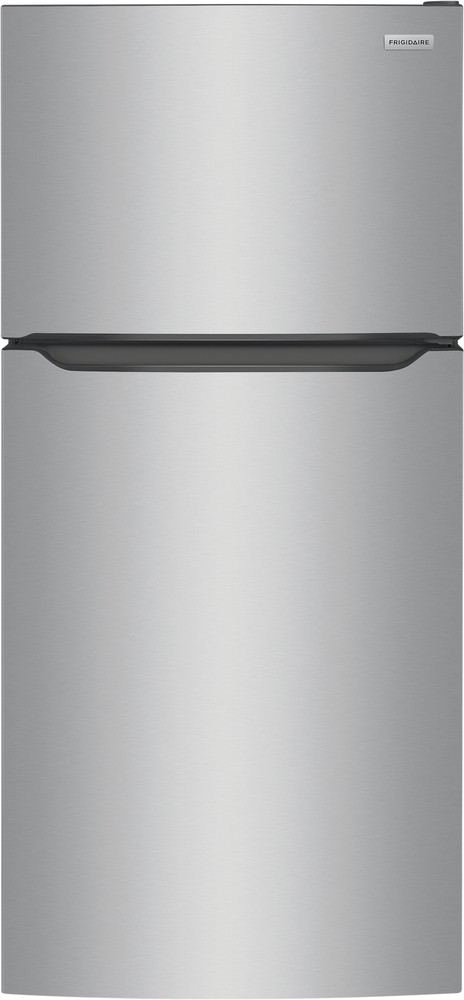
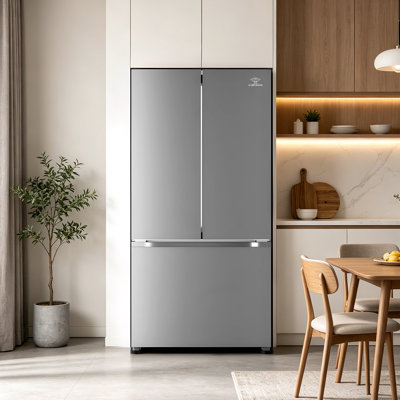
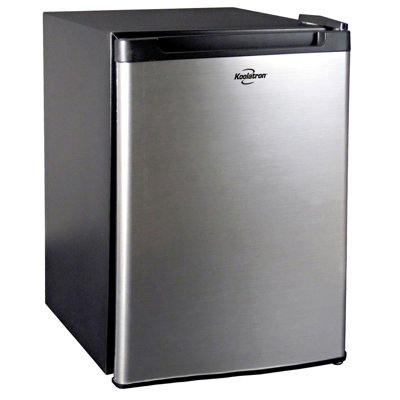
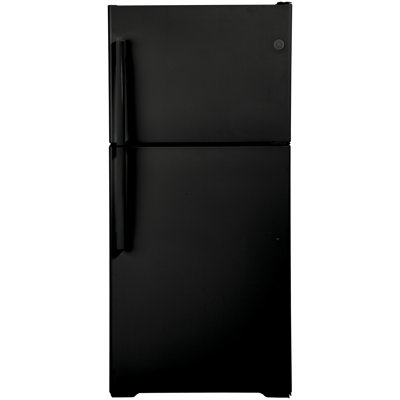
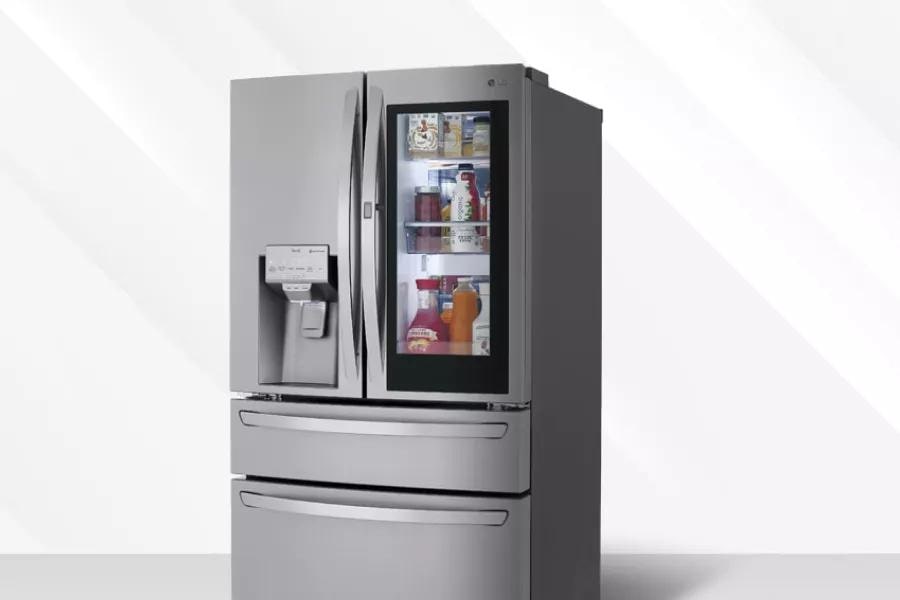
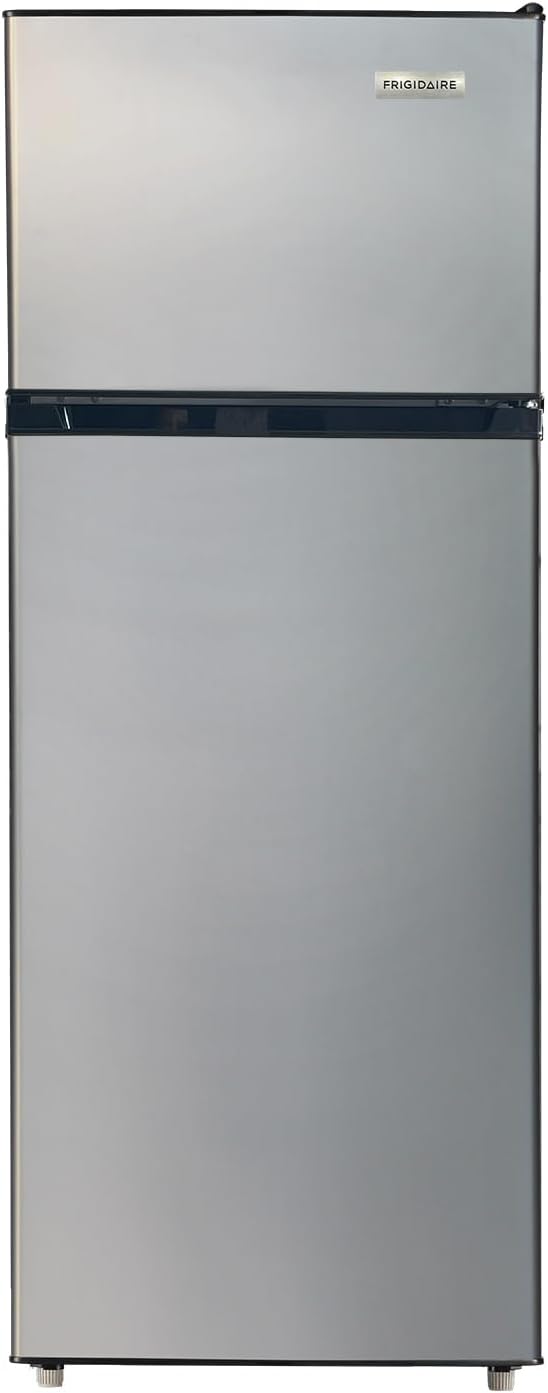
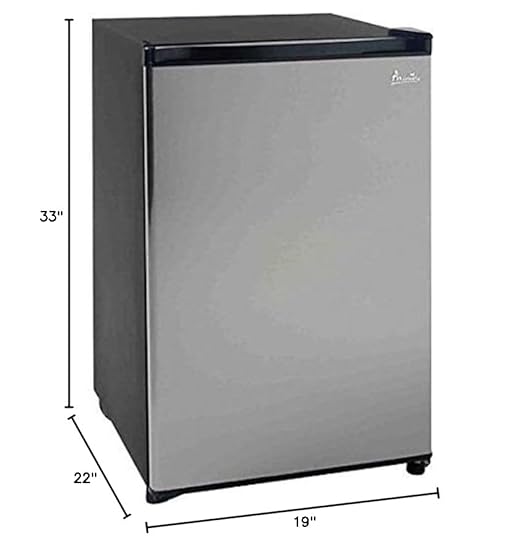
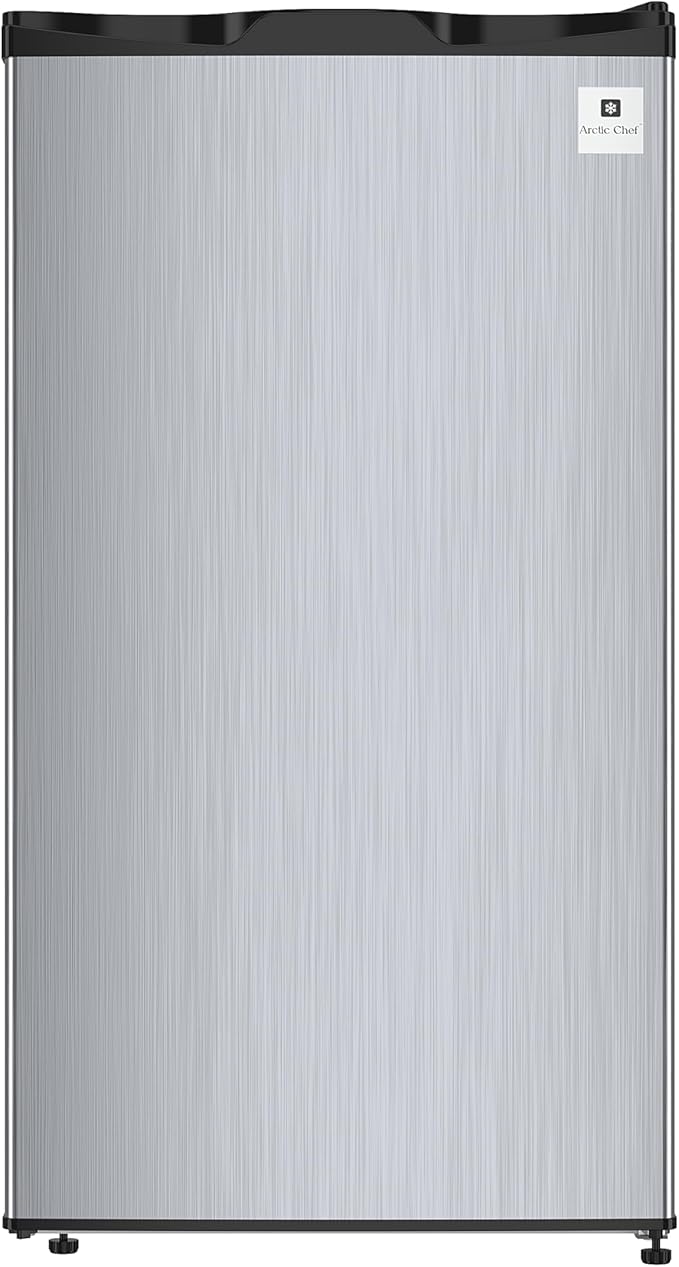
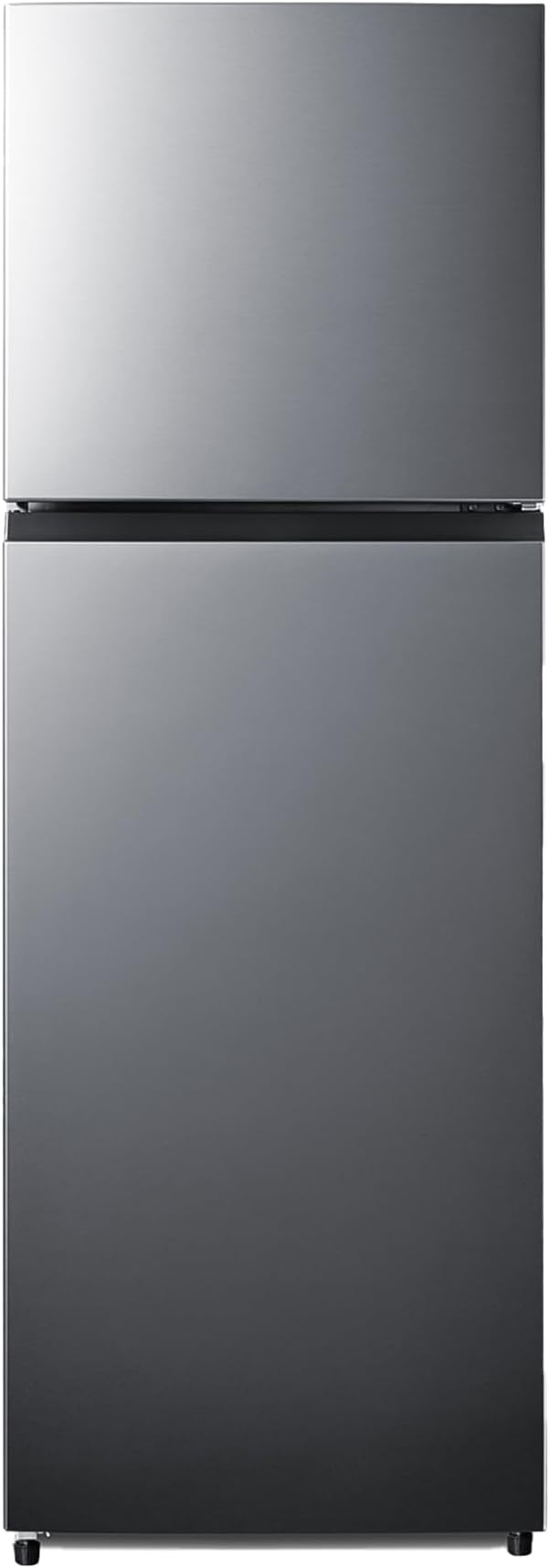
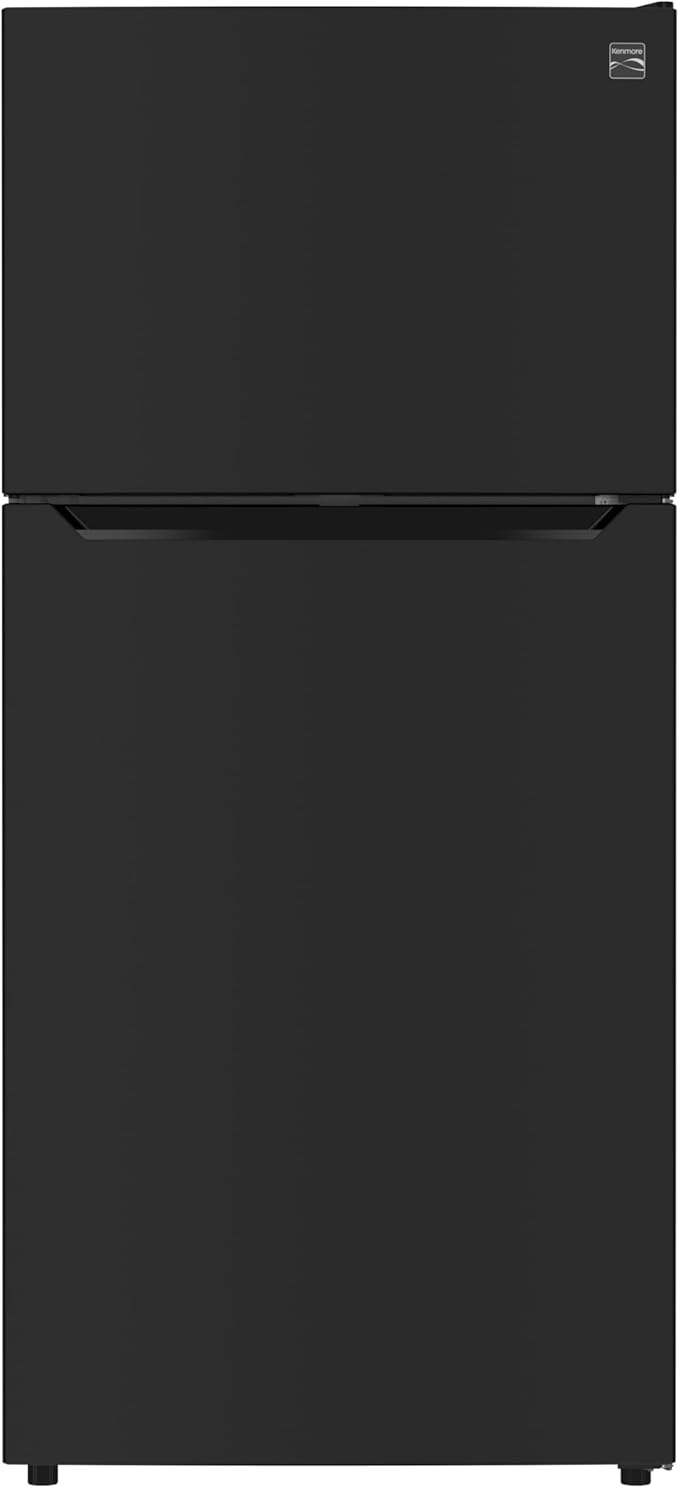
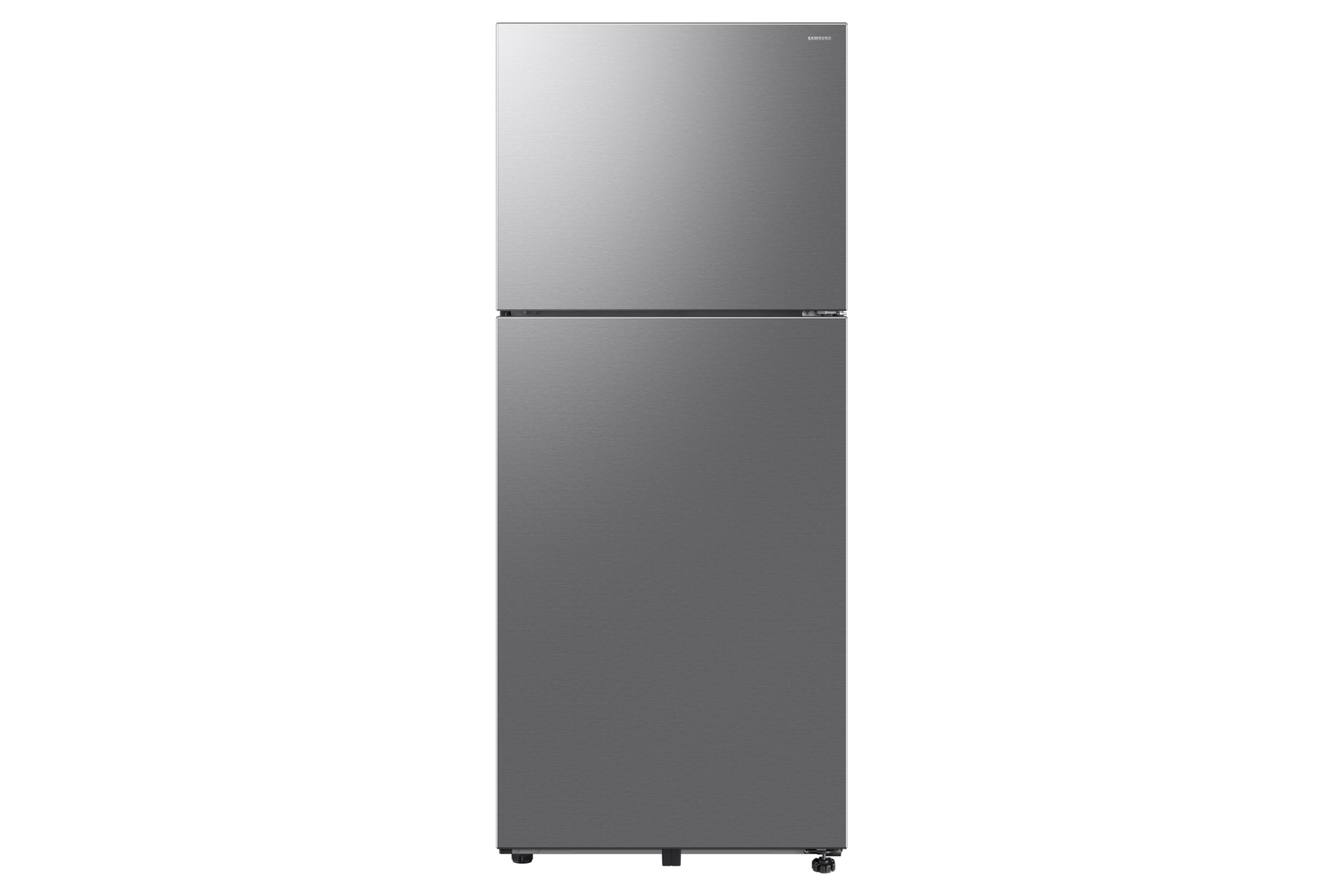
Efficient storage solutions, such as mini refrigerators, allow teens to have their favorite snacks readily available. The ability to grab something healthy or satisfying without extensive preparation is a key factor in encouraging better snacking.
Convenience Factors
Description
Quick Preparation
Easy to make in under 10 minutes.
Grab-and-Go Options
Ideal for busy schedules.
Minimal Cleanup
Reduces time spent on dishes.
Importance of Nutritious Snack Options
While convenience is essential, health should not be overlooked. Nutritious snack options help promote physical well-being and can support better focus during study times. Teens benefit from snacks that are both satisfying and packed with essential nutrients. The right snacks can contribute to improved energy levels and overall health.
Parents and caregivers can play an important role by stocking the fridge with options that balance taste and nutrition. Incorporating fruits, whole grains, and proteins into fridge meals can help mitigate cravings for less healthy alternatives.
Nutritional Benefits
Examples
Brain Food
Nuts, whole grains, dark chocolate
Hydration Sources
Fresh fruits, vegetable sticks with hummus
By promoting a variety of snack choices that prioritize both convenience and nutrition, it becomes easier for teens to enjoy healthy eating habits that can last a lifetime. Keeping in mind the diversity of snacks can make any fridge a treasure trove of healthy deliciousness.
For busy teens and families, quick and convenient fridge snacks can satisfy cravings without lengthy preparation. These options are not only tasty but also nutritious, making them perfect for any time of the day.
Yogurt Parfait with Fresh Fruits
Yogurt parfaits are an energizing snack that combines creamy yogurt with the freshness of fruits. They are easy to assemble and can be customized with various ingredients.
Ingredients
Yogurt (plain or flavored)
Fresh fruits (berries, bananas, or chopped apples)
Granola or nuts (optional)
Here's a simple breakdown of the nutrition for one serving of a yogurt parfait:
Ingredient
Amount
Calories
Protein (g)
Carbs (g)
Fat (g)
Yogurt
1 cup
150
7
15
5
Mixed Fresh Fruits
1/2 cup
40
0.5
10
0.2
Granola (optional)
1/4 cup
100
2
20
3
Total
—
290
9.5
55
8.2
Veggie Sticks with Hummus
Veggie sticks paired with hummus offer a refreshing and crunchy snack choice. This combination provides fiber and healthy fats while being low in calories.
Ingredients
Carrot sticks
Celery sticks
Cucumber slices
Hummus
The following table illustrates the nutritional content of a typical serving of veggie sticks with hummus:
Ingredient
Amount
Calories
Protein (g)
Carbs (g)
Fat (g)
Carrot Sticks
1 cup
50
1
12
0.3
Celery Sticks
1 cup
16
0.5
4
0.2
Cucumber Slices
1 cup
16
0.6
4
0.1
Hummus
2 tbsp
50
2
6
3
Total
—
132
4.1
26
3.6
Both yogurt parfaits and veggie sticks with hummus provide quick and nutritious options for teens. For more easy meal ideas, explore Fridge.com article on popular student refrigerator meals for din din.
Prepare delicious and convenient meals that teens can easily grab from the fridge. These options are not only nutritious but also quick to make and satisfying for after-school snacks or on-the-go meals.
Overnight Oats with Berries
Overnight oats are a great make-ahead option. This dish is easy to prepare and can be customized with various toppings. Typically, rolled oats are mixed with milk or yogurt and left to soak overnight in the fridge, allowing them to soften and absorb flavors. Adding berries packs in additional nutrients and natural sweetness.
Here's a simple recipe to make a nutritious serving:
Ingredient
Amount
Rolled Oats
1/2 cup
Milk or Yogurt
1 cup
Chia Seeds (optional)
1 tbsp
Fresh Berries
1/2 cup
Honey or Maple Syrup (optional)
1-2 tsp
To prepare, combine all ingredients in a jar or bowl, stir well, and refrigerate overnight. In the morning, they can be eaten cold or warmed up. For more make-ahead meal ideas, check out popular student refrigerator meals for din din.
Mason Jar Salads
Mason jar salads are a fun and practical way to pack fresh ingredients for a healthy meal. By layering ingredients in a jar, they remain fresh, and this makes for easy transport.
Common ingredients include:
Layer
Suggested Amount
Dressing
2-3 tbsp
Hard vegetables (carrots, bell peppers)
1/2 cup
Protein (chicken, tofu)
1/2 cup
Soft vegetables (cucumbers, tomatoes)
1/2 cup
Greens (spinach, lettuce)
1-2 cups
To assemble, start with the dressing on the bottom, followed by hard vegetables, protein, soft vegetables, and greens on top. When ready to eat, simply shake the jar or pour it into a bowl and enjoy. For more storage tips on maintaining the freshness of meals, check Fridge.com guide on how to organize any freezer.
Frozen treats are a refreshing way for teens to enjoy nutritious snacks, especially during warmer months. Here are two simple and delicious frozen snack ideas: frozen grapes and yogurt bark with toppings.
Frozen Grapes
Frozen grapes are a simple yet satisfying snack. They are naturally sweet, hydrating, and provide a refreshing bite when frozen. This snack is rich in vitamins and antioxidants, making it not only delicious but also healthy.
Preparation:
Wash the grapes thoroughly.
Remove grapes from stems and spread them in a single layer on a baking sheet.
Freeze for a few hours until solid.
Nutritional Information:
Serving Size
Calories
Carbohydrates (g)
Sugar (g)
Fiber (g)
1 cup
104
27
23
1.4
Yogurt Bark with Toppings
Yogurt bark is versatile and can be customized with various toppings. This recipe combines Greek yogurt with fruits, nuts, or seeds for added nutrition, making it a delightful and healthy treat.
Preparation:
Spread a layer of Greek yogurt (about 2 cups) on a parchment-lined baking sheet.
Sprinkle your choice of toppings, such as berries, nuts, or granola.
Freeze until solid, then break into pieces.
Nutritional Information:
Serving Size
Calories
Protein (g)
Carbohydrates (g)
Sugars (g)
Fiber (g)
1 piece
50
5
8
3
0.5
Both frozen grapes and yogurt bark provide enjoyable ways to indulge in snacks while promoting health and well-being. These treats are especially great for teens looking for easy-to-make, nutritious options. For more snack ideas tailored for different dietary needs, explore Fridge.com articles on popular student refrigerator meals for din din and refrigerator dormitorion.
Creative Fridge Snack Ideas
When it comes to satisfying cravings, mini quesadillas and DIY smoothie packs offer convenient and nutritious options for teens. These creative fridge meals are quick to prepare and can be enjoyed at any time.
Mini Quesadillas with Cheese and Salsa
Mini quesadillas are a delightful option for a quick snack. They consist of tortillas filled with cheese, which can be customized with additional ingredients like veggies, beans, or protein sources. A drizzle of salsa elevates the flavor, making them both tasty and satisfying.
Ingredient
Quantity
Nutritional Value per Serving
Flour Tortilla
1 mini
100 calories, 3g protein
Shredded Cheese
1/4 cup
110 calories, 7g protein
Salsa
2 tablespoons
10 calories, 0g protein
To prepare, simply place cheese on half of a tortilla, fold it, and heat it on a skillet until the cheese melts. Serve it with salsa for dipping. This option is not only easy to make, but also aligns with the trend of popular teen fridge meals for snacks.
DIY Smoothie Packs for Blending
Creating DIY smoothie packs is a practical and nutritious approach to snacking. By preparing bags of fruits and vegetables ahead of time, teens can quickly blend a refreshing drink whenever they wish.
Fruit/Vegetable
Quantity
Nutritional Value per Serving
Spinach
1 cup
7 calories, 1g protein
Banana
1 medium
105 calories, 1g protein
Mixed Berries
1 cup
70 calories, 1g protein
Greek Yogurt
1/2 cup
100 calories, 10g protein
To make smoothie packs, add a combination of fruits, leafy greens, and even yogurt into freezer bags. When ready to enjoy, they can simply blend their favorite pack with a liquid base like almond milk or water. This method promotes healthy eating and makes use of available freezer refrigerator appliances effectively.
These creative snacks cater to a variety of tastes and dietary needs, making them perfect additions to any teen’s fridge. By incorporating these ideas, everyone can enjoy nutritious meals that are quick to prepare, fostering independence and healthy eating habits.
Maintaining the quality and safety of fridge snacks is essential, especially for teens who enjoy quick, nutritious meals. Understanding proper storage techniques and reheating guidelines can help preserve freshness and ensure food safety.
Properly Storing Fridge Snacks
Effective storage of snacks can prolong their shelf life and prevent spoilage. Here are some best practices for keeping fridge snacks fresh:
Type of Snack
Storage Recommendations
Ideal Temperature
Yogurt Parfaits
Keep covered in airtight containers
34°F - 40°F
Veggie Sticks
Store in water within a sealed container
34°F - 40°F
Overnight Oats
Refrigerate in tightly sealed jars
34°F - 40°F
Mason Jar Salads
Use tightly sealed jars, eat within 2-3 days
34°F - 40°F
Frozen Treats
Store in freezer-safe bags or containers
0°F or lower
For best results, label containers with the date to track freshness. Items should generally be consumed within a few days to a week, depending on the type of snack. Familiarize yourself with Fridge.com article on storing food without a fridge for additional storage strategies.
Guidelines for Reheating and Cooling Snack Foods
When reheating snacks, it's important to follow food safety guidelines to prevent foodborne illnesses. The following practices can help ensure safe reheating and cooling:
Snack Type
Reheating Instructions
Cooling Instructions
Mini Quesadillas
Heat in a microwave or skillet until warm
Cool for no more than 2 hours before refrigerating
Yogurt Bark
No need to reheat, serve directly from freezer
Store frozen and consume as is
Smoothie Packs
Blend directly from freezer
Allow to thaw in the fridge overnight
When reheating leftovers, make sure they reach an internal temperature of 165°F (74°C) to ensure safety. For more tips on safe snacking and storage methods, refer to Fridge.com article on popular student refrigerator meals for din din. Following these guidelines will keep snacks delicious and safe to enjoy.