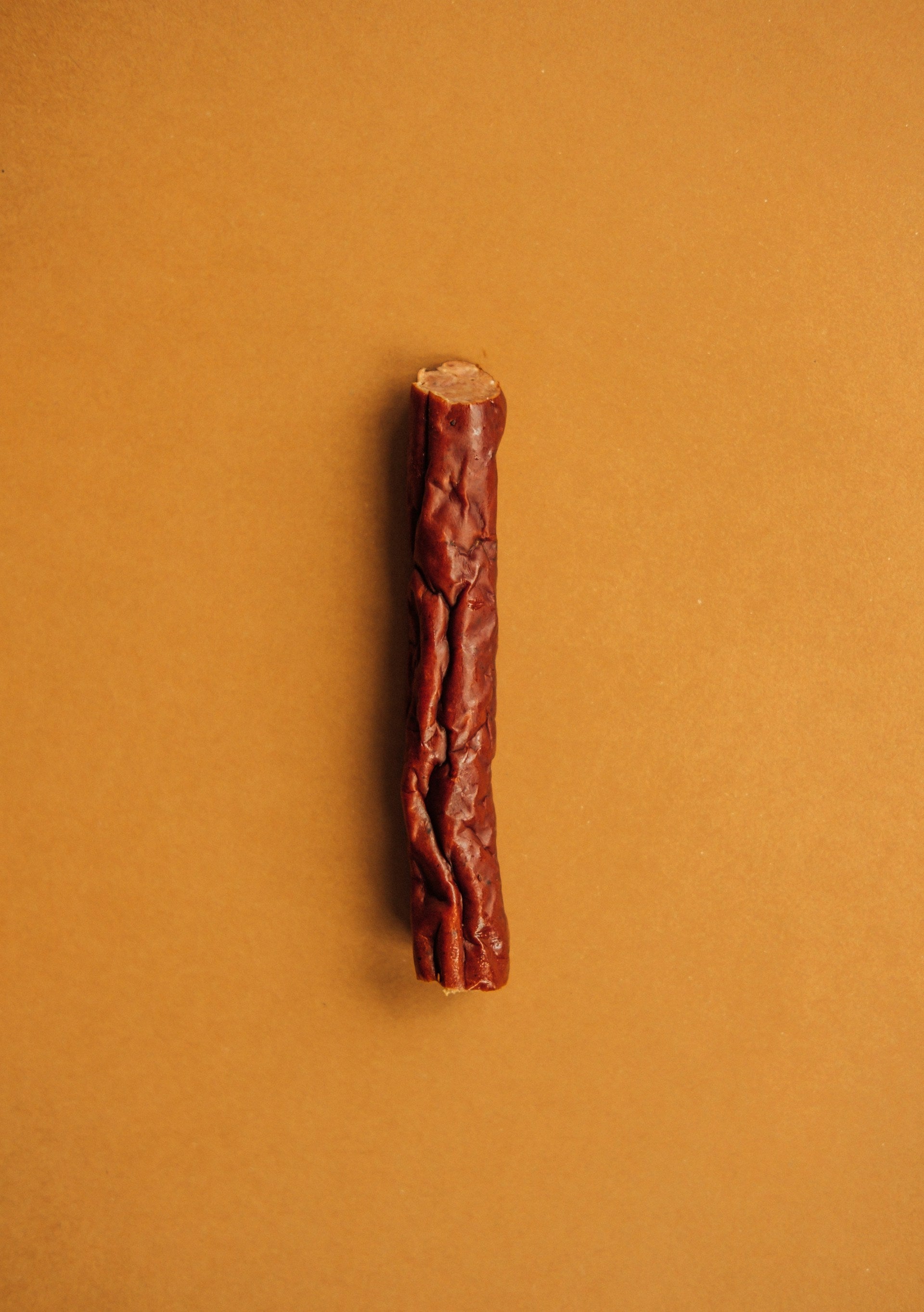
Understanding Pepperoni Fridge Life
To maximize the shelf life of pepperoni and ensure its freshness, it's essential to understand the factors affecting its lifespan and follow proper storage guidelines.
What Affects the Shelf Life of Pepperoni?
Several factors influence the shelf life of pepperoni. Proper storage conditions, packaging, and handling all play a significant role in determining how long pepperoni remains safe to eat.
- Temperature: Pepperoni should be stored at a consistent temperature. Fluctuations can cause the meat to spoil more quickly.
- Packaging: Vacuum-sealed packaging helps extend the shelf life by reducing exposure to air and moisture.
- Moisture: Excess moisture can lead to mold growth and spoilage.
- Contamination: Handling pepperoni with dirty hands or utensils can introduce bacteria, shortening its shelf life.
Proper Storage Guidelines for Pepperoni
Storing pepperoni correctly can help maintain its quality and safety. Follow these guidelines to ensure your pepperoni stays fresh for as long as possible.
Unopened Pepperoni
- Refrigeration: Store unopened pepperoni in the refrigerator at a temperature of 34-40°F (1-4°C). It can last for several weeks.
- Freezing: For longer storage, place unopened pepperoni in the freezer at 0°F (-18°C) or lower. It can remain safe for up to six months.
Opened Pepperoni
- Refrigeration: Once opened, wrap the pepperoni tightly in plastic wrap or aluminum foil, or place it in an airtight container. Store it in the refrigerator at 34-40°F (1-4°C). It should be consumed within 1-3 weeks.
- Freezing: After opening, you can freeze the pepperoni by wrapping it tightly and placing it in a freezer-safe bag or container. It will stay good for up to three months.
| Storage Type | Unopened Pepperoni | Opened Pepperoni |
|---|---|---|
| Refrigeration | 1-2 months | 1-3 weeks |
| Freezing | Up to 6 months | Up to 3 months |
By adhering to these guidelines, you can ensure your pepperoni remains fresh and safe to eat. For more information on storing other cold cuts, check out our article on cold cuts fridge life. Additionally, for tips on optimizing your refrigerator's storage space, visit most organized fridge.
Refrigerator Storage of Pepperoni
Properly storing pepperoni in the refrigerator can extend its shelf life and maintain its quality. Below, we'll dive into the best methods for storing both unopened and opened pepperoni.
Storing Unopened Pepperoni
Unopened pepperoni can last for a considerable amount of time when stored correctly in your refrigerator. The packaging is designed to keep the product fresh until you are ready to use it.
Storage Guidelines:
- Temperature: Keep the pepperoni at a consistent temperature of 34°F to 40°F.
- Shelf Life: Unopened pepperoni can last up to 4 to 6 weeks in the refrigerator.
| Pepperoni Type | Storage Temperature | Shelf Life |
|---|---|---|
| Unopened | 34°F to 40°F | 4 to 6 weeks |
For additional tips on maintaining an organized and efficient fridge, check out our article on the most organized fridge.
Storing Opened Pepperoni
Once you've opened the package, the storage method needs to be more meticulous to preserve the pepperoni's flavor and texture.
Storage Guidelines:
- Airtight Containers: Transfer the opened pepperoni to an airtight container or resealable plastic bag to prevent air exposure.
- Refrigeration: Store the pepperoni in the fridge at the same temperature range of 34°F to 40°F.
- Shelf Life: Opened pepperoni can remain fresh for about 1 to 3 weeks.
| Pepperoni Type | Storage Method | Storage Temperature | Shelf Life |
|---|---|---|---|
| Opened | Airtight container | 34°F to 40°F | 1 to 3 weeks |
| Opened | Resealable plastic bag | 34°F to 40°F | 1 to 3 weeks |
For further insights on extending the life of your refrigerated items, you might find our article on the life span of a fridge useful.
Regularly check your pepperoni for any signs of spoilage, such as changes in color, smell, or texture. Familiarize yourself with the signs of spoiled pepperoni to ensure you're consuming it while it's still fresh and safe.
Freezer Storage of Pepperoni
Proper storage of pepperoni can significantly extend its shelf life, especially when using a freezer. Understanding how to freeze both unopened and opened pepperoni ensures that it retains its flavor and quality.
Freezing Unopened Pepperoni
Unopened pepperoni packages can be frozen to maintain their freshness for an extended period. When freezing unopened pepperoni, it's important to check the packaging for any damage or air leaks. A tightly sealed package prevents freezer burn and maintains the quality of the pepperoni.
Steps to freeze unopened pepperoni:
- Ensure the package is undamaged and tightly sealed.
- Place the package in a freezer-safe bag for added protection.
- Label the bag with the date of freezing.
| Storage Method | Shelf Life |
|---|---|
| Unopened Pepperoni in Freezer | Up to 6 months |
Freezing unopened pepperoni is a convenient way to keep it fresh, especially if you have bought it in bulk or want to store it for future use. For more tips on organizing your freezer, check out our guide on most organized fridge.
Freezing Opened Pepperoni
Freezing opened pepperoni requires a bit more care to ensure it stays fresh and flavorful. Once opened, pepperoni should be tightly wrapped to minimize exposure to air and moisture.
Steps to freeze opened pepperoni:
- Wrap the pepperoni slices tightly in plastic wrap or aluminum foil.
- Place the wrapped pepperoni in a freezer-safe bag or airtight container.
- Label the container with the date of freezing.
| Storage Method | Shelf Life |
|---|---|
| Opened Pepperoni in Freezer | 1-2 months |
For best results, try to remove as much air as possible from the freezer bag before sealing it. This helps to prevent freezer burn and maintain the quality of the pepperoni. To learn more about freezing other foods, such as turkey stock, visit our article on freezing turkey stock.
Properly freezing pepperoni, whether unopened or opened, allows you to enjoy its savory flavor whenever you need it. By following these simple steps, you can ensure that your pepperoni remains fresh and ready for use in various recipes. For more ideas on how to store and use pepperoni, check out our article on cold cuts fridge life.
Signs of Spoiled Pepperoni
Ensuring the freshness of your pepperoni is crucial for both taste and safety. Identifying signs of spoilage can help you make informed decisions about whether to consume or discard it.
Visual Cues
Visual inspection is one of the easiest ways to determine if your pepperoni has gone bad. Keep an eye out for the following signs:
- Color Changes: Fresh pepperoni typically has a vibrant red or reddish-pink color. If you notice any discoloration, such as a dull gray or greenish hue, it's time to discard it.
- Mold: The presence of mold, whether white, green, or black, is a clear indicator that the pepperoni is no longer safe to eat.
- Texture: Fresh pepperoni should have a firm texture. If it appears slimy or sticky, it's best to err on the side of caution and throw it away.
| Indicator | Fresh Pepperoni | Spoiled Pepperoni |
|---|---|---|
| Color | Vibrant red or reddish-pink | Dull gray or greenish |
| Mold | Absent | Visible (white, green, black) |
| Texture | Firm | Slimy or sticky |
Smell and Texture Changes
Your sense of smell can also be a reliable tool in determining the freshness of pepperoni. Spoiled pepperoni often emits an unpleasant odor, which can be a mix of sour, rancid, or ammonia-like smells. Any off or unusual odor is a strong indicator that the pepperoni should not be consumed.
In addition to smell, the texture of pepperoni can change as it spoils. Fresh pepperoni should feel firm to the touch. If it feels overly soft, mushy, or has a slimy coating, it's a sign that it has spoiled.
For more information on how to store pepperoni properly and extend its fridge life, visit our article on cold cuts fridge life.
| Indicator | Fresh Pepperoni | Spoiled Pepperoni |
|---|---|---|
| Smell | Slightly spicy, smoky | Sour, rancid, ammonia-like |
| Texture | Firm | Soft, mushy, slimy |
By keeping an eye on these visual and sensory cues, you can ensure that your pepperoni remains safe and enjoyable to eat. If you have any doubts about its freshness, it's always better to be safe and discard it. For more tips on fridge storage and maintenance, check out our articles on most organized fridge and life span of a fridge.
Utilizing Pepperoni
Maximizing the use of your pepperoni extends its value and ensures minimal waste. Here are some creative ways to use leftover pepperoni and incorporate it into recipes.
Creative Ways to Use Leftover Pepperoni
Pepperoni is versatile and can be used in various creative dishes. Here are a few ideas:
- Pepperoni Chips: Bake pepperoni slices at 400°F until crispy for a tasty, low-carb snack.
- Stuffed Peppers: Dice pepperoni and mix with cheese and rice to stuff bell peppers.
- Pepperoni Omelette: Add sliced pepperoni to your morning omelette for a spicy kick.
- Pepperoni Salad: Toss sliced pepperoni with your favorite salad greens, cheese, and veggies.
Incorporating Pepperoni into Recipes
Pepperoni can enhance many recipes with its distinct flavor. Here are some popular ways to incorporate it:
- Pepperoni Pizza: Classic and simple, just top your pizza dough with sauce, cheese, and pepperoni slices.
- Pepperoni Pasta: Mix pepperoni into your pasta dishes for added flavor. It pairs well with tomato-based sauces.
- Pepperoni Quesadillas: Place pepperoni and cheese between two tortillas and cook until crispy.
- Pepperoni Bread: Roll pepperoni and cheese into bread dough and bake for a delicious snack or appetizer.
For more tips on fridge and freezer storage, check out our articles on cold cuts fridge life and freezing turkey broth.
By exploring different ways to use pepperoni, you can enjoy its rich flavor while minimizing waste. Remember to store your pepperoni properly in the fridge or freezer to extend its shelf life. For more on this, visit our section on freezing turkey stock.