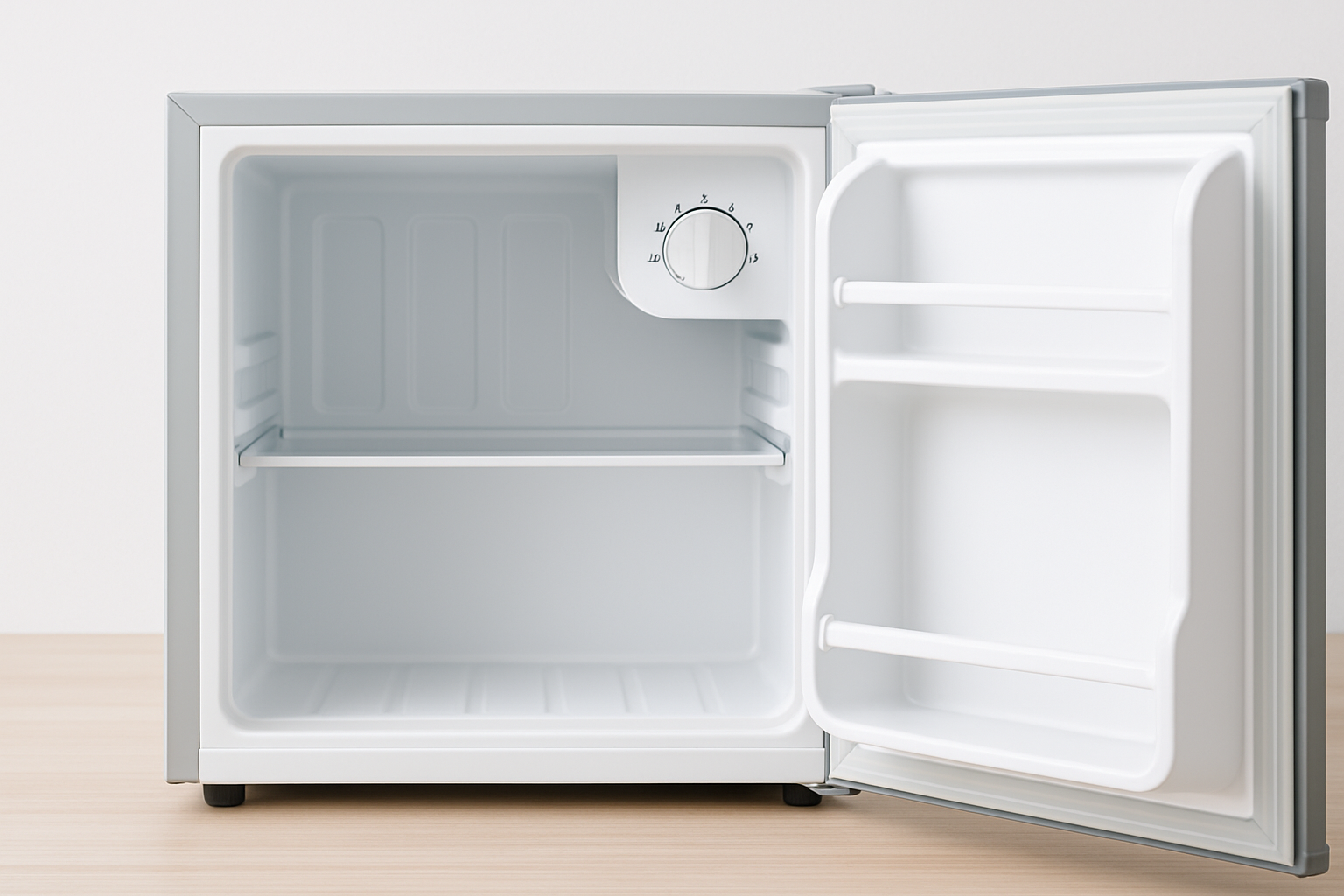
Mini Fridge Temperature Control
Mastering Mini Fridge Temperature Control
Keeping your mini fridge at the right temperature is key to making sure your snacks and drinks stay fresh and safe. Let's break down how temperature control works and the parts that make it happen.
Why Temperature Control Matters
Getting the temperature right in your mini fridge isn't just about keeping your food cold. It's about keeping it safe to eat. If the temperature's off, harmful bacteria can grow, leading to foodborne illnesses. Want to know how long you can keep certain foods in the fridge? Check out our guides on how long are boiled eggs good in the refrigerator? and how long can defrosted chicken stay in the fridge?.
Good temperature control also:
- Keeps your food tasting great
- Cuts down on food waste
- Saves on your energy bill
The Parts That Make It Happen
Your mini fridge has a few key players that keep everything cool:
- Thermostat: Think of this as the brain. It keeps an eye on the temperature and tells the cooling system when to kick in.
- Compressor: This is the muscle. It pumps refrigerant through the coils, pulling heat out of the fridge and pushing it outside.
- Condenser Coils: These are usually at the back or bottom. They get rid of the heat the compressor pulls out.
- Evaporator Coils: Inside the fridge, these guys soak up the heat, keeping the inside cool.
- Fan: This keeps the air moving over the evaporator coils, making sure the whole fridge stays evenly cool.
| Component | What It Does |
|---|---|
| Thermostat | Keeps track of and adjusts the temperature |
| Compressor | Moves refrigerant to remove heat |
| Condenser Coils | Get rid of heat to the outside |
| Evaporator Coils | Absorb heat from inside the fridge |
| Fan | Moves air for even cooling |
Keeping these parts in good shape is crucial. Clean the coils and check the seals regularly to keep your mini fridge running smoothly. Need more tips? Check out our articles on cleaning the mini fridge and inspecting seals and door gaskets.
Knowing how these parts work can help you fix any temperature issues. For more troubleshooting tips, visit our section on common temperature control problems.
Keep Your Mini Fridge Cool: The Right Way
What's the Sweet Spot?
To keep your mini fridge humming along nicely, you gotta get those temperature settings just right. Aim for a cozy 35°F to 38°F (1.7°C to 3.3°C). This range is your best bet for keeping food fresh and bacteria-free.
| Temperature | Fahrenheit (°F) | Celsius (°C) |
|---|---|---|
| Ideal Range | 35°F - 38°F | 1.7°C - 3.3°C |
| Freezing Point | 32°F | 0°C |
| Danger Zone | Above 40°F | Above 4.4°C |
Stick to this range, and your milk won't turn into a science experiment. For more tips on keeping your food safe, check out recommended fridge temp.
What Messes with Your Mini Fridge?
A bunch of stuff can throw off your mini fridge's mojo. Here's what to watch out for:
- Where You Put It: If your mini fridge is chilling next to your oven or soaking up the sun, it's gonna struggle. Keep it in a cool, shady spot.
- Breathing Room: Your fridge needs to breathe. Don't shove it against the wall or pile stuff on top. Let the air flow, baby!
- Stuff Inside: Overstuffed fridge? Bad news. Air needs to circulate. On the flip side, an empty fridge can also mess with the temp. Find a balance.
- Door Drama: Every time you open that door, warm air rushes in. Try not to treat your fridge like a revolving door.
- Seals and Gaskets: If the seals are shot, warm air sneaks in. Check them out regularly and replace if they're looking sad. More on that at inspecting seals and door gaskets.
Knowing these tricks will help you keep your mini fridge at the perfect temp, so your food stays fresh and tasty. If you're having trouble, we've got more tips at common temperature control problems.
Adjusting the Temperature
Keeping your mini fridge at the right temperature is key to making sure your food stays fresh. Here's how to tweak those settings and some handy tips to keep things running smoothly.
How to Change the Temperature Settings
Changing the temperature on your mini fridge is a breeze. Just follow these steps:
- Find the Temperature Dial: Usually inside the fridge, this dial might have numbers or a simple cold-to-colder scale.
- Turn the Dial: Twist it to your desired setting. Lower numbers mean warmer temps, while higher numbers make it colder.
- Give It Time: Let the fridge adjust to the new setting. This can take a few hours to a day.
- Check the Temp: Use a thermometer to make sure the inside temperature is right. Aim for around 37°F (3°C) for safe food storage.
| Setting | Expected Temperature (°F) | Expected Temperature (°C) |
|---|---|---|
| 1 | 50 | 10 |
| 2 | 45 | 7 |
| 3 | 40 | 4 |
| 4 | 37 | 3 |
| 5 | 32 | 0 |
For more details, check out our article on how long does it take for a mini fridge to get cold.
Tips for Efficient Temperature Adjustment
Setting the dial is just the start. Here are some tips to keep your mini fridge running like a champ:
- Don't Overload It: Cramming too much inside can block airflow, making it harder to keep things cool. Leave some space for air to move around.
- Check the Door Seals: Make sure the seals are tight. A bad seal can mess with the temperature. For more on this, see our article on inspecting seals and door gaskets.
- Keep It Clean: Regular cleaning prevents buildup and helps the fridge run efficiently. For cleaning tips, see our guide on cleaning the mini fridge.
- Monitor the Temp: Use a thermometer to keep an eye on the internal temperature. This helps you catch any issues early.
- Limit Door Openings: Try not to open the door too often, as this can cause temperature swings.
Follow these tips, and your mini fridge will keep your food fresh and tasty. For more advice, visit our article on recommended fridge temp.
Keeping Your Mini Fridge Cool and Fresh
Keeping an eye on your mini fridge's temperature is key to making sure your food stays fresh and safe. Let's talk about how to use thermometers and keep up with regular temperature checks.
Thermometers: Your Mini Fridge's Best Friend
To keep your mini fridge at the right temperature, a thermometer is a must-have. It gives you an accurate read on the internal temperature, so you can tweak settings as needed.
Types of Thermometers:
- Digital Thermometers: These give precise readings and often come with handy features like alarms and memory functions.
- Analog Thermometers: Simple and easy to read, but they might not be as accurate as digital ones.
Place your thermometer in the center of the main compartment for the best reading. Avoid putting it near the walls or door, as those spots can have temperature swings.
Keeping Tabs on Temperature
Regularly checking your mini fridge's temperature is crucial for keeping your food in top shape. Here are some tips to help you stay on top of it:
- Daily Checks: Peek at the temperature at least once a day. This way, you can catch any changes quickly.
- Record Keeping: Jot down your temperature readings. This helps you spot patterns or recurring issues and makes troubleshooting easier.
- Adjustments: If the temperature strays from the ideal range, tweak the settings. Check out our guide on recommended fridge temp for the best temperature ranges.
Here's a sample table for logging your temperature readings:
| Date | Time | Temperature (°F) | Notes |
|---|---|---|---|
| 01/01/2026 | 8:00 AM | 37 | Normal |
| 01/02/2026 | 8:00 AM | 40 | Slightly high |
| 01/03/2026 | 8:00 AM | 35 | Normal |
By keeping an eye on and recording the temperature, you can make sure your mini fridge runs smoothly, keeping your food fresh and safe. For more info on specific mini fridge models, like the 4.4 cu ft mini fridge with freezer or the dorm room refrigerator, check out our other articles.
Fixing Mini Fridge Temperature Woes
Struggling with your mini fridge's temperature? We've got some tips to help you out. Let's dive into common issues and how to fix those pesky temperature swings.
Common Temperature Problems
Knowing what can mess with your mini fridge's temperature is half the battle. Here are some usual suspects:
- Uneven Cooling: Some spots are colder than others.
- Random Temperature Changes: Your fridge's temperature goes up and down like a rollercoaster.
- Frost Overload: Too much frost on the cooling element or walls.
- Thermostat Issues: The thermostat isn't keeping the set temperature.
- Clogged Vents: Blocked vents mess with airflow and cooling.
- Dirty Coils: Dusty coils make cooling less effective.
Fixing Temperature Fluctuations
Keep your mini fridge at the right temperature with these steps:
Check the Thermostat
- Make sure it's set right. If it's acting up, you might need a new one.
Inspect the Door Seals
- Look for gaps or damage. Bad seals let air in and out, messing with the temperature. Learn more about checking seals and gaskets.
Clean the Coils
- Dusty coils? Clean them up to keep your fridge cooling well.
Keep Airflow Clear
- Don't block the vents with food. Good airflow means even cooling.
Use a Thermometer
- Pop a thermometer in your fridge to keep an eye on the temperature. Regular checks can catch problems early. Check out our guide on using thermometers in mini fridges.
Don't Overload It
- Too much stuff in the fridge can block airflow and mess with the temperature.
Ventilation Matters
- Make sure there's enough space around your fridge for air to circulate. Poor ventilation can make cooling less effective.
Regular Maintenance
- Keep up with regular checks and cleaning. This includes looking at seals and the thermostat. For more tips, visit maintenance practices.
By tackling these common issues and following these steps, your mini fridge will keep your food and drinks at the perfect temperature. For more tips on managing fridge temperature, check out our recommended fridge temp guide.
Keep Your Mini Fridge Cool: Easy Maintenance Tips
Keeping your mini fridge in top shape is easier than you think. A little regular care goes a long way in making sure your fridge keeps your snacks and drinks at the perfect temperature. Here’s how to keep it running smoothly.
Give It a Good Clean
A clean fridge is a happy fridge. Regular cleaning helps it run better and keeps your food fresh. Here’s a quick guide:
- Unplug It: Safety first! Always unplug your fridge before cleaning.
- Empty It Out: Take everything out and stash it in a cooler.
- Remove Shelves and Drawers: Take out any removable parts for separate cleaning.
- Wipe It Down: Use a mild detergent and warm water to clean the inside, shelves, and drawers. Skip the harsh stuff.
- Dry Everything: Make sure all parts are completely dry before putting them back.
- Clean the Outside: Wipe down the exterior with a damp cloth.
Check the Seals and Gaskets
The seals and gaskets on your fridge door are super important for keeping the cold air in. Here’s how to keep them in check:
- Look for Damage: Check for any cracks, tears, or deformities.
- Clean Them Up: Wipe the seals with a damp cloth to remove dirt and grime.
- Test the Seal: Close the door on a piece of paper. If it slides out easily, you might need new seals.
Regular Maintenance
Besides cleaning and checking the seals, a few other regular tasks can help keep your mini fridge in top shape:
- Defrost When Needed: If your fridge has a freezer, defrost it regularly to prevent ice build-up.
- Check the Temperature: Make sure the temperature settings are right. For more details, check out our article on recommended fridge temp.
- Use a Thermometer: Keep an eye on the internal temperature with a thermometer.
- Keep Vents Clear: Make sure the vents aren’t blocked by food or debris.
| Maintenance Task | How Often |
|---|---|
| Clean Inside | Monthly |
| Check Seals | Every 3 Months |
| Defrost Freezer | As Needed |
| Check Temperature | Weekly |
| Clean Exterior Vents | Every 6 Months |
By sticking to these simple maintenance tips, you’ll keep your mini fridge running efficiently and your food fresh. For more handy tips, check out our articles on 4.4 cu ft mini fridge with freezer and dorm room refrigerator.