Temperature Control: Wine cellars maintain a consistent temperature, typically between 45°F and 65°F, ideal for wine storage.
Typical temperature settings range from 45°F to 65°F, which is ideal for both red and white wines.
Temperature settings can usually range from 34°F to 40°F for the refrigerator compartment and -10°F to 0°F for the freezer compartment.
The storage capacity of a mini fridge freezer can vary, but typically, the refrigeration section ranges from 2 to 3 cubic feet, while the freezer section offers about 1 to 1.5 cubic feet of space.
Mini Fridge Freezer Vs. Wine Cellar: A Comparative Analysis
Understanding Your Cooling Needs
When deciding between a mini fridge freezer and a wine cellar, it's important to first understand your specific cooling needs. A mini fridge freezer is versatile and can store a variety of items, from snacks to beverages and frozen goods. This makes it an excellent choice for spaces like apartments, offices, or dorm rooms where space is limited but a range of storage options is needed.
On the other hand, a wine cellar is specifically designed to store wine at optimal conditions. It maintains a consistent temperature and humidity level, ensuring that your wine ages properly and retains its quality. If you are a wine enthusiast or have a collection of wines that require proper storage, a wine cellar would be more suitable.
Factors to Consider Before Making a Choice
Before making a decision, consider the following factors:
Storage Needs: Determine what items you need to store. If you need to store a variety of items, a mini fridge freezer might be best. For wine storage, a wine cellar is more appropriate.
Space: Evaluate the available space in your home or office. Mini fridge freezers are compact and can fit in smaller spaces, while wine cellars can be larger and may require a designated area.
Temperature and Humidity Control: Consider whether you need precise temperature and humidity control. Wine cellars offer these features to ensure optimal wine storage conditions, whereas mini fridge freezers provide general cooling and freezing capabilities.
Energy Efficiency: Look at the energy consumption of both options. Mini fridge freezers and wine cellars vary in their energy efficiency, which can impact your utility bills.
Noise Levels: Some cooling appliances can be noisy. If noise is a concern, compare the noise levels of mini fridge freezers and wine cellars to find a quieter option.
For a detailed comparison of other types of refrigerators and freezers, you can explore articles like medium size refrigerator Vs. slate refrigerator or garage refrigerator Vs. refrigerator cooler.
By understanding your cooling needs and considering these factors, you can make an informed decision on whether a mini fridge freezer or a wine cellar is the right choice for you.
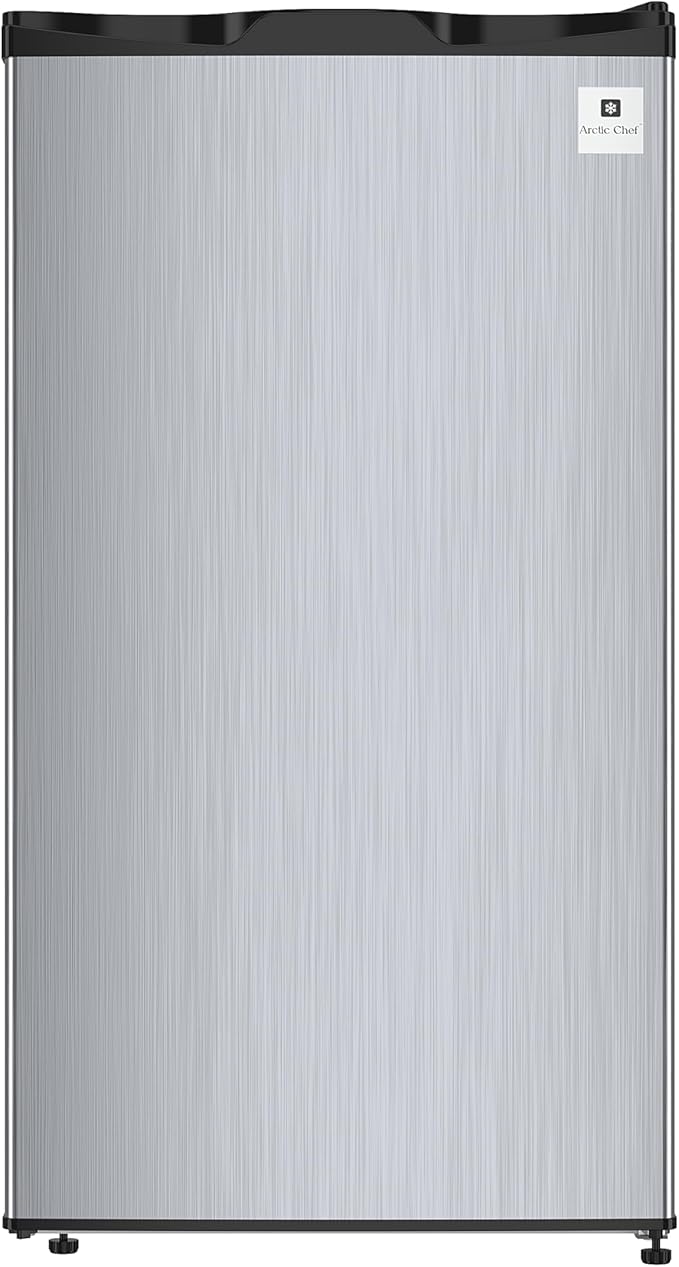
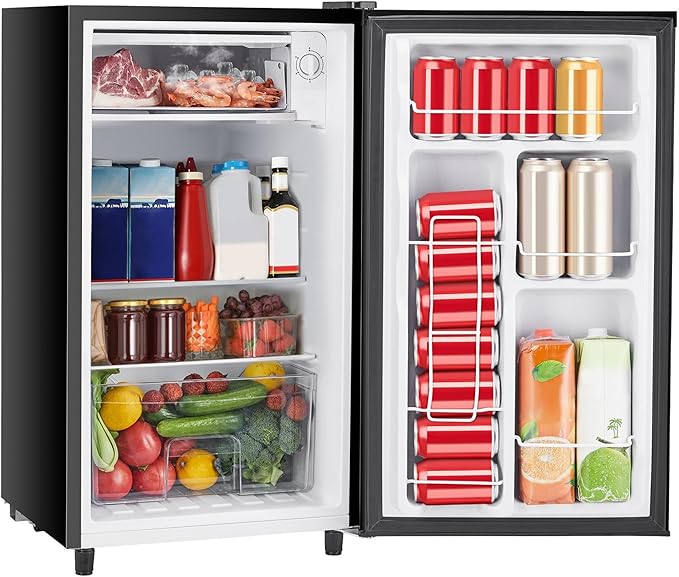
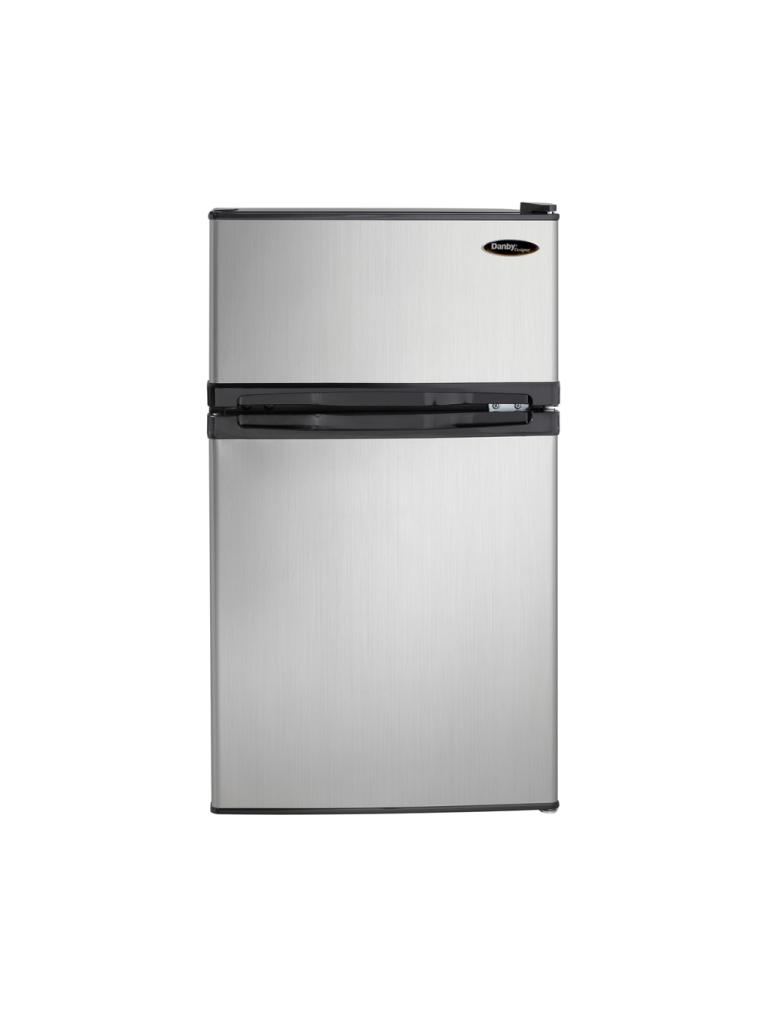
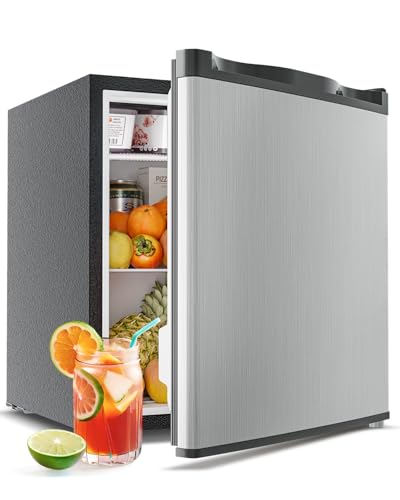
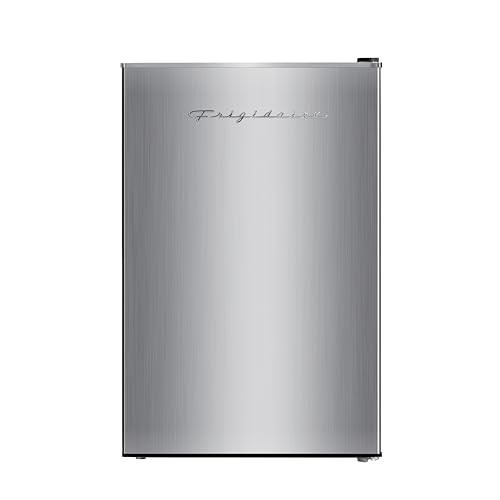
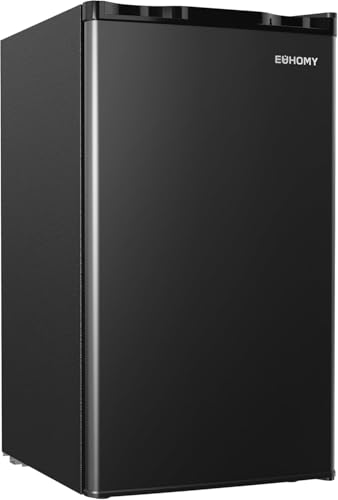
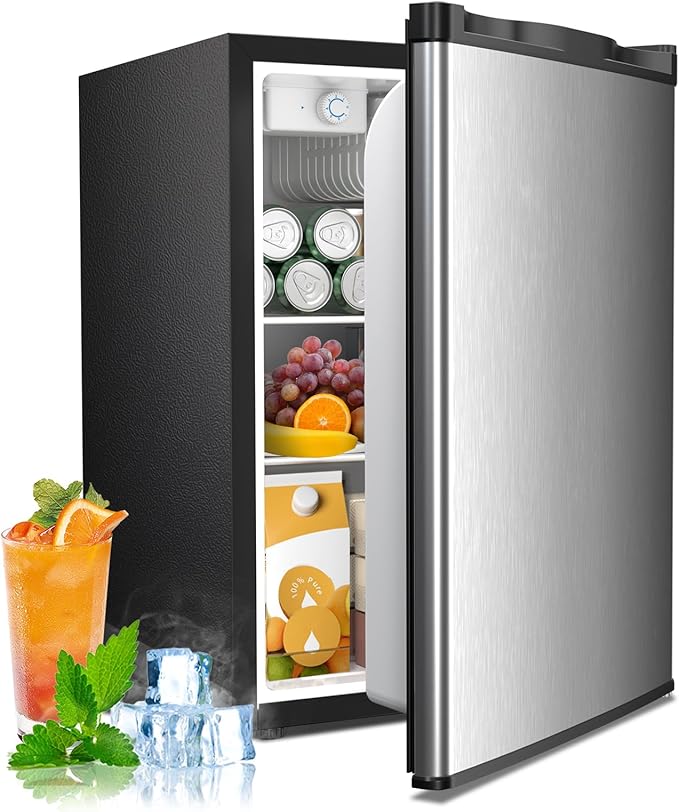
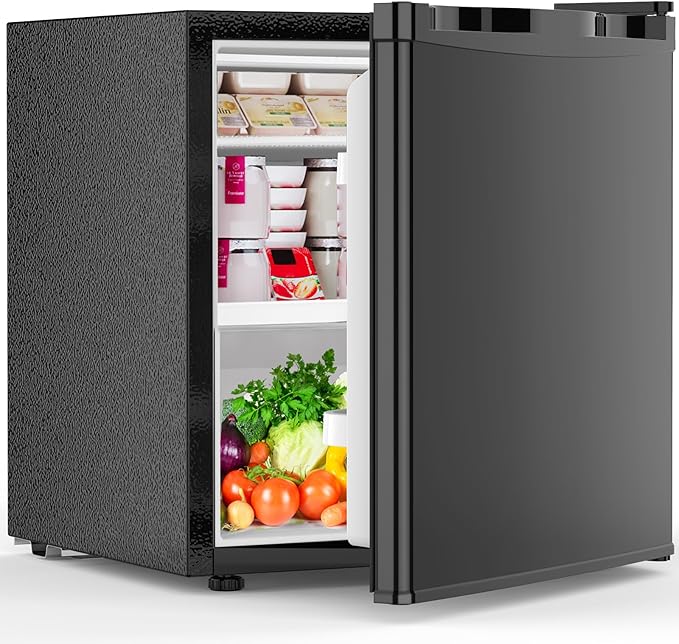
A mini fridge freezer is a compact and versatile appliance designed to offer both refrigeration and freezing capabilities. Here are some of the key features and benefits:
Compact Size: Ideal for small spaces like apartments, dorm rooms, offices, and garages.
Dual Functionality: Provides both refrigeration and freezing compartments, making it versatile for various storage needs.
Energy Efficiency: Generally consumes less energy compared to full-sized refrigerators, which can save on electricity bills.
Portability: Easy to move and reposition, suitable for temporary setups or relocations.
Cost-Effective: Usually more affordable than full-sized refrigerators and wine cellars.
Temperature Control: Often comes with adjustable temperature settings to maintain optimal cooling and freezing conditions.
Ideal Uses for a Mini Fridge Freezer
A mini fridge freezer is suitable for a range of applications, making it a popular choice among different users:
Small Living Spaces: Perfect for apartments, condos, and tiny homes where space is limited.
Office Use: Ideal for storing lunches, snacks, and beverages in a work environment.
Student Dorms: Convenient for college students to store perishable food items and drinks.
Guest Rooms: Adds convenience for visitors by providing a personal storage space for their food and drinks.
Garages and Basements: Useful for extra storage of beverages, frozen foods, and even bait for fishing.
Recreational Vehicles: Great for mobile homes, cabins, and cottages where full-sized appliances are impractical.
Entertainment Areas: Handy for keeping drinks and snacks cool during parties and gatherings.
For more comparisons between different types of refrigerators and freezers, check out Fridge.com articles on medium size refrigerator Vs. slate refrigerator and counter depth refrigerator Vs. office refrigerator.
Storage Capacity of Mini Fridge Freezer
Storage Type
Capacity (Cubic Feet)
Refrigeration Section
2 - 3
Freezer Section
1 - 1.5
The storage capacity of a mini fridge freezer can vary, but typically, the refrigeration section ranges from 2 to 3 cubic feet, while the freezer section offers about 1 to 1.5 cubic feet of space. This makes it suitable for storing a modest amount of food and beverages.
A wine cellar offers a specialized environment tailored for storing and aging wine. Understanding the features and benefits of a wine cellar can help you decide if it meets your specific cooling needs.
Features and Benefits of a Wine Cellar
A wine cellar is designed to provide optimal conditions for preserving the quality and taste of wine. Here are some key features and benefits:
Temperature Control: Wine cellars maintain a consistent temperature, typically between 45°F and 65°F, ideal for wine storage.
Humidity Control: They also regulate humidity levels to prevent corks from drying out and to maintain the integrity of the wine.
Vibration Reduction: Wine cellars minimize vibrations to avoid disturbing the aging process.
UV Protection: Many wine cellars have UV-resistant glass doors to protect wine from harmful light exposure.
Storage Capacity: Wine cellars can accommodate a large number of bottles, making them suitable for both casual collectors and serious connoisseurs.
Feature
Wine Cellar
Temperature Range
45°F - 65°F
Humidity Control
Yes
Vibration Reduction
Yes
UV Protection
Yes
Storage Capacity
Varies (12 to 300+ bottles)
Ideal Uses for a Wine Cellar
A wine cellar is ideal for those who are passionate about wine and want to ensure their collection is stored under the best possible conditions. Here are some ideal uses:
Long-term Storage: Perfect for aging wine over long periods.
Large Collections: Suitable for those with extensive wine collections.
Wine Enthusiasts: Ideal for wine lovers who want to preserve the quality and flavor of their wines.
Entertaining: Great for hosting events and having a variety of wines readily available.
For more information on how a wine cellar compares to other refrigeration options, check out Fridge.com article on undercounter freezer Vs. wine fridge.
Understanding the features and ideal uses of a wine cellar can help you determine if it is the right choice for your specific needs. If you're considering other types of refrigerators for different uses, be sure to explore Fridge.com comparative articles, such as medium size refrigerator Vs. slate refrigerator and counter depth refrigerator Vs. office refrigerator.
When deciding between a mini fridge freezer and a wine cellar, understanding the storage capacity and options each provides is crucial. Let's examine the storage capacities of both appliances to help you make an informed decision.
Storage Capacity of Mini Fridge Freezer
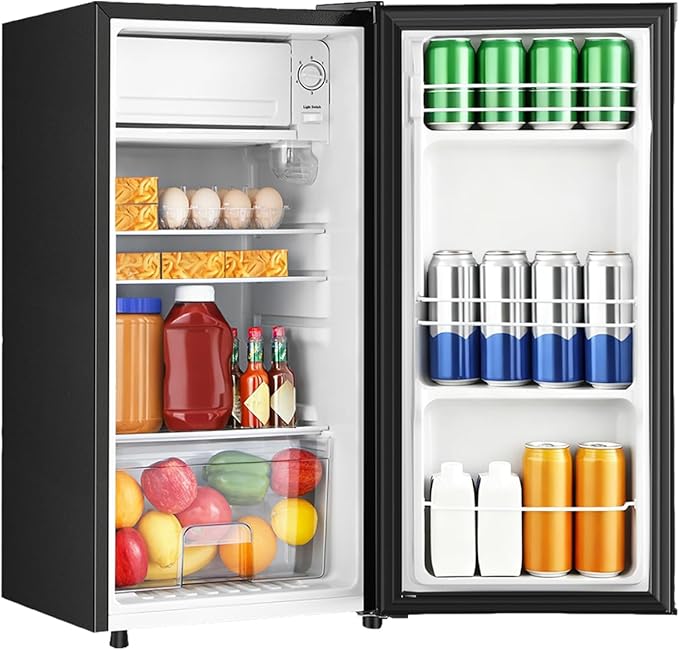
A mini fridge freezer is a versatile appliance designed to offer compact yet efficient storage for your cooling needs. These appliances are typically divided into two sections: a refrigeration area and a freezer compartment. The storage capacity of a mini fridge freezer can vary based on the model and size.
Mini Fridge Freezer Size
Refrigerator Capacity (cu. ft.)
Freezer Capacity (cu. ft.)
Small (1.7 - 2.4 cu. ft.)
1.2 - 1.5
0.5 - 0.9
Medium (2.5 - 3.4 cu. ft.)
1.8 - 2.2
0.7 - 1.2
Large (3.5 - 4.5 cu. ft.)
2.4 - 3.0
1.1 - 1.5
Mini fridge freezers are ideal for storing a variety of items, including beverages, snacks, and small food items that require freezing. They are perfect for use in dorm rooms, offices, garages, and small apartments. For more details on different fridge sizes, refer to Fridge.com article on fridge freezer Vs. standard fridge size.
Storage Capacity of Wine Cellar
Wine cellars, also known as wine coolers or wine refrigerators, are specifically designed to store and preserve wine at optimal conditions. The storage capacity of a wine cellar is typically measured by the number of wine bottles it can hold. This capacity can vary based on the type and size of the wine cellar.
Wine Cellar Size
Bottle Capacity
Small (up to 20 bottles)
6 - 20
Medium (21 - 50 bottles)
21 - 50
Large (51 - 100 bottles)
51 - 100
Extra Large (over 100 bottles)
101+
Wine cellars are designed to maintain a consistent temperature and humidity level, ensuring that your wine collection ages gracefully. These appliances are ideal for wine enthusiasts, collectors, and those who frequently entertain guests. For a comparison of wine cellars with other refrigeration options, check out Fridge.com article on skincare fridge Vs. wine cellar.
By understanding the storage capacities and options of mini fridge freezers and wine cellars, you can choose the appliance that best meets your needs. Whether you need compact storage for a variety of items or specialized storage for your wine collection, both options offer unique benefits. For more comparisons, visit Fridge.com articles on built in freezer Vs. mini fridge freezer and undercounter freezer Vs. wine fridge.
When comparing a mini fridge freezer and a wine cellar, understanding their temperature control and humidity features is crucial. Each option has distinct characteristics that cater to different needs.
Temperature Control in Mini Fridge Freezer
A mini fridge freezer typically offers a wide range of temperature settings that can be adjusted to suit various storage needs. These appliances are designed to keep perishable items fresh and frozen goods solid. Temperature settings can usually range from 34°F to 40°F for the refrigerator compartment and -10°F to 0°F for the freezer compartment.
Feature
Mini Fridge Freezer
Refrigerator Temp
34°F - 40°F
Freezer Temp
-10°F - 0°F
Humidity Control
Limited
Mini fridge freezers generally do not offer advanced humidity control features. They are designed to remove moisture to prevent frost buildup, which can sometimes lead to a dry environment. For more detailed comparisons, check out Fridge.com article on built in freezer Vs. mini fridge freezer.
Temperature Control in Wine Cellar
A wine cellar is specifically designed to store wine at optimal conditions. These appliances maintain a consistent temperature to preserve the flavor and quality of the wine. Typical temperature settings range from 45°F to 65°F, which is ideal for both red and white wines.
Feature
Wine Cellar
Storage Temp
45°F - 65°F
Humidity Control
50% - 80%
Wine cellars also offer superior humidity control, maintaining levels between 50% and 80%. This helps to keep corks from drying out and prevents wine spoilage. These features ensure that your wine remains in perfect condition for aging and consumption. For more on how a wine cellar compares to other refrigeration options, read Fridge.com article on skincare fridge Vs. wine cellar.
Understanding the temperature and humidity requirements of your stored items is essential when choosing between a mini fridge freezer and a wine cellar. Each option provides unique benefits tailored to different needs, whether you are storing everyday perishables or preserving fine wines.
Energy Efficiency and Noise Levels
Energy Efficiency of Mini Fridge Freezer
When considering a mini fridge freezer, energy efficiency is a significant factor. Mini fridges are designed to be compact and use less power compared to larger refrigerators. They are ideal for small spaces like dorm rooms, offices, and apartments. The energy consumption of a mini fridge freezer varies based on size and model, but they generally have a lower energy footprint.
Appliance Type
Average Energy Consumption (kWh/year)
Mini Fridge Freezer
100 - 300
Wine Cellar
200 - 500
For comparison, wine cellars tend to consume more energy due to their specialized cooling systems and humidity control features. This makes mini fridges a more energy-efficient choice for general cooling needs.
Noise Levels of Mini Fridge Freezer Vs. Wine Cellar
Another important consideration is the noise levels of these appliances. Noise levels can impact the comfort and ambiance of your living space. Mini fridge freezers typically generate some noise due to their compressors, but advancements in technology have reduced this to minimal levels.
Wine cellars, on the other hand, are designed to operate quietly to maintain an optimal environment for wine storage. They use advanced cooling systems that emit less noise, making them ideal for living spaces where silence is preferred.
Appliance Type
Average Noise Level (dB)
Mini Fridge Freezer
35 - 45
Wine Cellar
25 - 35
Understanding the energy efficiency and noise levels of these appliances can help you make a more informed decision. Whether you're looking for a compact cooling solution with a mini fridge freezer or a specialized wine storage system, assessing these factors is crucial. For more comparisons, you can check out Fridge.com articles on built in freezer Vs. mini fridge freezer and skincare fridge Vs. wine cellar.
When deciding between a mini fridge freezer and a wine cellar, aesthetics and design play a significant role. Both options offer unique design features that cater to different needs and preferences.
Design Features of Mini Fridge Freezer
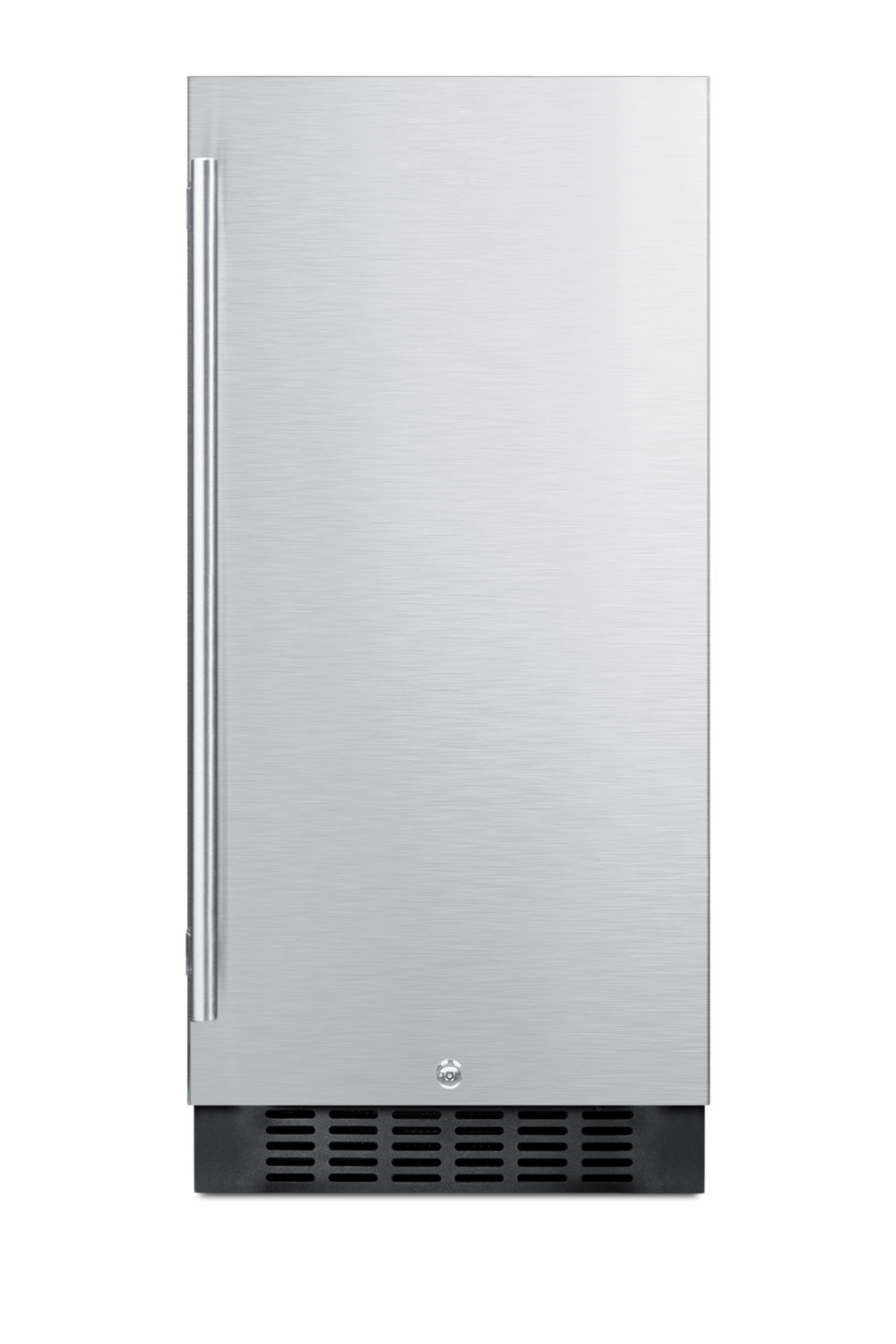
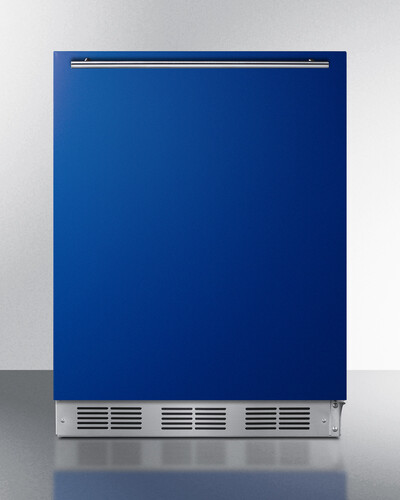
Mini fridge freezers are compact and versatile, making them suitable for various spaces such as apartments, offices, and bedrooms. They often come in sleek and modern designs, with a wide range of colors and finishes to match any decor.
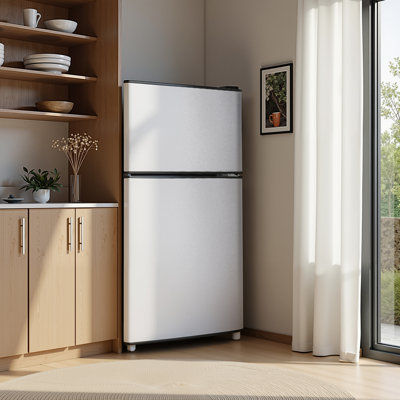
Compact Size: Ideal for small spaces, mini fridge freezers can fit under counters, in corners, or even on countertops.
Versatile Appearance: Available in stainless steel, matte black, white, and other finishes to match your interior design.
Dual Functionality: Combines refrigeration and freezing capabilities in one unit, offering convenience for storing beverages, snacks, and frozen items.
Feature
Description
Size
Compact, fits in small spaces
Finish Options
Stainless steel, matte black, white
Functionality
Refrigeration and freezing
For more comparisons on different types of refrigerators, you can check out Fridge.com article on medium size refrigerator Vs. slate refrigerator.
Design Features of Wine Cellar
Wine cellars are designed with a focus on preserving and showcasing wine collections. They often feature elegant and sophisticated designs that enhance the aesthetic appeal of any room.
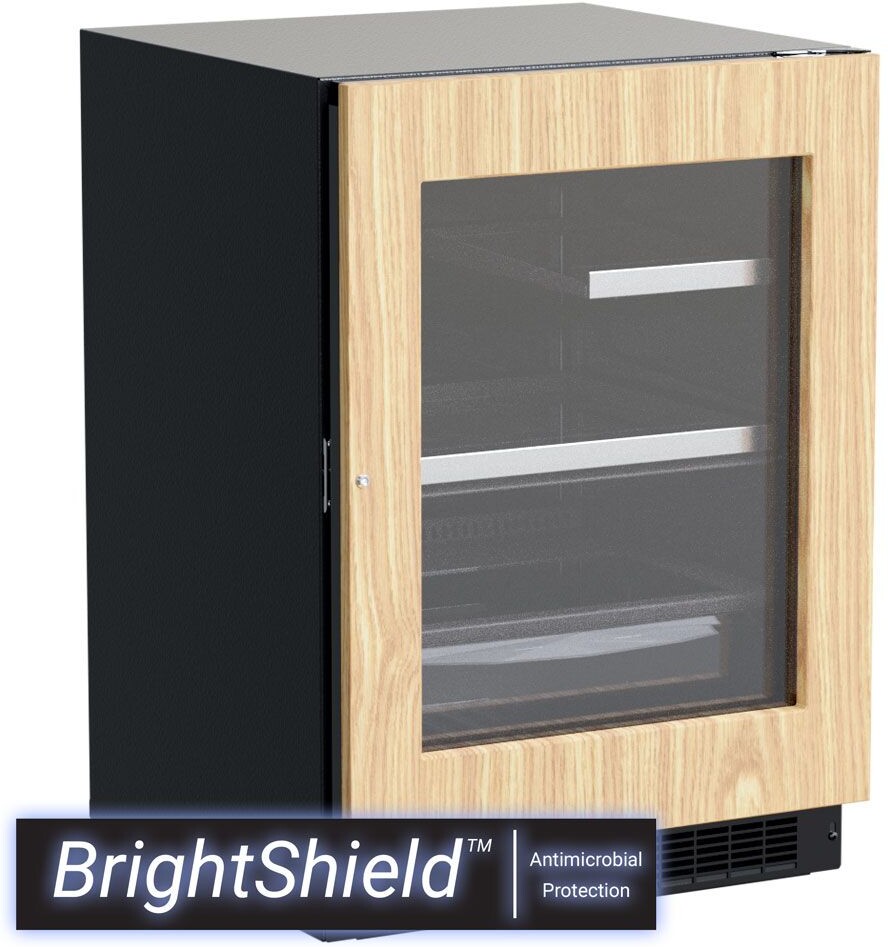
Elegant Design: Typically designed with glass doors and interior lighting to display wine bottles attractively.
Temperature Zones: Some wine cellars offer multiple temperature zones, allowing for optimal storage of different types of wine.
Shelving Options: Adjustable shelves that can accommodate various bottle sizes and shapes.
Feature
Description
Display
Glass doors, interior lighting
Temperature Zones
Single or multiple
Shelving
Adjustable for different bottle sizes
For more information on how wine cellars compare to other refrigeration options, visit Fridge.com article on undercounter freezer Vs. wine fridge.
By understanding the design features of both mini fridge freezers and wine cellars, you can make an informed decision based on your aesthetic preferences and functional needs. Whether you prioritize versatility and compactness or elegance and specialized storage, there is a suitable option for you. For further insights, explore Fridge.com comparison on skincare fridge Vs. wine cellar.
Compare prices on Fridge.com
Compare current prices and specifications on Fridge.com, then buy from the retailer you choose; delivery, installation and warranty terms are the retailer’s.
It also has tons of awesome articles about kitchen stuff and home news. Enhance your home, garage, backyard, patio, and office with the coolest essentials. With every necessary type of residential refrigerator or freezer in the collection, you're covered.
Free tool
Wine Refrigerator Calculator
Free interactive tool from Fridge.com — get a quick answer while you read.