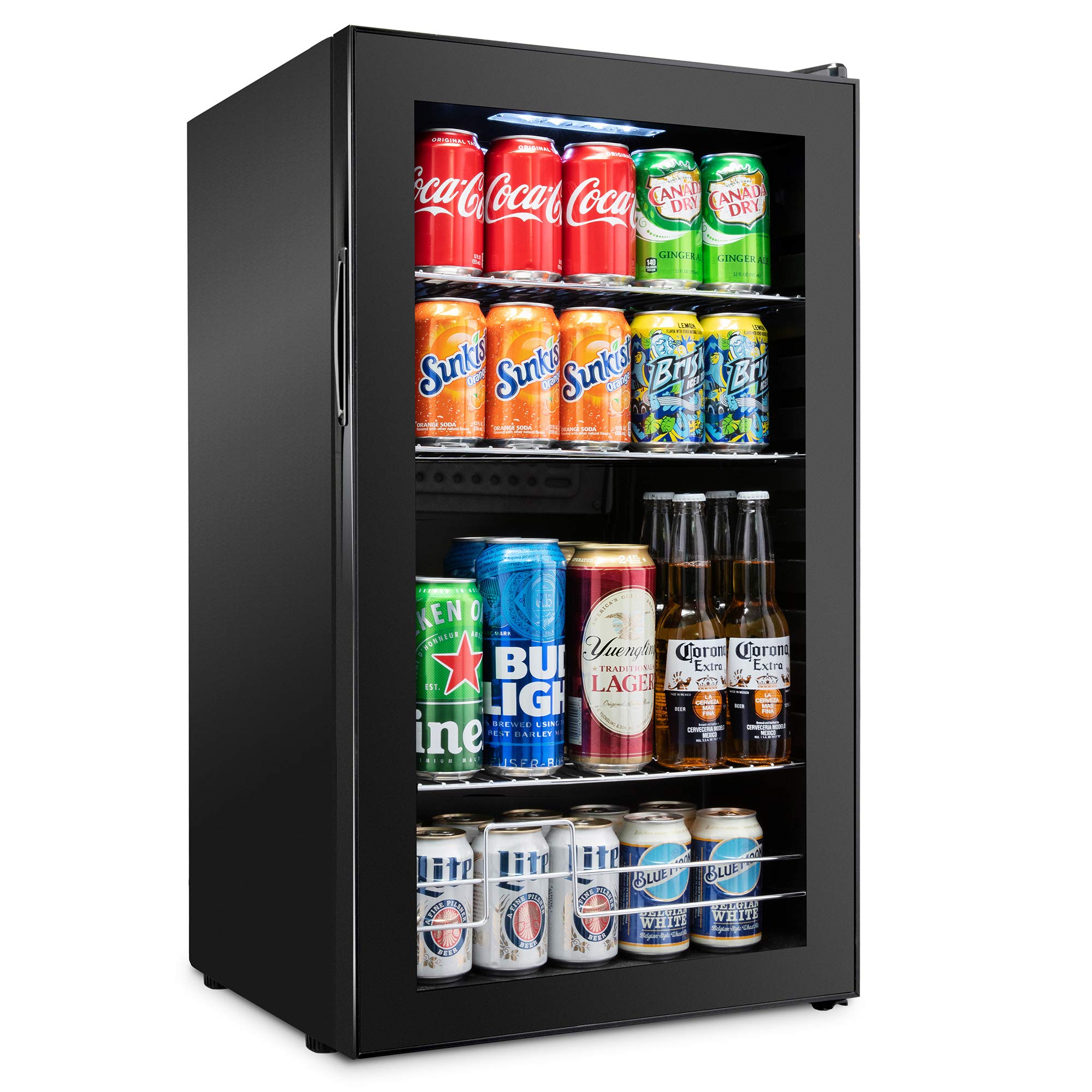
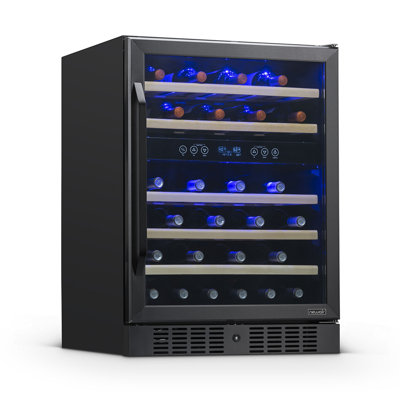
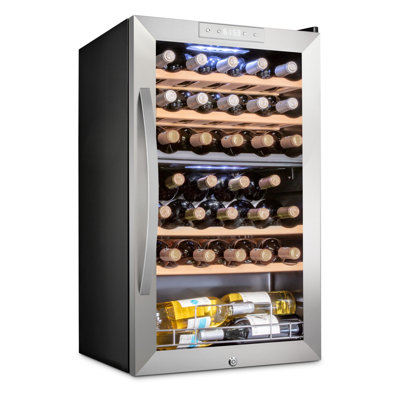
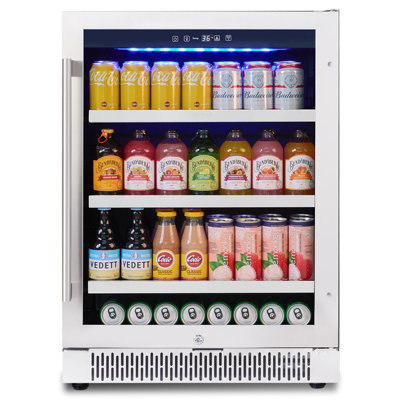
A wine cellar should hold 45°F to 65°F, with a sweet spot around 55°F (13°C), and humidity between 50% and 70% so corks neither dry out nor become too moist.
The 4-10 liter interior of a typical skincare fridge cannot fit a standard wine bottle, and its 35-46°F range is colder than red wine should be stored — reds at 37°F taste thin and muted.
Most skincare fridges are set to operate at a temperature range of 35°F to 50°F (1.6°C to 10°C).
A wine cellar typically maintains a temperature range of 45°F to 65°F (7°C to 18°C), with a sweet spot around 55°F (13°C).
A skincare fridge chills beauty products — serums, eye creams, sheet masks, and facial rollers — at 35°F to 50°F in a compact 4-10 liter unit that sits on a vanity, while a wine cellar preserves bottles at 45°F to 65°F with 50 to 70 percent humidity, vibration dampening, and UV protection across capacities from 20 to 200+ bottles. They are not competing products: one is a personal beauty accessory costing $25 to $300, the other a preservation appliance running $200 to $50,000. This guide compares their temperatures, capacity, energy use, noise, design, maintenance, and cost so you know exactly what each one does and which fits your needs.
Skincare Fridge Vs. Wine Cellar: Purpose and Design
Understanding the Purpose of a Skincare Fridge
A skincare fridge is designed to store beauty and skincare products at optimal temperatures, enhancing their efficacy and shelf life. Typical units hold 4 to 10 liters (0.14 to 0.35 cubic feet), weigh 4 to 8 pounds, and use thermoelectric (Peltier) cooling rather than a compressor — which makes them quiet and vibration-free. Chilling items such as serums, creams, and masks helps soothe the skin, reduce puffiness, and slow the degradation of heat-sensitive active ingredients like vitamin C and retinol. For more on the specifics of these devices, see Fridge.com comparison of bottle refrigerator Vs. skincare fridge.
Exploring the Function of a Wine Cellar
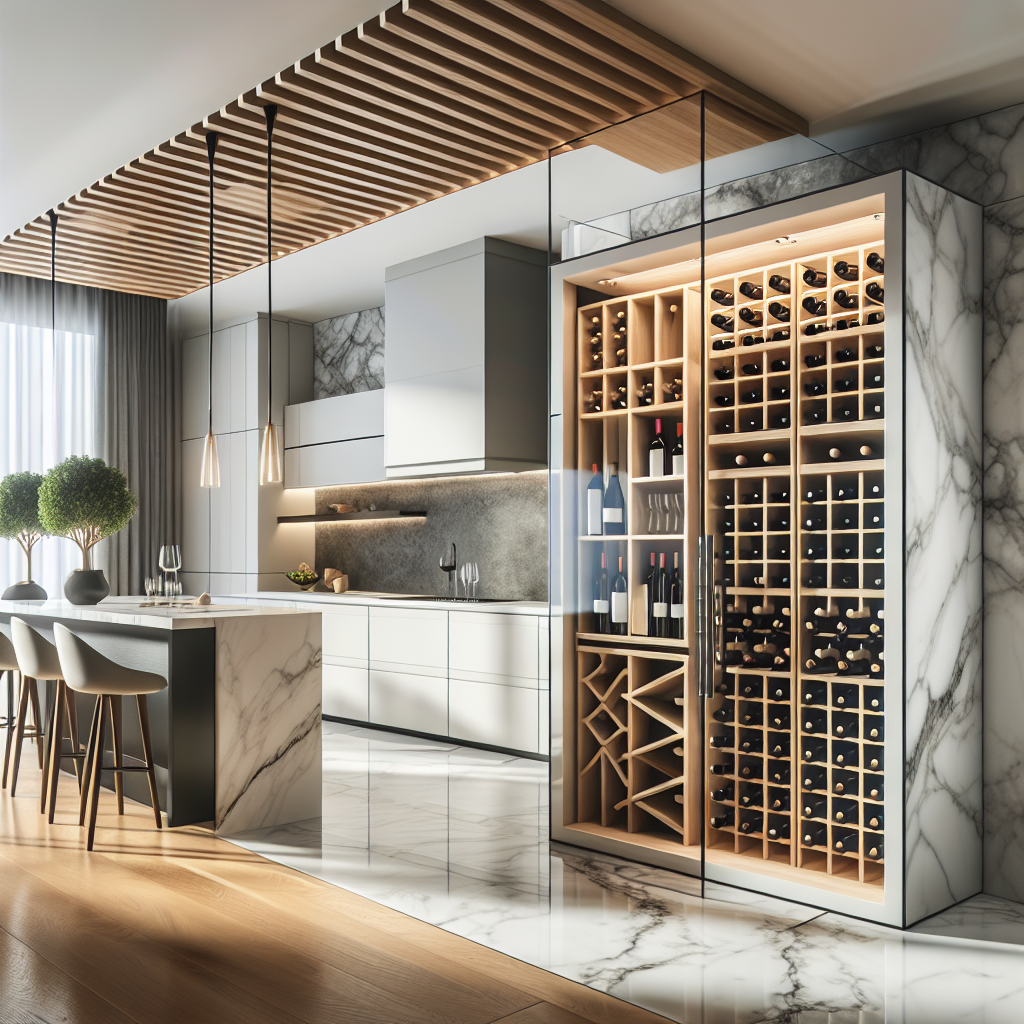
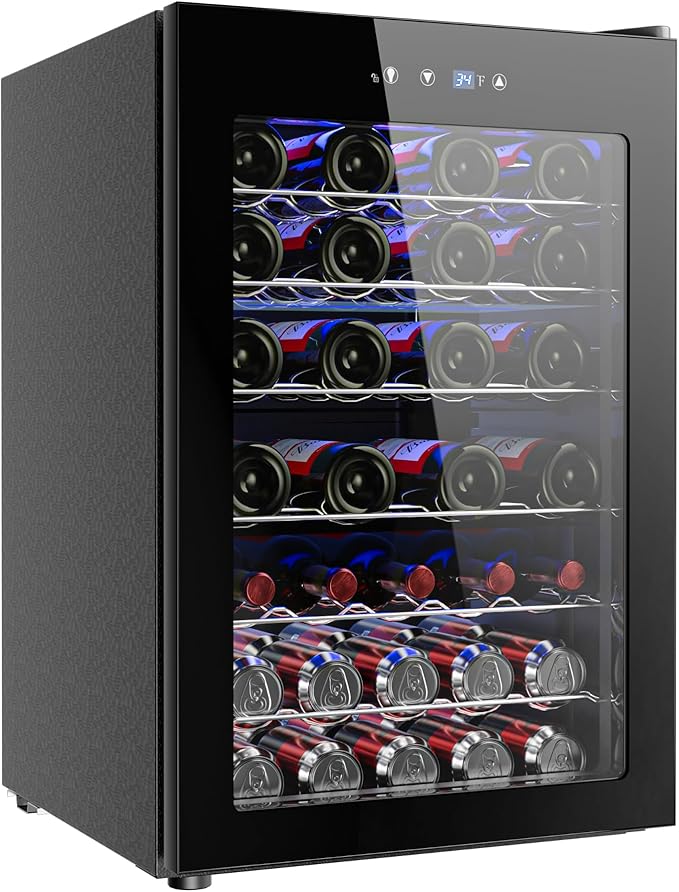
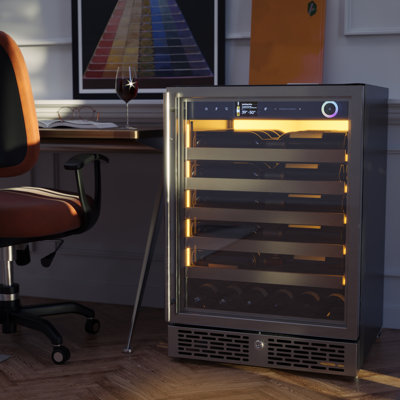
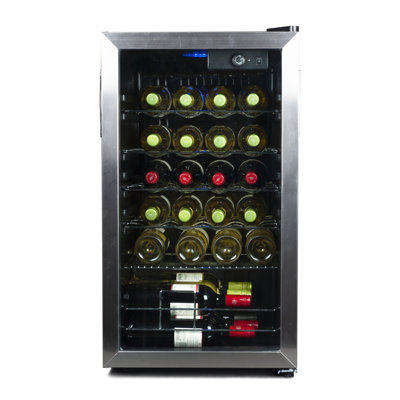
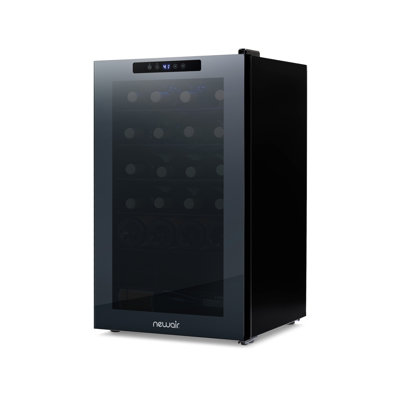
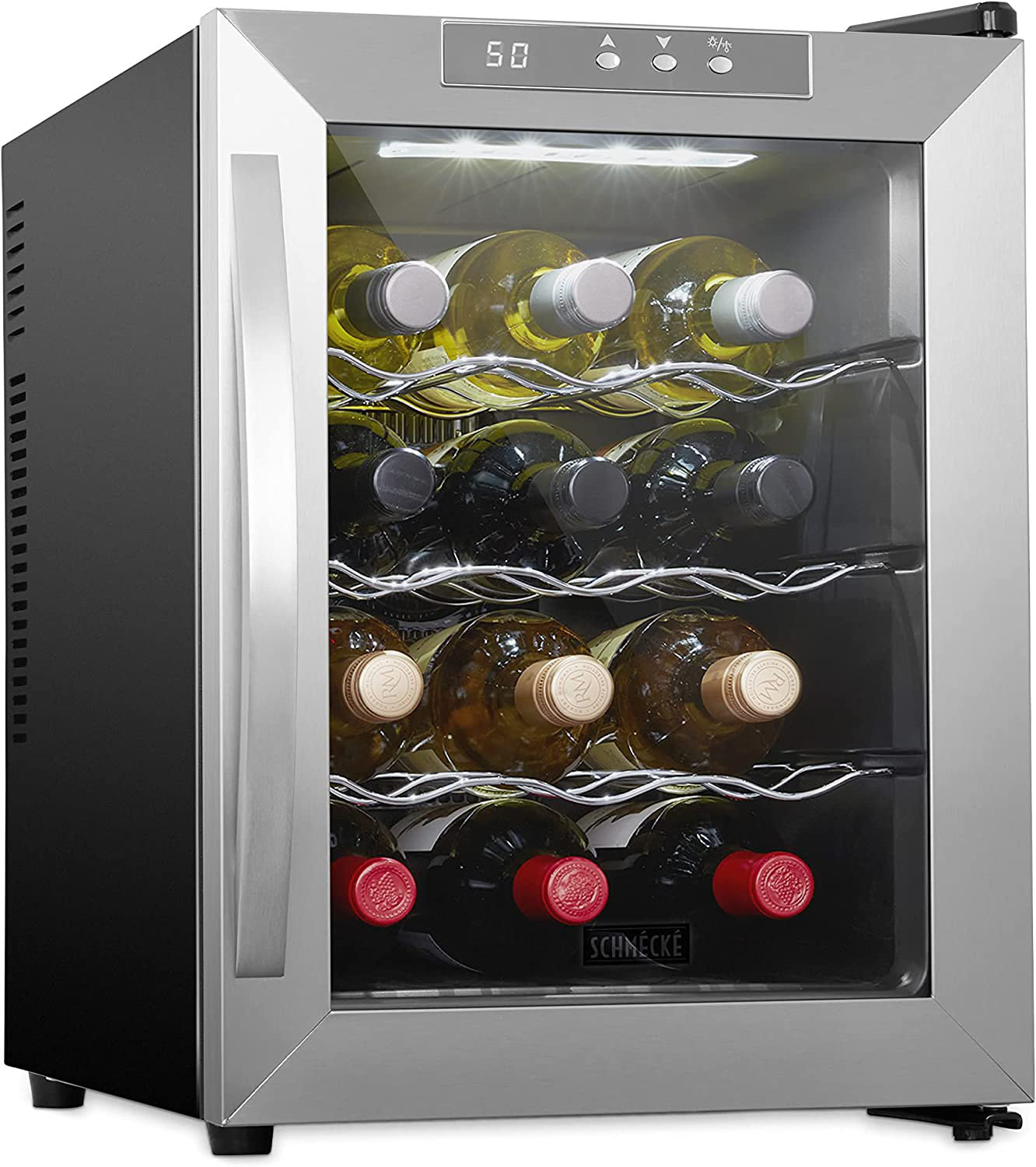
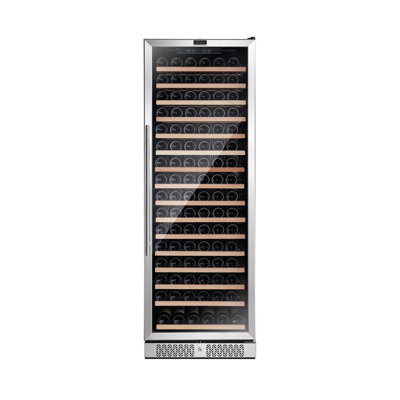
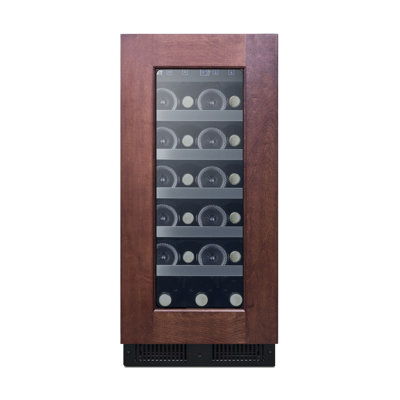
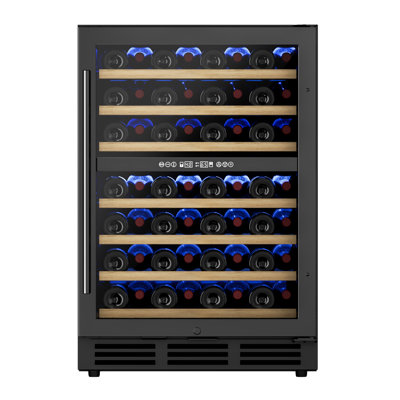
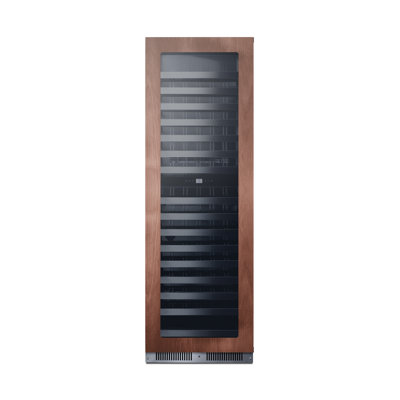
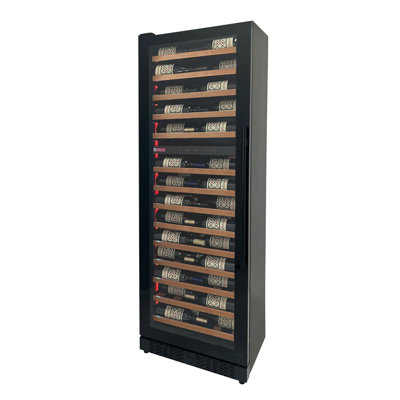
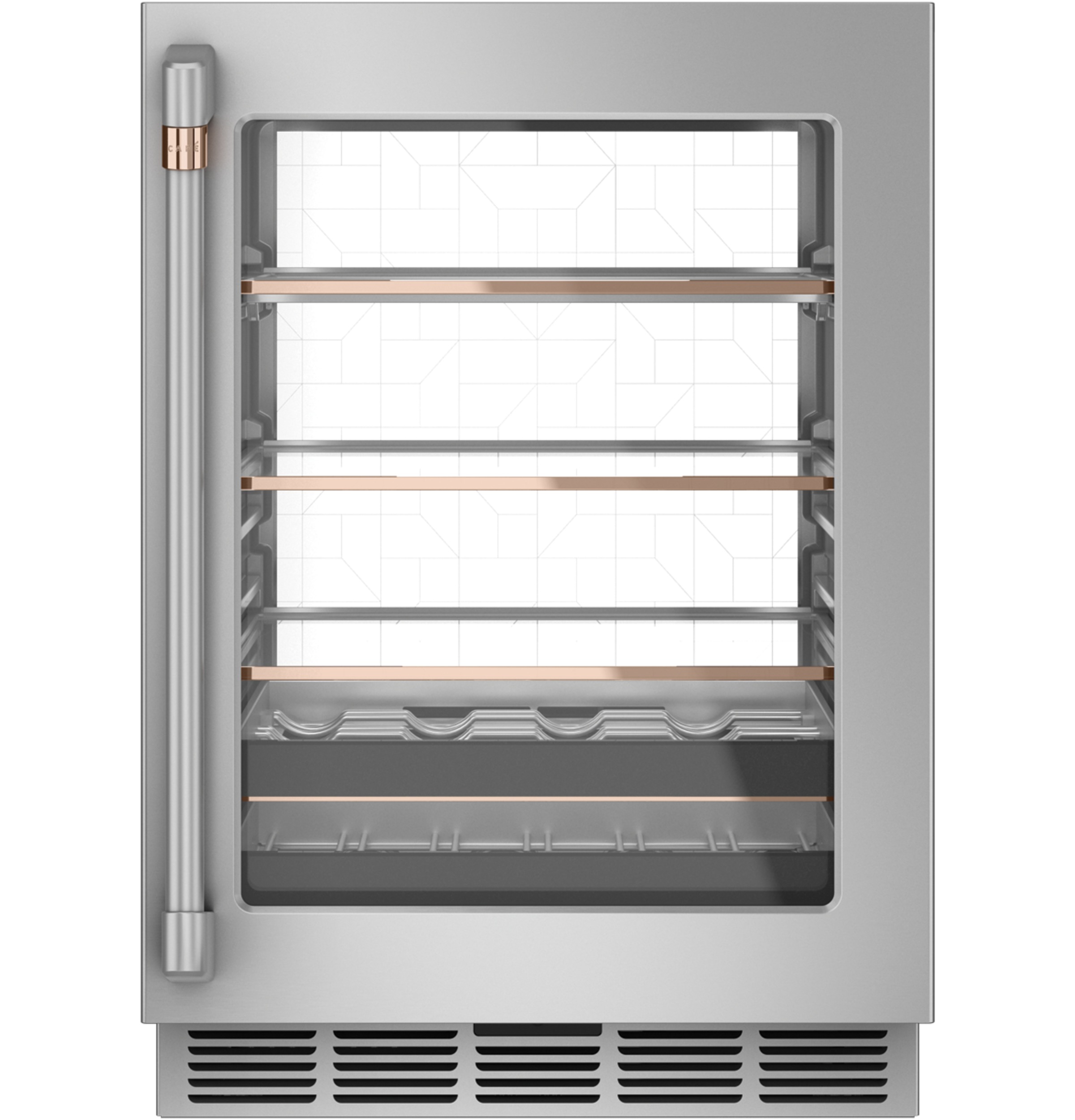
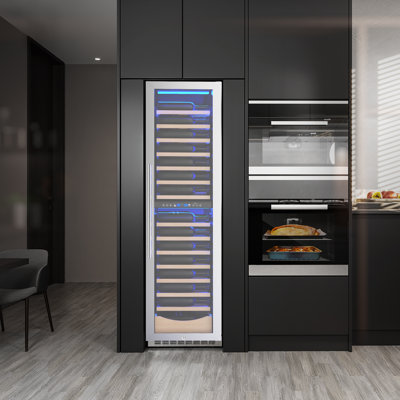
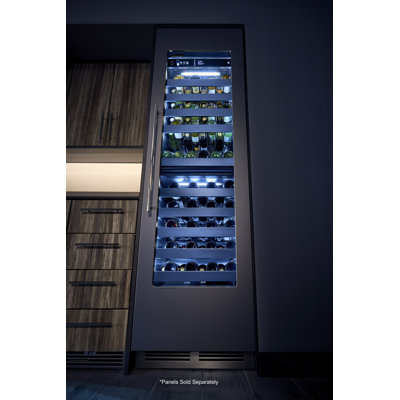
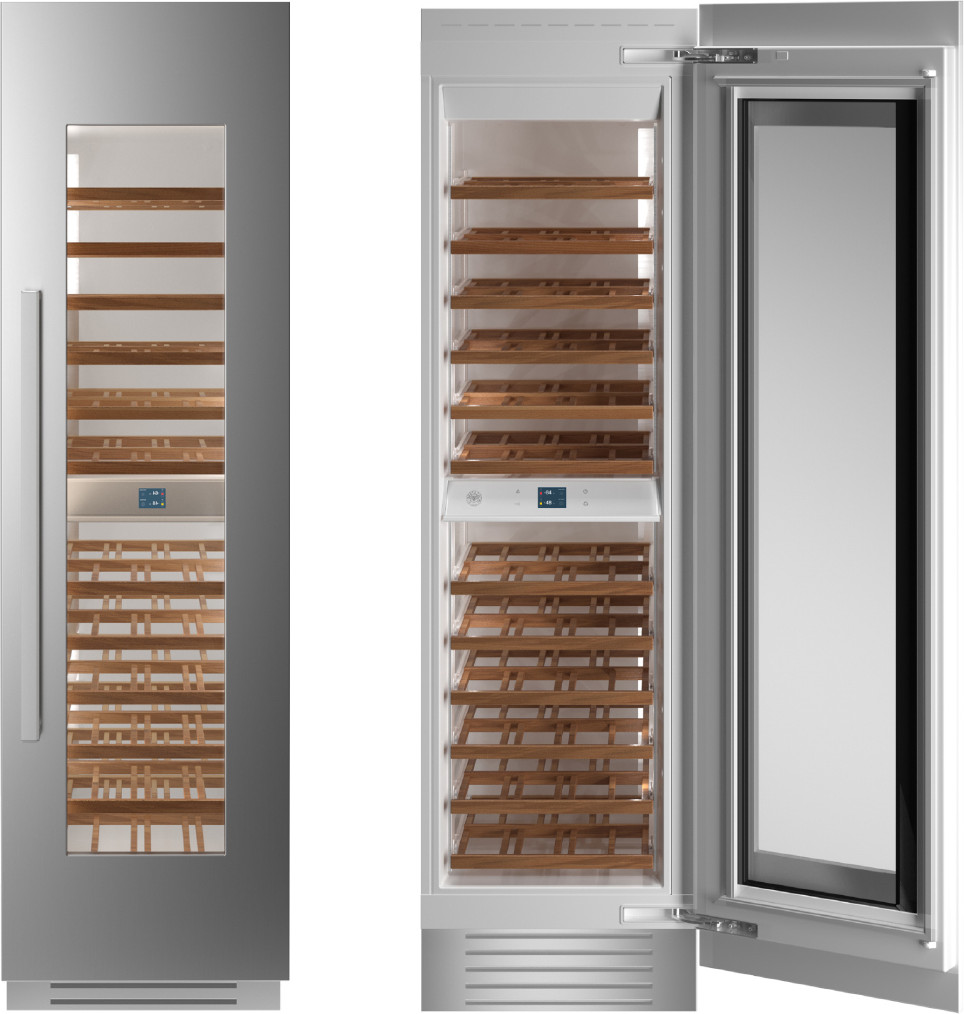
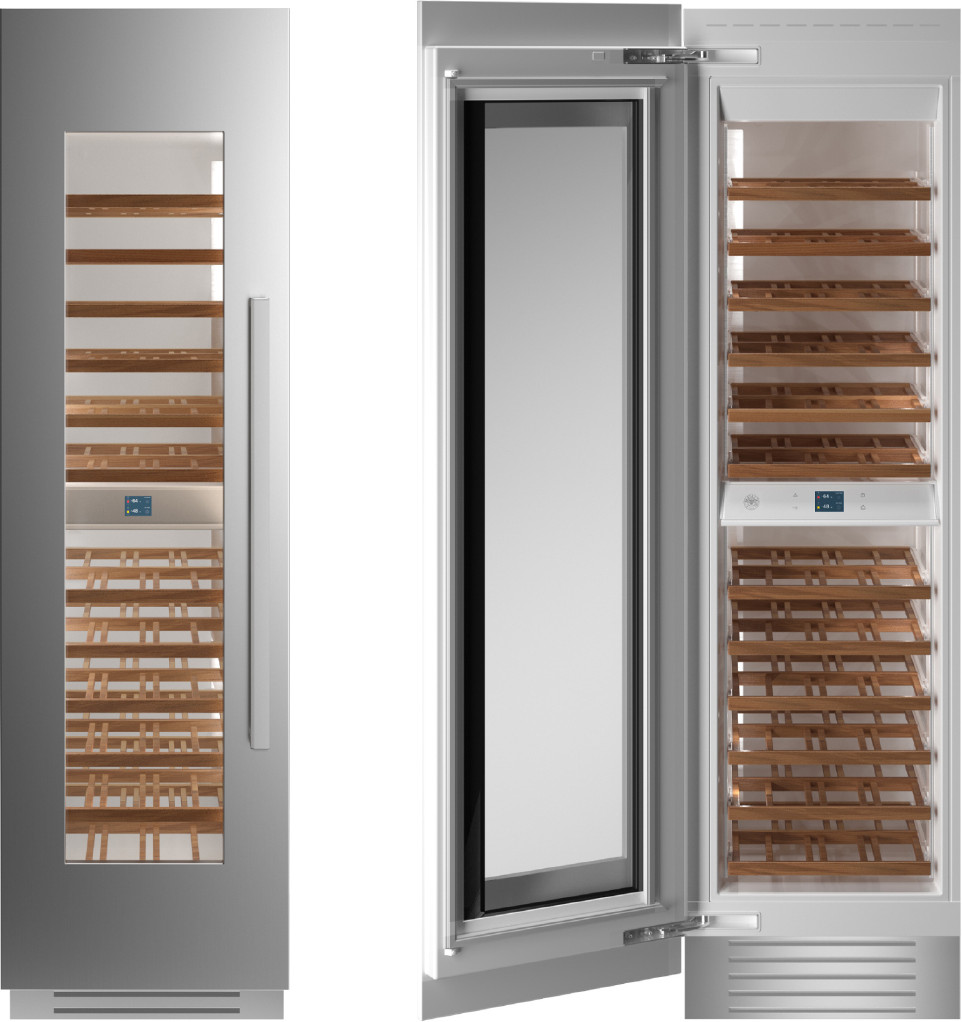
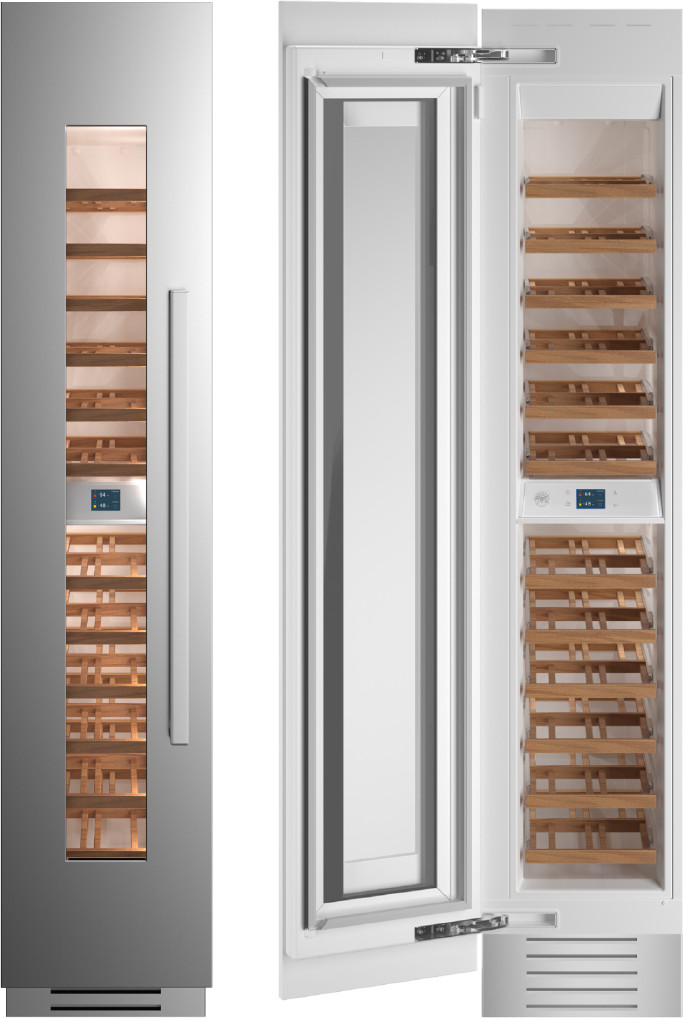
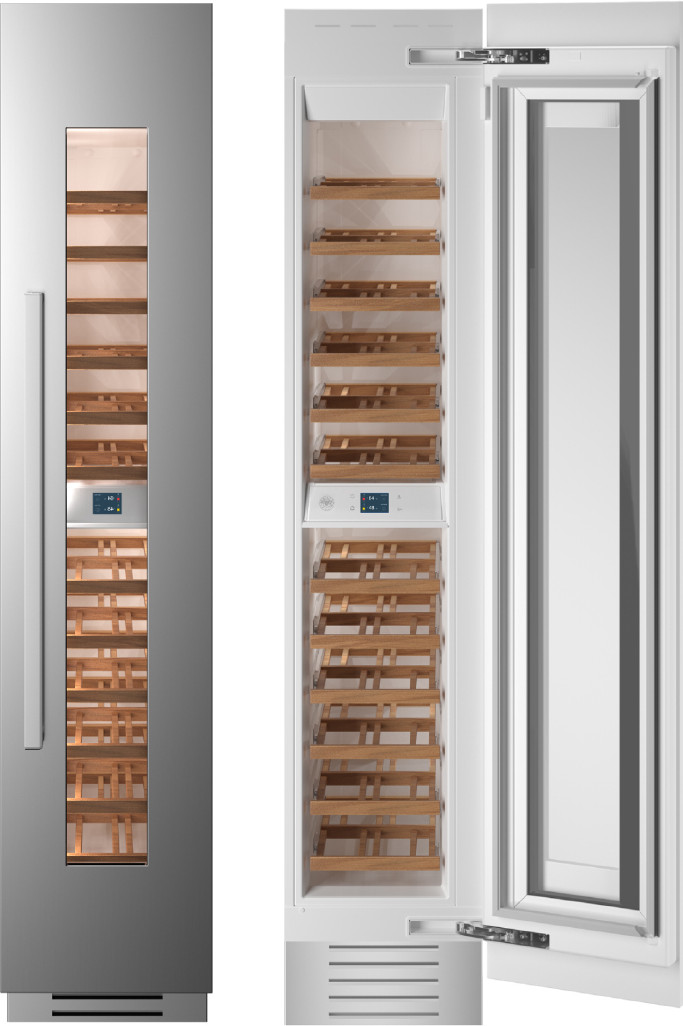
A wine cellar focuses on the storage and aging of wine, maintaining specific temperature and humidity levels to preserve flavor, aroma, and quality over time. The defining features are consistent across formats: precise 45-65°F temperature control, humidity management for cork health, vibration-dampened compressor systems that protect sediment in aging wines, UV-tinted glass that blocks light-induced degradation of tannins and aromatics, and horizontal racks that keep corks in contact with the wine to prevent drying and oxidation. Formats range from undercounter units holding around 46 bottles to full-height columns holding 200 or more, and dual-zone models store whites at 45-50°F and reds at 55-65°F in independently controlled compartments. For more details on wine storage options, consider reading about the mini fridge freezer Vs. wine cellar.
Your skincare products can greatly benefit from being stored at the right temperature. A skincare fridge helps to maintain a cool, consistent temperature, which can extend the shelf life of your products and enhance their effectiveness. Cooling skincare items like creams, serums, and masks can help to soothe your skin and reduce puffiness. Most skincare fridges are set to operate at a temperature range of 35°F to 50°F (1.6°C to 10°C).
Skincare Product
Ideal Temperature (°F)
Ideal Temperature (°C)
Face Creams
35 - 45
1.6 - 7.2
Serums
35 - 45
1.6 - 7.2
Masks
40 - 50
4.4 - 10
Eye Creams
35 - 45
1.6 - 7.2
Keeping your skincare products at these temperatures can help preserve their active ingredients, ensuring they remain effective over time. For more on the benefits and uses of skincare fridges, see Fridge.com article on bottle refrigerator Vs. skincare fridge.
Ideal Conditions for Wine Storage
Wine storage requires a different approach compared to skincare products. The ideal conditions for wine involve both temperature and humidity control to preserve the wine's flavor and quality. A wine cellar typically maintains a temperature range of 45°F to 65°F (7°C to 18°C), with a sweet spot around 55°F (13°C). Humidity levels should be kept between 50% to 70% to prevent the corks from drying out or becoming too moist.
Wine Type
Ideal Storage Temperature (°F)
Ideal Storage Temperature (°C)
Red Wine
55 - 65
13 - 18
White Wine
45 - 55
7 - 13
Sparkling Wine
45 - 50
7 - 10
Maintaining these conditions ensures that your wine ages properly and retains its intended flavor profile. Note that the two appliances target different cold zones for a reason: a wine cellar's 55°F is warmer than the 37-40°F that maximizes the soothing benefit of chilled skincare, while a skincare fridge's 35-46°F is colder than most wine should be served or stored — reds at 37°F taste thin and muted. For more information on wine storage and the differences between wine cellars and other cooling options, visit Fridge.com article on mini fridge freezer Vs. wine cellar.
When comparing the storage capacity and organization of a skincare fridge and a wine cellar, it's essential to understand how each appliance maximizes space and maintains order.
Maximizing Space in a Skincare Fridge
A skincare fridge is designed to store various beauty products, from serums and creams to masks and rollers. To make the most of the limited space, consider the following tips:
Shelves and Compartments: Utilize adjustable shelves and compartments to organize products by type and size.
Vertical Storage: Store taller items vertically to save space and increase accessibility.
Door Storage: Use the door compartments for smaller items like facial mists and eye creams.
Skincare Fridge Feature
Benefit
Adjustable Shelves
Customizable storage for different product sizes
Door Compartments
Easy access to frequently used items
Compact Design
Fits into small spaces like bathrooms or vanity areas
For more information on how to optimize your fridge space, check out Fridge.com article on bottle refrigerator Vs. skincare fridge.
Organizing Wines in a Wine Cellar
A wine cellar is designed to store wine bottles in optimal conditions. Proper organization is crucial for maintaining the quality and accessibility of your collection. Here are some tips for organizing your wine cellar:
Racks and Shelves: Use wine racks and shelves to store bottles horizontally, keeping the cork moist and preventing oxidation.
Labeling System: Implement a labeling system to categorize wines by type, region, and vintage.
Temperature Zones: If your wine cellar has multiple temperature zones, organize wines according to their ideal storage temperatures.
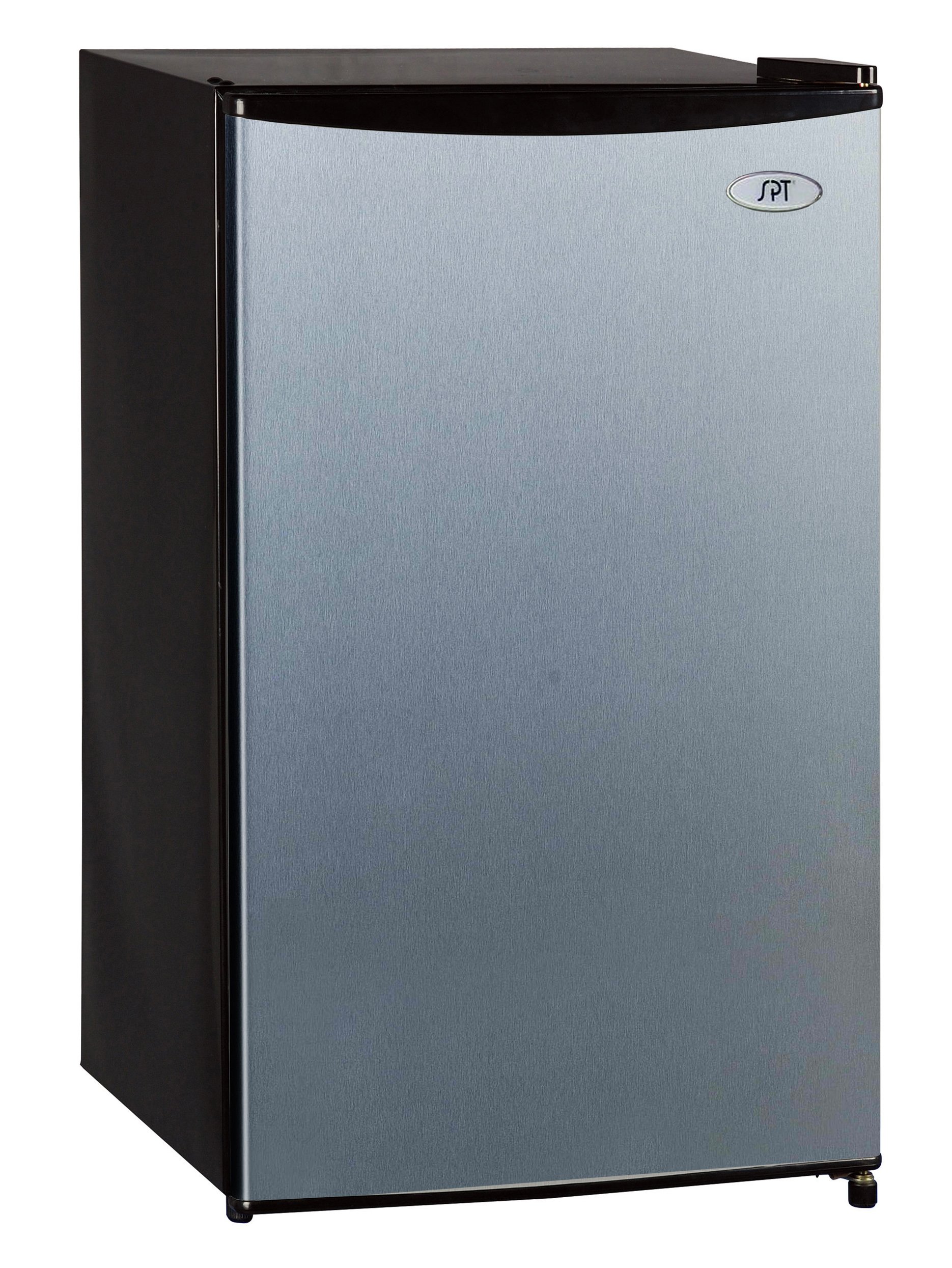
The physical scale difference between these appliances is enormous. Even a compact undercounter wine cellar weighs 100 or more pounds, occupies a 24-inch cabinet opening, and requires a dedicated electrical outlet; full-height wine columns stand around 70 inches tall, and built-in wine rooms can fill an entire closet or basement alcove. A skincare fridge, by contrast, is roughly the size of a large book or small lunchbox — it weighs 4 to 8 pounds, plugs into any standard outlet or USB port, and sits on a bathroom counter, vanity table, or nightstand. Moving it requires one hand. A wine cellar is a permanent or semi-permanent installation that factors into kitchen design; a skincare fridge is a portable personal device.
Energy Efficiency
When comparing a skincare fridge and a wine cellar, understanding their energy efficiency is essential. This section will explore the energy consumption of skincare fridges and the energy usage of wine cellars.
Energy Consumption of Skincare Fridges
Skincare fridges are designed to store beauty products at optimal temperatures. They are generally smaller than standard refrigerators, which means their energy consumption tends to be lower. However, their energy efficiency can vary based on size, insulation, and additional features like temperature control.
Skincare Fridge Size
Average Energy Consumption (kWh/year)
Mini (4-6 liters)
50-70
Small (7-10 liters)
70-100
Medium (11-15 liters)
100-150
Skincare fridges are relatively energy-efficient, especially when compared to larger appliances. For more information on choosing the right skincare fridge, check out Fridge.com comparison of a bottle refrigerator Vs. skincare fridge.
Energy Usage of Wine Cellars
Wine cellars, on the other hand, are designed to store wine at specific temperatures and humidity levels. They are typically larger than skincare fridges, which can result in higher energy usage. The energy efficiency of a wine cellar depends on its size, insulation quality, and the efficiency of its cooling system.
Wine Cellar Size
Average Energy Consumption (kWh/year)
Small (up to 20 bottles)
100-150
Medium (21-50 bottles)
150-200
Large (51-100 bottles)
200-300
Wine cellars consume more energy due to their larger capacity and the need to maintain precise conditions. For an in-depth comparison, see Fridge.com article on mini fridge freezer Vs. wine cellar.
Annual Operating Costs
In dollar terms, neither appliance meaningfully affects a household energy bill. Running a skincare fridge costs less than $10 per year — comparable to a nightlight — and even running both appliances at once adds only about $20 to $40 per year to electricity costs.
Appliance
Annual kWh
Annual Cost
Skincare Fridge (6-liter)
40-80 kWh
$5-$10
Wine Cellar (46-bottle undercounter)
100-250 kWh
$13-$32
Wine Cellar (full-height column)
200-400 kWh
$26-$52
Understanding the energy efficiency of skincare fridges and wine cellars can help you make an informed decision. Whether you're concerned about energy consumption or looking to optimize storage, consider these factors when choosing the right appliance for your needs. For further comparisons, explore Fridge.com article on freestanding wine cooler Vs. portable refrigerator.
Skincare fridges using thermoelectric cooling are extremely quiet — typically 25 to 30 decibels, softer than a whispered conversation — which matters for bedroom and bathroom placement where nighttime quiet counts. The small internal fan produces a barely perceptible hum. Wine cellars with thermoelectric cooling achieve similar quietness at 25 to 35 decibels, while compressor-based wine cellars run at 35 to 42 decibels — still acceptable for kitchen placement but noticeably louder than a skincare fridge. For either appliance, noise is rarely a deciding factor because both categories operate at low volumes for residential spaces.
When choosing between a skincare fridge and a wine cellar, aesthetics and design play a significant role. Both options offer unique styles and elegance, catering to different preferences and settings.
Stylish Options for Skincare Fridges
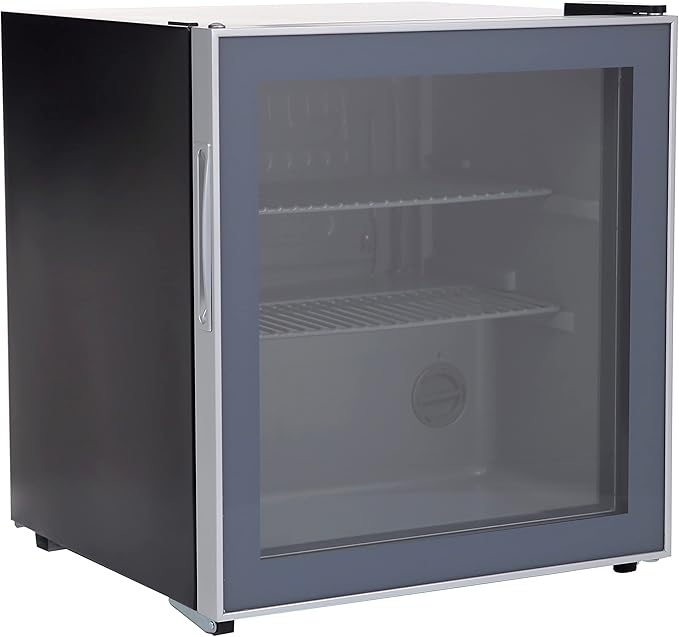
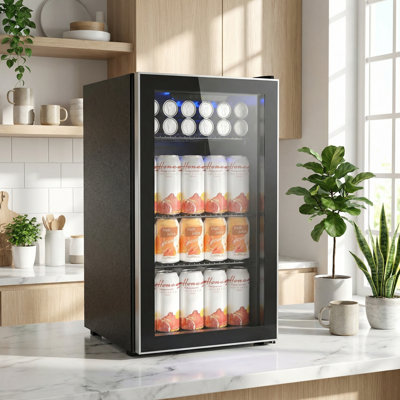
Skincare fridges come in a variety of designs, allowing you to select one that complements your space. These compact units often feature sleek and modern finishes, such as glossy whites, pastels, or stainless steel. Some skincare fridges come with mirrored doors or LED lighting, adding a touch of luxury to your vanity or bathroom.
The compact size of these fridges makes them ideal for small spaces. They can be easily placed on countertops or shelves, and their stylish appearance ensures they blend seamlessly with your decor. For more options on compact refrigeration, check out Fridge.com comparison of bottle refrigerator Vs. skincare fridge.
Elegant Designs of Wine Cellars
Wine cellars, on the other hand, are designed to be both functional and aesthetically pleasing. These larger units often feature rich wood finishes, glass doors, and adjustable lighting to showcase your wine collection beautifully. The elegant designs of wine cellars can enhance the ambiance of your dining room, basement, or entertainment area.
Wine cellars can be customized to fit your specific needs, with options for built-in or freestanding units. The use of high-quality materials and sophisticated design elements ensures that your wine cellar not only preserves your wines but also adds a touch of class to your home. For more insights into different wine storage solutions, check out Fridge.com comparison of undercounter freezer Vs. wine fridge.
Feature
Skincare Fridge
Wine Cellar
Common Finishes
Glossy white, pastels, stainless steel
Rich wood, glass doors
Lighting
LED, mirrored doors
Adjustable lighting
Placement
Countertops, shelves
Dining room, basement, entertainment area
Size
Compact
Larger, customizable
When deciding between a skincare fridge and a wine cellar, consider the aesthetics and design that best suit your lifestyle and space. Whether you prefer the modern and sleek look of a skincare fridge or the elegant and sophisticated design of a wine cellar, both options offer stylish solutions for your storage needs. For further comparisons on refrigeration options, explore Fridge.com articles on compact freezer Vs. undercounter refrigerator and mini fridge freezer Vs. wine cellar.
Keeping your skincare fridge clean is essential for maintaining the efficacy of your beauty products and ensuring a hygienic environment. Here are some cleaning tips:
Unplug the Fridge: Always disconnect the fridge from the power source before cleaning.
Remove All Products: Take out all skincare items and store them in a cool, dry place.
Wipe Down Shelves and Drawers: Use a damp cloth with mild soap to wipe the shelves and drawers. Avoid harsh chemicals that could harm your products.
Clean the Interior: Gently clean the interior walls and door seals with a soft cloth.
Dry Thoroughly: Make sure all cleaned parts are completely dry before plugging the fridge back in and returning your skincare products.
For more tips on organizing, see Fridge.com article on bottle refrigerator Vs. skincare fridge.
Maintaining Wine Cellars
Proper maintenance of your wine cellar is key to preserving the quality and longevity of your wine collection. Here are steps to ensure your wine cellar stays in top condition:
Monitor Temperature and Humidity: Regularly check that the temperature is between 45-65°F and humidity levels are between 50-80%.
Inspect for Mold: Regularly look for signs of mold or mildew and clean any affected areas with a mixture of water and vinegar.
Dust and Vacuum: Dust shelves and vacuum the floor to keep the environment clean and free from pests.
Check Bottle Positioning: Ensure bottles are stored horizontally to keep corks moist and prevent oxidation.
Clean Wine Racks: Wipe down wine racks with a damp cloth to remove dust and debris.
For additional storage tips, visit Fridge.com article on undercounter freezer Vs. wine fridge.
Expected Lifespan
Compressor-based wine cellars last 10 to 15 years — their substantial construction and quality components support long service lives with minimal upkeep beyond annual condenser coil cleaning and gasket inspection. Skincare fridges typically last 3 to 5 years: the thermoelectric module has no moving parts beyond a small fan, so mechanical failures are rare, but the module gradually loses cooling efficiency over time and the fan may wear out. At a $40 to $80 replacement cost, most users simply buy a new skincare fridge rather than repairing the old one.
Cost Considerations
Initial Investment for a Skincare Fridge
When considering the cost of a skincare fridge, the initial investment is relatively modest. These compact refrigerators are designed to store skincare products at optimal temperatures, ensuring they maintain their efficacy. The price of a skincare fridge can vary based on size, features, and design, with entry-level models starting around $25.
Skincare Fridge Type
Price Range ($)
Mini Skincare Fridge
50 - 100
Medium Skincare Fridge
100 - 150
Large Skincare Fridge
150 - 300
A skincare fridge is a cost-effective solution for those who want to keep their beauty products fresh and effective. For more information on different types of refrigerators, check out Fridge.com comparison of bottle refrigerator Vs. skincare fridge.
Budgeting for a Wine Cellar
Creating a wine cellar involves a more significant investment compared to a skincare fridge. The cost of a wine cellar depends on various factors such as size, design, and the level of customization. Countertop wine units start around $200, undercounter models run roughly $200 to $4,000 depending on tier, and full-height columns range from about $800 to $15,000 — while a fully customized, temperature-controlled built-in cellar can reach far higher.
Wine Cellar Type
Price Range ($)
Basic Wine Cellar
500 - 2,000
Mid-Range Wine Cellar
2,000 - 10,000
High-End Wine Cellar
10,000 - 50,000
Wine cellars are designed to provide the ideal conditions for wine storage, including temperature and humidity control. The gap between the two categories is stark: a premium skincare fridge often costs less than the most basic wine cellar. For more insights on wine storage options, explore Fridge.com comparison of undercounter freezer Vs. wine fridge.
Which Skincare Products Actually Benefit from Refrigeration
Not all skincare products need cold storage. Products that benefit most from a skincare fridge include:
Vitamin C serums — the active ingredient degrades when exposed to heat and light.
Retinol and retinoid products — heat accelerates breakdown of the active compound.
Natural and preservative-free formulations — shorter shelf life at room temperature.
Sheet masks — cold application enhances the soothing effect.
Eye creams — cold temperature reduces puffiness and constricts blood vessels.
Facial mists and toners — cold mist feels refreshing and tightens pores.
Jade rollers and gua sha tools — cold stone reduces inflammation and feels therapeutic on skin.
Products that do not need refrigeration include oil-based serums (cold can cause clouding or thickening), clay masks (cold can change texture and reduce effectiveness), sunscreen (stable at room temperature and may become difficult to spread when cold), and most cleansers and moisturizers formulated with standard preservative systems. Storing everything in a skincare fridge is unnecessary — focus on heat-sensitive active ingredients and products where cold application provides a genuine therapeutic benefit.
No — neither appliance can effectively serve the other's purpose. Storing skincare products in a wine cellar wastes enormous capacity and expense on a few small bottles, and the cellar's roughly 55°F environment is warmer than the 37-40°F that maximizes skincare cooling benefits. Storing wine in a skincare fridge is physically impractical — the tiny 4-10 liter interior cannot fit a standard wine bottle, and even one or two bottles would not constitute meaningful wine storage.
The most common misconception is that these are competing products in the same category. They are not: they serve different rooms, different contents, different temperature ranges, and different lifestyle needs. Buying a wine cellar does not eliminate the need for a skincare fridge, and buying a skincare fridge does not substitute for wine storage. In households that value both — a wine cellar in the kitchen preserving a collection and a skincare fridge in the bathroom enhancing the daily routine — the two are complementary purchases serving entirely separate routines.
Choosing the Right Option for You
Factors to Consider
Primary Use Case: Identify your primary need. Are you looking to preserve skincare products or store wine? Each appliance is designed for specific purposes.
Space Availability: Consider the space you have available. Skincare fridges are typically more compact, suitable for bathrooms or bedrooms, whereas wine cellars often require more space and may be better suited for basements or dedicated rooms.
Temperature Requirements: Skincare products and wine have different optimal storage temperatures. Skincare products generally benefit from cooler temperatures, while wine needs a controlled environment with specific temperature and humidity levels.
Energy Efficiency: Compare the energy consumption of both options. Skincare fridges tend to use less energy due to their smaller size, while wine cellars can be more energy-intensive.
Cost: Evaluate the initial investment and ongoing costs. Skincare fridges are typically less expensive upfront, whereas wine cellars can require a larger investment.
Personal Preferences and Lifestyle Requirements
Lifestyle Fit: Consider how each appliance fits into your daily routine. If you frequently use skincare products, having a dedicated fridge can be convenient. If you enjoy entertaining guests with a selection of wines, a wine cellar may be more appropriate.
Design Preferences: Choose an option that complements your home decor. Skincare fridges come in various stylish designs, while wine cellars often feature elegant and sophisticated aesthetics.
Storage Needs: Assess your storage needs. Skincare fridges are ideal for organizing small bottles and jars, while wine cellars offer ample space for wine bottles and accessories.
Maintenance: Consider the ease of maintenance. Skincare fridges are relatively easy to clean and maintain, while wine cellars may require more attention to ensure optimal conditions.
Personal Priorities: Reflect on your personal priorities. If skincare is a significant part of your routine, a dedicated fridge can enhance your regimen. If wine collection is a hobby, a wine cellar can enhance your enjoyment and preservation efforts.
Most skincare fridges operate between 35°F and 50°F (1.6°C to 10°C). A target of 37-40°F maximizes the soothing, de-puffing benefit of chilled products; serums, face creams, and eye creams do best at 35-45°F, while masks are fine at 40-50°F.
What temperature and humidity should a wine cellar maintain?
A wine cellar should hold 45°F to 65°F, with a sweet spot around 55°F (13°C), and humidity between 50% and 70% so corks neither dry out nor become too moist. Reds store best at 55-65°F, whites at 45-55°F, and sparkling wines at 45-50°F.
Can I store skincare products in a wine cellar?
You can, but it is a poor fit. A wine cellar's roughly 55°F interior is warmer than the 37-40°F that gives skincare its cooling benefits, and a few small jars waste the capacity of an appliance built for dozens of bottles.
Can a skincare fridge hold wine?
Practically no. The 4-10 liter interior of a typical skincare fridge cannot fit a standard wine bottle, and its 35-46°F range is colder than red wine should be stored — reds at 37°F taste thin and muted.
How much do a skincare fridge and a wine cellar cost to run?
A 6-liter skincare fridge uses 40-80 kWh per year, about $5-$10. An undercounter wine cellar uses 100-250 kWh ($13-$32), and a full-height column 200-400 kWh ($26-$52). Running both adds only about $20-$40 per year to electricity costs.
How long does each appliance last?
Compressor-based wine cellars typically last 10-15 years. Skincare fridges last about 3-5 years, as the thermoelectric module gradually loses cooling efficiency; at $40-$80 to replace, repair is rarely worthwhile.
Are skincare fridges or wine cellars loud?
No. Thermoelectric skincare fridges run at 25-30 decibels — quieter than a whisper — making them fine for bedrooms. Thermoelectric wine cellars run at 25-35 decibels, and compressor wine cellars at 35-42 decibels, still acceptable for kitchens.
Which skincare products should not be refrigerated?
Skip the fridge for oil-based serums (cold causes clouding or thickening), clay masks (cold changes their texture), sunscreen (stable at room temperature and harder to spread when cold), and most standard cleansers and moisturizers.
Why are wine bottles stored horizontally?
Horizontal storage keeps the cork in contact with the wine, which keeps it moist and prevents the oxidation that dries corks and spoils flavor. It is one of the core design features of wine racks in any cellar.
Compare prices on Fridge.com
Compare current prices and specifications on Fridge.com, then buy from the retailer you choose; delivery, installation and warranty terms are the retailer’s.
It also has tons of awesome articles about kitchen stuff and home news. Enhance your home, garage, backyard, patio, and office with the coolest essentials. With every necessary type of residential refrigerator or freezer in the collection, you're covered.
Frequently Asked Questions
No — neither appliance can effectively serve the other's purpose. Storing skincare products in a wine cellar wastes enormous capacity and expense on a few small bottles, and the cellar's roughly 55°F environment is warmer than the 37-40°F that maximizes skincare cooling benefits. Storing wine in a skincare fridge is physically impractical — the tiny 4-10 liter interior cannot fit a standard wine bottle, and even one or two bottles would not constitute meaningful wine storage. The most common misconception is that these are competing products in the same category. They are not: they serve different rooms, different contents, different temperature ranges, and different lifestyle needs. Buying a wine cellar does not eliminate the need for a skincare fridge, and buying a skincare fridge does not substitute for wine storage. In households that value both — a wine cellar in the kitchen preserving a collection and a skincare fridge in the bathroom enhancing the daily routine — the two are complementary purchases serving entirely separate routines.