Fridge.com Logo

Limited Garage Freezer

By • Published September 20, 2025

Limited Garage Freezer

Assessing Your Space

So you're thinking about getting a nifty freezer for your garage, huh? Good call! Let me give you the lowdown on making the most out of your space, and at the same time, keeping your frozen goodies in top shape.

Evaluating Your Available Garage Space

First things first, whip out that measuring tape. It's all about knowing your turf:

  • Get the length, width, and height of where that freezer is gonna go.
  • Make sure there's room to swing open the doors or lift that lid without busting a gut.
  • Don't forget to leave a little breathing room for the freezer—ventilation's its best buddy.

Here's a quick cheat sheet to match the freezer size with your space:

Space Size (ft) Sweet Spot for Freezer Size (cu. ft.)
4 x 3 5 - 7
6 x 4 8 - 12
8 x 6 12 - 18

Keep a bit of space around it to let the air flow—talk about keeping it cool!

Considering Temperature Fluctuations

Garage temps can go all over the place faster than a roller coaster. Here's how to keep it chill:

  • Garage Insulation: Think of your garage as a giant cooler. Without decent insulation, summertime feels like a sauna and winter turns it into an icebox.
  • Heat Sources: Make sure that freezer stays away from sunlight or any heat-spitting gizmos.
  • The Chill Factor: Freezing temps outside aren't always a freezer's best friend. Winter might make it work harder to keep your goods frosty.


Your freezer should be all set to hang out at a cool 0°F (-18°C). If you're worried it might waver, consider snagging a model built for garages or slap an external thermometer on it to stay in the loop. Curious about what goes down if your freezer starts feeling too toasty? Check out our guide on what happens if freezer is too warm?.

Spend a little time scoping out your space and eyeballing those temperature quirks. Before you know it, you'll have a garage freezer that's not just holding your ice cream but keeping it as dependable as your favorite pair of sneakers.

Choosing the Right Freezer

Picking out a garage freezer can seem like a big deal, but it's all about snagging the one that ticks your boxes. Get the right type and size, and you're in for smooth sailing when it comes to food storage. Let’s chop it up and compare chest and upright freezers, and dive into what you wanna keep in mind about sizing and capacity.

Chest Freezers Vs. Upright Freezers

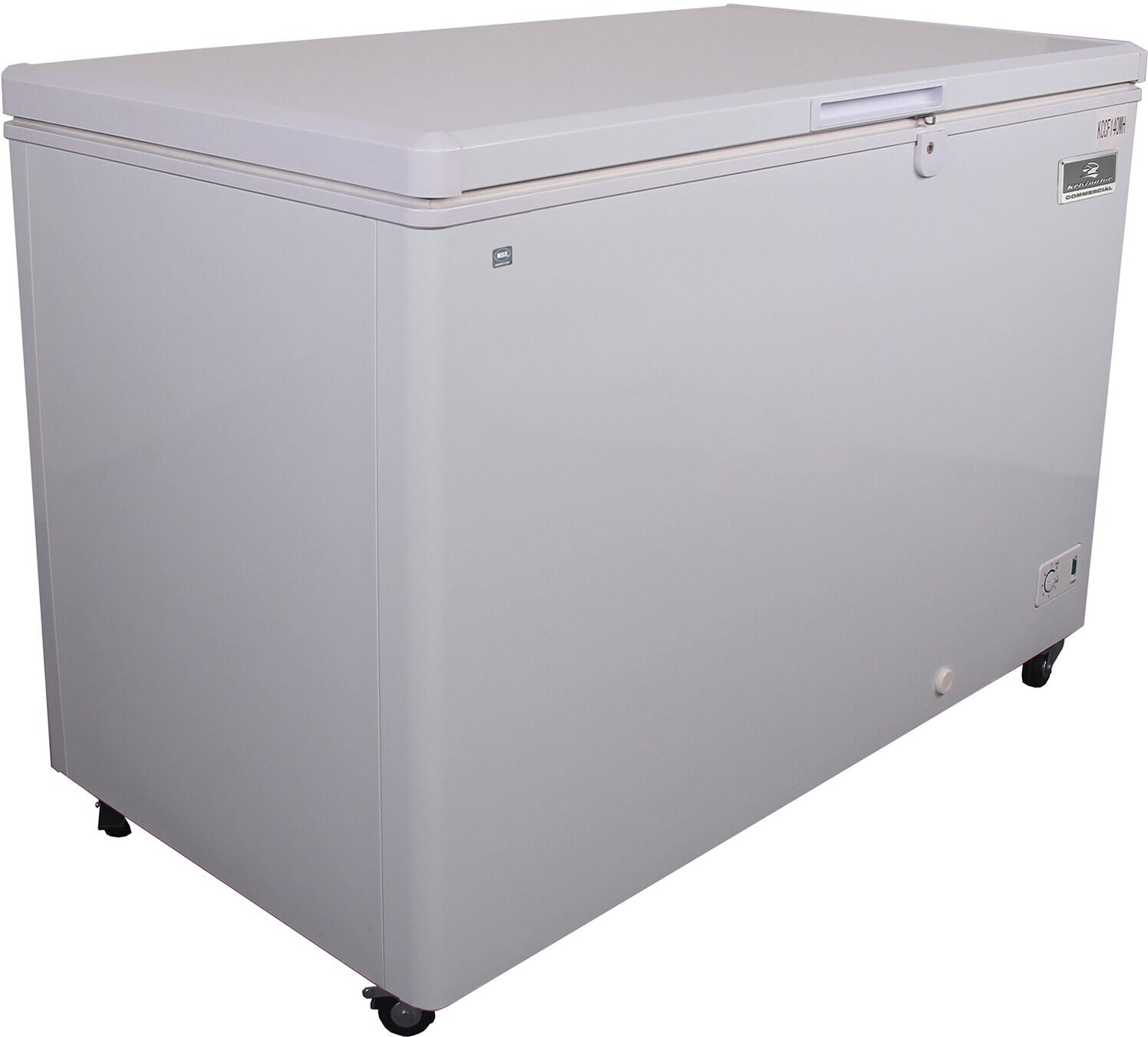
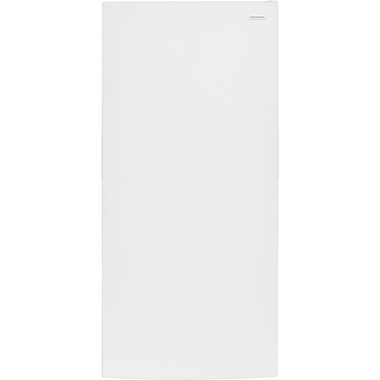
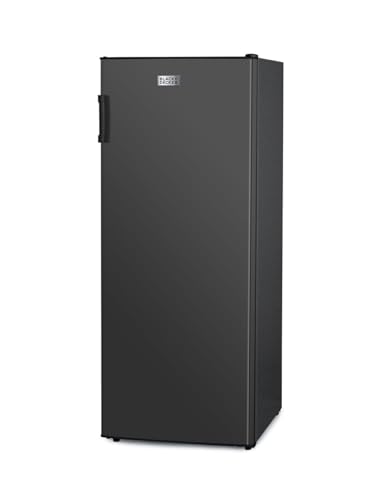
Chest and upright freezers come with their own perks, depending on what you're gonna stash. Here's a rundown to set you on the right track:

Feature Chest Freezers Upright Freezers
Storage Efficiency Packs in more; made for bulk stuff Less space inside but easier to find things
Accessibility Gotta crouch to grab your goodies Almost everything's at eye-level
Energy Efficiency Usually eats up less juice Typically needs more power
Temperature Stability Solid at keeping a steady chill Can have some temp wobble
Price Generally cheaper out the gate Might hit the wallet harder

Chest freezers fit a ton by design, perfect for when you shop like you're feeding a big family. But yeah, you might find yourself rummaging. Upright freezers? They’re the champions of neat freaks — a breeze for quick grab-n-go access.

Sizing and Capacity Considerations

Deciding on the right size? It all boils down to how many mouths you’re feeding and how much you stock. Here's a quick reference to sort out the right fit for your home:

Household Size Suggested Freezer Size (Cubic Feet)
1-2 Folks 5 - 7
3-4 Folks 7 - 14
5+ Folks 14+

While scouting for size, think about how often you're doing the grocery run. Love bulk buys? Go big or go home. To the shop every week? Maybe scale down a tad to avoid chucking food. Don't forget to eyeball the garage space too. Keep enough room for air to circulate around your freezer, so it doesn’t turn into a pricey paperweight. Curious about the power side? We've got you — check out the lowdown on what are the electrical requirements for an upright freezer? to score more intel.

Picking the perfect limited garage freezer is way more trick than it sounds, but with your lifestyle and garage setup in mind, extra storage is just around the corner — and it's all yours.

Organizing Your Tight Garage Freezer

Got a garage freezer but limited space? Organizing it right isn't just about tossing stuff in there – it's about making sure you get the most out of every inch. Let’s dive into some savvy tips to keep that freezer of yours in tip-top shape.

Using Bins and Dividers

Bins and dividers – possibly your new best friends. Having them on hand can keep everything neat and clutter-free. Go for those clear plastic bins so you can see what’s what, like frozen veggies, meats, or snacks. Slap a label on each one so you’re not left guessing when you're in a hurry.

Here’s a quick look at how to sort your freezer goodies:

Bin Spot What Goes In There
Veggies Peas, corn, cut peppers
Meats Chicken, ground beef, fish filet
Snacks Frozen fruit, Popsicles, ice creams
Prepped Meals Leftover casserole, soup, etc.

Use stackable bins to go up instead of out, especially if you’re working with a vertical freezer. Adjustable shelves are a win, too, letting you adjust the space for all sizes and types of frozen goodness.

Storing Food the Right Way

Keep stuff fresh and lasting longer by storing it right. Here’s a lowdown on keeping your stash in shape:

  1. Meats: Wrap 'em up tight in plastic or freezer paper, write down what it is and the date. Into the freezer they go.

  2. Veggies: Give 'em a quick blanch to keep their crunch and taste. Seal them up in airtight bags, squeezing out the air first.

  3. Made-Ahead Meals: Let them cool completely before bagging them up. Go for containers or bags that leave room for adding more.

  4. Snacks: Pop snacks in smaller bags and toss them in bins, so you're not fishing through everything to get what you want.

  5. Baked Goodies: Wrap items like bread or muffins tightly in foil or plastic, and mark those bags.

By taking a few minutes to organize, you save both time and hassle down the road, making using your garage freezer a breeze. And hey, don’t forget to whip up tasty meals with your freezer finds once in a while. To ensure your fridge isn't over-crowded and works like a champ, check out our tips over here.

Maintenance Tips for Garage Freezers

Keeping your garage freezer in good shape makes sure it runs well and your food stays fresh. Here are some handy tips to help it perform its best.

Defrosting and Cleaning Regularly

Defrosting’s a must-do for keeping your freezer working right. Ice build-up isn’t just a space hog—it can mess with efficiency, too. Plan to defrost at least once a year or when ice gets about quarter-inch thick. Here’s how you get it done:

  1. Unplug the Freezer: Safety first, make sure it’s off.
  2. Remove Food Items: Pop food into a cooler so it stays frozen.
  3. Let Ice Melt: Allow ice to thaw naturally, or get things moving with a fan.
  4. Clean it Up: Use a light cleaner or mix some vinegar with water to wipe down all surfaces.
  5. Dry Out and Restart: Make sure everything is dry before you plug it in and load it up again.

Got a busy life? Here’s a quick look at when to tackle these chores:

Task How Often
Defrosting Once a year
Cleaning Every 6 months

Monitoring Temperature and Food Expiry

Keeping the right temperature is key for safe eating. The magic number is 0°F (-18°C) or lower, so check it often with a thermometer.

Keep an eye on these tips to avoid throwing out food:

  • Check Dates: Peek at those expiry dates often to dodge spoilage.
  • Freezer Rules of Thumb: Check out this chart for how long you can stash stuff in there:
Food Item How Long It’s Good For
Meat (beef, pork, lamb) 4-12 months
Chicken (whole) Up to 1 year
Oily Fish 2-3 months
Veggies (blanched) 8-12 months
Bread 3 months
Soups/Stock 2-3 months

Use this as a rule of thumb to keep your frozen goodies safe to eat. For more on keeping sauces fresh, see our article on how long does Thai sauce last in the fridge?.

Keeping an eye on your freezer and how long stuff’s been in there can save you time, money, and a whole lot of headaches later on.

Addressing Common Issues

Dealing with Frost Build-up

Frost buzzing in your garage freezer got you worried? No sweat—if you're one to swing open that door all the time or your garage temp's playing make-believe between summer and winter, check these out:

  1. Regular Defrosting: Think of it like spring cleaning but for your freezer—every couple of months, give it a defrost. Just like you wouldn't let dust bunnies take over your house, don't let ice take over your freezer either. You can read up more about keeping your freezer neat and tidy in our freezer spring cleaning guide.

  2. Temperature Management: Let’s keep it chill at a straight-up 0°F. Pick up a basic thermometer, stick it in your freezer, and follow its lead like a detailed weather report.

  3. Use of Airtight Containers: Lockdown that moisture before it pulls a Houdini with some airtight containers. They're like bubble wrap for your ice cream and other goodies.

  4. Seal Integrity: If your seal's given up, it’s like leaving your front door open in winter. Cold gets out, frost fights back harder. Regularly check and swap out any sad-looking door seals.

Method Frequency
Defrost Every 3-6 months
Temperature Check Weekly
Seal Inspection Monthly

Handling Power Outages and Temperature Fluctuations

Lights out? Power gone? Don’t sweat it (literally)—here's how to keep your Namaste:

  1. Keep the Freezer Closed: Got yourself a blackout? Zip that freezer shut. A stock-full freezer's got about 48 hours of chill, half-full—not as lucky, just around 24 hours.

  2. Monitor Food Safety: Post-blackout’s a dangerous time. Look for those chilly crystals like your own private detective—no ice or temps above 32°F for a while? Time to shop again.

  3. Use a Generator: Power conks out often? Save yourself from the drama. Get a generator—it’ll be like the hero protecting your freezer kingdom.

  4. Temperature Alerts: Keep an eye—or rather, ear—out. Some freezers come with high-tech bells and whistles letting you know when they’re feeling hot, quite literally.

Action Timeframe
Keep Door Closed As long as power’s out
Check Food Post-outage when power's back
Invest in Generator Whenever it suits you
Use Temperature Alerts Always switched on

By tackling frost before it camps out, and prepping for any power wobbles, you're the boss who ensures that surprise dinners are off the table. Because hey, your frozen delights deserve nothing less.

Related Articles

Previous: How Do You Move A 500 Pound Refrigerator?Next: Compare Built In Refrigerators: Coupons
Fridge.com | Blog

Limited Garage Freezer

Share Fridge.com:
Limited Garage Freezer | Fridge.com
Richard Thomas
Fridge.com Editorial Team
10 min read
Sep 20, 2025

Assessing Your Space

So you're thinking about getting a nifty freezer for your garage, huh? Good call! Let me give you the lowdown on making the most out of your space, and at the same time, keeping your frozen goodies in top shape.

Evaluating Your Available Garage Space

First things first, whip out that measuring tape. It's all about knowing your turf:

  • Get the length, width, and height of where that freezer is gonna go.
  • Make sure there's room to swing open the doors or lift that lid without busting a gut.
  • Don't forget to leave a little breathing room for the freezer—ventilation's its best buddy.

Here's a quick cheat sheet to match the freezer size with your space:

Space Size (ft) Sweet Spot for Freezer Size (cu. ft.)
4 x 3 5 - 7
6 x 4 8 - 12
8 x 6 12 - 18

Keep a bit of space around it to let the air flow—talk about keeping it cool!

Considering Temperature Fluctuations

Garage temps can go all over the place faster than a roller coaster. Here's how to keep it chill:

  • Garage Insulation: Think of your garage as a giant cooler. Without decent insulation, summertime feels like a sauna and winter turns it into an icebox.
  • Heat Sources: Make sure that freezer stays away from sunlight or any heat-spitting gizmos.
  • The Chill Factor: Freezing temps outside aren't always a freezer's best friend. Winter might make it work harder to keep your goods frosty.

Your freezer should be all set to hang out at a cool 0°F (-18°C). If you're worried it might waver, consider snagging a model built for garages or slap an external thermometer on it to stay in the loop. Curious about what goes down if your freezer starts feeling too toasty? Check out our guide on what happens if freezer is too warm?.

Spend a little time scoping out your space and eyeballing those temperature quirks. Before you know it, you'll have a garage freezer that's not just holding your ice cream but keeping it as dependable as your favorite pair of sneakers.

Choosing the Right Freezer

Picking out a garage freezer can seem like a big deal, but it's all about snagging the one that ticks your boxes. Get the right type and size, and you're in for smooth sailing when it comes to food storage. Let’s chop it up and compare chest and upright freezers, and dive into what you wanna keep in mind about sizing and capacity.

Chest Freezers Vs. Upright Freezers

Chest and upright freezers come with their own perks, depending on what you're gonna stash. Here's a rundown to set you on the right track:

Feature Chest Freezers Upright Freezers
Storage Efficiency Packs in more; made for bulk stuff Less space inside but easier to find things
Accessibility Gotta crouch to grab your goodies Almost everything's at eye-level
Energy Efficiency Usually eats up less juice Typically needs more power
Temperature Stability Solid at keeping a steady chill Can have some temp wobble
Price Generally cheaper out the gate Might hit the wallet harder

Chest freezers fit a ton by design, perfect for when you shop like you're feeding a big family. But yeah, you might find yourself rummaging. Upright freezers? They’re the champions of neat freaks — a breeze for quick grab-n-go access.

Sizing and Capacity Considerations

Deciding on the right size? It all boils down to how many mouths you’re feeding and how much you stock. Here's a quick reference to sort out the right fit for your home:

Household Size Suggested Freezer Size (Cubic Feet)
1-2 Folks 5 - 7
3-4 Folks 7 - 14
5+ Folks 14+

While scouting for size, think about how often you're doing the grocery run. Love bulk buys? Go big or go home. To the shop every week? Maybe scale down a tad to avoid chucking food. Don't forget to eyeball the garage space too. Keep enough room for air to circulate around your freezer, so it doesn’t turn into a pricey paperweight. Curious about the power side? We've got you — check out the lowdown on what are the electrical requirements for an upright freezer? to score more intel.

Picking the perfect limited garage freezer is way more trick than it sounds, but with your lifestyle and garage setup in mind, extra storage is just around the corner — and it's all yours.

Organizing Your Tight Garage Freezer

Got a garage freezer but limited space? Organizing it right isn't just about tossing stuff in there – it's about making sure you get the most out of every inch. Let’s dive into some savvy tips to keep that freezer of yours in tip-top shape.

Using Bins and Dividers

Bins and dividers – possibly your new best friends. Having them on hand can keep everything neat and clutter-free. Go for those clear plastic bins so you can see what’s what, like frozen veggies, meats, or snacks. Slap a label on each one so you’re not left guessing when you're in a hurry.

Here’s a quick look at how to sort your freezer goodies:

Bin Spot What Goes In There
Veggies Peas, corn, cut peppers
Meats Chicken, ground beef, fish filet
Snacks Frozen fruit, Popsicles, ice creams
Prepped Meals Leftover casserole, soup, etc.

Use stackable bins to go up instead of out, especially if you’re working with a vertical freezer. Adjustable shelves are a win, too, letting you adjust the space for all sizes and types of frozen goodness.

Storing Food the Right Way

Keep stuff fresh and lasting longer by storing it right. Here’s a lowdown on keeping your stash in shape:

  1. Meats: Wrap 'em up tight in plastic or freezer paper, write down what it is and the date. Into the freezer they go.

  2. Veggies: Give 'em a quick blanch to keep their crunch and taste. Seal them up in airtight bags, squeezing out the air first.

  3. Made-Ahead Meals: Let them cool completely before bagging them up. Go for containers or bags that leave room for adding more.

  4. Snacks: Pop snacks in smaller bags and toss them in bins, so you're not fishing through everything to get what you want.

  5. Baked Goodies: Wrap items like bread or muffins tightly in foil or plastic, and mark those bags.

By taking a few minutes to organize, you save both time and hassle down the road, making using your garage freezer a breeze. And hey, don’t forget to whip up tasty meals with your freezer finds once in a while. To ensure your fridge isn't over-crowded and works like a champ, check out our tips over here.

Maintenance Tips for Garage Freezers

Keeping your garage freezer in good shape makes sure it runs well and your food stays fresh. Here are some handy tips to help it perform its best.

Defrosting and Cleaning Regularly

Defrosting’s a must-do for keeping your freezer working right. Ice build-up isn’t just a space hog—it can mess with efficiency, too. Plan to defrost at least once a year or when ice gets about quarter-inch thick. Here’s how you get it done:

  1. Unplug the Freezer: Safety first, make sure it’s off.
  2. Remove Food Items: Pop food into a cooler so it stays frozen.
  3. Let Ice Melt: Allow ice to thaw naturally, or get things moving with a fan.
  4. Clean it Up: Use a light cleaner or mix some vinegar with water to wipe down all surfaces.
  5. Dry Out and Restart: Make sure everything is dry before you plug it in and load it up again.

Got a busy life? Here’s a quick look at when to tackle these chores:

Task How Often
Defrosting Once a year
Cleaning Every 6 months

Monitoring Temperature and Food Expiry

Keeping the right temperature is key for safe eating. The magic number is 0°F (-18°C) or lower, so check it often with a thermometer.

Keep an eye on these tips to avoid throwing out food:

  • Check Dates: Peek at those expiry dates often to dodge spoilage.
  • Freezer Rules of Thumb: Check out this chart for how long you can stash stuff in there:
Food Item How Long It’s Good For
Meat (beef, pork, lamb) 4-12 months
Chicken (whole) Up to 1 year
Oily Fish 2-3 months
Veggies (blanched) 8-12 months
Bread 3 months
Soups/Stock 2-3 months

Use this as a rule of thumb to keep your frozen goodies safe to eat. For more on keeping sauces fresh, see our article on how long does Thai sauce last in the fridge?.

Keeping an eye on your freezer and how long stuff’s been in there can save you time, money, and a whole lot of headaches later on.

Addressing Common Issues

Dealing with Frost Build-up

Frost buzzing in your garage freezer got you worried? No sweat—if you're one to swing open that door all the time or your garage temp's playing make-believe between summer and winter, check these out:

  1. Regular Defrosting: Think of it like spring cleaning but for your freezer—every couple of months, give it a defrost. Just like you wouldn't let dust bunnies take over your house, don't let ice take over your freezer either. You can read up more about keeping your freezer neat and tidy in our freezer spring cleaning guide.

  2. Temperature Management: Let’s keep it chill at a straight-up 0°F. Pick up a basic thermometer, stick it in your freezer, and follow its lead like a detailed weather report.

  3. Use of Airtight Containers: Lockdown that moisture before it pulls a Houdini with some airtight containers. They're like bubble wrap for your ice cream and other goodies.

  4. Seal Integrity: If your seal's given up, it’s like leaving your front door open in winter. Cold gets out, frost fights back harder. Regularly check and swap out any sad-looking door seals.

Method Frequency
Defrost Every 3-6 months
Temperature Check Weekly
Seal Inspection Monthly

Handling Power Outages and Temperature Fluctuations

Lights out? Power gone? Don’t sweat it (literally)—here's how to keep your Namaste:

  1. Keep the Freezer Closed: Got yourself a blackout? Zip that freezer shut. A stock-full freezer's got about 48 hours of chill, half-full—not as lucky, just around 24 hours.

  2. Monitor Food Safety: Post-blackout’s a dangerous time. Look for those chilly crystals like your own private detective—no ice or temps above 32°F for a while? Time to shop again.

  3. Use a Generator: Power conks out often? Save yourself from the drama. Get a generator—it’ll be like the hero protecting your freezer kingdom.

  4. Temperature Alerts: Keep an eye—or rather, ear—out. Some freezers come with high-tech bells and whistles letting you know when they’re feeling hot, quite literally.

Action Timeframe
Keep Door Closed As long as power’s out
Check Food Post-outage when power's back
Invest in Generator Whenever it suits you
Use Temperature Alerts Always switched on

By tackling frost before it camps out, and prepping for any power wobbles, you're the boss who ensures that surprise dinners are off the table. Because hey, your frozen delights deserve nothing less.

Share this Fridge.com article:
Limited Garage Freezer | Fridge.com Blog