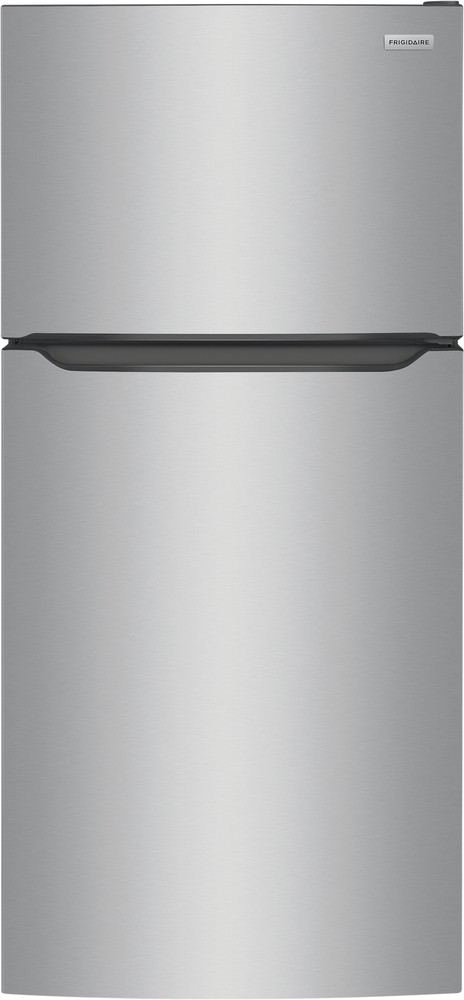
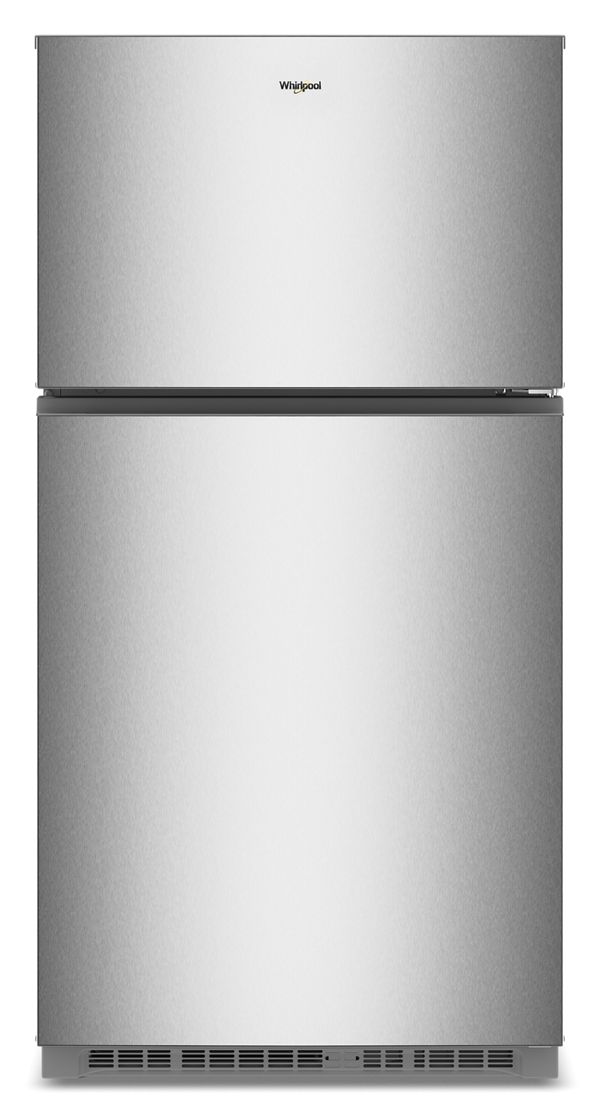
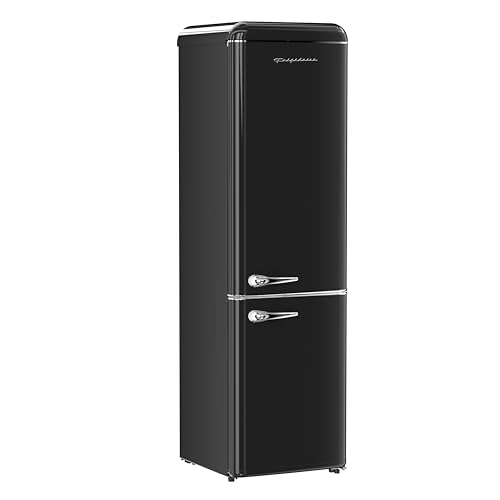
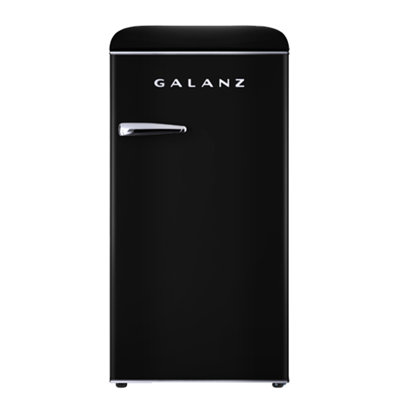
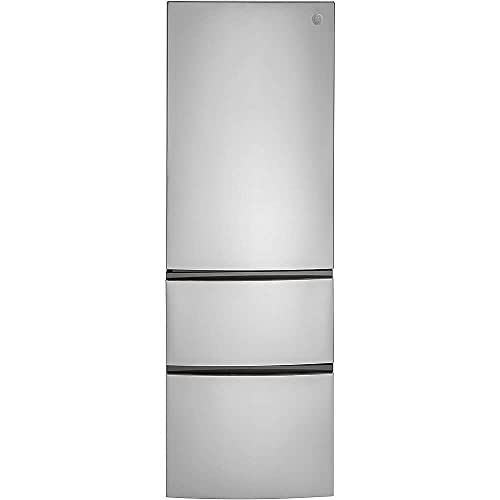
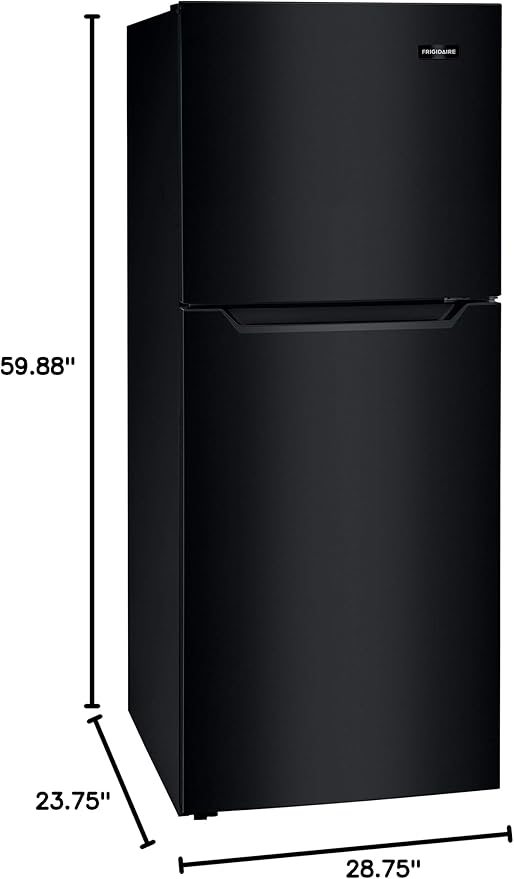
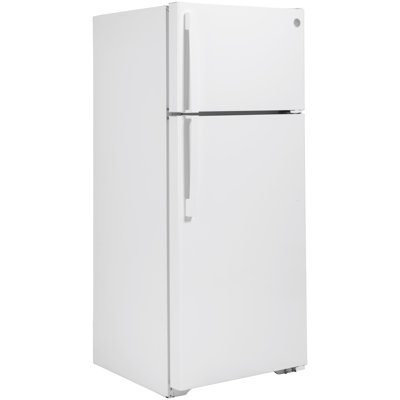
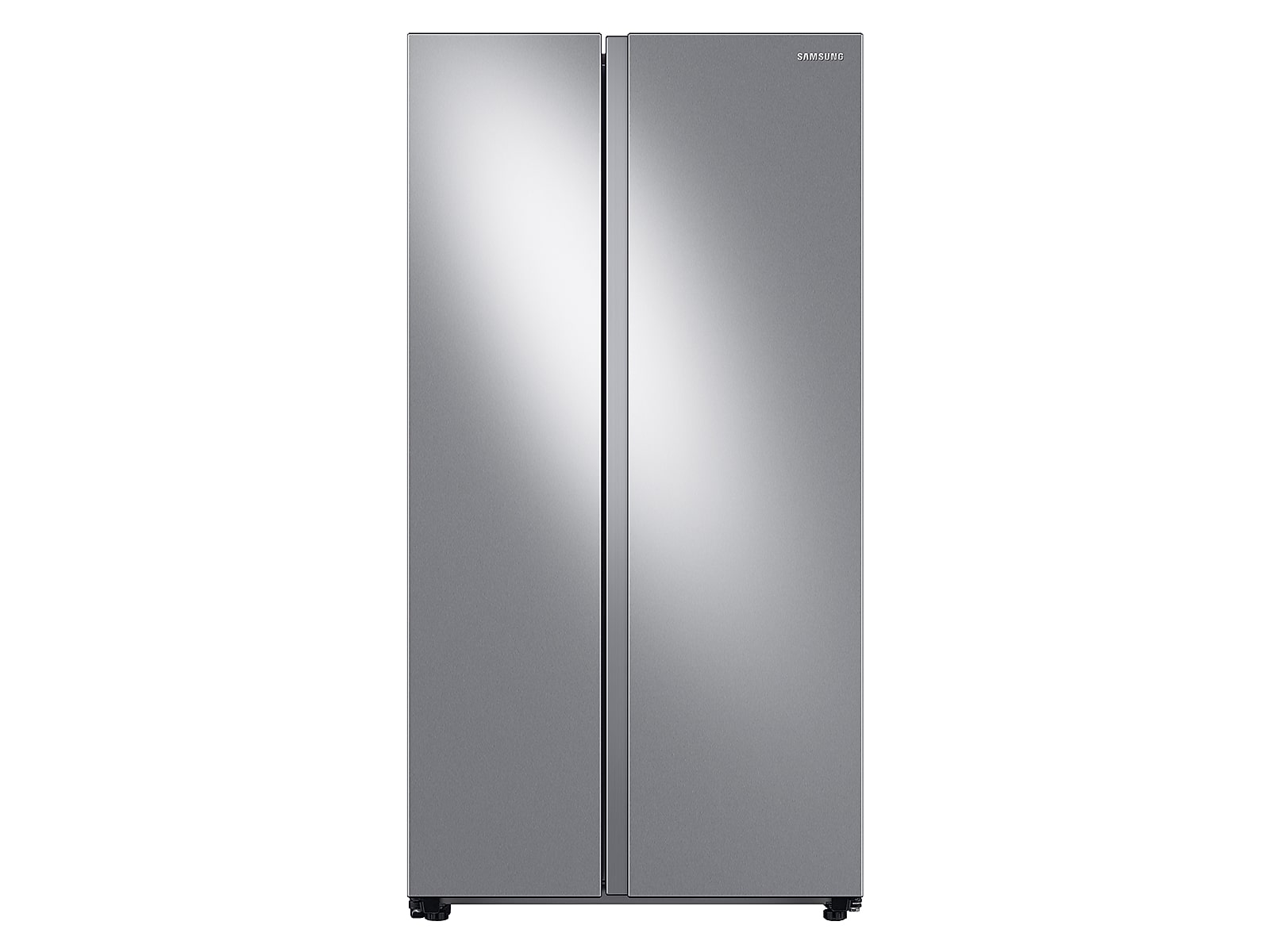
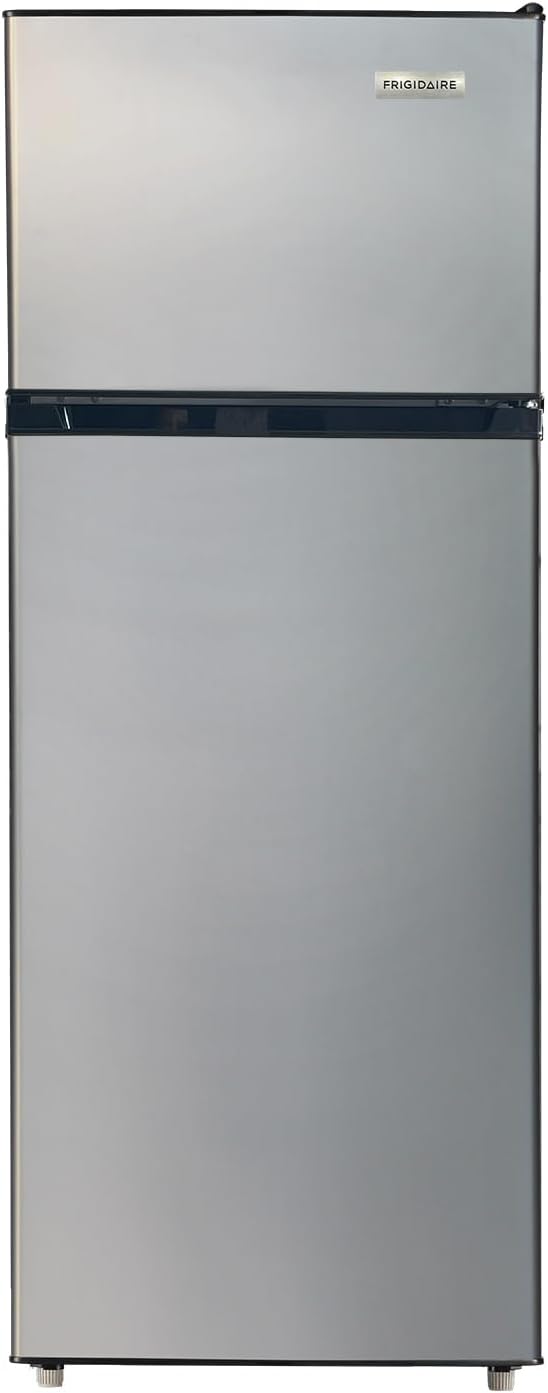
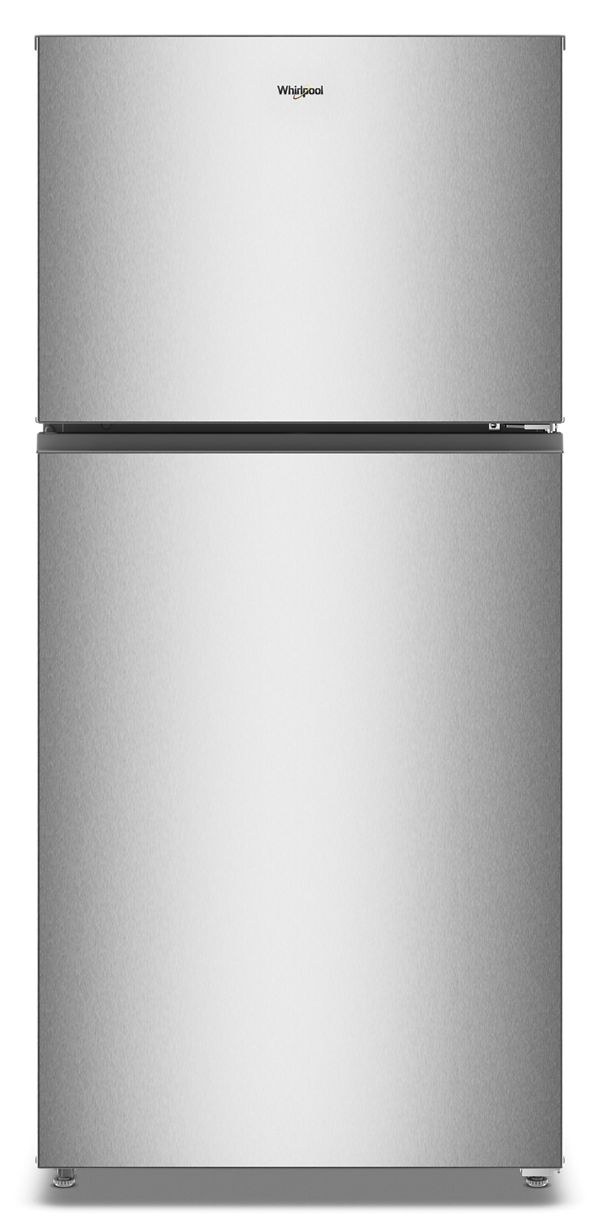
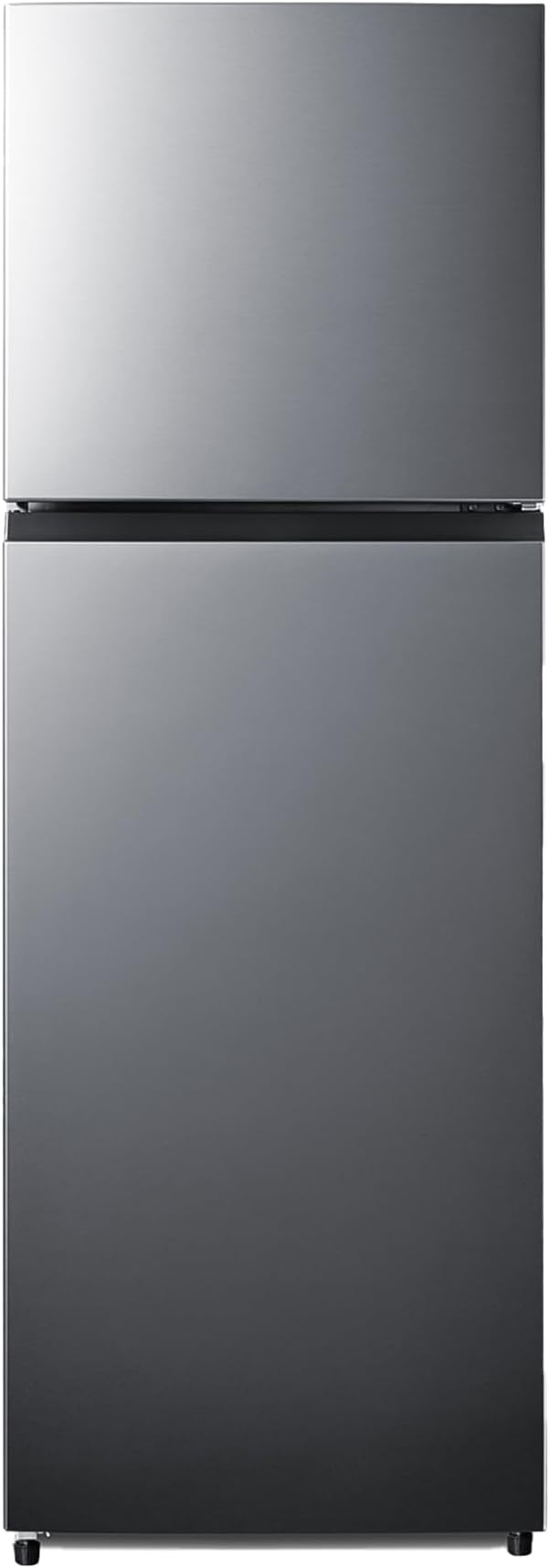
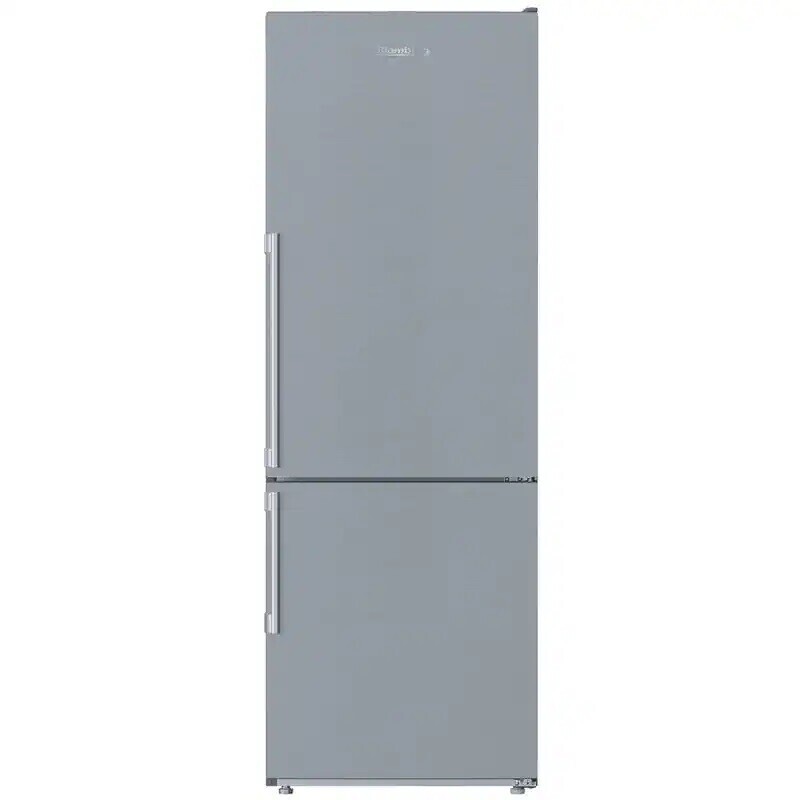
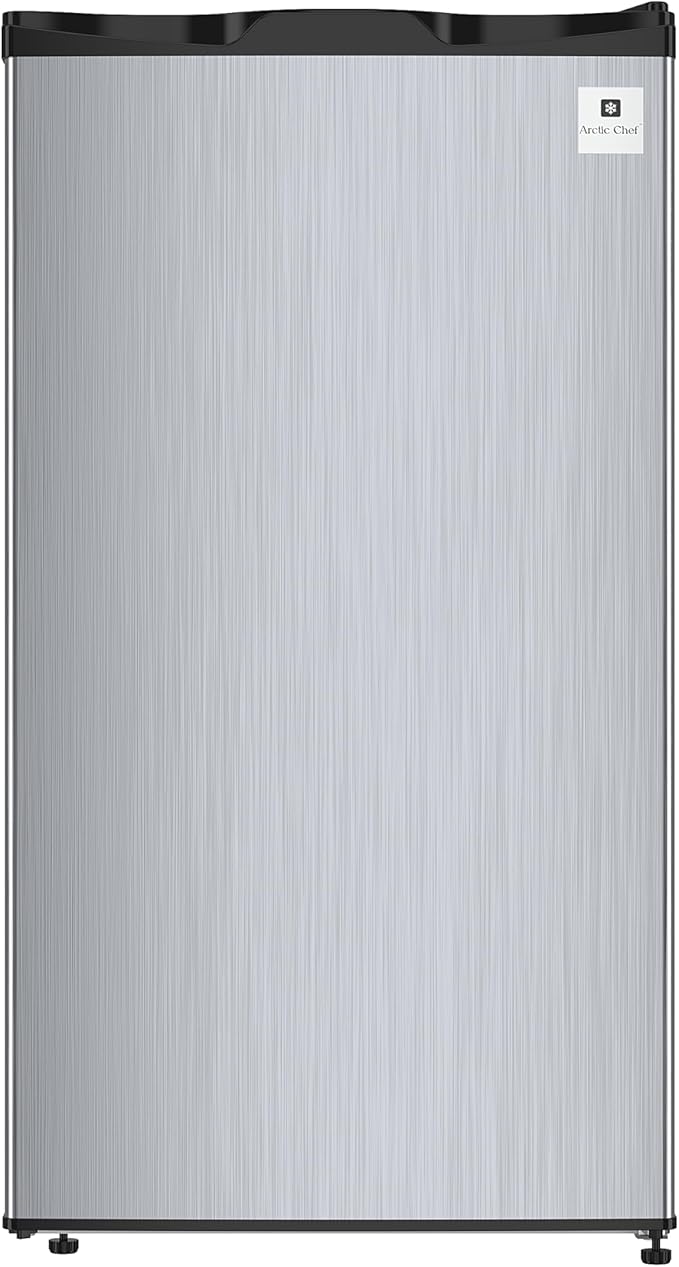
A single door fridge is like that trusty friend who consistently shows up—compact, reliable, and ready to chill (literally). It's a nifty option for homes that appreciate a smart balance of function and flair, especially if you enjoy hosting friends or keeping the family well-fed and happy. Let's take a closer look at what these handy appliances offer.
Understanding the Basics
Picture a regular fridge, but with one solid door that opens to reveal a world of cool storage bliss. Inside, you've got your main refrigerator section alongside a freezer. These space-savvy wonders are perfect for everything from snug kitchens to big entertainment zones. And they don't just sit pretty; they work efficiently, quietly storing a good amount of your food and drinks without any fuss.
Feature
Description
Size
Small wonder that tidies up your space
Capacity
Ranges somewhere between 5 and 20 cubic feet
Freezer Compartment
Think built-in freezer crown or the nifty bottom draw
Benefits of Single Door Fridges
Single door fridges bring a bag of tricks to make your life refreshingly easy. Here's why they are a hit in many homes:
Space-Saving Design: Perfect for those sneaky spots in your apartment or compact kitchen, they slip right in without elbowing for space.
Wallet-Friendly: Generally, they don't demand much from your budget compared to their bulkier cousins, leaving more cash for groceries or that vacation fund.
Simple Layout: Everything's laid out straightforward—no weird corners to reach into. Easy access means less rummaging and more snacking.
Electricity Sippers: A lot of these cool cats are engineered to keep the energy bills nice and low. Mother Earth and your wallet both win here.
Flexible Fit: With their unassuming design, they groove well with pretty much any kitchen vibe or give you that extra stowing spot in places like the garage or basement.
In weighing these features and gains, you'll get a clearer idea about whether a single door fridge is the right partner for your home and lifestyle. Curious about matching sizes and storage needs? Peek at what capacity refrigerator do I need? to dig deeper.
When you're thinking about snagging a single door fridge, there are a few things you should keep in mind. We're talking capacity, energy use, and the overall design.
Capacity and Size
First off, you gotta figure out how much room you need inside your fridge. Think about how much food and drink you usually stash away, especially if you're the type who loves hosting get-togethers. Single door fridges come in all shapes and sizes, usually measured in cubic feet (cu ft). Here's a quick look at what you can expect:
Fridge Size
Average Capacity (cu ft)
Ideal For
Compact
5 - 10
Great for one person or a small pad
Medium
11 - 17
Perfect for small families or people who like to entertain
Full-size
18 - 25+
Best for big families or if you've got guests coming over constantly
Picking out the right size means not playing fridge Jenga with your groceries.
Energy Efficiency
Let's talk about energy use. Going with a single door fridge usually means you're using less power compared to the big boys, so you could save on those electric bills over time. Look for Energy Star ratings when you're shopping—they're a good sign of energy smarts. Also, Fridge.com has this article on how many amps does a refrigerator pull? if you want to get super into the nitty-gritty of energy use.
Fridge Type
Energy Consumption (kWh/year)
Energy Star Rating
Compact
200 - 300
Normally A or better
Medium
300 - 500
Also usually A or higher
Full-size
500 - 800+
Ratings can vary a lot
Scoring a fridge with a good energy rating might save you some cash in the long run.
Design and Layout
Now, let's talk about looks and layout. The way your fridge is set up can really make a difference in how easy it is to use. Things like the door style, the shelves, and how it fits in with your kitchen matter a ton—not just for storing your grub, but for making your kitchen vibe right. Most single door fridges have shelves you can move around, which is primo for organizing stuff just how you like it.
Consider this when thinking about design:
Shelf flexibility: Can you shift shelves around to fit those big bottles or jars?
Crisper drawers: Any spots meant just for your fruits and veggies to keep them fresh?
Color and finish: Does it jive with your kitchen's look?
Figuring out these little design details can make your kitchen work better for you and look sharp, too. If you're eyeing something unique like a top freezer refrigerator with water dispenser, take the time to dig into different models to see what hits the mark for you.
Convenience Features
Choosing a single door fridge? Think about the handy features that can make your life simpler. A lot of these fridges come loaded with nifty little extras that help you keep your grub organized and easy to grab.
Shelving and Storage Options
Got lots of stuff to stash? No worries. The shelves in a single door fridge can work like magic. You can move them around to fit your bigger bottles or stack up on more of those favorite drinks and snacks.
Feature
Benefits
Adjustable Shelves
Room for taller bottles and bigger boxes
Door Bins
Perfect spot for sauces and small jars
Crisper Drawers
Fruits and veggies stay nice and crisp
Temperature Control
Keeping your food fresh is key, right? Single door fridges often come with a dial or two for temperature control. You can set it how you like it to make sure your milk doesn’t go funky or your ice cream stays just right.
Temperature Range
Purpose
32°F - 40°F
Great for dairy products and fresh goodies
0°F - 32°F
Ideal for freezing soups or keeping that ice cream ready to scoop
Want to know the temp inside without guessing? Some fridges have a display that shows you the temp; pretty neat for keeping tabs on your food's happy place.
Defrosting Process
Defrosting sounds like a chore, but it doesn’t have to be. Some single door fridges come with options that let you stay clear of that evil ice buildup. Pick from manual (if you like a bit of manual labor) or the hardworking automatic defrost that does all the boring bits by itself.
Defrosting Type
Feature Overview
Manual Defrost
You need to do some work now and then
Automatic Self-Defrost
Hands-off approach to melting away ice hassles
Think about what works best for you and your routine. Once you sort out these features, your fridge can go from being just an appliance to a super-helpful sidekick. Planning a party or sorting out your daily meals—either way, this fridge stuff just makes your life a bit smoother! Curious about pasta storage? You might want to check how long you can keep cooked pasta in your fridge; visit Fridge.com article how long can i keep cooked pasta in the fridge?.
Keeping your single door fridge in top shape is like hugging your food with a blanket of chill. Here's how you can keep it running like a champ, avoid smelly surprises, and make it last longer than your favorite reality TV show.
Cleaning and Getting Rid of Smells
A clean fridge is a happy fridge, and no one likes mystery odors. Here's how you keep it fresh:
Regular Wipe-Down: Give those shelves and walls a scrub with mild soap and warm water every month. If you've got stubborn marks, sprinkle a bit of baking soda for that extra zing.
Zap Those Odors: Open a box of baking soda and let it chill in the fridge. Swap it out every three months so your nose and leftovers remain friends.
Tame the Tupperware Jungle: Keep food in sealed containers to avoid spills and stinky adventures. Toss expired stuff weekly to avoid a science experiment.
Task to Tackle
How Often?
Scrub Shelves & Walls
Monthly
Switch Baking Soda
Every 3 months
Trash Expired Items
Weekly
Fixing Common Fridge Woes
Sometimes, your fridge might act up. Here's how to keep it from throwing a tantrum:
Not Cooling Like it Should: First, make sure it's plugged in and the temperature is set right. If it's still stubborn, maybe it's time to call a pro. Got more questions? Check out how do you fix a refrigerator that is not cooling?.
What’s That Noise?: Noises usually mean something's loose, or ice is staging a coup in your fan. Investigate before reaching for the toolbox.
Frosty Frost: If it's looking like the North Pole in there, defrosting is your answer; too much frost isn't just for cinematic effect—it wastes energy.
Problem Child
Usual Suspect
How to Handle It
No Cool Vibes
Power or Settings
Check plug and dial
Sounds from the Deep
Loose bits or ice greed
Sort it with a DIY check
Glacier Growth
High humidity
Defrost and seal check
Keeping the Fridge Forever Young
Here’s how to pamper your fridge and keep it from an early retirement:
Temperature TLC: Keep your coolers between 35°F to 38°F to avoid making it work overtime.
Coil Care: Dust those condenser coils every six months, so they're not gasping for air and efficiency.
Give It Space: Let your fridge breathe—leave some space around it for air to do its thing.
Doctor's Visit: Have a pro peek under the hood once a year for early issue spotting. It's cheaper than a new fridge, promise.
Fridge Love Technique
How to Love
Keep Temps Right
35°F to 38°F
Clean Coils
Every 6 months
Annual Check-Up
Once a Year
Treat your fridge right, and it'll keep your snacks fresh and delicious longer than you can say "movie night." Proper TLC ensures this humble kitchen hero will stay by your side for countless meals and gatherings. Cheers to cool times!
Figuring out if a single door fridge is your jam involves sizing it up against other choices out there. Get the details straight so you can pick what vibes best with your home and lifestyle.
Single Door Vs. Double Door Fridges
Single door fridges keep it straightforward. They're usually smaller, easier on the wallet, and don't boast frills. Double door fridges, on the flip side, separate the freezer from the fridge, making elbow room for your groceries without playing Tetris.
Feature
Single Door Fridges
Double Door Fridges
Size
Compact
Bigger
Freezer Space
Inside the fridge
Own space
Single Door Vs. French Door Fridges
French door fridges bring the razzle-dazzle and space, but they hog up more room than single door versions. Handy for big families, they let you scoop out fresh food with a bottom freezer setup – neat if you’ve got a full house.
Feature
Single Door Fridges
French Door Fridges
Style
Plain
Sleek & chic
Capacity
Smaller
Grande-sized
Access
Lift the lid
Shelves are a breeze
Freezer Space
Minimal
Roomy bottom section
Single Door Vs. Side-by-Side Fridges
Side-by-side fridges do a 50/50 split, giving out easy peasy access to both fridge and freezer zones. Slick for skinny kitchens without much door fudge room but might not pack as much as a single door fridge could.
Feature
Single Door Fridges
Side-by-Side Fridges
Layout
Straight up
Left-right sliding
Freezer Access
Up or down
To the sides
Capacity
High & mighty
More space, portioned
Organization
Basic
Shelves you can shuffle
Sizing these up helps peg which fridge hits the mark for you. Whether you're hosting a kitchen shindig or giving your culinary corner a boost, think about just how much stash room and ease you want in your cooking kingdom.
From Fridge.com research
Figures below come from data Fridge.com builds and maintains. Each links to the record behind it.
Fridge.com Energy Index, built on U.S. EPA and DOE ENERGY STAR records
Across 295 ENERGY STAR certified freezerless and single door models, median use is 286 kWh per year — 11% better than the federal standard.