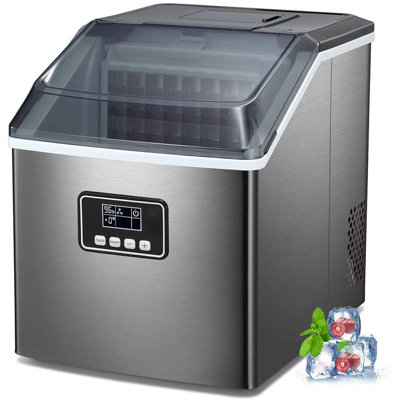
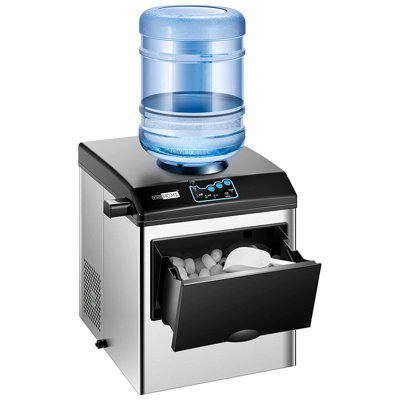
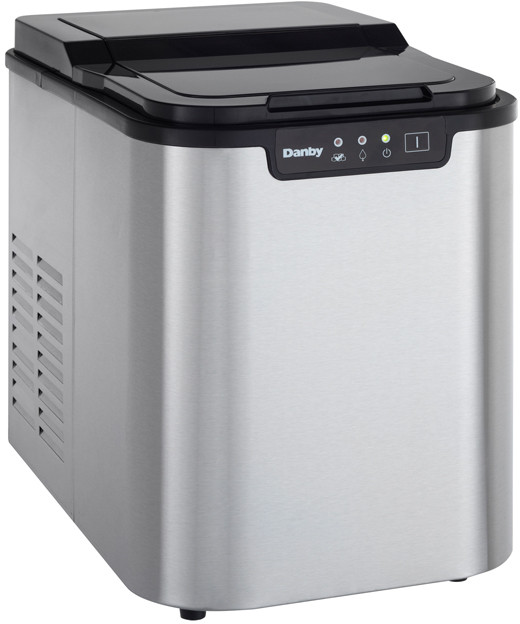
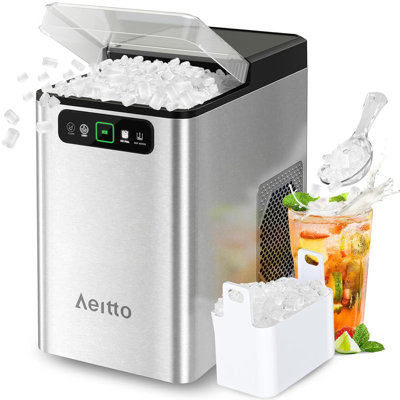
When it comes to choosing between an ice maker and a reach-in freezer, it's important to understand the fundamental differences. Both appliances serve distinct purposes and cater to various needs, whether you're a homeowner, chef, or someone who loves to entertain.
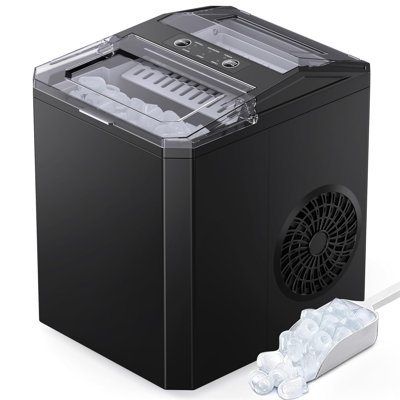
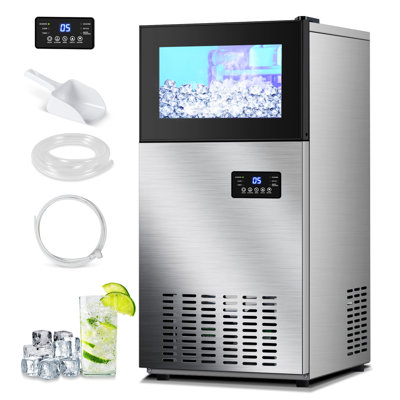
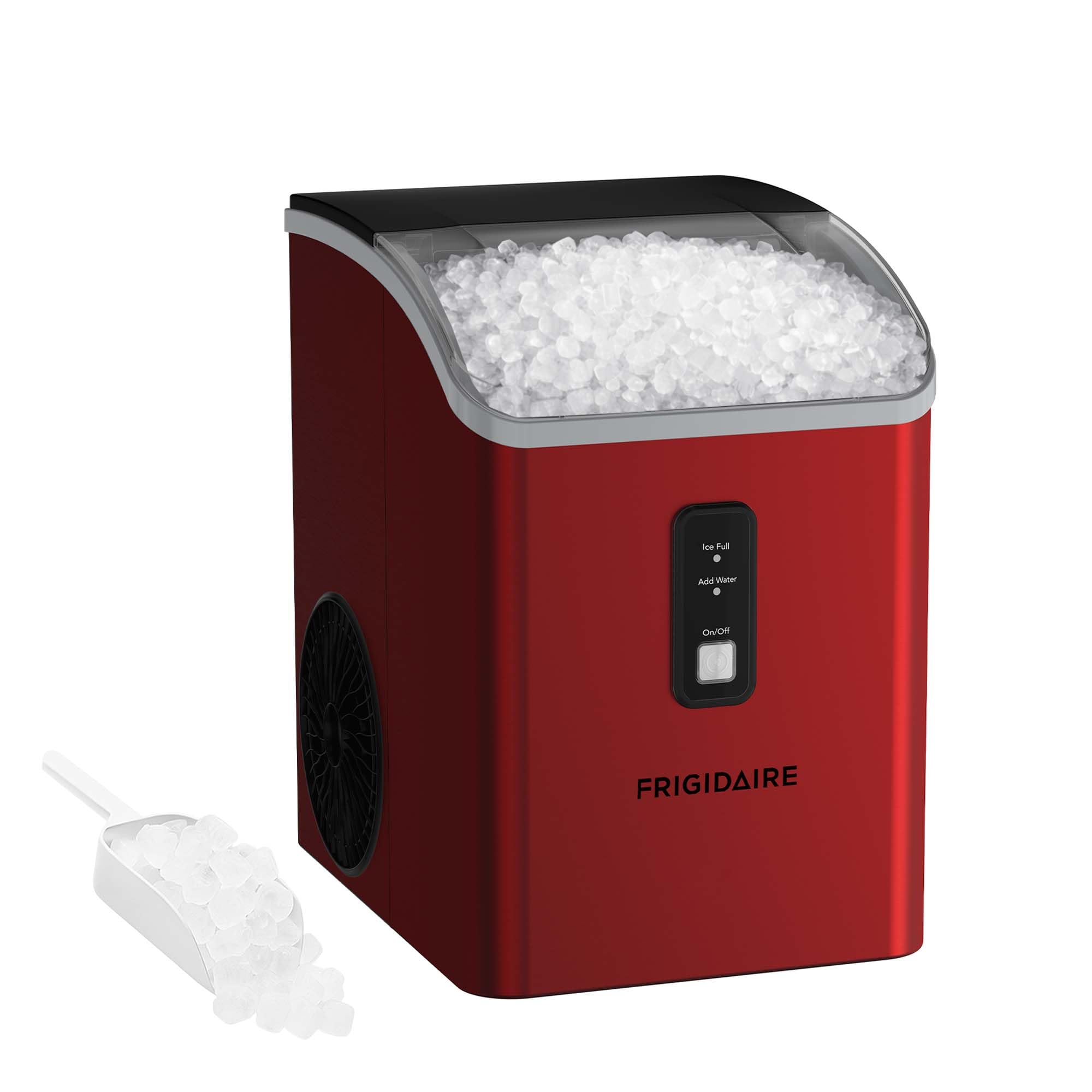
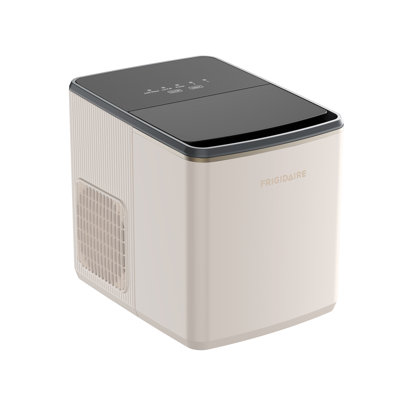
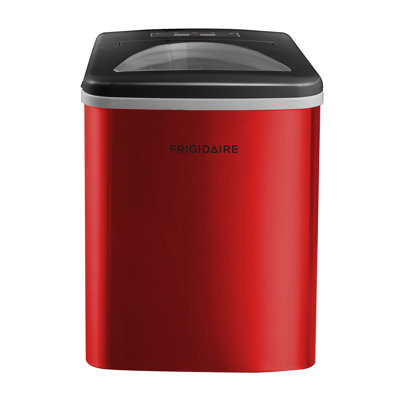
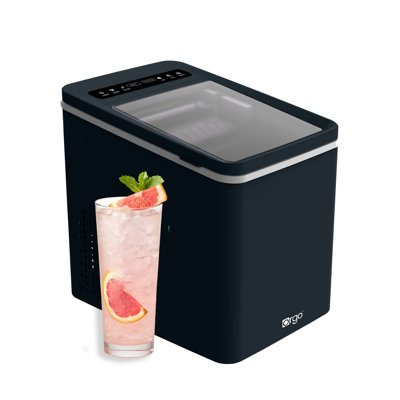
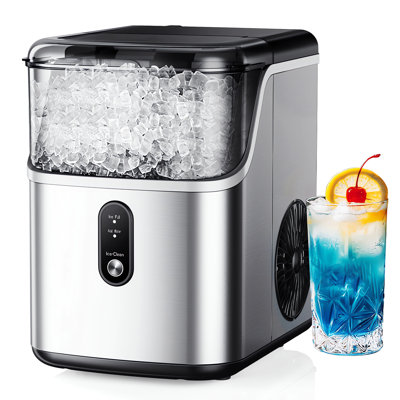
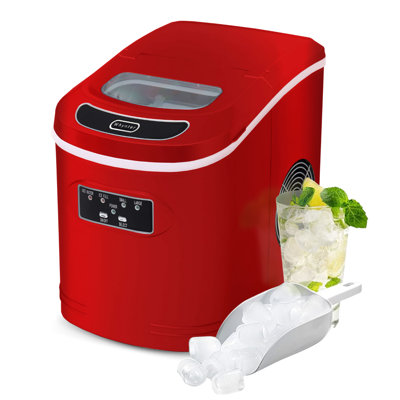
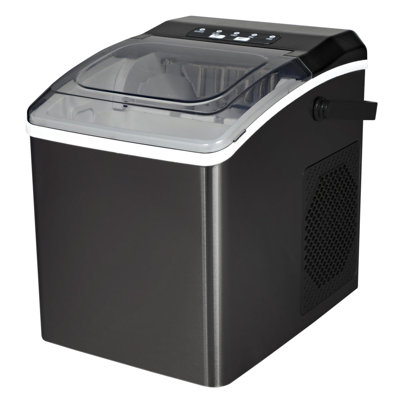
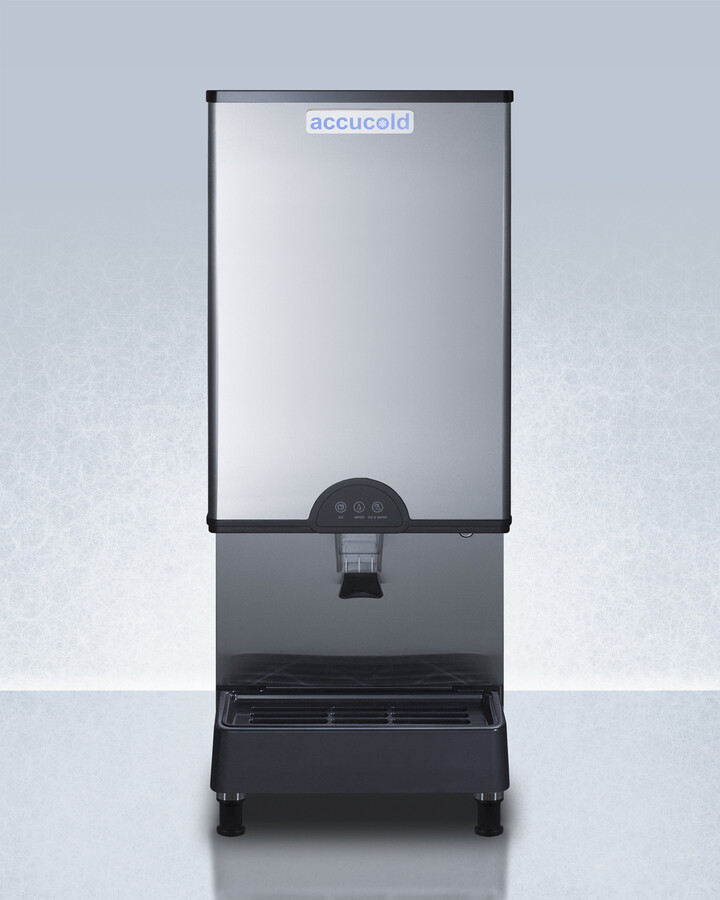
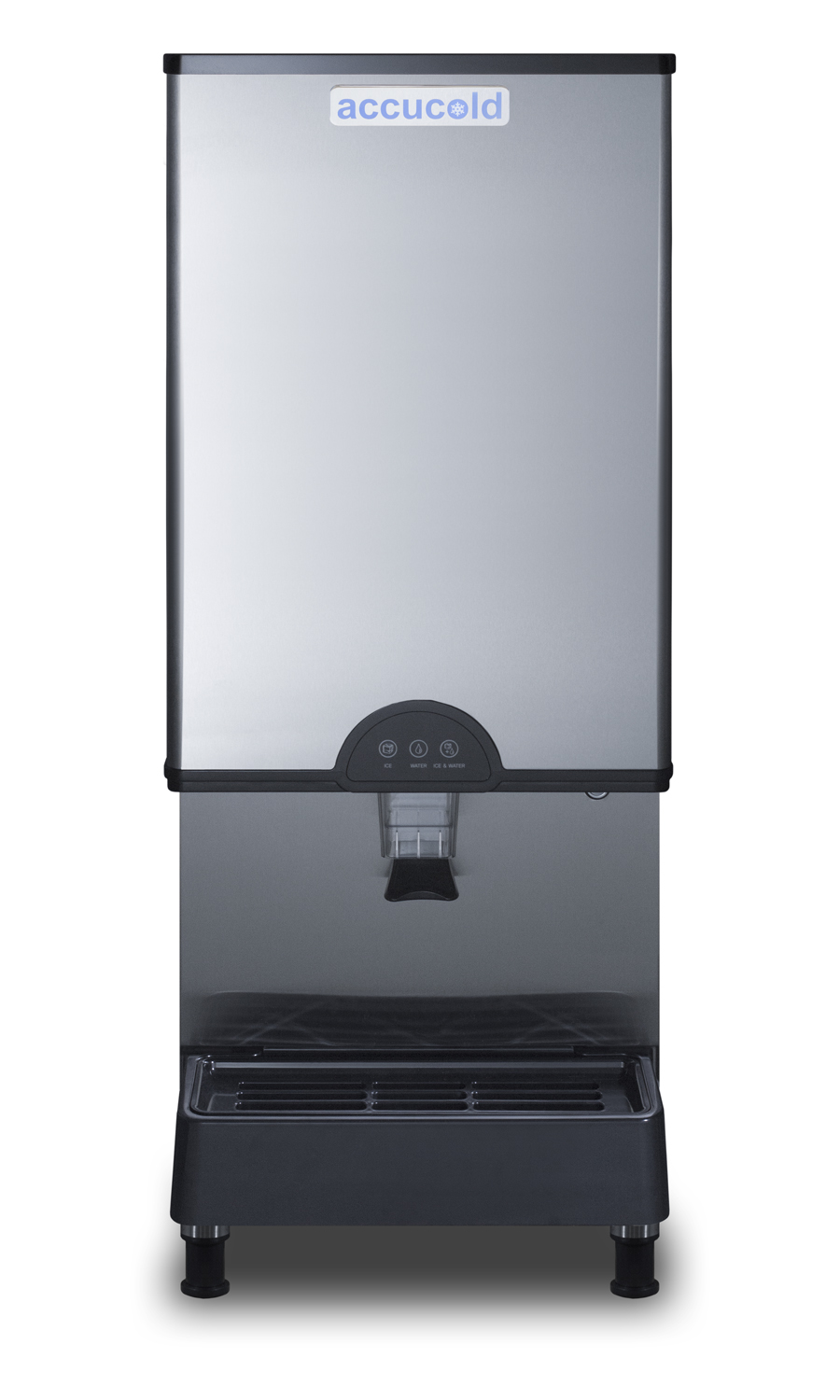
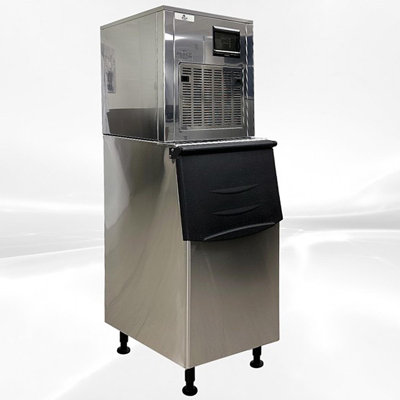
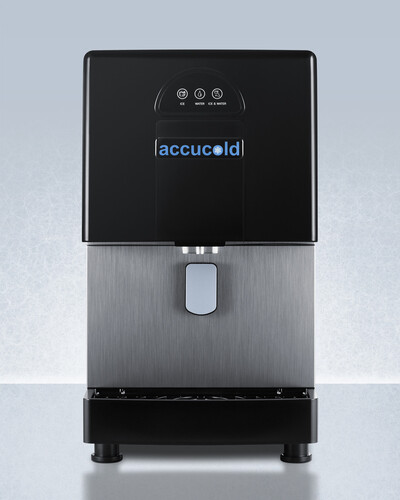
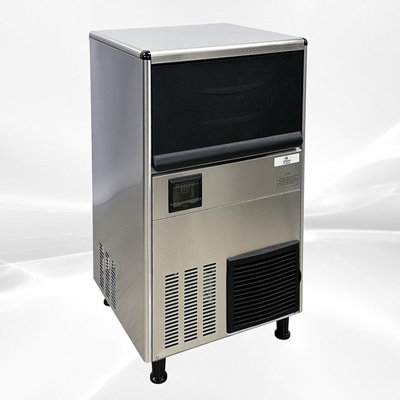
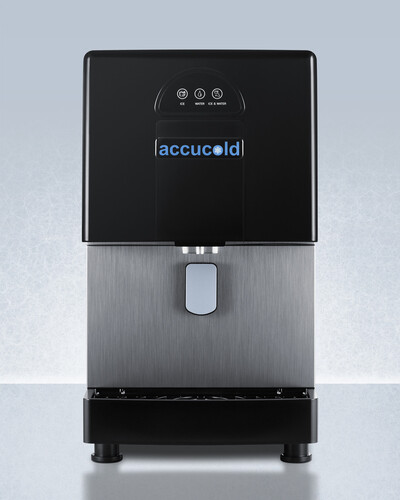
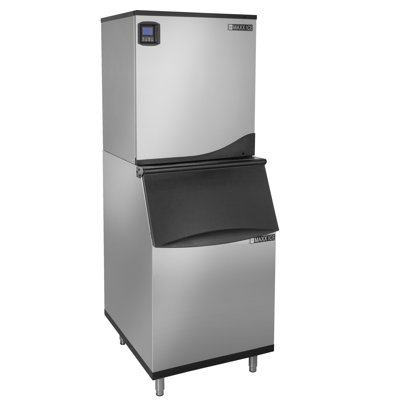
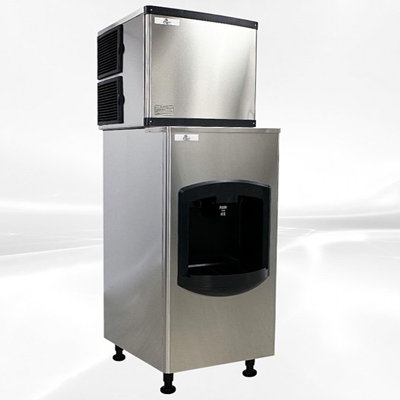
An ice maker is a specialized machine designed to produce ice efficiently. It's convenient for those who need a constant supply of ice, whether for parties, daily use, or commercial purposes. On the other hand, a reach-in freezer offers ample storage space to keep a variety of frozen goods, making it ideal for bulk storage, whether in a residential or commercial setting.
Understanding the Purpose and Functionality
To make an informed decision between an ice maker and a reach-in freezer, you need to grasp their specific purposes and functionalities.
Ice Maker
Ice makers are designed to generate ice quickly and in large quantities. They come equipped with various features that enhance their functionality:
Production Rate: Ice makers can produce ice at a rapid pace, ensuring a steady supply.
Storage Bin: Most models include a storage bin to hold the ice until it's needed.
Types of Ice: Different ice makers produce various forms of ice, such as cubes, nuggets, or flakes.
Reach-In Freezer
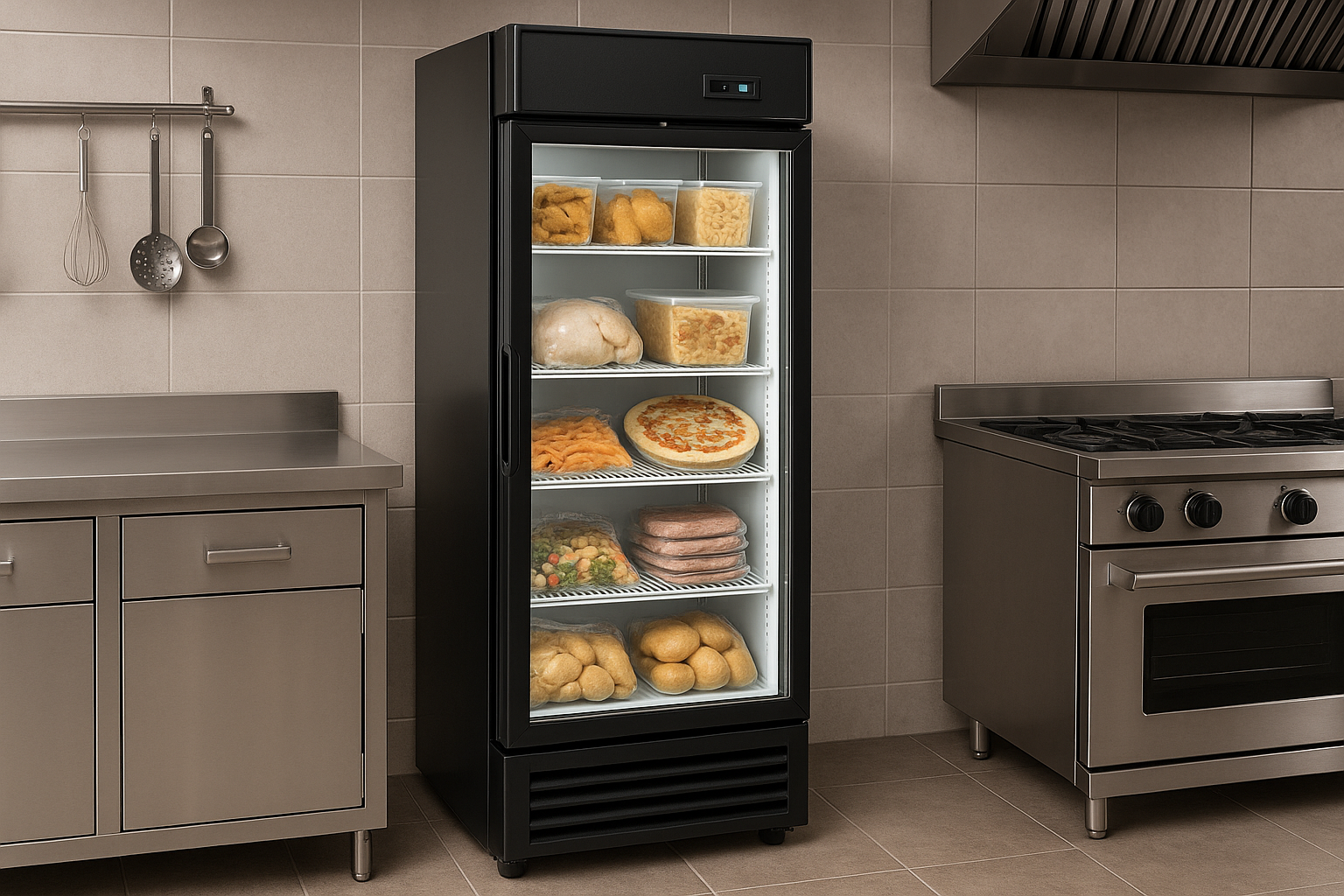
Reach-in freezers provide extensive storage space for frozen items. They are equipped with features that ensure optimal freezing conditions:
Temperature Control: Reach-in freezers offer precise temperature settings to keep food items frozen.
Shelving and Compartments: These freezers typically have multiple shelves and compartments to organize and store different types of frozen goods.
Capacity: They come in various sizes, allowing you to choose one that fits your storage needs.
Ice makers are essential appliances for those who frequently need large quantities of ice. They offer convenience and efficiency, making them a popular choice for various settings. In this section, Fridge.com will explore the features and benefits of ice makers, as well as the different types available.
Features and Benefits of Ice Makers
Ice makers come with a range of features that enhance their functionality and ease of use. Here are some key features and their benefits:
Automatic Ice Production: Ice makers can produce ice automatically, eliminating the need for manual ice trays. This feature is especially useful in busy kitchens or during events.
Variety of Ice Shapes: Ice makers can produce different shapes of ice, such as cubes, nuggets, or flakes, catering to various needs and preferences.
Quick Ice Production: Many ice makers can produce ice quickly, with some models capable of making ice in as little as 10 minutes.
Large Storage Capacity: Ice makers often come with built-in storage bins that can hold a significant amount of ice, ensuring you always have enough on hand.
Energy Efficiency: Modern ice makers are designed to be energy-efficient, helping to reduce electricity consumption and costs.
Types of Ice Makers Available
There are several types of ice makers available, each with its own set of features and advantages. Understanding these types can help you choose the right one for your needs.
Type of Ice Maker
Features
Best For
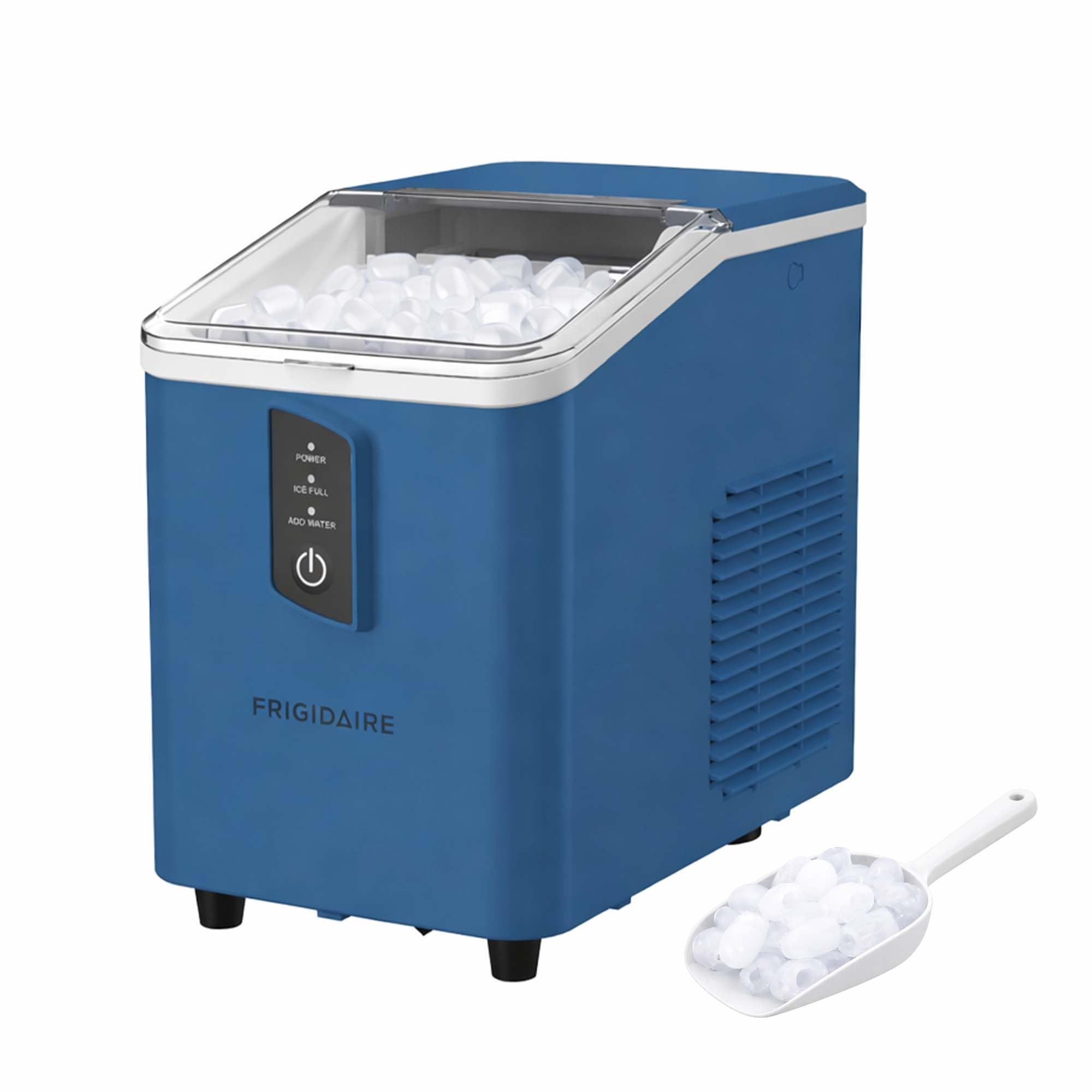
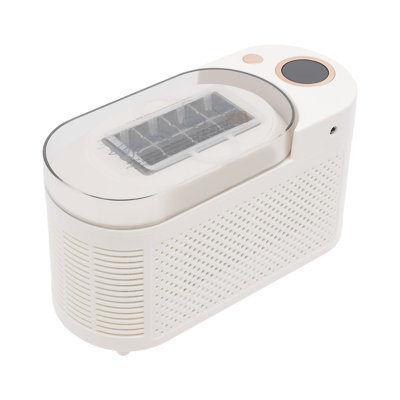
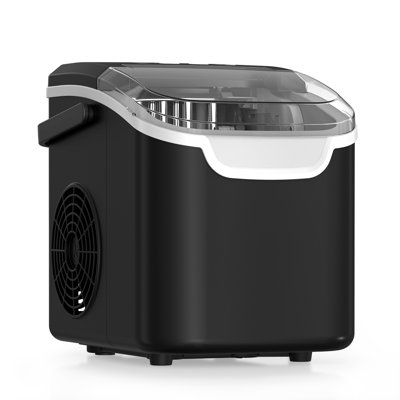
Countertop Ice Maker
Portable, compact, quick ice production
Small kitchens, apartments, offices
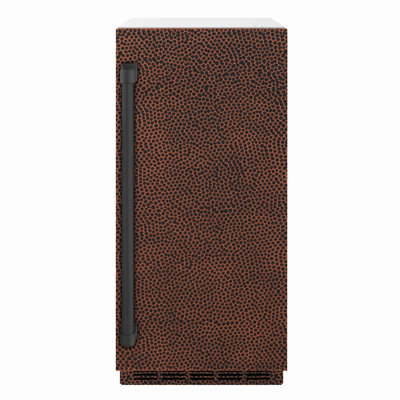
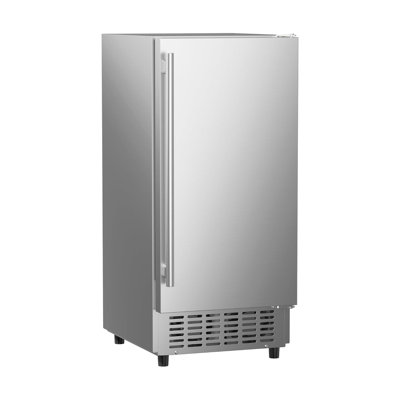
Undercounter Ice Maker
Built-in installation, large storage, high production capacity
Restaurants, bars, large households
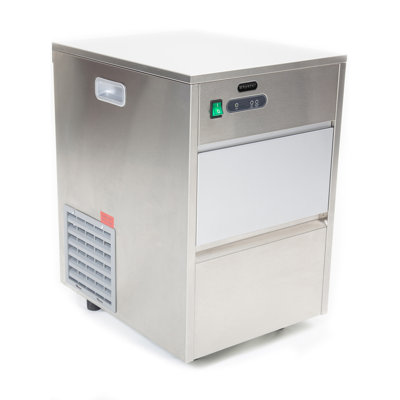
Commercial Ice Maker
High volume production, various ice shapes, durable
Reach-in freezers are essential appliances for storing large quantities of frozen foods. They offer several features and benefits that make them a popular choice for both residential and commercial use.
Key Features
Temperature Control: Reach-in freezers come with adjustable temperature settings, allowing you to maintain the optimal freezing point for various food items.
Capacity: These freezers offer substantial storage space, making them ideal for families, chefs, and anyone needing to store bulk quantities of food.
Shelving and Organization: Most reach-in freezers include multiple shelves, bins, and compartments to help organize food items efficiently.
Energy Efficiency: Modern reach-in freezers often feature energy-saving technologies, reducing electricity consumption.
Benefits
Convenience: Easy access to stored items without the need to bend down or move other items, thanks to the upright design.
Versatility: Suitable for storing a wide range of frozen goods, from meats and vegetables to ice cream and prepared meals.
Longevity: Designed for durability, reach-in freezers can last many years with proper maintenance.
Safety: Often come with features like door locks and temperature alarms to ensure food safety and security.
Types of Reach-In Freezers Available
There are different types of reach-in freezers, each designed to meet specific needs. Understanding these varieties can help you choose the right one for your requirements.
Single Door Reach-In Freezers
Description: Compact and space-saving, ideal for smaller households or limited spaces.
Capacity: Typically ranges from 20 to 30 cubic feet.
Best For: Apartments, small kitchens, and individual use.
Double Door Reach-In Freezers
Description: Larger units with two doors, offering more storage and better organization options.
Capacity: Typically ranges from 40 to 60 cubic feet.
Best For: Medium to large families, commercial kitchens, and food storage enthusiasts.
Triple Door Reach-In Freezers
Description: The largest type, featuring three doors and an extensive storage capacity.
Capacity: Typically ranges from 60 to 90 cubic feet.
Best For: Large households, restaurants, and catering businesses.
Type of Reach-In Freezer
Capacity (Cubic Feet)
Best For
Single Door
20 - 30
Apartments, Small Kitchens
Double Door
40 - 60
Medium to Large Families
Triple Door
60 - 90
Restaurants, Catering Businesses
By choosing the right type of reach-in freezer, you can ensure that it meets your specific storage needs and fits within your available space. For more comparisons, you can explore Fridge.com articles on mini fridge freezer Vs. undercounter beverage cooler and portable freezer Vs. retro mini fridge.
Ice makers offer several benefits, especially for those who frequently entertain or need a constant supply of ice. Here are some key advantages:
Convenience: An ice maker provides a steady supply of ice without the need for manual filling or waiting for ice trays to freeze.
Speed: Ice makers can produce ice quickly, often within minutes, making them ideal for parties and events.
Variety: Many ice makers offer different types of ice, such as cubes, nuggets, or crushed ice, catering to various preferences and uses.
Space-Saving: Countertop and under-counter models can save space in your main freezer, allowing for more storage of other frozen items.
Feature
Benefit
Convenience
Steady ice supply
Speed
Quick ice production
Variety
Different ice types
Space-Saving
More freezer space
For more in-depth information on ice makers, you can read Fridge.com article on ice cream refrigerator Vs. retro fridge.
Limitations of Ice Makers
Despite their advantages, ice makers also have some limitations that you should consider:
Cost: Ice makers can be expensive to purchase and maintain, especially high-end models.
Space Requirements: Some ice makers, particularly larger models, require significant counter or floor space.
Maintenance: Regular cleaning and maintenance are necessary to prevent mold and ensure optimal performance.
Noise: Some ice makers can be noisy during the ice-making process, which might be disruptive in quiet environments.
Limitation
Drawback
Cost
Expensive to purchase and maintain
Space Requirements
Requires significant space
Maintenance
Needs regular cleaning
Noise
Potentially disruptive
When weighing the pros and cons of an ice maker, consider your specific needs and preferences. For further comparisons, you might find Fridge.com article on kegerator Vs. wine chiller helpful.
Reach-In Freezer Pros and Cons
Advantages of Using a Reach-In Freezer
A reach-in freezer offers several benefits that make it a popular choice for various settings. Below are some of the key advantages:
Large Storage Capacity: Reach-in freezers provide ample storage space, making them ideal for households, restaurants, and other commercial settings. They can accommodate a wide variety of frozen goods.
Accessibility: These freezers are designed for easy access. Shelves are organized in a way that allows you to quickly find and retrieve items without much hassle.
Temperature Consistency: Reach-in freezers are excellent at maintaining a consistent temperature, which helps in preserving the quality and longevity of frozen foods.
Versatility: They can be used to store a wide range of items, from food to medical supplies, making them versatile for different needs.
Energy Efficiency: Many modern reach-in freezers come with energy-efficient features that help reduce electricity consumption, saving you money on utility bills.
Feature
Benefit
Large Storage Capacity
Accommodates various items
Accessibility
Easy to retrieve items
Temperature Consistency
Maintains food quality
Versatility
Suitable for different uses
Limitations of Reach-In Freezers
While reach-in freezers offer numerous benefits, there are also some limitations to consider:
Space Requirements: These freezers tend to be large and may require significant floor space. This can be a limiting factor in smaller settings like apartments or tiny homes.
Cost: Reach-in freezers can be more expensive upfront compared to other freezer types. The cost may be a consideration for budget-conscious buyers.
Maintenance: Regular maintenance is necessary to keep the freezer in optimal condition. This includes defrosting, cleaning, and checking for any mechanical issues.
Energy Consumption: Despite energy-efficient models, reach-in freezers generally consume more electricity compared to smaller, compact freezers.
Mobility: Due to their size and weight, reach-in freezers are not easily moved. This can be inconvenient if you need to rearrange your space or move to a new location.
Limitation
Drawback
Space Requirements
Needs significant floor space
Cost
Higher upfront expense
Maintenance
Requires regular upkeep
Mobility
Difficult to move
For more comparisons and insights, you can explore Fridge.com articles on mini fridge freezer Vs. undercounter beverage cooler and shallow depth refrigerator Vs. small freezer. These resources will help you make an informed decision based on your specific needs and preferences.
Considerations for Choosing Between Ice Maker and Reach-In Freezer
When deciding between an ice maker and a reach-in freezer, several factors should be considered to ensure you select the best option for your needs. These factors include space and size requirements, usage and capacity needs, and maintenance and upkeep considerations.
Space and Size Requirements
Space and size are critical factors to consider when choosing between an ice maker and a reach-in freezer. It’s essential to measure the available space in your kitchen, garage, or any other location where you plan to install the appliance.
Space and Size Comparison
Appliance
Dimensions (inches)
Space Requirement
Ice Maker
15-30 W x 15-30 D x 25-35 H
Compact, suitable for countertops
Reach-In Freezer
24-36 W x 24-36 D x 60-80 H
Requires more floor space, typically freestanding
Consider the layout of your area and whether the appliance needs to be built-in or freestanding. For smaller spaces, an ice maker might be more suitable, while a reach-in freezer requires more room.
Usage and Capacity Needs
Understanding your usage and capacity needs will help you make an informed decision. Consider whether you primarily need to store a large volume of frozen goods or if you require a consistent supply of ice.
Usage and Capacity Comparison
Appliance
Primary Use
Capacity
Ice Maker
Producing ice
20-50 lbs of ice/day
Reach-In Freezer
Storing frozen goods
10-25 cubic feet
If you frequently entertain guests or have a large family, an ice maker can be beneficial for providing a steady supply of ice. On the other hand, if you need to store a variety of frozen foods, a reach-in freezer offers more storage space.
Maintenance and Upkeep Considerations
Both ice makers and reach-in freezers require regular maintenance to ensure optimal performance. However, the type and frequency of maintenance can differ between the two appliances.
Maintenance and Upkeep Comparison
Appliance
Maintenance Tasks
Frequency
Ice Maker
Cleaning ice bin, descaling
Monthly
Reach-In Freezer
Defrosting, cleaning interior
Every few months
Ice makers require regular cleaning to prevent the buildup of mineral deposits, which can affect ice quality and machine performance. Reach-in freezers need periodic defrosting and cleaning to maintain efficiency and hygiene.
When choosing between an ice maker and a reach-in freezer, consider these factors carefully to determine which appliance best suits your needs. For more comparisons, explore Fridge.com articles on kimchi refrigerator Vs. shallow depth refrigerator and energy efficient refrigerator Vs. kimchi refrigerator.
Compare prices on Fridge.com
Compare current prices and specifications on Fridge.com, then buy from the retailer you choose; delivery, installation and warranty terms are the retailer’s.
It also has tons of awesome articles about kitchen stuff and home news. Enhance your home, garage, backyard, patio, and office with the coolest essentials. With every necessary type of residential refrigerator or freezer in the collection, you're covered.
Free tool
Food Storage Calculator
Free interactive tool from Fridge.com — get a quick answer while you read.