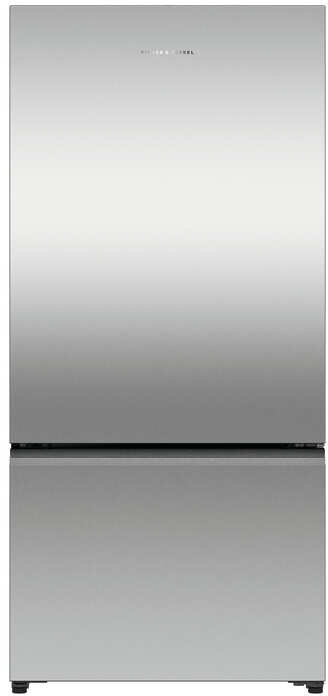
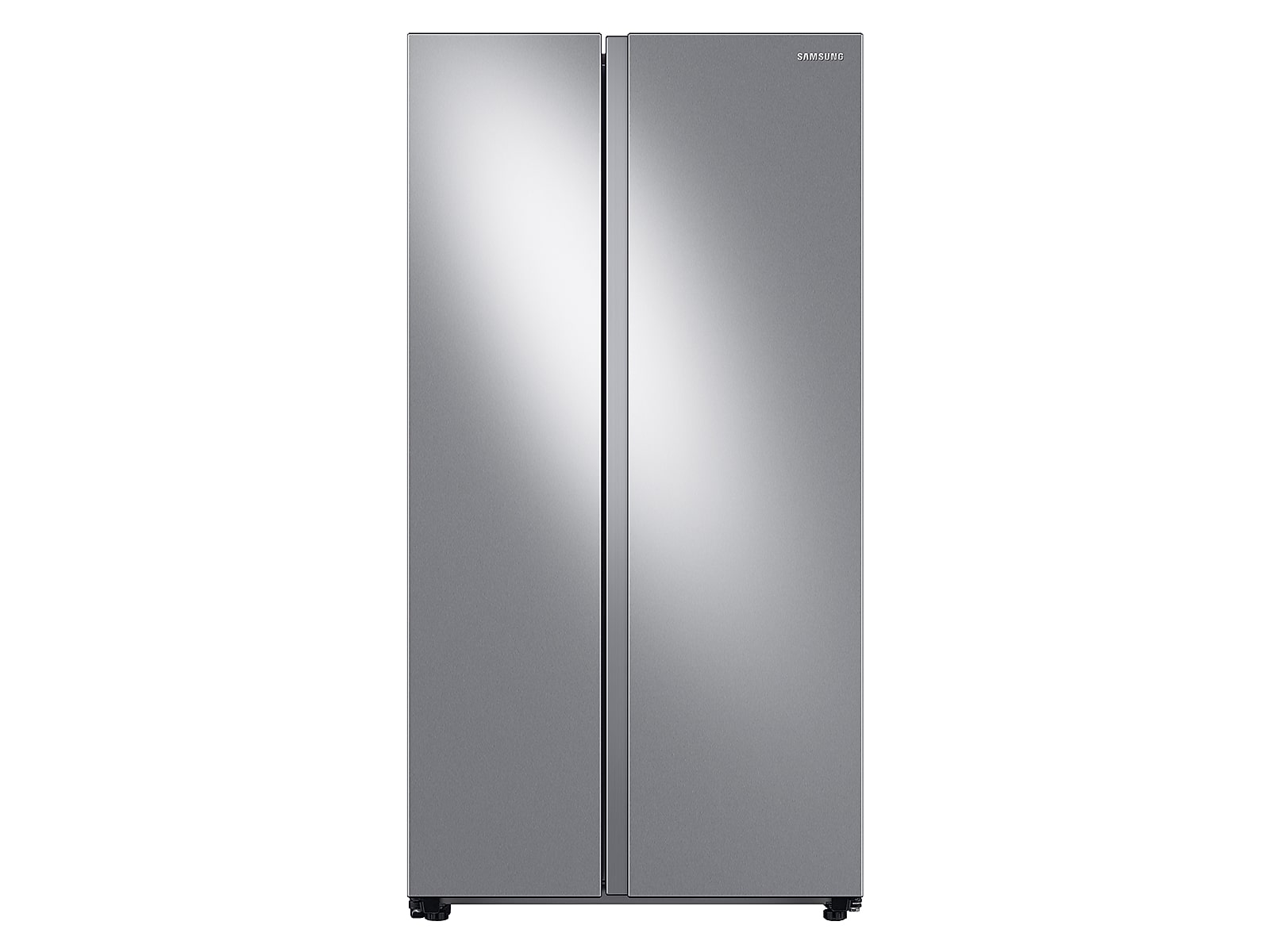
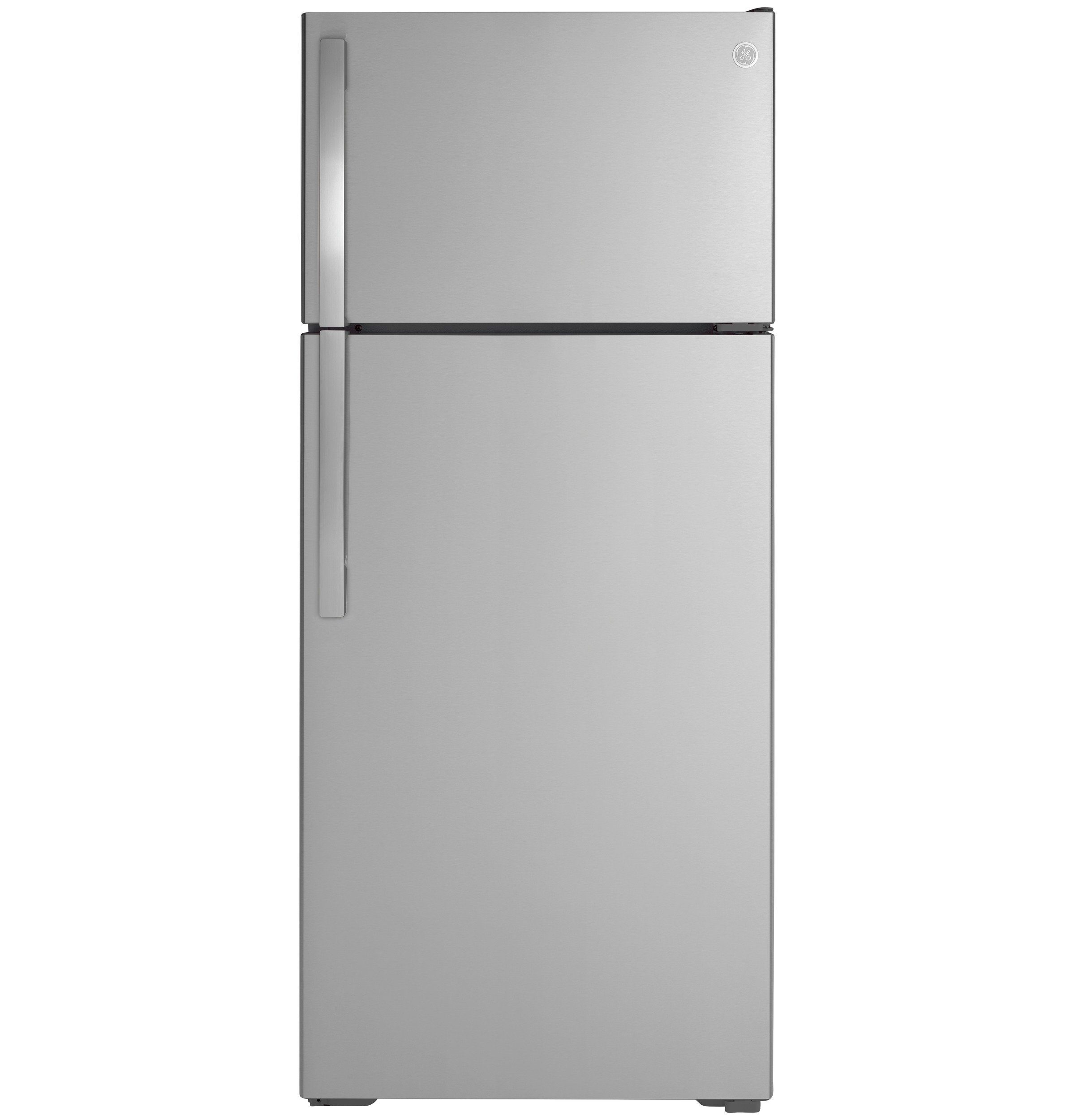
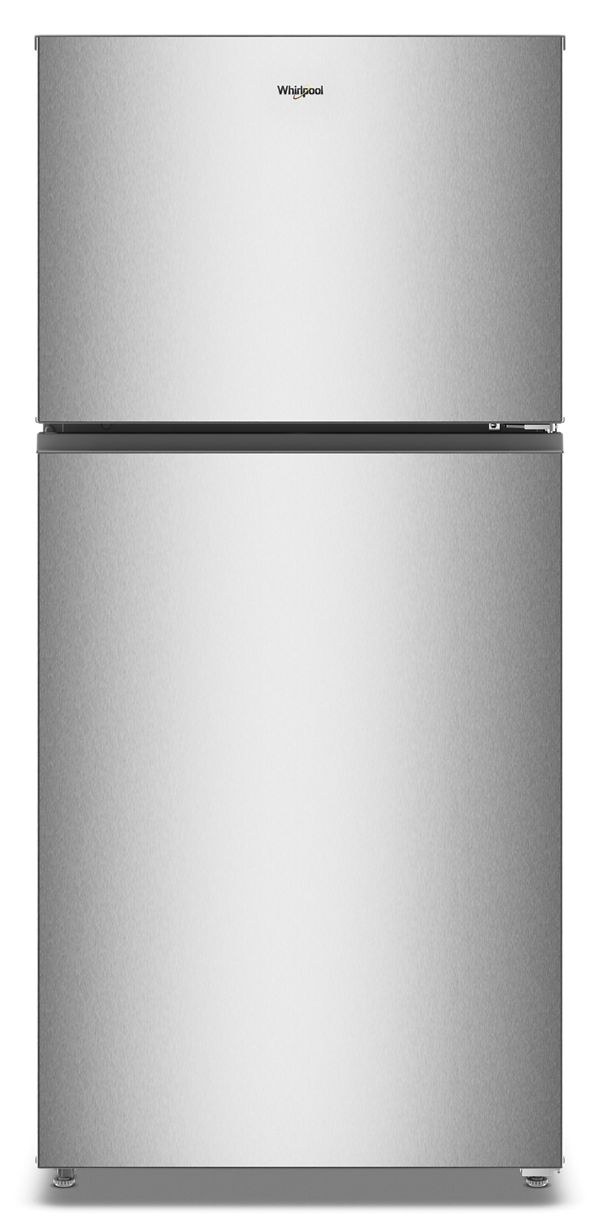
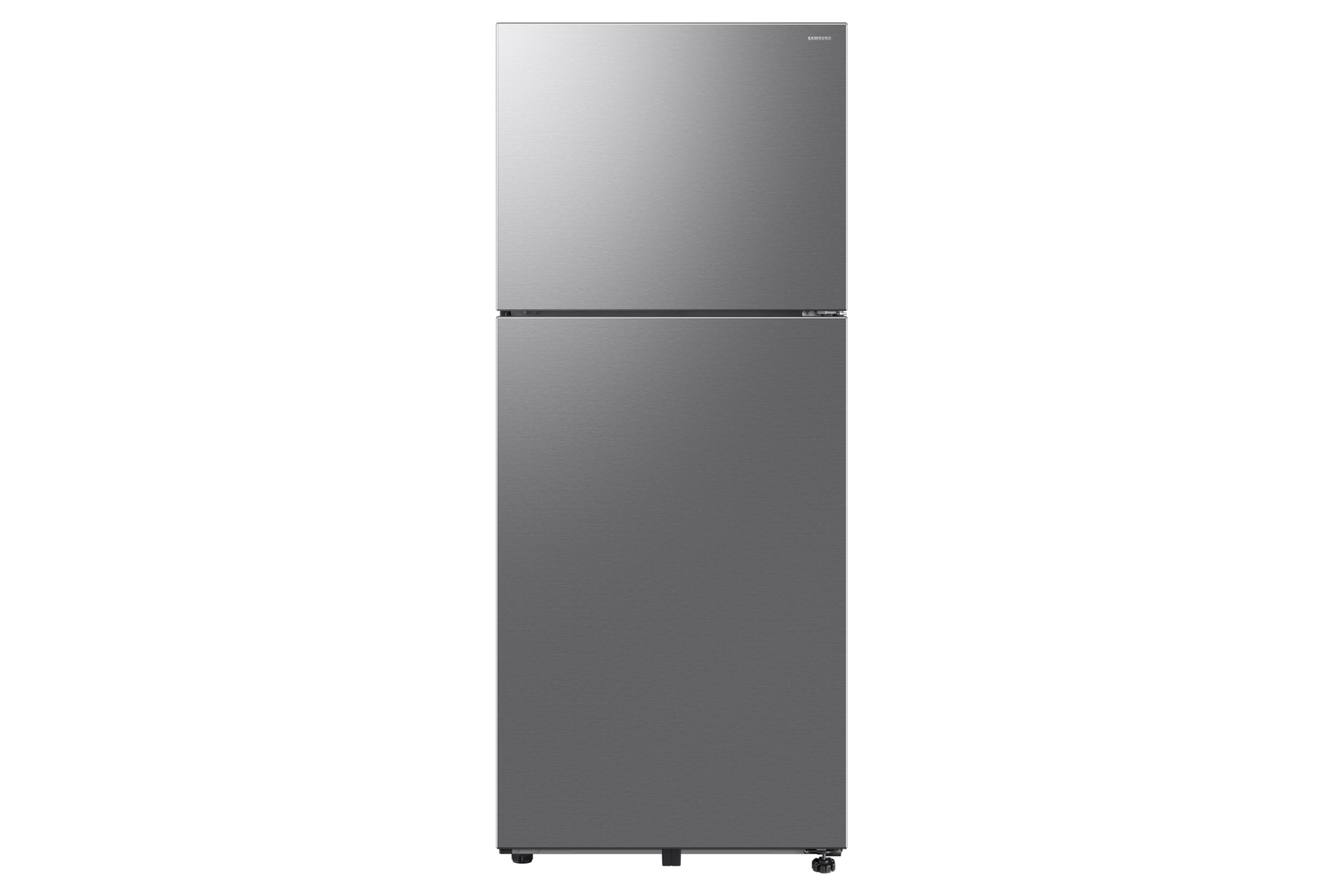
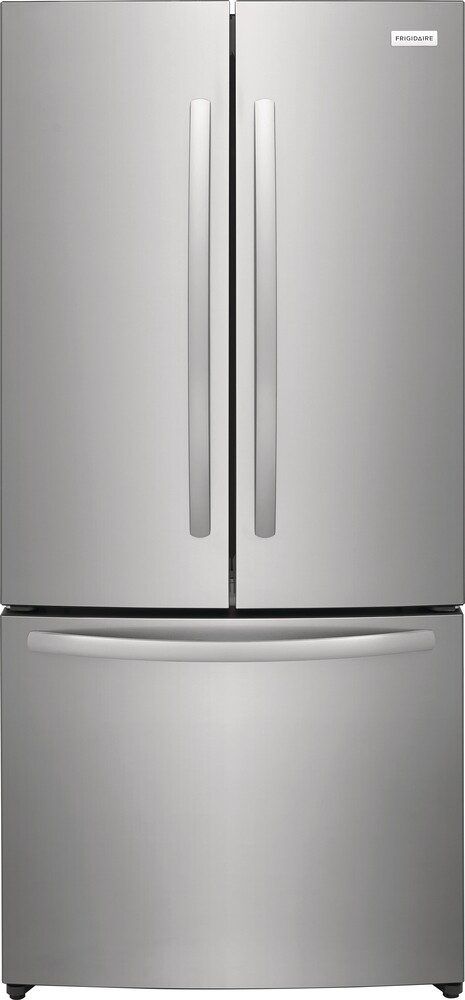
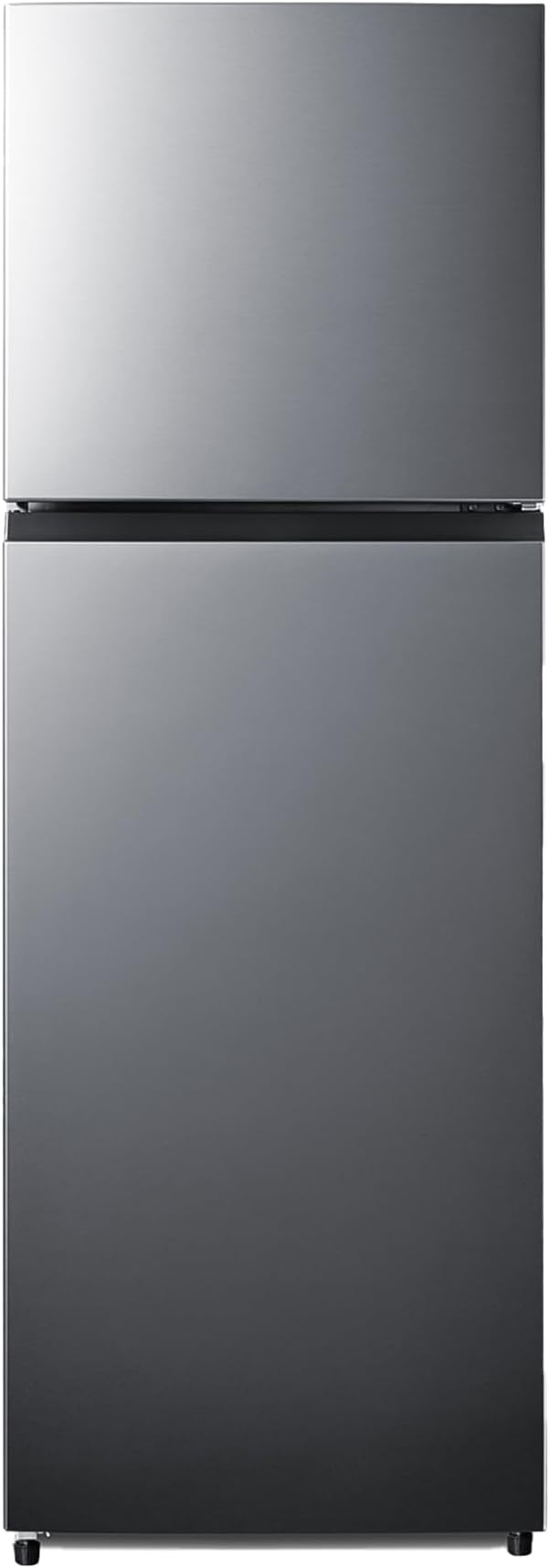
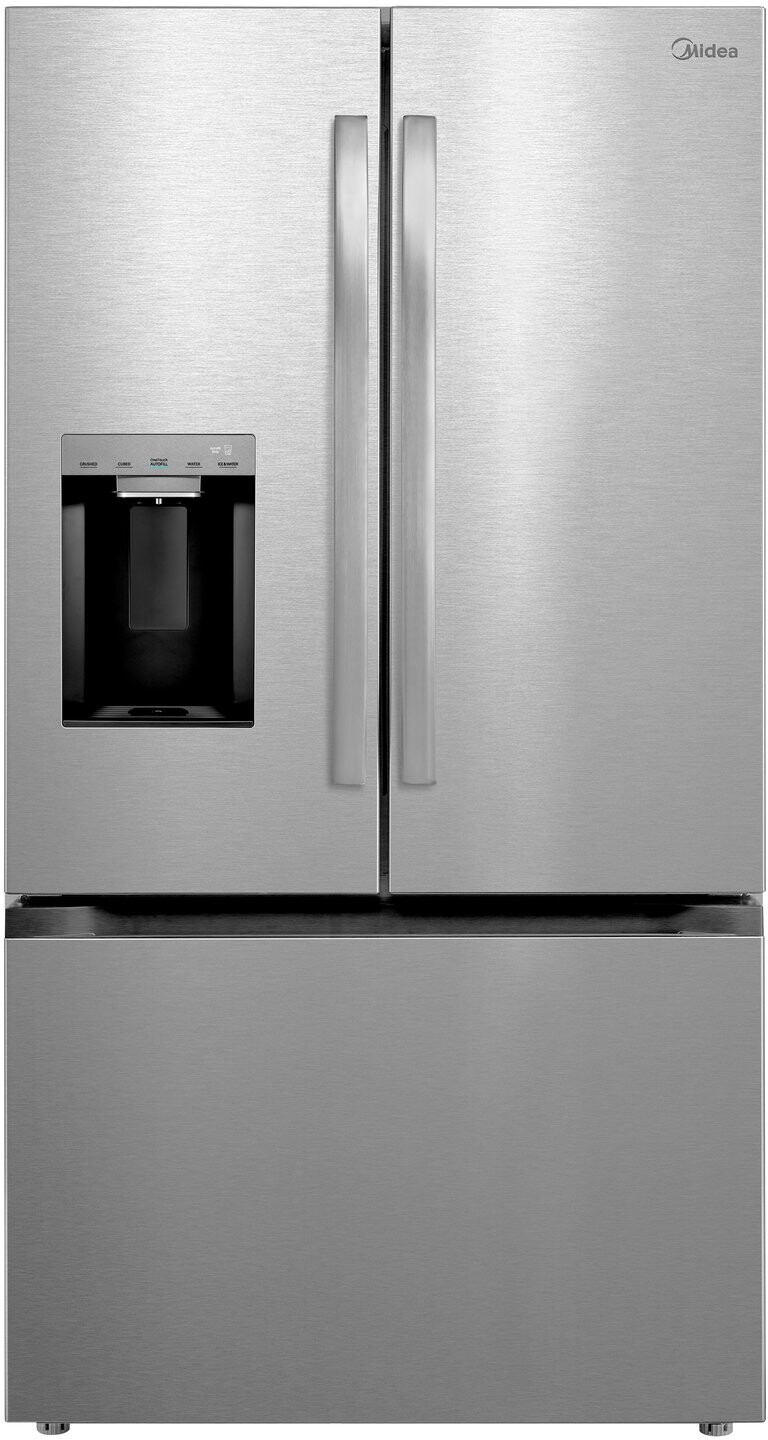
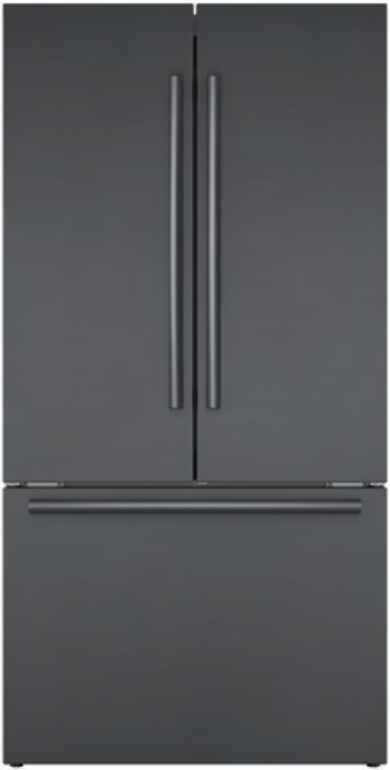
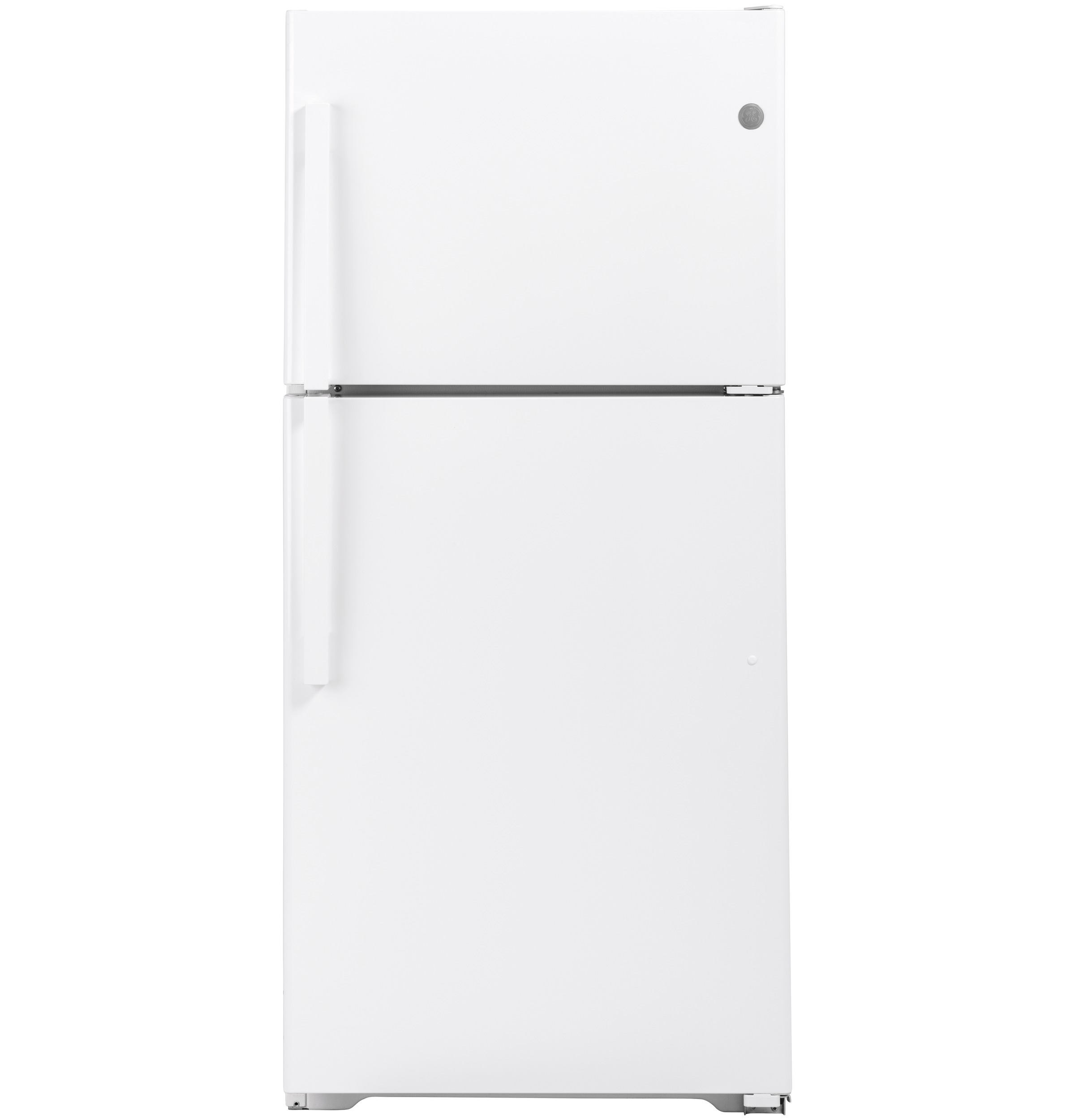
While they excel in maintaining the ideal environment for fermentation, they typically consume more energy due to their specialized cooling systems and multiple compartments.
When selecting a refrigerator, it's important to understand the different types available and how they cater to specific needs.
Originating from Korea, these refrigerators maintain the ideal temperature and humidity levels required for the fermentation process, ensuring that the kimchi retains its flavor and texture.
Kimchi refrigerators are equipped with multiple compartments, each with its own temperature settings to accommodate different types of kimchi and other fermented foods.
When selecting a refrigerator, it's important to understand the different types available and how they cater to specific needs. Two popular choices are energy efficient refrigerators and kimchi refrigerators.
Energy Efficient Refrigerators
Energy efficient refrigerators are designed to minimize electricity usage while maintaining optimal cooling performance. These refrigerators typically feature advanced insulation, energy-efficient compressors, and smart temperature controls to reduce power consumption. This not only helps lower your energy bills but also contributes to environmental conservation by reducing greenhouse gas emissions.
Some key benefits of energy efficient refrigerators include:
Lower electricity bills
Reduced environmental impact
Advanced cooling technologies
Longer lifespan due to efficient components
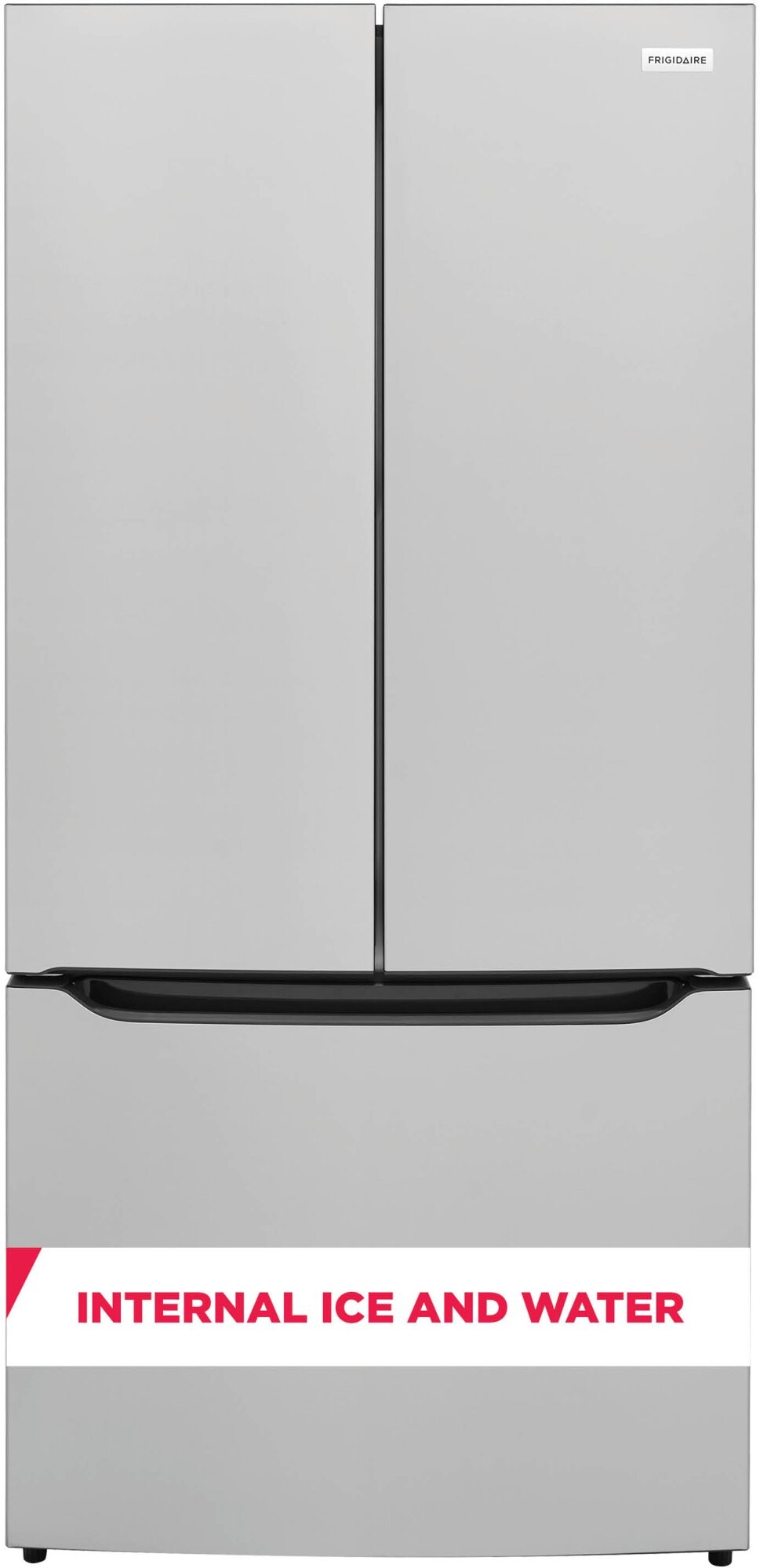
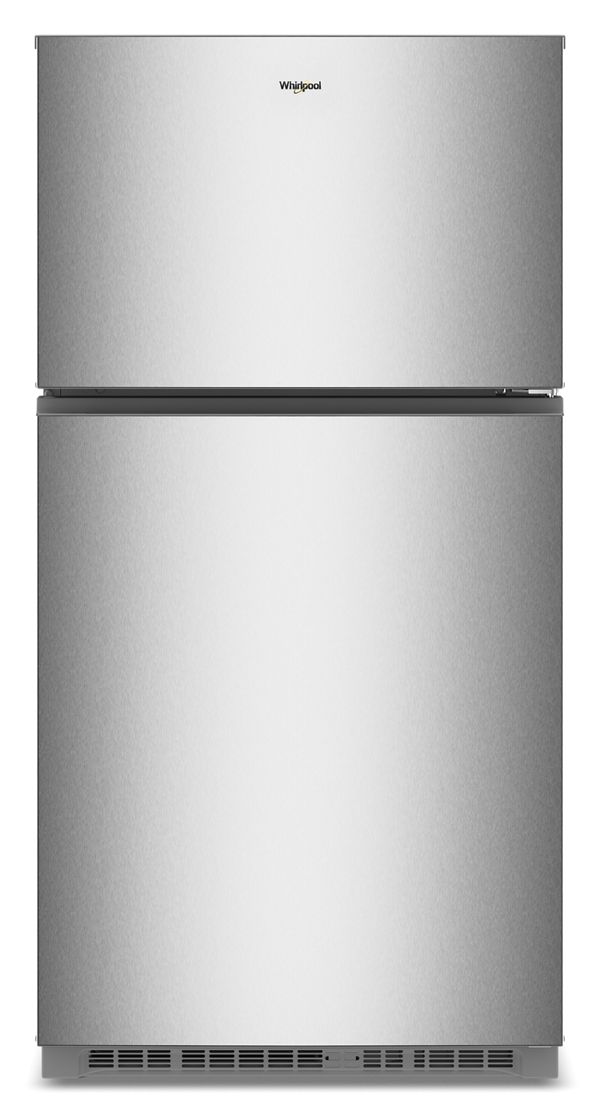
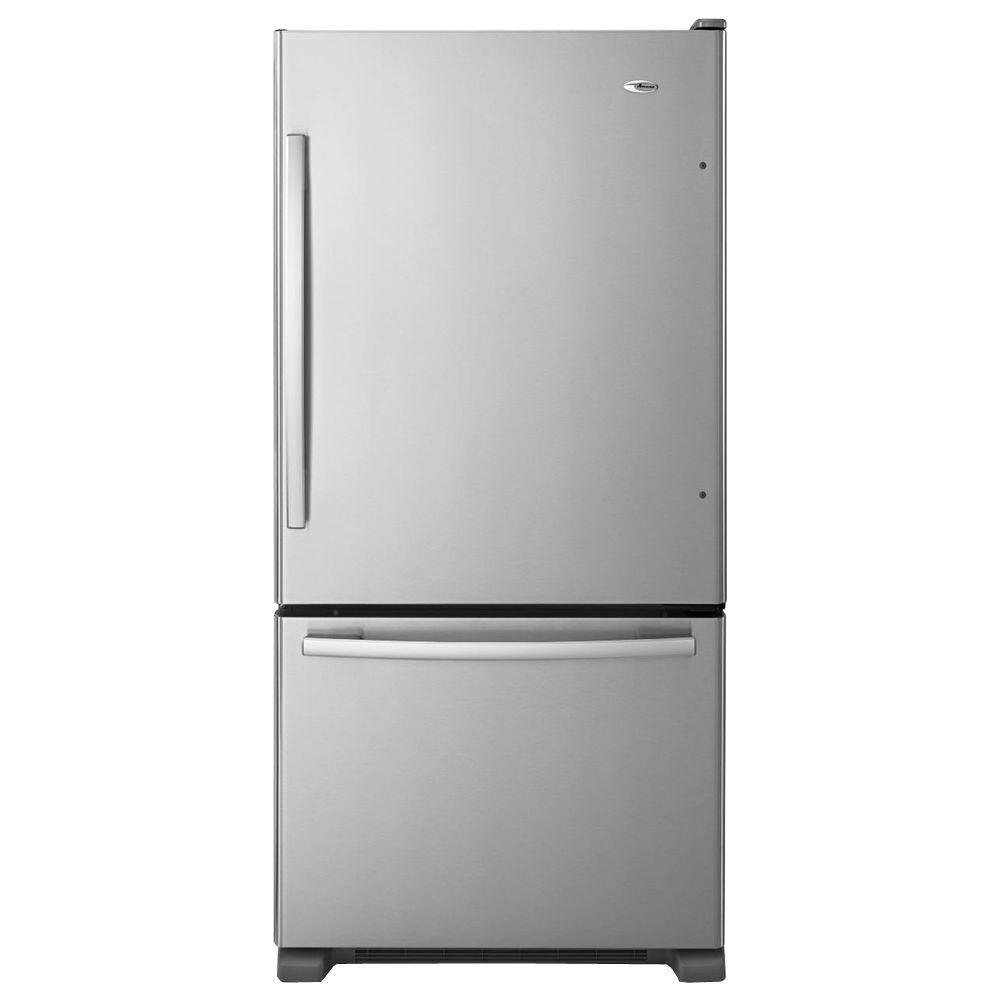
Many energy efficient refrigerators are certified by programs like ENERGY STAR, which sets strict energy efficiency guidelines. These refrigerators come in various styles, including top freezer, bottom freezer, side-by-side, and French door models, catering to different storage needs and preferences. For more information, check out Fridge.com comparison of energy efficient refrigerator Vs. ice cream freezer.
Kimchi Refrigerators
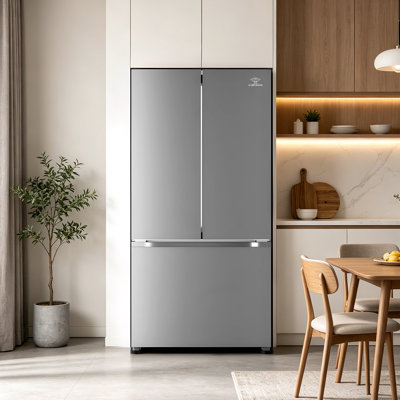
Kimchi refrigerators are a specialized type of refrigerator designed specifically for storing kimchi and other fermented foods. Originating from Korea, these refrigerators maintain the ideal temperature and humidity levels required for the fermentation process, ensuring that the kimchi retains its flavor and texture.
Kimchi refrigerators are equipped with multiple compartments, each with its own temperature settings to accommodate different types of kimchi and other fermented foods. This allows for precise control over the fermentation process, resulting in consistently high-quality kimchi. Some models also feature separate sections for storing fresh produce, meat, and other perishables.
Key features of kimchi refrigerators include:
Multiple temperature-controlled compartments
Optimal humidity levels for fermentation
Enhanced odor control to prevent cross-contamination
Specialized storage containers for kimchi
Although kimchi refrigerators are primarily designed for fermenting and storing kimchi, they can also be used to store a variety of other foods, making them a versatile addition to any kitchen. To see how kimchi refrigerators compare to other refrigerator types, read Fridge.com article on kimchi refrigerator Vs. see through refrigerator.
Understanding the differences between energy efficient refrigerators and kimchi refrigerators can help you make an informed decision based on your specific needs and preferences. Whether you prioritize energy savings or specialized storage for fermented foods, there is a refrigerator type that will suit your lifestyle.
Understanding the energy consumption of different refrigerator types is crucial for making an informed decision. In this section, Fridge.com will compare the energy usage of energy-efficient refrigerators and kimchi refrigerators.
Energy Consumption of Energy Efficient Refrigerators
Energy-efficient refrigerators are designed to use less electricity while maintaining optimal cooling performance. They often come with advanced features such as improved insulation, high-efficiency compressors, and smart temperature controls. These features help reduce the overall energy consumption.
Energy-efficient refrigerators comply with standards set by organizations like ENERGY STAR, ensuring they consume significantly less power compared to traditional models. For details on various refrigerator comparisons, check out Fridge.com articles on glass door refrigerator Vs. stainless steel refrigerator.
Energy Consumption of Kimchi Refrigerators
Kimchi refrigerators are specialized appliances designed to store kimchi and other fermented foods at precise temperatures. While they excel in maintaining the ideal environment for fermentation, they typically consume more energy due to their specialized cooling systems and multiple compartments.
Refrigerator Type
Average Annual Energy Consumption (kWh)
Cost per Year ($)
Kimchi Refrigerator
600 - 700
72 - 84
Kimchi refrigerators may have higher energy usage, but they are essential for those who frequently store large quantities of kimchi and other fermented foods. For more insights on different refrigerator types, explore Fridge.com article on kimchi refrigerator Vs. see through refrigerator.
Choosing between an energy-efficient refrigerator and a kimchi refrigerator depends on your specific needs and priorities. If reducing energy costs is a top concern, an energy-efficient model may be the better option. However, if you require specialized storage for fermented foods, a kimchi refrigerator could be a worthwhile investment. For more comparisons, visit Fridge.com page on beverage cooler Vs. bottom freezer refrigerator.
Features and Technology
Key Features of Energy Efficient Refrigerators
Energy efficient refrigerators prioritize reducing energy consumption while maintaining optimal cooling performance. These appliances are designed with advanced technologies to achieve this balance. Key features include:
Energy Star Certification: Energy efficient refrigerators often carry the Energy Star label, indicating they meet strict energy efficiency guidelines set by the EPA.
Inverter Compressors: These compressors adjust cooling power based on the refrigerator’s needs, leading to significant energy savings and quieter operation.
LED Lighting: LED lights consume less energy and last longer than traditional bulbs.
Smart Features: Some models come with smart technology, allowing you to monitor and control the fridge remotely via a smartphone app.
Improved Insulation: Enhanced insulation materials help maintain a consistent internal temperature, reducing the workload on the compressor.
Feature
Description
Inverter Compressors
Adjust cooling power for energy savings
LED Lighting
Energy-efficient and long-lasting lighting
Smart Features
Remote monitoring and control
Improved Insulation
Consistent temperature maintenance
Key Features of Kimchi Refrigerators
Kimchi refrigerators are specialized appliances designed to preserve the unique fermentation process of kimchi. These refrigerators have specific features tailored to this purpose:
Multiple Temperature Zones: Kimchi refrigerators often have separate compartments with customizable temperature settings to accommodate different stages of kimchi fermentation.
Odor Control: These fridges typically include advanced odor control systems to prevent the strong smell of kimchi from affecting other foods.
Moisture Control: Maintaining the right humidity level is crucial for kimchi fermentation, and these refrigerators are equipped with systems to regulate moisture.
Fermentation Mode: Some models offer a fermentation mode, which provides optimal conditions for fermenting kimchi and other fermented foods.
Durable Shelving: The shelves are often designed to withstand the weight of heavy kimchi jars and are easy to clean.
Feature
Description
Multiple Temperature Zones
Separate compartments for different fermentation stages
The cooling performance of a refrigerator is a critical factor to consider, especially when comparing different types. This section will focus on the cooling efficiency of energy-efficient refrigerators and kimchi refrigerators.
Cooling Efficiency of Energy Efficient Refrigerators
Energy-efficient refrigerators are designed to minimize energy consumption while maintaining optimal cooling performance. These refrigerators use advanced insulation and compressor technologies to keep your food at the desired temperature without consuming excessive electricity.
Key features contributing to their cooling efficiency include:
Variable Speed Compressors: Adjusts the cooling speed based on the refrigerator's internal temperature.
Enhanced Insulation: Reduces heat exchange with the external environment.
Smart Sensors: Monitor and adjust the temperature and humidity levels automatically.
Feature
Impact on Cooling Efficiency
Variable Speed Compressors
Adjusts cooling speed for energy savings
Enhanced Insulation
Reduces heat exchange, maintains internal temperature
Smart Sensors
Optimizes temperature and humidity levels
Energy-efficient refrigerators often come with multiple cooling zones, ensuring that different types of food are stored at the ideal temperature. For more on the energy aspects, see Fridge.com section on Energy Consumption of Energy Efficient Refrigerators
.
Cooling Efficiency of Kimchi Refrigerators
Kimchi refrigerators are specifically designed to store kimchi and other fermented foods, requiring unique cooling capabilities. These refrigerators maintain a consistent low temperature and precise humidity levels to ensure the proper fermentation and preservation of kimchi.
Key features enhancing their cooling efficiency include:
Separate Kimchi Storage Compartments: Allows for different fermentation stages.
Humidity Control: Maintains optimal moisture levels for fermentation.
Multiple Temperature Zones: Ensures various types of kimchi are stored correctly.
Feature
Impact on Cooling Efficiency
Separate Kimchi Storage Compartments
Allows different fermentation stages
Humidity Control
Maintains optimal moisture for fermentation
Multiple Temperature Zones
Ensures correct storage for various kimchi types
Kimchi refrigerators use specialized technology to provide an environment that mimics traditional fermentation conditions. This ensures that the kimchi remains fresh and flavorful. For more details on unique features, refer to Fridge.com section on Key Features of Kimchi Refrigerators.
The cooling efficiency of both energy-efficient and kimchi refrigerators plays a significant role in their overall performance. Understanding these differences can help you make an informed decision based on your specific needs. For further comparisons, explore Fridge.com articles on kimchi refrigerator Vs. see through refrigerator and beverage cooler Vs. convertible refrigerator.
Understanding the storage capacity of different refrigerator types is crucial for making an informed decision. This section compares the storage space in energy-efficient refrigerators and kimchi refrigerators.
Storage Space in Energy Efficient Refrigerators
Energy-efficient refrigerators are designed to maximize storage while minimizing energy consumption. These refrigerators often feature adjustable shelving, door bins, and spacious compartments to accommodate various food items. The storage capacity can vary depending on the model and design.
Feature
Description
Total Capacity
18 - 25 cubic feet
Fresh Food Compartment
12 - 18 cubic feet
Freezer Compartment
6 - 8 cubic feet
Shelves
Adjustable, spill-proof
Door Bins
Gallon storage, adjustable
Energy-efficient refrigerators are ideal for families or individuals who need ample storage space for fresh and frozen foods. The flexible shelving and door bins help to organize the interior efficiently, making it easy to access items.
Storage Space in Kimchi Refrigerators
Kimchi refrigerators are specially designed to store kimchi and other fermented foods. These refrigerators often feature multiple compartments and precise temperature control to maintain the optimal environment for fermentation. The storage capacity of kimchi refrigerators is typically optimized for storing large quantities of kimchi and other fermented dishes.
Feature
Description
Total Capacity
10 - 20 cubic feet
Kimchi Compartments
2 - 4 specialized compartments
Temperature Zones
Multiple, adjustable
Shelves
Fixed, designed for fermentation jars
Door Bins
Limited, small items storage
Kimchi refrigerators are perfect for those who regularly make and store kimchi or other fermented foods. The specialized compartments and temperature zones ensure that each type of food is kept at the ideal condition for fermentation and storage.
For more detailed comparisons, you can explore articles such as kimchi refrigerator Vs. shallow depth refrigerator or kimchi refrigerator Vs. see through refrigerator. Understanding these differences can help you choose the refrigerator that best suits your storage needs and lifestyle.
Maintenance and Durability
When choosing between an energy efficient refrigerator and a kimchi refrigerator, understanding their maintenance requirements and durability is crucial. Both types of refrigerators have distinct needs that can impact their longevity and performance.
Maintenance Requirements for Energy Efficient Refrigerators
Energy efficient refrigerators are designed to reduce power consumption while maintaining optimal cooling performance. These refrigerators often come with advanced technology, which can simplify maintenance tasks.
Maintenance Tasks:
Regular Cleaning: Clean the interior and exterior surfaces regularly to prevent mold and bacteria buildup.
Condenser Coils: Vacuum the condenser coils every six months to ensure efficient operation.
Door Seals: Inspect and clean the door seals to maintain an airtight fit and prevent cold air leakage.
Water Filters: Replace water filters as recommended by the manufacturer to ensure clean water and ice.
Maintenance Task
Frequency
Interior Cleaning
Monthly
Condenser Coils Cleaning
Every 6 Months
Door Seals Cleaning
Every 3 Months
Water Filters Replacement
Every 6 Months
For further reading on refrigerator comparisons, visit Fridge.com article on energy efficient refrigerator Vs. ice cream freezer.
Maintenance Requirements for Kimchi Refrigerators
Kimchi refrigerators are specifically designed to store kimchi and other fermented foods at optimal conditions. They often have unique features to support the fermentation process, which also means specific maintenance tasks.
Maintenance Tasks:
Interior Cleaning: Clean the interior regularly to prevent contamination and odor buildup.
Fermentation Containers: Wash and sanitize the fermentation containers after each use to maintain hygiene.
Temperature Calibration: Regularly check and calibrate the temperature settings to ensure the optimal fermentation environment.
Ventilation: Ensure proper ventilation around the refrigerator to prevent overheating and maintain consistent performance.
Maintenance Task
Frequency
Interior Cleaning
Every 2 Weeks
Fermentation Containers Cleaning
After Each Use
Temperature Calibration
Monthly
Ventilation Check
Every 3 Months
For a deeper comparison, check Fridge.com article on kimchi refrigerator Vs. shallow depth refrigerator.
Understanding these maintenance requirements can help you decide which refrigerator is best suited for your needs. Both energy efficient and kimchi refrigerators offer unique benefits, but their maintenance and durability factors play a significant role in their overall performance and longevity.
When comparing an energy-efficient refrigerator and a kimchi refrigerator, understanding the upfront costs is essential.
Upfront Costs of Energy Efficient Refrigerators
Energy-efficient refrigerators are designed to consume less electricity, offering savings over time. However, the initial purchase price can vary based on several factors such as size, features, and technology.
Feature
Cost Range
Basic Model
$500 - $1,200
Mid-Range Model
$1,200 - $2,500
High-End Model
$2,500 - $5,000
These refrigerators often come with advanced features like adjustable shelves, smart technology, and enhanced cooling systems, which can influence the overall cost. For more details on different types of refrigerators, check out Fridge.com article on energy-efficient refrigerator Vs. ice cream freezer.
Upfront Costs of Kimchi Refrigerators
Kimchi refrigerators, specifically designed for fermenting and storing kimchi, often come with more specialized features. These can include multiple compartments with varying temperature settings, humidity control, and odor elimination systems.
Feature
Cost Range
Basic Model
$900 - $1,800
Mid-Range Model
$1,800 - $3,500
High-End Model
$3,500 - $6,000
The unique technology of kimchi refrigerators can lead to higher upfront costs compared to standard refrigerators. For more comparisons, visit Fridge.com article on kimchi refrigerator Vs. see through refrigerator.
Understanding the initial investment required for both types of refrigerators can help you make an informed decision. Whether prioritizing energy savings or specialized storage, each option offers distinct advantages. For further insights into refrigerator comparisons, explore Fridge.com articles on beverage cooler Vs. bottom freezer refrigerator and convertible refrigerator Vs. freestanding beverage center.
Compare prices on Fridge.com
Compare current prices and specifications on Fridge.com, then buy from the retailer you choose; delivery, installation and warranty terms are the retailer’s.
It also has tons of awesome articles about kitchen stuff and home news. Enhance your home, garage, backyard, patio, and office with the coolest essentials. With every necessary type of residential refrigerator or freezer in the collection, you're covered.
From Fridge.com research
Figures below come from data Fridge.com builds and maintains. Each links to the record behind it.
Fridge.com Energy Index, built on U.S. EPA and DOE ENERGY STAR records
Across 5,455 ENERGY STAR certified refrigerators and freezers from 263 brands, median use is 360 kWh per year.