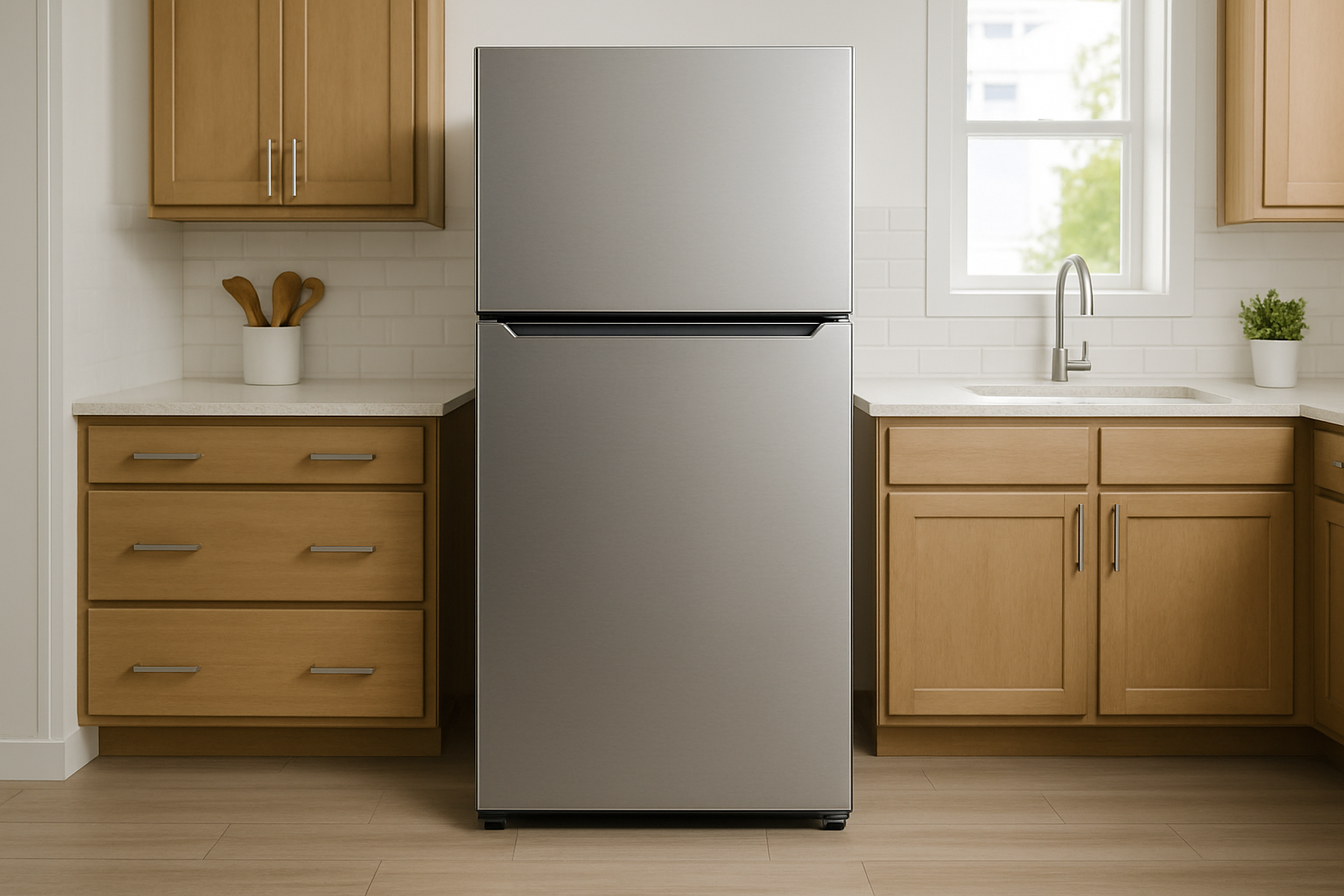
Evaluating the Value of Your Used Refrigerator
Determining the right price for a used refrigerator requires careful evaluation. Homeowners and influencers alike must consider various factors and conduct thorough market research to ensure they set a fair price.
Factors to Consider When Pricing Your Used Refrigerator
When pricing a used refrigerator, several key factors influence its value:
| Factor | Description |
|---|---|
| Age | Older models may have decreased value due to wear and tear or outdated technology. |
| Condition | Scratches, dents, or any internal damage can lower the price significantly. |
| Brand | Well-known brands may have higher resale value due to perceived durability and quality. |
| Features | Added features like ice makers, water dispensers, or smart technology can increase desirability. |
| Energy Efficiency | Models with better energy efficiency ratings may command higher prices as they save electricity over time. |
Researching Market Prices
To set a competitive price for a used refrigerator, research current market prices. This process involves comparing similar models within local listings and online platforms.
Homeowners can start by checking classified ads, resale websites, and yard sale groups. Observing the price range helps in understanding what others are asking for similar models. Creating a simple comparison table can be useful:
| Model Type | Price Range |
|---|---|
| Standard Refrigerator | $200 - $800 |
| Mini Refrigerator | $50 - $300 |
| Side-by-Side Refrigerator | $300 - $1,200 |
| French Door Refrigerator | $500 - $2,000 |
Finding the average price based on these comparisons provides a realistic baseline price. Additionally, reviewing articles like what are things to check before buying used refrigerator? can provide insight into essential aspects shoppers prioritize, allowing sellers to highlight these features when advertising.
Both factors and market research are critical in determining how to price a used refrigerator effectively.
Determining the Condition of Your Used Refrigerator
Assessing the condition of a used refrigerator is crucial in determining its value. This step involves evaluating both the exterior and interior of the appliance, as well as examining its functionality and performance.
Assessing the Exterior and Interior
When evaluating a used refrigerator, the first step is to inspect both the exterior and interior surfaces. Key areas to focus on include:
-
Exterior Condition: Check for dents, scratches, or rust. Cosmetic imperfections could affect the aesthetic appeal and marketability of the unit.
-
Interior Condition: Inspect the shelves, drawers, and any other compartments. Ensure there are no cracks or broken components. A clean interior is also a plus, as it suggests proper maintenance.
| Condition | Exterior Assessment | Interior Assessment |
|---|---|---|
| Excellent | No visible damage | All compartments intact and clean |
| Good | Minor scratches or dents | Some wear, but functional |
| Fair | Noticeable damage | Missing components or significant wear |
| Poor | Major damage or rust | Unclean, broken parts |
Checking the Functionality and Performance
Functionality is a critical factor that impacts the valuation of a used refrigerator. To assess its performance, consider the following:
-
Cooling Efficiency: Confirm that the refrigerator maintains proper temperatures for both the refrigerator and freezer sections. A thermometer can be helpful to measure temperatures.
-
Noise Levels: Pay attention to operational sounds. A functioning refrigerator should have a steady hum without unusual noises, which might indicate mechanical issues.
-
Energy Efficiency: Look for energy ratings and consider how much power it might consume. An energy-efficient model is more desirable and can lead to higher pricing.
| Functionality | Assessment Criteria |
|---|---|
| Excellent | Maintains ideal temperature & quiet operation |
| Good | Minor fluctuations in temperature & normal noise |
| Fair | Inconsistent cooling & louder operation |
| Poor | Fails to cool & excessive noise |
By thoroughly assessing the exterior, interior, and performance of the refrigerator, sellers can better understand its current condition and price it accordingly. For more tips on pricing your used refrigerator, explore our article on how to price a used refrigerator.
Calculating the Price for Your Used Refrigerator
Pricing a used refrigerator requires careful consideration of several factors. Two crucial aspects to assess are depreciation and the age of the appliance, along with the influence of the brand and model.
Depreciation and Age
As with most appliances, the value of a refrigerator depreciates over time. Typically, a refrigerator can lose a significant portion of its value as it ages. The following table illustrates a general guideline for calculating depreciation based on the age of a refrigerator:
| Age of Refrigerator (Years) | Depreciation (%) |
|---|---|
| 0 - 1 | 10% |
| 2 - 3 | 20% |
| 4 - 5 | 40% |
| 6 - 7 | 60% |
| 8 - 10 | 70% |
| Over 10 | 80% |
Homeowners should factor in the current condition of the fridge. A well-maintained unit may retain value better than one that shows signs of wear and tear. It's also essential to consider any models that may still be within warranty, as this can add to the price.
Brand and Model Influence
The brand and model of a refrigerator can play a significant role in determining its resale value. Some brands have stronger reputations for quality and longevity, while specific models may offer advanced features or energy efficiency that increase demand. The following points highlight how brand and model can influence pricing:
- Reputation: Well-known brands that are synonymous with reliability often command higher prices in the used market.
- Features: Refrigerators with modern conveniences, such as smart technology, water dispensers, or energy-efficient ratings, tend to retain their value better.
- Demand: If certain models are popular among buyers or known for certain attributes (e.g., a color or design), they may sell for a higher price.
To get a better understanding of how brand and model values fluctuate, it is essential to research current market prices. Utilizing local sales platforms and resources can provide insight into similar used refrigerators in your area. For tips on assessing market conditions, refer to our article on what are things to check before buying a used refrigerator.
By taking depreciation, age, brand reputation, and model specificity into account, sellers can arrive at a reasonable price range for their used refrigerator that reflects its true value in the market.
Setting a Competitive Price
In a competitive market, setting the right price for a used refrigerator can significantly impact the speed of sale. Homeowners, foodies, and families looking for a refrigerator require careful consideration of pricing strategies and negotiation techniques.
Pricing Strategies for a Quick Sale
To successfully price a used refrigerator, it's important to utilize effective strategies. Here are several methods to consider:
| Strategy | Description |
|---|---|
| 1. Competitive Pricing | Research similar refrigerators in your area to set a comparable price. Price slightly lower to attract buyers. |
| 2. Bundle Pricing | Offer additional accessories (like shelves or storage bins) at a higher perceived value, making the refrigerator more appealing. |
| 3. Seasonal Discounts | Consider selling during peak moving seasons or holidays for increased interest. Adjusting the price downward during these times can encourage a sale. |
| 4. Use Psychological Pricing | Pricing at $199 instead of $200 can impact buyer perception and encourage faster decisions. |
These strategies can help homeowners or sellers position their refrigerator attractively in the market, making it easier for potential buyers to make a purchase decision.
Negotiation Tips
When it comes to closing the deal, effective negotiation can help secure a favorable price. Here are some helpful tips for negotiating the sale of a used refrigerator:
| Tips | Description |
|---|---|
| 1. Set a Firm Minimum Price | Know the lowest price you are willing to accept prior to negotiations. This helps avoid making rash decisions under pressure. |
| 2. Highlight Features | Emphasize unique features or selling points of the refrigerator, such as energy efficiency, storage capacity, or warranty remaining. |
| 3. Be Open to Counteroffers | Accepting reasonable counteroffers can keep negotiations moving towards a successful sale. |
| 4. Remain Polite and Patient | Building rapport with potential buyers can lead to better negotiation outcomes and a positive selling experience. |
By utilizing these negotiation strategies and pricing techniques, individuals can effectively market their used refrigerator and increase the likelihood of a swift sale. Understanding how to price a used refrigerator will empower sellers in making informed decisions, ultimately benefiting both parties involved in the transaction.
Advertising and Selling Your Used Refrigerator
Effective advertising is key to successfully selling a used refrigerator. This section will guide readers on how to create an attractive listing and where to best promote their appliance.
Writing a Compelling Listing
To capture the attention of potential buyers, a well-crafted listing is essential. Here are some tips for writing a compelling advertisement:
- Title: Start with a clear title that includes the keyword "used refrigerator" and highlights key features, such as size or brand.
- Description: Provide a detailed description of the refrigerator's specifications, including:
- Model and brand
- Size (cubic feet)
- Condition (new, gently used, etc.)
- Any included features, such as energy efficiency, adjustable shelves, or special compartments
- High-Quality Photos: Include multiple clear images of the refrigerator from different angles. This should include interior shots and close-ups of any unique features.
- Price and Negotiability: State your asking price clearly, and indicate if you are open to negotiations.
- Contact Information: Provide preferred methods for potential buyers to reach out, such as phone number or email.
A simple table can summarize key features in the listing:
| Feature | Detail |
|---|---|
| Brand | [Brand Name] |
| Model | [Model Number] |
| Size | [Cubic Feet] |
| Condition | [Condition] |
| Price | [Asking Price] |
Where to Advertise Your Refrigerator
Choosing the right platforms to advertise is crucial for effective outreach. Here are some recommended places to consider:
- Online Marketplaces:
- Websites like Craigslist and Facebook Marketplace allow users to list their used refrigerators for local buyers.
- Apps such as OfferUp and Letgo are also useful for selling appliances in the neighborhood.
- Social Media:
- Utilizing social media platforms, especially local groups on Facebook, can help reach a wider audience.
- Post in community groups or pages dedicated to buying and selling household items.
- Classified Ads:
- Consider publishing ads in local newspapers or online classified sections.
- Specialty Websites:
- Websites focusing on appliance sales may provide specialized audiences.
Ensuring the listing is available on multiple platforms increases visibility and the chances of a quicker sale. Adapting the advertisement approach based on potential buyer preferences can lead to a successful transaction.