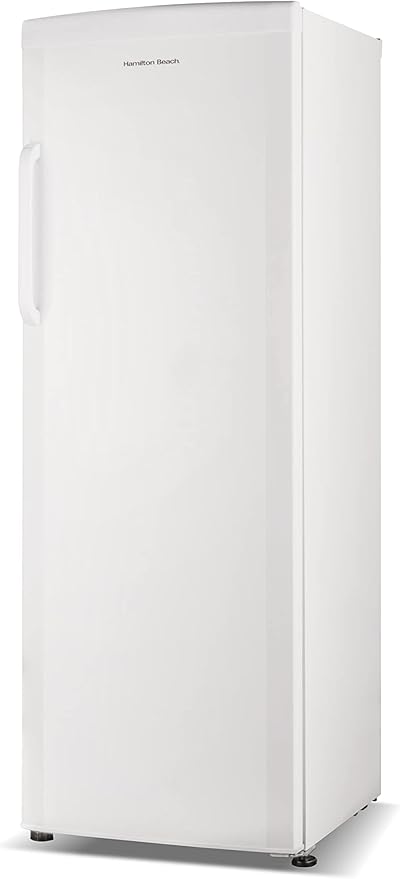
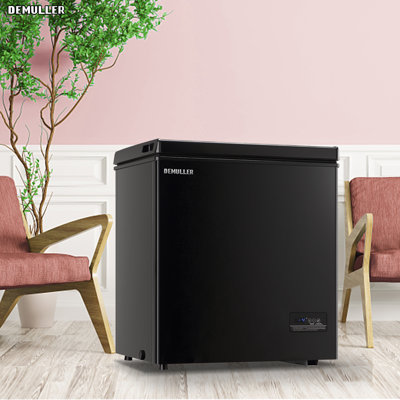
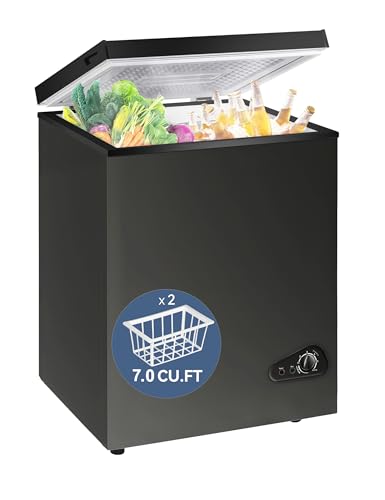
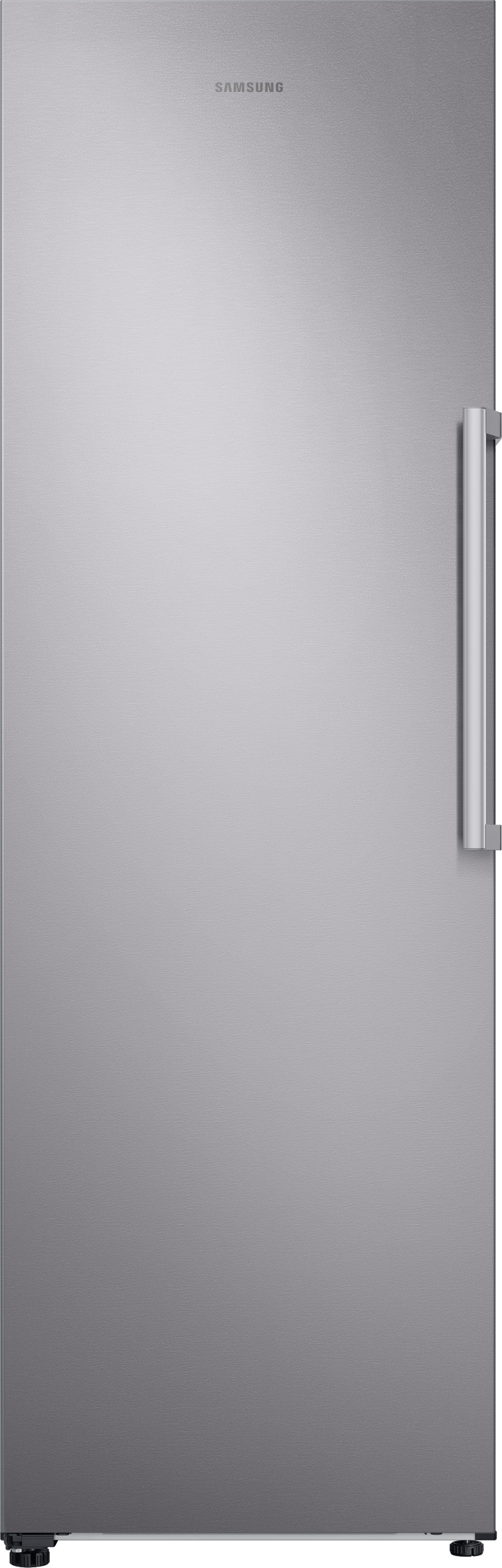
Freezer frost is kind of like that surprise guest who shows up uninvited, and you have a mess to clean up afterward. It happens because of the cozy meet-up between moisture and temperature spikes. When warm air sneaks in, it decides to hang out and condensate. This moisture becomes frost as it freezes over time, leaving you with a snowy mess inside. Here's how it might waltz in:
Dodgy Seals: Cracked seals or gaskets are like an open invitation for warm air to strut in.
Door Left Open: Ever gotten distracted while grabbing ice cream? Each time the freezer opens, it gets a chance for warm, soggy air to wander in.
Stuffed to the Max: Overloading means air can't flow smoothly, causing spots of frost to huddle up where cooling’s inconsistent.
Knowing what invites frost is a goldmine for keeping it at bay.
Why Bother About Freezer Frost?
Keeping frost out is like winning a little victory for a few good reasons:
Chill Power: Frost messes with cold air circulation, making your freezer labor like it's hosting a summer BBQ, gulping more energy.
Nosh Quality: Frost messes with your food’s look and taste. No one likes biting into a block of ice with bad taste.
Space Invader: Frost claims precious shelf space, leaving less room for your ice pops and frozen peas.
To keep your freezer in top shape, it’s worth learning how to keep frost from crashing the party. Look into your freezer’s care routine for tip-top performance. If you’re curious about fitting kitchen buddies, check out popular student-friendly fridge freezers or how long homemade goodies can hang out in the cold, like how long does homemade bone broth last in the fridge?.
Losing that battle with freezer chaos? An organized freezer not only saves you time and sanity but also fights off annoying frost. Here’s the game plan for smart storage to keep the icy beast at bay.
Proper Food Storage
Stashing your grub the right way is your first line of defense against frost. Want some straightforward pointers for freezer harmony? Buckle up:
Seal the Deal: Your leftover lasagna and extra soup won't get soggy if you lock 'em tight in airtight boxes. Freezer bags work too—just zip them tight.
Tag and Bag: No more mystery meat! Slap a label on every container with what's inside and when it went in. You'll dodge the dreaded frostbite food guesswork.
Groupies Unite: Make your freezer a club—veggies hang with veggies, meats stick together, and snacks stay in their lane. You’ll grab what you want faster, so the door stays shut longer.
Storage Type
What’s That for?
Airtight Containers
Keep food fresh and dry
Freezer Bags
Handy and easy to label
Labels
Know what’s what and since when
Avoid Overcrowding
Stuffing your freezer like a turkey on Thanksgiving messes with the cold air dance, causing frost to crash the party. Here’s how to sidestep the jam:
Leave Space to Chill: Give your food some elbow room. That cold breeze needs to flow through every nook and cranny to keep things frosty—not frosted.
Use Handy Bins: Tossing tiny items in bins keeps them organized and prevents a packed house.
Size Matters: Those massive meat cuts might be epic, but slice ‘em down if space is tight. Smaller portions fit like a glove and thaw quicker.
Nail these tips, and you'll rule over your frost-free kingdom of frozen treasures. Hungry for more tricks on freeze management? Get your fix with Fridge.com article on dodging the freezer frost menace.
Making sure your freezer is at the perfect chill zone is key to stopping frost from taking over and keeping your grub both tasty and safe. Let's dig into how you can nail that just-right temperature and keep it in check.
Getting the Chill Right
Your freezer’s sweet spot is 0°F (-18°C). This magic number gets your food frozen fast and keeps it in top shape for ages. If things heat up, you'll be welcoming unwanted frost and spoiled eats.
Temperature Setting
What It’s Good For
0°F (-18°C)
Perfect for long-term stashing
10°F (-12°C)
Frost's favorite playground, not for the long haul
Colder than 0°F (-18°C)
Best for fighting off the frost monsters
Check that dial on your freezer to make sure it stays in its happy place. If you’ve got a digital screen, lucky you! It makes peeking at the temp a piece of cake. No display? No problem. Grab a freezer thermometer to keep tabs on things.
Doing the Temp Check Dance
You gotta keep an eye on your freezer's temp to dodge any surprises. Random changes happen—blame it on the door swings or those pesky power cuts.
Make a habit of checking the temp. Weekly peeks are smart, especially when you’re playing chef for a crowd, like during holiday marathons or family feasts.
Grab a Thermometer: Pop it in the middle of the freezer because that’s where the magic happens.
Keep an Eye on It: Check that reading each week to make sure it’s chilling at 0°F (-18°C) or cooler.
Tweak if Needed: If your numbers are too toasty, fiddle with the thermostat and play watchdog until things cool down.
For more tricks on keeping frost at bay, check out Fridge.com guide on stopping freezer frost. Remember, keeping your freezer at the right temp is your best bet to avoid frosty drama and keep your eats fresh!
Keeping your freezer in top shape means making sure it's sealed up tight as a drum. No one wants extra frost messing with their ice cream, right? Here's a no-fuss guide to checking and fixing those pesky seals.
Checking Seals and Gaskets
The rubber bits on your freezer door are the unsung heroes in your kitchen, keeping the cold air in and the warm air out. Time and use, however, can make them less effective. Here's how to give them a once-over:
Take a Look: Check for any visible damage like cracks or splits. Even discoloration can be a red flag.
The Paper Trick: Slip a piece of paper or a dollar bill between the door and the freezer. Try yanking it out. Too easy? That means trouble because air's sneaking in where it shouldn't.
Scrub Away: Dirty seals don’t work as well. Give them a clean with warm, soapy water to clear out crumbs or spills.
Steps to Check
What to Do
Take a Look
Search for splits or cracks
The Paper Trick
Test the seal's tightness
Scrub Away
Clean with soapy water
Fixing the Problem
If you find trouble spots, fix 'em up to keep your freezer efficient and frost-free:
Swap 'Em Out: Got a gasket that's beyond repair? Swap it with a new one. Brands typically offer replacement parts that are a breeze to install.
Patch It Up: If there's a little wear but nothing too serious, weatherstripping can patch things up well enough to hold the line against frost.
Line It Up: Sometimes the door just gets a little off track. Reset those hinges until it shuts good and snug.
Keep an eye on those seals regularly to keep your freezer running smoothly. Catch and fix these issues early, and you'll have less frost and better food storage. Want to know more tricks for keeping frost at bay? Check out Fridge.com guide on how to prevent freezer frost.
Defrosting Tips
Keeping your freezer free from frost is more than just dialing the temperature. A little planning and the right approaches can help keep things smooth and icy troubles at bay. Here's the lowdown on how to handle that frosty buildup.
Scheduled Defrosting
Think of regular defrosting like a health check-up for your freezer. By sticking to a schedule, you’ll avoid the avalanche of ice and keep everything running just right.
How Often
What to Do
Every 3 months
Peek inside and defrost if Jack Frost's been busy
Every 6 months
Get serious—defrost, clean, tidy up
Once a year
Give it a deep clean, check those seals and gaskets are hugging tight
Try jotting a note on your calendar as a nudge when it’s time. It won't just handle the cold stuff but also gives you a chance to spruce up the inside and make sure everything's in its place.
Proper Defrosting Techniques
Alright, time to tackle the ice like a pro. Here’s how to do it right:
Unplug the Freezer: Bye-bye, electricity! Gotta unplug before the defrosting dance begins.
Clear Out Food: Remove all goodies to stop them from going south. A cooler works great to keep things chill while you’re at it.
Warm Water Magic: Throw in some bowls of warm water. They help melt the ice without a fuss.
Ice, Scrape, Repeat: Use a plastic scraper to gently nudge that melting ice along. Say no to metal tools—they can be too rough.
Soak Up: Be ready with towels to mop up the water. Meltwater is best handled quick, before it pools up.
Clean-Up Time: Once it’s ice-free, give the inside a scrub with mild soap and water before firing it up again.
Stick to these game plans, and you’ll have that frost well managed, making your freezer live longer and happier. For more freezer wisdom, peek at our other tidbits on how to prevent freezer frost and freezer organization techniques.
Stopping freezer frost dead in its tracks is key to making sure your appliance runs like a charm and your groceries stay icy cold. Besides staying on top of regular tidying and planning, you can try out a couple of extra tricks to cut down on that frosty buildup. Here’s the scoop: moisture absorbers and good air circulation are your buddies!
Using Moisture Absorbers
Moisture absorbers? Yep, they're your secret weapon in the quest to keep your freezer dry. These handy little tools suck the moisture right out of the air, lowering the odds of frost forming. To make things clear, check out this simple breakdown:
Type of Moisture Absorber
How Well It Works
How Long It Lasts
Silica Gel Packets
Works like a charm
Up to 6 months
Activated Charcoal
Decent job
1-3 months
Calcium Chloride
Excellent
1-2 months
When you toss moisture absorbers into the mix, you set up a dry sanctuary inside your freezer, tackling that frost head-on. Peek at them occasionally and swap them out when they're past their prime.
Keeping Freezer Well-Ventilated
Got to keep that air flowing! It’s important for a freezer, especially if yours is packed tighter than a clown car. When stuff's squeezed in, it's like putting a lid on the airflow, which can crank up the humidity and frost like nobody’s business. Here’s how to keep things breezy:
Space It Out: Give those food items room to breathe. Don’t jam everything together—leave a bit of space for the air to move around.
Organize with Bins: Try some clear storage bins for the little things. They organize stuff neatly and let air move freely.
Keep It Shut: Keep the freezer door closed as much as you can. This helps lock in the right temperature and airflow.
Want more cool hacks for organizing your freezer? Check out Fridge.com piece on how to stop freezer frost. Stick with these tips, and you’ll have a frost-free freezer and food that stays just right!
Frequently Asked Questions
Freezer frost is kind of like that surprise guest who shows up uninvited, and you have a mess to clean up afterward. It happens because of the cozy meet-up between moisture and temperature spikes. When warm air sneaks in, it decides to hang out and condensate. This moisture becomes frost as it freezes over time, leaving you with a snowy mess inside. Here's how it might waltz in:. Dodgy Seals: Cracked seals or gaskets are like an open invitation for warm air to strut in. Door Left Open: Ever gotten distracted while grabbing ice cream? Each time the freezer opens, it gets a chance for warm, soggy air to wander in. Stuffed to the Max: Overloading means air can't flow smoothly, causing spots of frost to huddle up where cooling’s inconsistent. Knowing what invites frost is a goldmine for keeping it at bay.