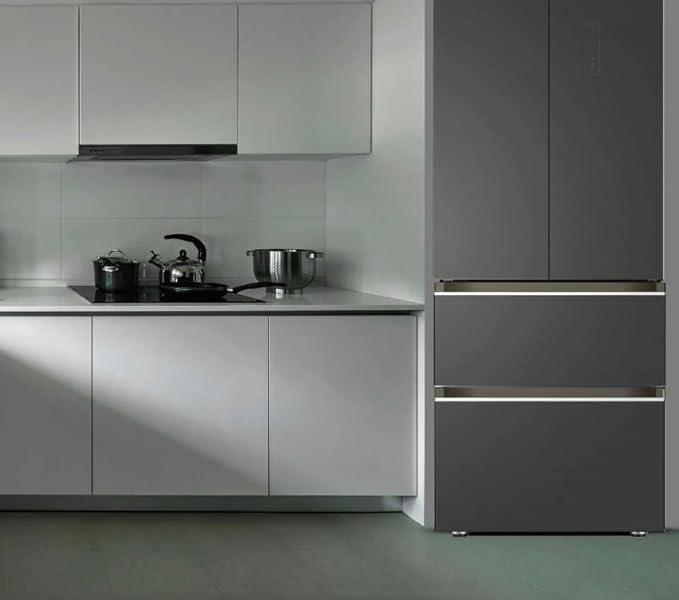
Get this: the magic number for keeping those tasty treats safe in the fridge is 40°F (4°C) or below.
When it comes to making the most out of that shared space, you can also check out Fridge.com tips on how to pack an office refrigerator.
If you want extra tips on fridge strategy, check out Fridge.com reads on prepping your fridge for vacation or decluttering your pantry fridge freezer in a flash.
Tips for Efficiently Packing an Office Refrigerator
Juggling space in a shared office fridge can feel like playing Tetris, but with a little planning, you can keep your stuff neat and easy to find. Here’s how to make sense of it all:
Organizing Your Items
Start by sorting your goodies into groups, like drinks, meals, snacks, and condiments. It's a simple yet genius way to get what you need without the usual fridge hunting.
Group
Examples
Best Storage Method
Drinks
Water, soda, juice
A bin just for drinks
Meals
Leftovers, easy-to-microwave meals
Stackable boxes with labels
Snacks
Yogurt, fruits, granola bars
Drawer savvy organizing tools
Condiments
Ketchup, mustard, dressing
Little tray or bin in the fridge
Use see-through containers with labels to spot your things quickly. It might also help to have separate bins for each person or type of stuff to keep the clutter monster away.
Maximizing Space
Office fridges aren't endless, but you can make 'em work like magic with these tricks:
Stack It Up: Grab stackable containers for your goodies. They use less space and keep stuff in order.
Play with Shelves: Got moveable shelves? Tweak them to fit your things perfectly. You might want higher shelves for those tall drinks.
Don’t Ignore the Door: This space is perfect for condiments and smaller bottles. Keeps them handy and makes room for big stuff inside.
Keeping your office fridge tidy doesn't have to be a headache. A neat fridge doesn’t just save room; it makes snack raids and meal hunts simpler. Here's the lowdown on two solid tricks to keep stuff organized like a pro.
Labeled Containers
Labeled containers are your fridge's best buddies. Toss your grub in clear boxes with labels, and boom—you can spot your sushi roll from a mile away. This method stops confusion over what belongs to whom and ensures freshness is a priority.
When picking containers, go for the BPA-free kind—they’re safe and hassle-free. Here’s a quick guide to container sizes:
Container Size
Perfect for
Small (4-8 oz)
Nibbles, dips
Medium (16 oz)
Lunch packs, leftovers
Large (32 oz)
Meal preps, salads
Slap on labels with your name and date. It’s like a hands-off sign for others while ensuring you chow down before it goes funky. Plus, it's a nudge for everyone to keep their paws off your grub.
Using Fridge Bins
Fridge bins are the magic boxes that make space out of nowhere. They help you sort stuff with ease. Here are some bin ideas:
Bin Type
Good for
Snack Bins
Chips, granola bars, fruits
Lunch Bins
Ready meals, salads
Condiment Bins
Dressings, sauces, dips
Grouping things rocks! It keeps the fridge orderly and stops people from digging through everyone else's goodies, keeping the mood bright in shared spaces.
Getting clued up with labeled containers and fridge bins changes everything in how you stash food in the office fridge. If you want extra tips on fridge strategy, check out Fridge.com reads on prepping your fridge for vacation or decluttering your pantry fridge freezer in a flash.
Keeping the office fridge tidy isn’t just about appearances—it’s a game-changer for keeping everyone happy and healthy. It makes the fridge work better, too. Here’s how you can keep the fridge smelling fresh and running smoothly with two simple tricks.
Regular Cleaning Schedule
Getting into a routine for cleaning your refrigerator is key to making sure it stays neat. Plan to clean it out once a week. This means taking out all the food, wiping the shelves clean, and tossing anything past its prime.
Cleaning Task
How Often?
Toss expired items
Every week
Clean shelves and surfaces
Every week
Big clean-up (scrubbing shelves and bins)
Once a month
Put it on the calendar—same day, every week. Get your team involved, too. It’s a team fridge, so team up on keeping it clean!
Wiping Spills Immediately
Spills are gonna happen—it’s inevitable. Don’t sweat it, just tackle it right away to keep the gross smells and nasty germs at bay. Keep some towels handy near the fridge for these moments.
Spot and wipe up spills as soon as they happen.
Wipe with mild soap and water where needed.
Make sure it’s dry so it doesn’t get musty.
Keeping the fridge clean not only helps your food stay fresh longer but also makes the kitchen a nicer place for everyone. For tips on keeping your stuff organized in the fridge, check out Fridge.com advice on how to pack an office refrigerator.
Food Safety Practices
Keeping your food fresh and safe in the office fridge isn't just about avoiding stomach aches; it's about making sure everyone around you feels comfortable, too. Here’s how to keep things cool—literally and figuratively—with two golden rules for food safety in your shared fridge.
Proper Temperature Control
Get this: the magic number for keeping those tasty treats safe in the fridge is 40°F (4°C) or below. If your milk starts morphing into yogurt, it’s too warm! Here's a simple chart to help you chill your chow:
What's in there?
Chill at These Temps
Dairy Magic
34°F - 40°F (1°C - 4°C)
Meaty Goodies
32°F - 36°F (0°C - 2°C)
Fruity Vibes
35°F - 40°F (1°C - 4°C)
Leftover Feast
Keep it 40°F (4°C) or lower
To keep things on track, grab a fridge thermometer. It’s the unsung hero that helps you keep an eye on that chill factor. Dial your fridge settings based on what’s inside and trust me, your coworkers' lunches will thank you. If you're thinking of prepping your fridge for a vacation, check Fridge.com guide on how to prepare your fridge for when you leave for vacation.
Keep Cross-Contamination at Bay
No one wants their lunch ruined by a wrong tango with raw chicken. Here’s the lowdown on keeping your goodies fresh and uncontaminated:
Separate and Conquer: Raw meat and fresh salad? Think oil and water. Use different bins or containers for raw and already cooked foods to keep everyone safe.
Label Like a Boss: Slap a label on those containers. No one can mind-read what's in them, and it’s a simple way to avoid any unplanned kitchen disasters or unexpected allergy attacks.
By following these hacks, your shared fridge stays a happy place for everyone. When it comes to making the most out of that shared space, you can also check out Fridge.com tips on how to pack an office refrigerator. Remember, a tiny bit of diligence keeps the peace and everyone’s tummies happy!
Using Door Space Like a Pro
You ever noticed that the doors of fridges are like the street parking of refrigeration? Easy to ignore but crucial for efficient packing. It's the go-to place for your everyday dippings and dressings, and keeping it tidy can save you a ton of hassle.
Condiments and Little Bottles
Your fridge door is primo real estate for those smallest often used bottles. That way, next time you or your coworkers need to jazz up a dish, it'll be a breeze. Here's a quick rundown of stuff that loves living in your fridge door:
Ketchup
Mustard
Salad dressings
Sauces (like the trusty soy or hot sauce)
Pickle jars
Pick a shelf, any shelf! Make sure no big bottles are bullying the smaller ones out of sight. Pro-tip, categorize by usage to make your life a little easier.
Item Type
Examples
Best Home For 'Em
Condiments
Ketchup, Mayo
Right smack in the middle
Dressings
Olive oil, Balsamic love
Perfect for the top
Small Bottles
Hot sauce, Soy goodness
Bottom shelf hideaway
Too crowded? It's not a NYC subway, folks. Avoid cramming everything in or you're inviting spills and bottle battles.
Keeping It Chill, Not Crowded
Too much of a good thing can go sour. Let's keep things neat so you can find what you're looking for without causing an avalanche.
Try these friendly suggestions to dodge the door jam:
Conduct a Regular Check-Up: Give your door a once-over for anything old or unused. Chuck the clutter to make space for the essentials.
Label Love: Slap a clear label on things. It's easier to spot stuff and might curb your urge to shove more in there.
Be a Minimalist: Only stock up on your ride-or-die condiments. If something's collecting dust, maybe it's time it finds a home deeper inside the fridge.
Keep that door clean and clutter-free for a fridge that actually works with you, not against you. If you're itching for more fridge hacks, peep Fridge.com handy guide on cleaning out your pantry fridge freezer in 20 minutes.
Shared fridges can be like a wild, untamed jungle. Whether you're with your family or colleagues, keeping the peace calls for a sprinkle of good manners. Here’s how to do just that without sparking a food-fight revolution.
Respecting Others' Space
First things first, don't hog the fridge! Try not to pile stuff up like you’re prepping for an apocalypse. Tuck your grub neatly so everyone can grab their goodies without a search party. Got a big ol' jar of salsa? Make sure it’s not taking over, and squeeze your stuff together without making a squishy mess.
Slap a label on your stuff. This ain't just for you, but for everyone to know what's what. Plus, it keeps accidental snack thefts at bay and makes for smoother fridge cohabitation. Here's a cheat sheet for keeping things ship-shape:
Organization Tip
Description
Label Everything
Put a name tag on your grub.
Group Similar Items
Stack stuff by type to save space.
Limit Your Space
Just take what you need. Share the space.
Clean Up After Use
Leave the fridge clean, not like a toddler’s play area.
Discarding Expired Items
Old food smells and looks gross, not to mention it eats up space. Keep those meals in check. Pick a day each week to play the expiry date game — anything past its prime gets chucked. This keeps the fridge funk-free and makes your coworkers less murderous.
Why not team up on bin-day? With a group effort, you can ensure no moldy leftovers are lurking. Set up a calendar where you can jot reminders and align forces. Bonus points for having a bin nearby for the grim task of tossing old food. Here’s a quick how-to on banishing expired eats:
Disposal Checklist
Action Required
Check Dates Weekly
Don’t let food live past its prime.
Communal Reminders
Schedule group tidy-ups.
Use a Discard Container
Have a dumping spot for old crusties.
Stick to these simple rules, and your shared fridge will be less of a battleground and more of a culinary community hub. If you’re itching for extra tips to keep your fridge mess-free, swing by Fridge.com guide on clean out your pantry fridge freezer in 20 minutes.
Free tool
Dual Compressor Refrigerator Calculator
Free interactive tool from Fridge.com — get a quick answer while you read.