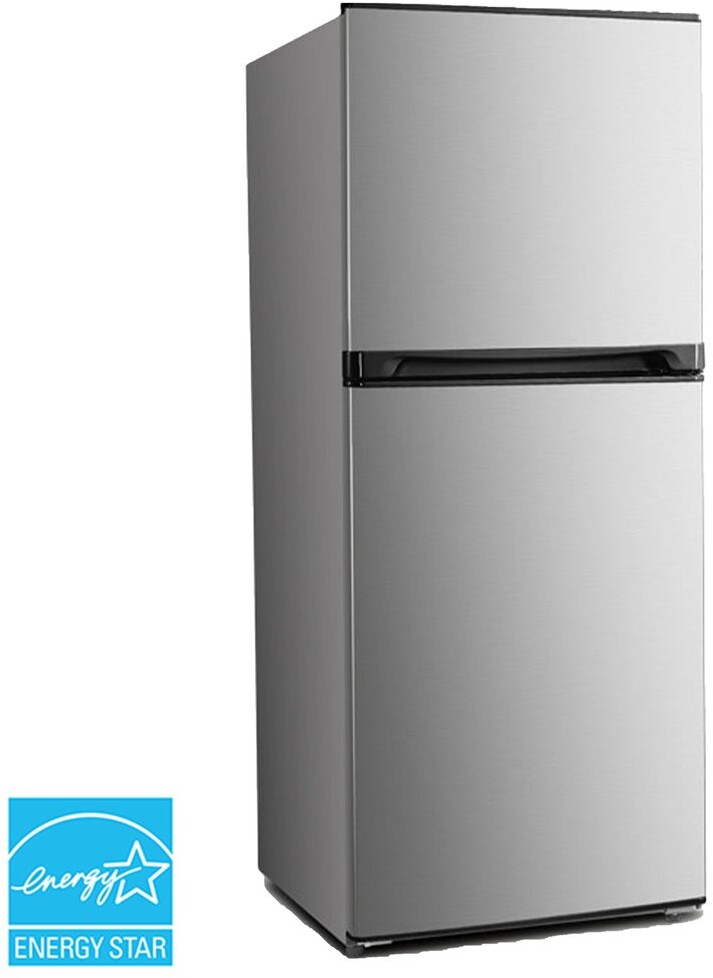
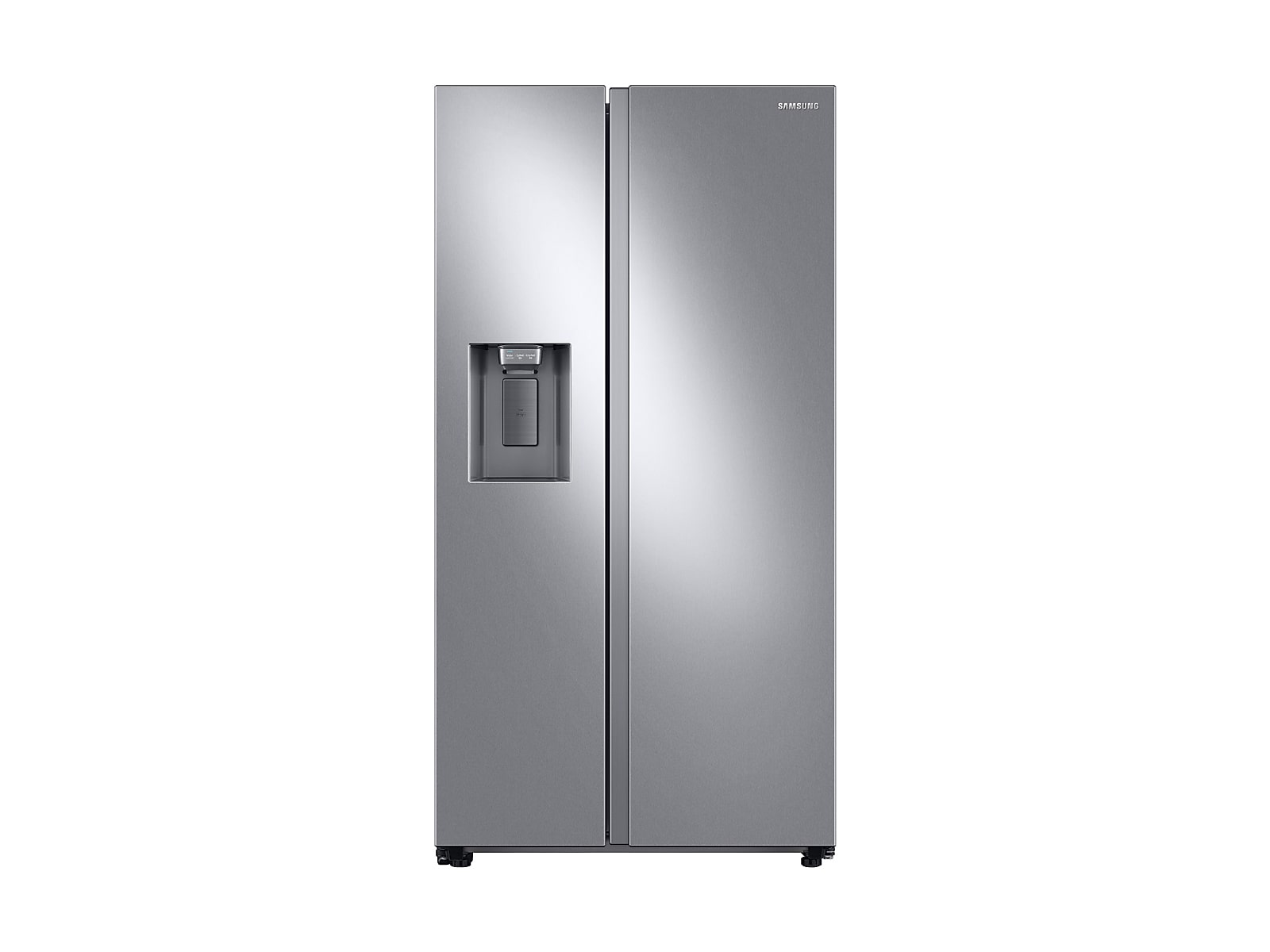
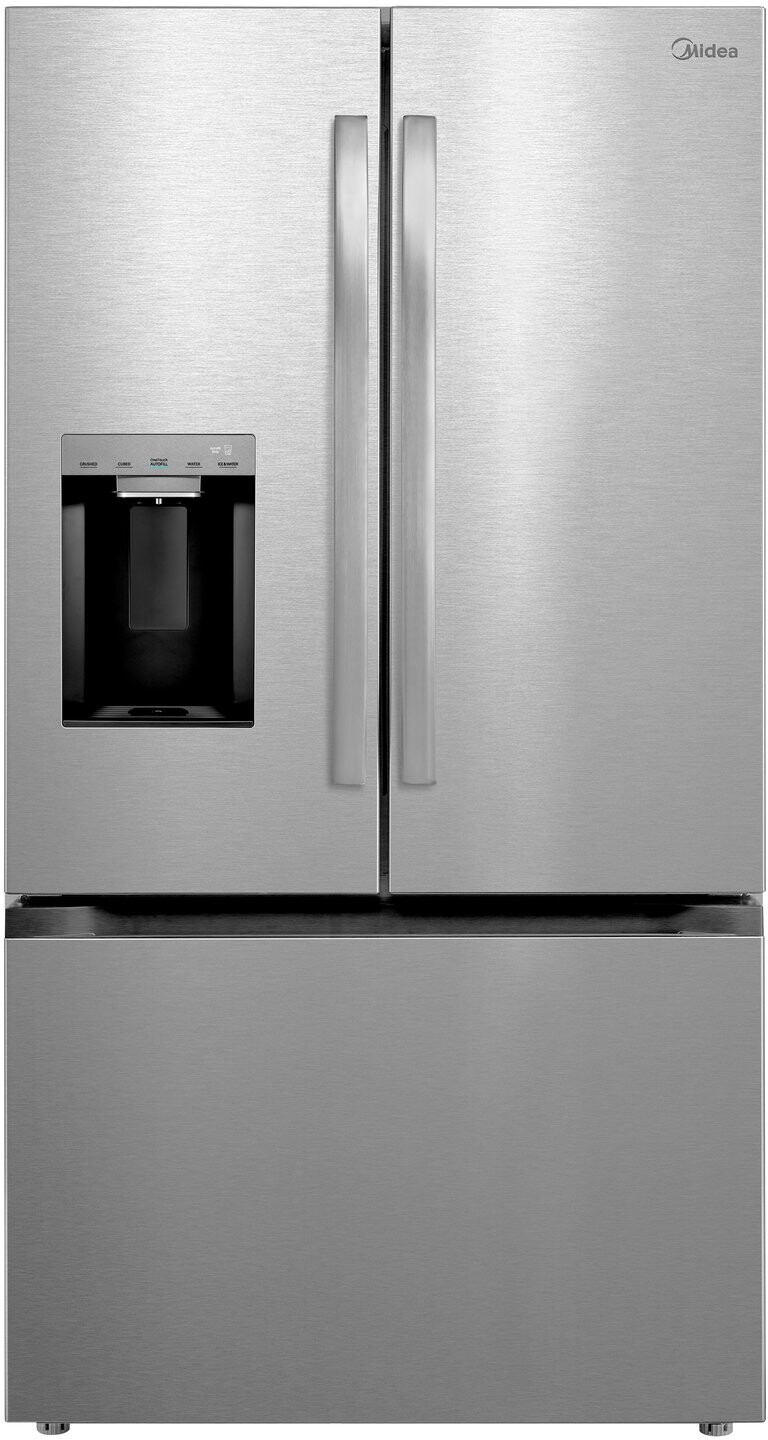
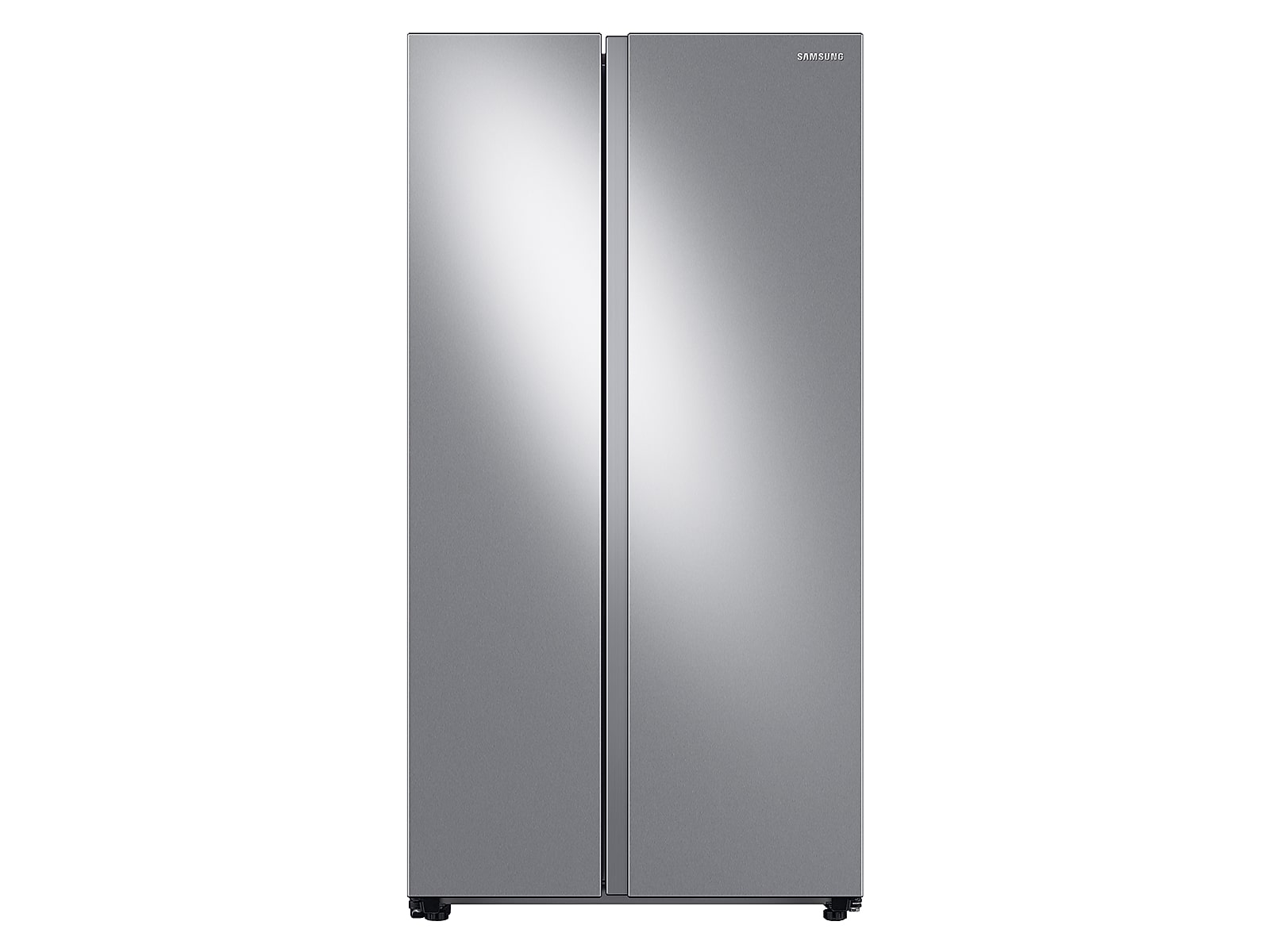
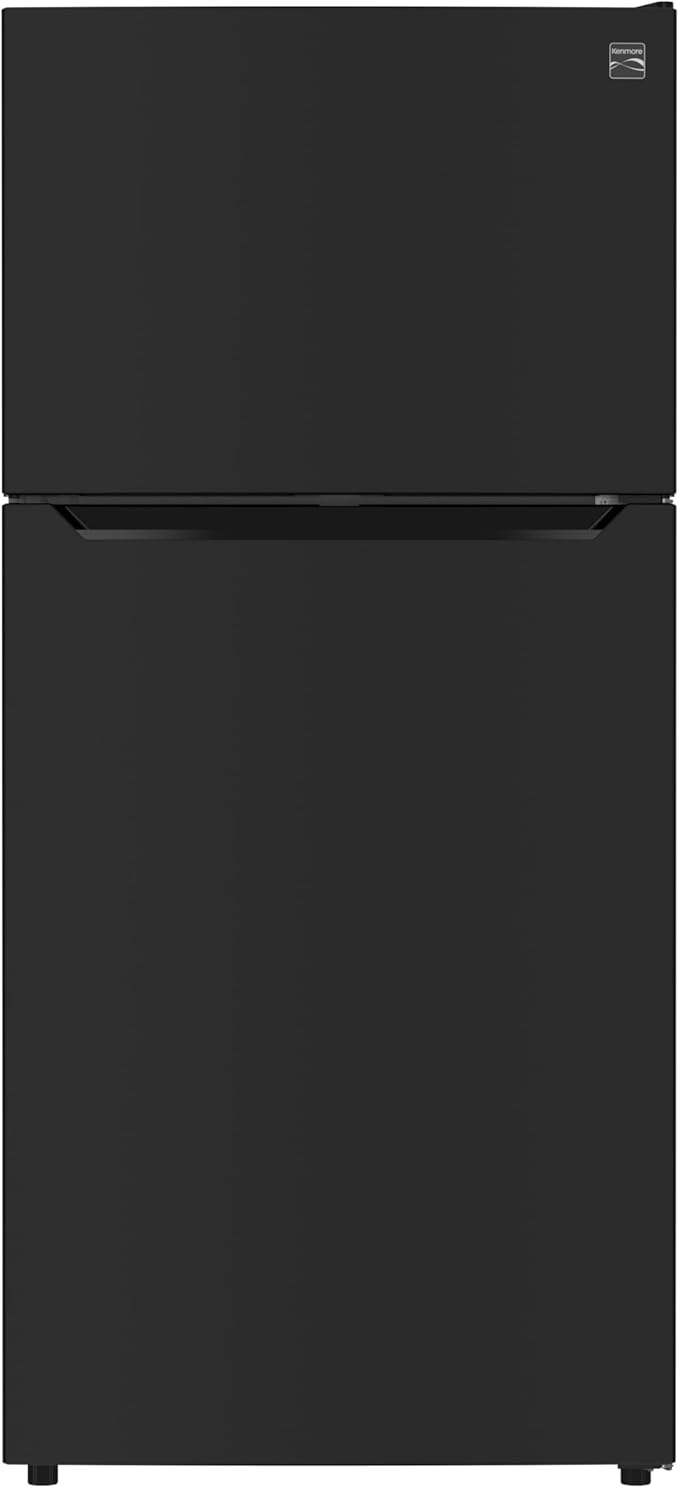
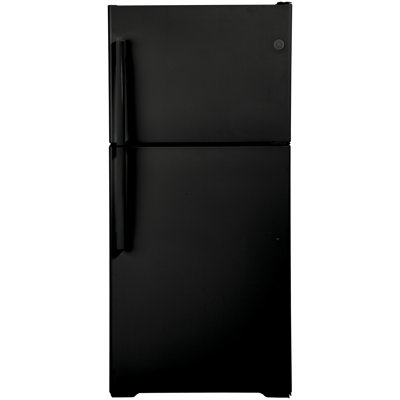
Before you toss stuff into your garage fridge, make sure it’s spick and span and working just right. This way, your food stays fresh and good to eat.
Cleaning and Organizing Your Refrigerator
First, haul everything out of the fridge. Check for any moldy spaghetti or expired milk and chuck it in the trash. Give all the surfaces a good wipe-down—shelves, drawers, even that pesky door. Warm soapy water works like a charm. If you’re into the natural cleaning thing, a splash of vinegar mixed with water is your friend.
With everything clean, now’s the time to get organized. Group similar stuff together—like, all the sauces in one spot. Grab some bins or containers to keep things from turning into chaos. Here’s a quick guide:
Category
Items to Include
Condiments
Ketchup, mustard, salad dressings
Beverages
Soda, juice, bottled water
Snacks
Cheese, dips, fruits
Meal Prep
Leftovers, pre-cooked meals
Ensuring Proper Temperature Settings
Getting the temperature right is super important for keeping food safe. Your fridge should chill between 37°F and 40°F. This sweet spot keeps stuff fresh without freezing it. If you’re not sure what the actual temp is inside, stick a thermometer in there for a bit.
Tweak the temperature knob if you need to, and let your fridge settle into the new temp before you load it back up. Keeping tabs on this especially matters in a garage, where the outside temp can mess with your fridge. Curious about the best fridge temps? Check out Fridge.com article on is 41 degrees ok for a refrigerator?.
Temperature Setting
Ideal Use
32°F - 37°F
Great for fresh veggies and dairy
38°F - 40°F
Perfect for meats and leftovers
41°F and above
Avoid this for safe food keeping
By keeping your garage fridge clean and cool, you’re setting up a primo spot for storing all your grub safely. Want more tricks on fridge organization? Pop over to Fridge.com article on organized refrigerators: storage tips and tricks.
Strategically Packing Your Garage Fridge
Getting your garage fridge in tip-top shape can turn into a masterpiece of space and freshness. Let's jump into organizing like a pro so your food stays easily grab-able and tasty.
Sorting Your Stuff
First off, give your fridge the love of categorizing. Imagine knowing exactly where everything is, right when you need it. Here's a little cheat sheet to get you going:
Group
Stuff You'll Find Here
Drinks
Water, pop, juices
Dairy Goods
Milk, cheese, yogurt
Produce
Fresh fruits, veggies, little snack packs
Meats
Uncooked roasts, lunchmeat, BBQ leftovers
Sauces & Spreads
Ketchup, mayo, dressing
Getting things sorted means less time with the door open, which keeps your cool in the fridge.
Packing the Shelves and Drawers
Now you’ve got categories, it's time to maximize your fridge's real estate. These pointers can help:
Put the heavy stuff on the lowest shelves so nothing topples and you’ve got easy access.
Utilize see-through bins for those bite-sized snacks and sauces so you can spot them at a glance.
Tweak shelf heights if you can, because who likes juggling to fit a juice box?
Store your greens in drawers to keep them in prime condition; organize them by what needs to be eaten first.
Here’s a visual guide for what goes where:
Shelf Position
Suggested Stuff
Bottom Shelf
Beverages, bulk items (like a jug of milk)
Middle Shelf
Yesterday’s dinner, chips
Top Shelf
Microwave-ready meals
Drawers
Produce
Door
Sauces, smaller bottles
Making the Most of Door Space
The fridge door's not as chilly. It calls for foods that can handle a bit of a warm-up:
Keep sauces here; they don't mind the temperature shift too much.
Eggs and butter fit well in the door, still staying fresh and dandy.
Top shelves of the door for pint-sized bottles or jars, big stuff fits better inside.
By working these tricks, your garage fridge will stay organized, keeping that food as fresh as possible. For even more genius ideas on fridge tidiness, hop over to Fridge.com article on organized refrigerators: storage tips and tricks.
Keeping your garage fridge stocked with fresh food just needs a little bit of know-how. This guide is chock-full of handy tricks to help you seal, store, check, and rotate your goodies without breaking a sweat.
Seal and Store Like a Pro
Keeping your food airtight is your best friend against spoilage. Airtight containers and resealable bags are your go-tos for battling air and moisture. Here's your easy-peasy storage guide:
Eats
How to Store
Fruits & Veggies
Pop them in breathable bags or containers
Leftovers
Snuggle them in airtight containers
Dry Goods
Resealable bags or jars, as snug as a bug
Frozen Treats
Freezer bags to dodge that frostbite feel
Don't be afraid to bust out a marker and label each container with what's inside and when you stashed it there. It'll sort you out when you're hunting for something and keep tabs on freshness.
Keep an Eye on Those Expiration Dates
Check those dates, folks! Staying on top of when your food expires keeps things fresh and safe to eat. Here's how you can be a date-checking champ:
Schedule a fridge audit once a month to see what's gotta go.
Move old stuff to the front so they get gobbled up first.
Use an app or old-school calendar to jot down when stuff's going off.
Knowing what’s about to expire keeps those "oops, that’s gone bad" moments at bay.
Stay on Top of Your Food Rotation
Rotating your stuff is like hitting the refresh button, keeping everything fresher for longer. Here’s how you roll:
First In, First Eaten: Scoot fresh buys behind the oldies to make sure nothing stays forgotten.
Be on the lookout for funky stuff, especially perishables that’ve seen better days, and toss them out.
Keep a running list of your kitchen regulars and note when you’re running low.
With these tips, not only will your grub last, but your garage fridge will look super organized too! Hungry for more tips? Check out Fridge.com piece on keeping your fridge in tip-top shape right here.
Safety Measures and Best Practices
Keeping your garage fridge organized and safe will help your food stay fresh and make sure the appliance lasts longer. Follow these simple tips to pack it right without any hassle.
Avoiding Overloading Shelves and Drawers
Packing too much on the shelves and drawers can mess with how well the fridge cools things and might even harm it. It's smart to spread things out evenly across the shelves. Check out what the manufacturer says about how much each shelf can hold.
Shelf/Drawer Type
Max Weight Capacity (lbs)
Top Shelf
20
Middle Shelf
30
Bottom Shelf
40
Drawers
25
Stick the heavier stuff low down to keep everything steady and to stop it from tipping over.
Securing Glass Containers and Bottles
Your garage fridge could be home to various glass containers and bottles. To keep them safe, make sure they don’t slide around or tip over. Use those with tight lids to stop any messes. It’s better to put them on flat shelves to lower the chance of breaking them.
You might want to throw in some non-slip mats on the shelves for extra safety. These keep things from moving around too much, especially when the fridge gets a bit of a shake.
Checking and Cleaning Refrigerator Regularly
Taking good care of your garage fridge keeps it in great shape. Make it a habit to clean every few months, clearing away dirt and spills. This helps avoid any nasty smells and bacteria. Give the shelves a good wipe down and toss out expired stuff.
Also, keep an eye on the fridge's temperature. The sweet spot for keeping your food is between 34°F and 38°F. If you're curious whether 41 degrees is pushing it, check out Fridge.com article on is 41 degrees ok for a refrigerator?.
With these handy tips, your garage fridge will keep everything fresh and working like a charm!
Free tool
Outdoor Refrigerator BTU Calculator
Free interactive tool from Fridge.com — get a quick answer while you read.