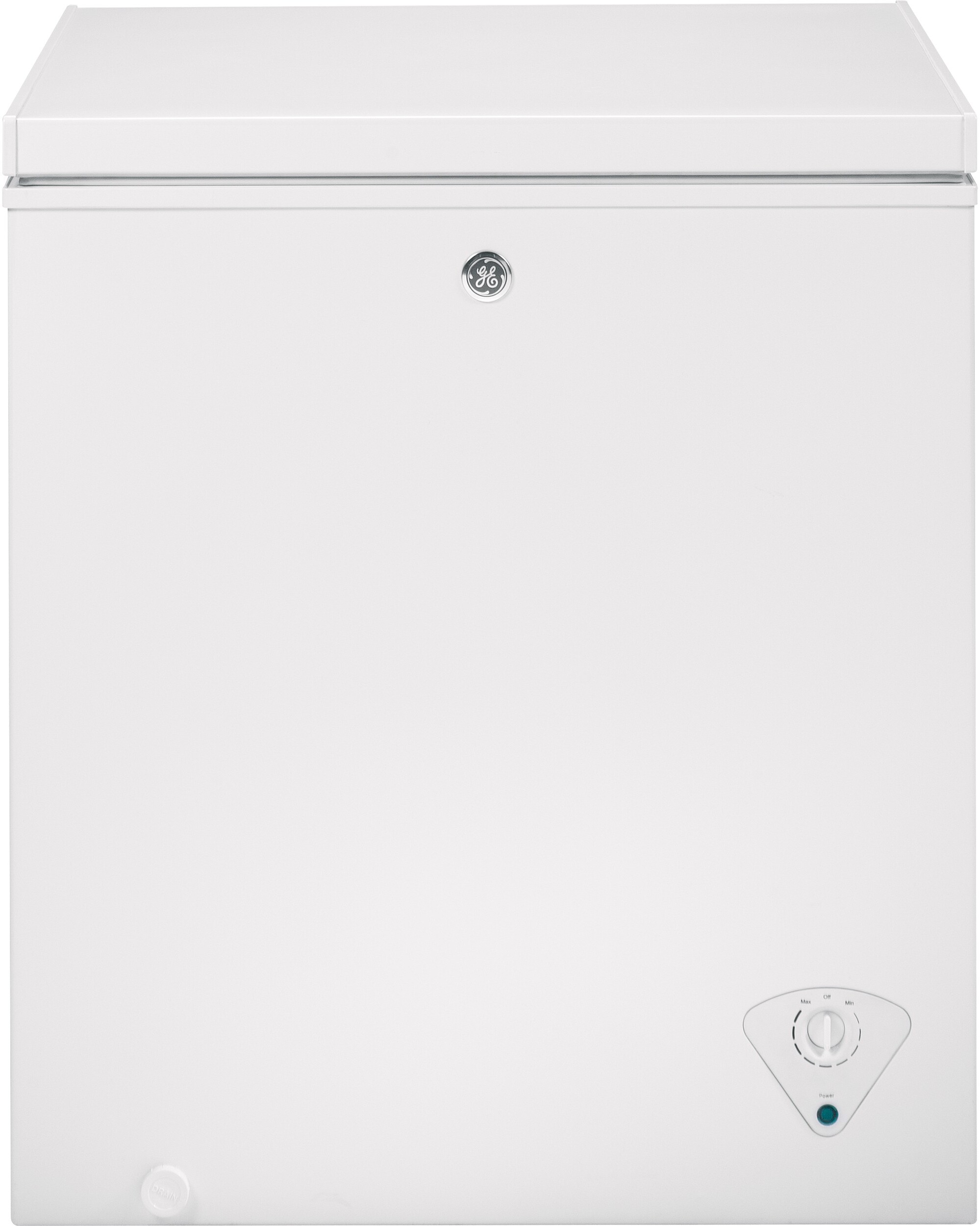
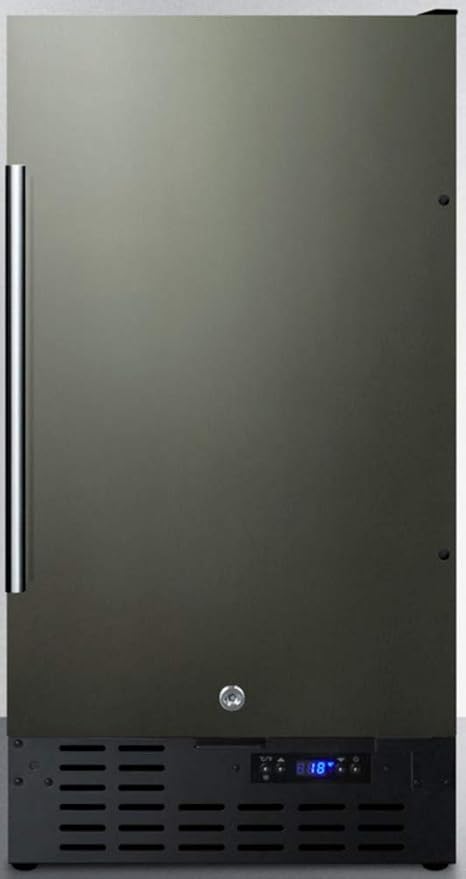
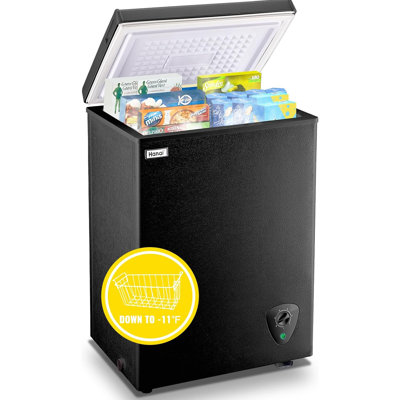
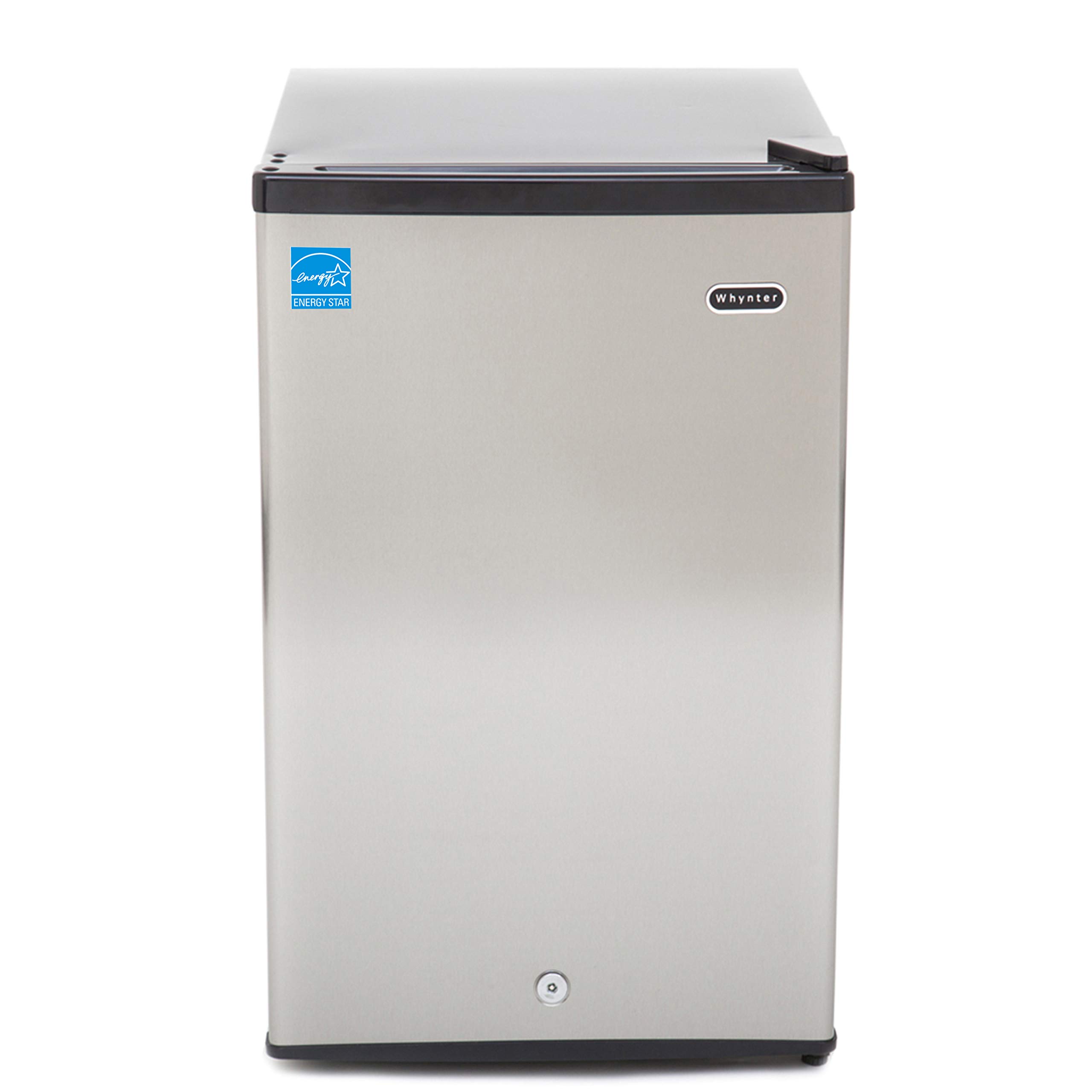
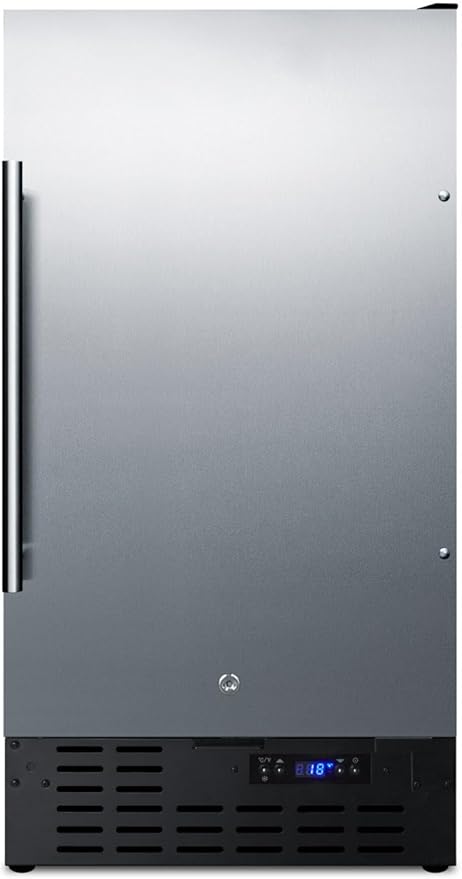
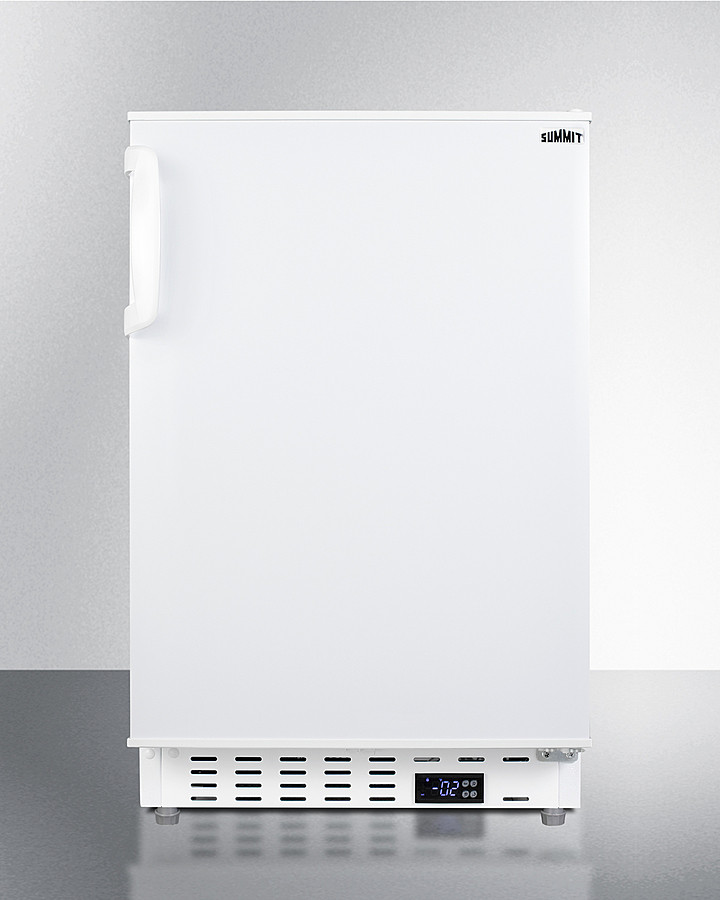
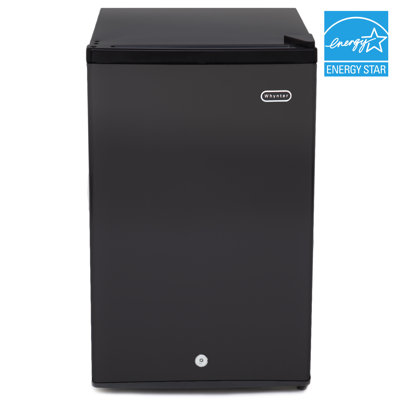
Using a freezerless fridge might seem tricky at first, but don’t sweat it! A bit of thought and the right game plan can make it the MVP of your kitchen. Need-based organization ensures you’re never caught without your must-haves.
Assessing Your Needs
Before loading up your fridge, it's smart to think about what you actually eat a lot of. What's on your daily menu? What snacks and drinks do you always reach for?
Here's a little help to figure out your needs:
Question
Considerations
What meals do you whip up on the regular?
Jot down the ingredients you can't do without.
Who are you cooking for?
Think about how much food you’ll need.
Fresh or pre-packaged products?
Your choice impacts your shopping game plan.
How's your grocery run schedule?
Your fridge’s size should vibe with how often you shop.
Knowing this lets packing and stocking become way smoother and effective.
Organizing Your Fridge Space
Now that you've got a handle on what you'll keep, it’s time to get things in order. An organized fridge is not just a pretty sight; it saves you time and keeps your food fresher.
Try these handy tips to get the most out of your fridge:
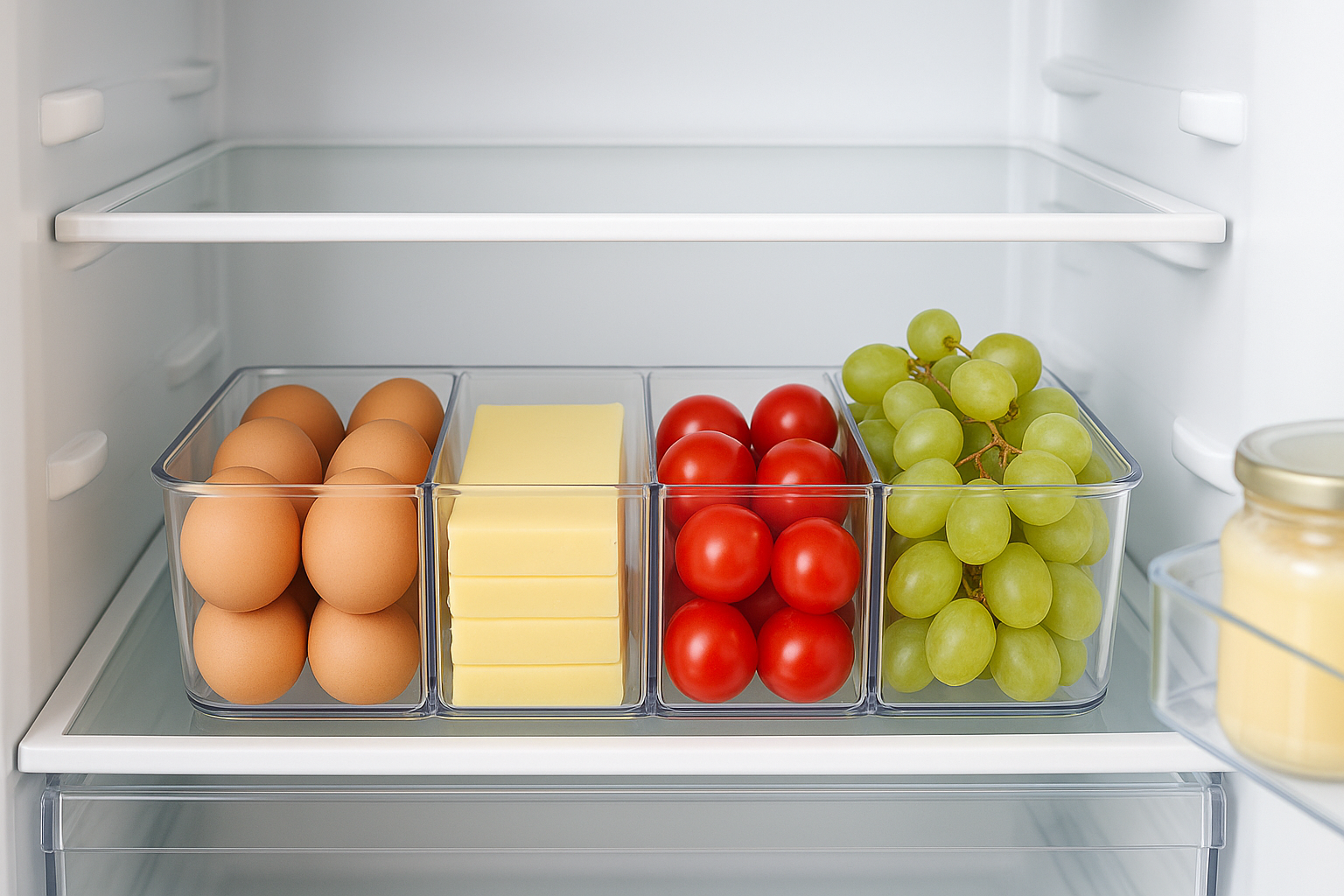
Use Clear Bins: Group similar stuff in see-through bins. You won’t have to dig around to find your favorite munchies.
Slap on Labels: Use labels to mark what's what. It’s a real time-saver.
Frequent Flyers at Eye Level: Put your go-to items where you can spot them at first glance. Less-used goodies can chill on the higher or lower shelves.
Shelf Life Awareness: Arrange food by expiration dates. New stuff should go behind the older ones to dodge spoilage.
Shelf Position
Suggested Items
Top Shelf
Easy-grab snacks and leftovers
Middle Shelf
Dairy delights and drinks
Bottom Shelf
Meats, fish, and bulk storage
Door Shelves
Sauces and juice bottles
An organized fridge not only keeps perishables like fruits and veggies fresher but also makes meal prep hassle-free. If you're itching for more tips on tidying up your fridge, swing by Fridge.com article on how to keep your refrigerator organized and mold free.
Mastering the art of packing a freezerless fridge can seriously up your food storage game. With a bit of thought, you'll have everything at your fingertips and fresher for longer. Let's figure out how to make each shelf in your fridge work its hardest.
Top Shelf: Quick-Access Items
The top shelf is your go-to for regular grabs. Load it up with snacks, morning must-haves, and small containers right in your sights. It's also suited for stuff that’s not fussy about the chill factor, like:
Item
Why It's Up Top
Granola bars
Always ready for the kiddos
Quick eats
Perfect for those hectic mornings
Jams and spreads
Excellent for toast or bagels
Middle Shelf: Dairy and Beverages
The middle shelf often has the most even temperature, ideal for dairy and drinks. Here's what belongs here:
Being the coldest spot, the bottom shelf is best for raw meats and fish. Keep them tightly wrapped to avoid any unfriendly mingling with other foods. Here's some advice for storage:
Item
Tips For Storing
Raw meat
Leak-proof container is key
Fish
Keep chilled with ice or cold packs
Ground meats
Use them within a couple days
Want to learn more about storing meat? Have a peek at our meat aging fridges article.
Door Shelves: Condiments and Drinks
The door's the warmest place, so it’s ideal for condiments, dressings, and super-common drinks. Here's what fits:
Item
Handy Hints
Sauces
Keep them upright
Pickles
Choose jars that open easily
Soft drinks
Group them together for convenience
A well-arranged fridge not only keeps things fresher but also gives you peace of mind. Dive into our pasta storage mastery article to find out how long your leftovers really last.
Each fridge section has its own job. Use these nifty packing tips to turn your freezerless fridge into one organized machine.
Let's talk about squeezing the most life outta your grub in that freezerless fridge of yours. Fridge.com will cover some handy tricks for storing those fruits and veggies, handling your leftovers like a pro, and nailing those temperature settings to keep everything chill.
Storing Fruits and Veggies the Right Way
Knowing where to chuck your produce makes all the difference. Here's a quick guide to keeping your greens and fruits happy:
Chuck those leftovers in airtight containers to keep 'em tasting good. Here's how long you can let different foods chill before they say goodbye:
Food Type
Safe Days in Fridge
Cooked meat
3 - 4 days
Cooked pasta
3 - 5 days
Soups and stews
3 - 4 days
Cooked grains
4 - 7 days
Salads (with dressing)
1 - 3 days
Curious about cooked pasta lifespan? Check out our pasta storage secrets. Make life easy by labeling each container with when you put it in the fridge, so none of your goodies overstays its welcome.
Getting Your Fridge at the Right Temp
Setting the right temp can save your food from spoilage. Ideal fridge settings sit at a cozy 32°F to 40°F (0°C to 4°C). Keeps the nasty bacteria away and your food lasting longer.
Here’s how you can keep the temp spot on:
Thermometer check: Regular peeks to keep tabs on the fridge's temp.
Don't overstock: Leave room for air to move around.
Rejig your stuff: When a spot in the fridge gets too warm.
For complete fridge temp tips, swing by Fridge.com guide on perfect fridge temperatures. Following these tidbits helps keep your food fresh and ready to munch when you, or your crew, get the munchies!
Tips for a Well-Packed Freezerless Fridge
A tidy fridge means no more playing hide-and-seek with your groceries. It keeps your food fresh and saves you money by reducing waste. Here’s how to make the most out of your space and keep your grub in tip-top shape.
Regularly Clean and Rotate Contents
First things first, get rid of the muck. Give your fridge a quick check once a week to toss expired or funky items. This habit not only banishes weird smells but makes room for fresh goodies. Rotating your stash lets you use older stuff first, cutting down on waste.
Cleaning Schedule
How Often
Blitz It Out
Monthly
Expiration Check
Weekly
Shuffle Your Stash
Every Grocery Run
Use Storage Containers and Labels
Storage containers in a fridge are like magic wands for organization. Clear boxes let you see everything without lifting a lid, and stacking 'em helps you get vertical – just like Tetris. Slap a label on there with what’s inside and when it's from. Then, bam! You’re always in the know.
Container Type
Perks
Clear Plastic Bins
Easy to see, easy to sort
Glass Jars
Pop in the microwave or dishwasher
Sealable Bags
Space savers and multipurpose
Managing Temperature Zones and Airflow
Crack the secret code of your fridge’s temperature vibes. Cooler spots, like the back, are perfect for milk and eggs, while the front’s for your sauces. Those doors? Drinks live there. Keep it breezy by not stuffing your fridge like an overpacked suitcase. That way, the chill goes where it needs to.
Fridge Zone
Best Dwellers
Back
Dairy delights
Middle
Ready-to-eat leftovers
Door
The condiment crew and beverages
Stick with these tips to navigate your freezerless fridge like a boss. Your groceries will stay fresh, handy, and ready for you to whip up whatever your heart desires. Cheers to sorting out your fridge and eating in style!
Free tool
Food Storage Calculator
Free interactive tool from Fridge.com — get a quick answer while you read.