Listen up! Knowing the right way to load up your bottom refrigerator freezer is a game-changer for anyone who's into keeping things ice-cold and fresh. Do it right, and you'll cram in as much as your little frosty cave can hold, while keeping it all at the chill it needs so nothing goes bad.
If your freezer's a mess, say goodbye to quick meal preps. No one wants to be hunting through a stack of mystery ice blocks when you're trying to whip up lunch, am I right? An organized freezer means you grab what you need, when you need it. No muss, no fuss, just quick meals at your fingertips.
Perks of a Tidy Freezer
Getting your bottom freezer in shape isn't just about making it look good. There's so much more:
Room to Spare: Pack smart and say hello to extra space for all those frozen goodies you love.
Less Wasted Food: When you know what's in there, you're less likely to let things go off. Keep your eye on the goods and cut down on chucking out forgotten items.
Smooth Meal Planning: With everything easy to spot and grab, planning meals is a breeze. Need some inspiration? Peek at Fridge.com piece about quick fridge meals for kids' lunch to see how organized ingredients can change your mealtime game.
Perks
Why They Matter
Room to Spare
More storage without the overcrowding hassle.
Less Wasted Food
Stay on top of your stock, less waste.
Easy Meal Planning
Simple access makes meal prep a snap.
So, take a little time to get your bottom refrigerator freezer squared away. Trust me, it's worth it for an organized space that's got you covered for whatever your family needs.
Giving your bottom refrigerator freezer a once-over can change up how you stash your groceries. If you get clever about the layout and put things in the right spots, everything will find its home snugly.
Understanding Your Freezer Layout
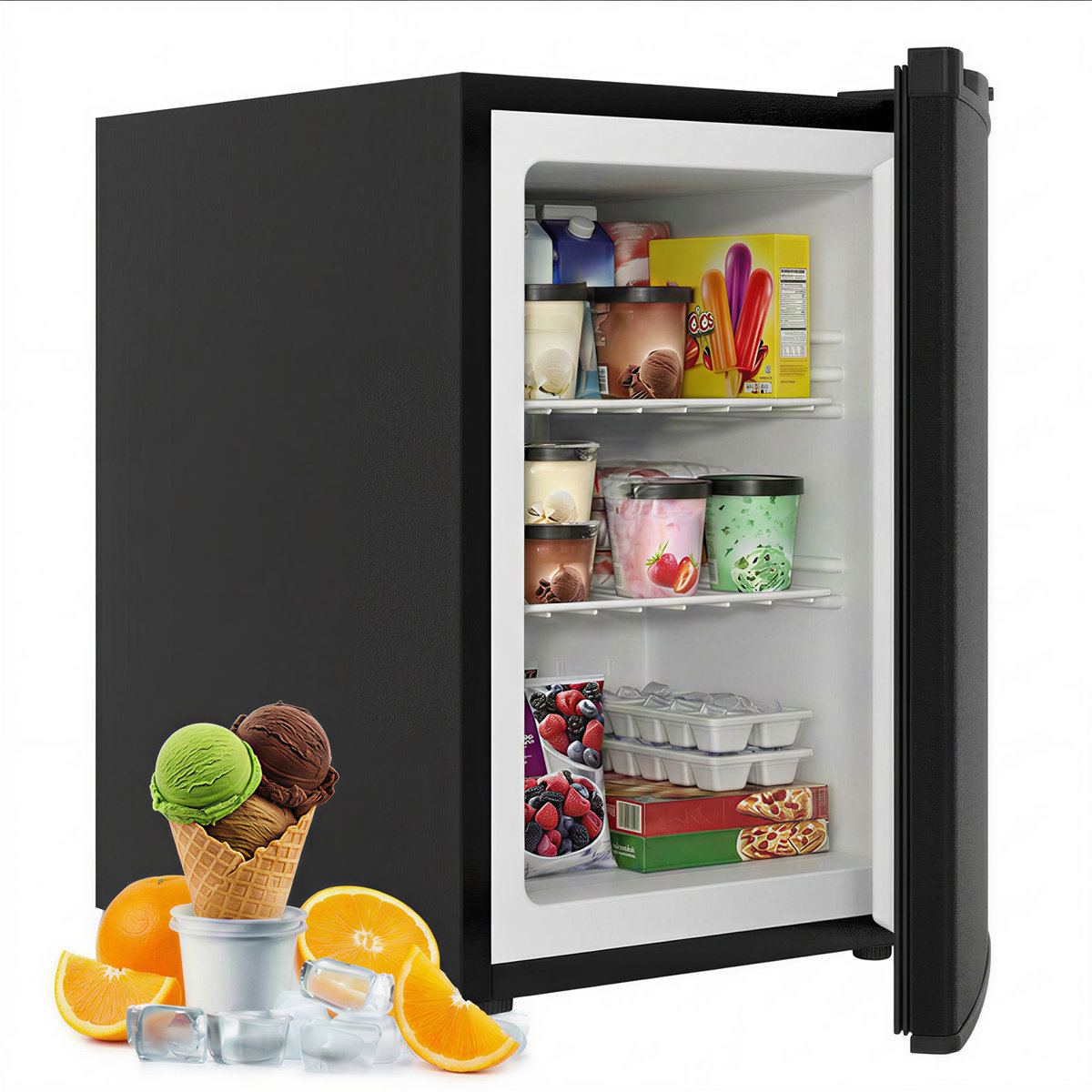
Most bottom freezers have a mishmash of shelves, drawers, and little cubbies. Getting the hang of their spots will help you make the most of your nooks and crannies. Usually, the setup includes:
Upper Shelves: Perfect for stuff you grab often, like TV dinners.
Drawers: Awesome for fruits, veggies, or bulkier stuff. They keep everything neat and easy to spot.
Door Space: Handy for smaller things like ice packs or quick snacks.
Section
Best Use
Upper Shelves
Frozen prepared meals
Drawers
Fruits, veggies, larger items
Door Space
Ice packs, snacks, small items
Maximizing Storage Capacity
To really stretch your freezer space, try these handy tricks:
Use Vertical Space: Stack your items or grab stackable bins to carve out more room.
Label Everything: A good label makes finding stuff a breeze. You can use whatever you have, whether it's a slick label maker or plain old masking tape.
Consider Portion Sizes: Bag or box up food in single-serving sizes. Besides space-saving benefits, it helps curb waste too.
Vacuum-Seal Items: When possible, vacuum-sealing can shave down the size of food and beat freezer burn.
With these pointers, you'll pack your freezer to the brim without losing track of what's where. Every once in a while, take a peek and shuffle things around, especially after you've stocked up on new groceries. Craving more pointers on food storage?
So, you have a bottom freezer, and you're tired of playing food Jenga every time you need to grab something. Don't worry, you're not alone. Here’s how you can pack it like a pro and actually find what you need when you need it.
Grouping Your Goodies
Here's the deal: sorting similar items is a lifesaver. Think about it like a grocery store in your freezer. Group up your goodies, so veggies hang out with other veggies, and meats chill with meats. Here's an easy chart to keep it neat:
Family
Examples
Veggies
Broccoli, carrots, peas
Meats
Chicken, beef, seafood
Fruits
Berries, bananas, mangoes
Ready to Eat
Soups, casseroles, leftovers
Snacks
Ice cream, pizzas, smoothies
This way, you can see what you’ve got left before the door's even closed. Nobody likes guessing games when it comes to dinner, right?
Bin There, Done That
Alright, let’s talk bins—those plastic heroes of organization. Use clear, stackable ones to keep items where they belong and make the most of your cold kingdom. Choosing sizes is like matchmaking for your freezer:
Bin Type
What It’s Good For
Little Bins
Great for single snacks or those tiny meals
Medium Bins
Awesome for veggies or fruit groups
Big Bins
For your bulk buys or larger stuff
Labels
Slap 'em on for easy ID-ing your freezer stash
With everything in bins, you won't end up with mystery meat at the back of your freezer. Plus, when you're hunting for dinner in the rush, you’ll thank me. Need more ideas to keep things from becoming a cold chaos? Check out Fridge.com article on shop outdoor freezers: discounts.
Start getting your freezer in order, and you’ll find it’s not just a time-saver—it makes cooking a whole lot less stressful. Happy freezing and organizing!
You've got a bottom refrigerator freezer? Great choice! Here's how to make that frosty friend your kitchen superhero, ensuring your food stays fresh, tasty, and free from nasty surprises. Let's dive into the art of keeping raw meats safe from spoils and staving off that dreaded freezer burn.
Properly Storing Raw Meats
Keeping raw meats in check not only helps dodge those uninvited stomach bugs but also keeps your freezer space neat and friendly. To keep your meats fresh and your family safe, follow these easy peasy steps:
Wrap it Right: No one likes a leaky package! Wrap your raw meats snugly using airtight materials. If you can, try vacuum-sealing. If not, use plastic wrap and follow up with a layer of aluminum foil. Goodbye, drippy mess!
Tag and Date: Got a mountain of meat? Label everything with the meat type and when you froze it. No more mystery meat!
Sort by Species: Kind of like a library, but juicier. Keep chicken, beef, and pork in their own zones. This keeps flavors intact and makes it easier to grab what you need.
Meat Type
Safe in Freezer For
Chicken
Up to 9 months
Beef
4 to 12 months
Pork
4 to 6 months
Fish
3 to 6 months
Preventing Freezer Burn
Freezer burn's a thief! Robbing taste and texture, nobody wants that. Keep those icy fiends at bay with these tricks:
Kick the Air Out: Air’s a party-crasher you don’t want. Make packaging shine by squeezing out every bit of air. Use bags crafted for freezing; they know how to minimize air better than a shrink!
Space Saver, Not Stuffer: Like cars in a parking lot―too much and nothing moves. Let your items have their space to allow for circulation and avoid chilling inefficiencies.
Pack It Full, But Wisely: Counterintuitive as it may seem, an occupied freezer keeps temps steady. Got extra room? Fill up with ice packs or water containers―they become chilly champs.
Keep it tidy and scan your freezer often for anything that’s been waiting too long. Thinking of shaking up your storage game? Check Fridge.com article on how to pack a bottom refrigerator freezer.
Keeping Your Freezer Tidy
Staying on top of your freezer arrangement is crucial for easy food storage and quick finds. A neat freezer can be a game-changer, especially for those jam-packed weeks when life throws a curveball. Here’s a breakdown of keeping your freezer functional and hassle-free.
Routine Tidying Up
A little elbow grease now and then goes a long way in staying organized. Here’s a handy list to guide your clean-ups:
Plan Regular Purges: Clear out the freezer every couple of months. It’s about knowing what you’ve got stashed and what needs to be cooked up soon.
Check Use-by Dates: While sorting, look for anything that’s past its prime. Either eat it soon or toss it to avoid throwing money in the trash.
Surface Wipe-Downs: Get those interior walls nice and clean to nix any gross spills and odors. A bit of warm water with baking soda works wonders here.
Task
When to Do It
Empty Out Freezer
Every 2-3 months
Scan Expiry Dates
Every clean-up
Scrub Surfaces
Once a month
Smart Item Rotation
Keeping food fresh depends on proper item turnover in your freezer. Less waste means more savings. Here’s the lowdown on how to do it:
"First In, First Out" (FIFO): Put the old goodies at the front. When you’re searching for dinner, you’ll naturally grab these first.
Be Label Smart: Slap on a label with a date on all stored items. Easy to spot what needs eating. Add in how long it’s good for or when you should use it.
Freezer Zones: Dedicate sections for meats, veggies, and leftover treats. Knowing what’s where makes finding things a snap.
Keeping your freezer under control might take a bit of elbow grease but sorting and label-love pays off, making your chilly storage stress-free. For more useful dodges on freezer shuffling, swing by Fridge.com article on how to pack a bottom refrigerator freezer.
Keeping your bottom refrigerator freezer tidy isn’t just about aesthetics—it saves you precious minutes and spares food from becoming yet another freezer-burnt mystery. Slap on easy-to-read labels and learn some quick grab hacks, and your family dinners never looked more chilled out—literally!
Labeling and Identifying Items
You’ve got a bunch of stuff in the freezer but no clue what's in there? Get yourself sorted with easy labeling. Skip playing "food detective" and know exactly what's what and when it’s time to chow down. Get your labeling game going with these ideas:
Waterproof Stickers: Perfect for dealing with all that icy, wet drama in there.
Date Markers: Jot down the freezing date, so you know before your food goes prehistoric.
Specific Names: Don’t just label it “chicken”; make it clear as day—think "spicy chicken wings."
Organize your labels like a champ:
Food Category
What to Write
Frozen Since
Meat
Spicy Chicken Wings
10/01/2023
Veggies
Sautéed Green Beans
05/01/2023
Ready Meals
Grandma's Beef Stew
08/01/2023
Sweet Treats
Grandma's Cookies
20/12/2022
Smack these labels on and breeze through finding your next meal.
Easy Retrieval and Restocking Techniques
Cut your dinner prep time by mastering how you stash and grab stuff. These tips will turn your frantic freezer dives into smooth sailing:
Oldies to the Front: Shove the oldest goodies up front using the “First In, First Out” method.
Bin It Up: Bins aren’t just for toys! Sort your foods into bins by category—veggies, snacks, meats—so you can yank a whole batch all at once.
Set Up Zones: Give each side of the freezer a job—put fruits here, veggies there, and you'll know where to reach.
These tricks will have you giving your freezer a high-five for being so well-behaved. Combine these pro moves with Fridge.com handy guide on packing that fridge, and you’ll never lose stuff to the icy abyss again!
Free tool
Food Storage Calculator
Free interactive tool from Fridge.com — get a quick answer while you read.