How To Identify Spoiled Corn On The Cob In The Fridge
Assessing Corn on the Cob
Importance of Checking for Spoilage
Checking corn on the cob might seem like a small task, but it's a big deal for taste and safety. Eating spoiled corn? Yeah, that's a one-way ticket to tummy trouble, and let’s be honest, yucky corn is a vibe killer for your meal. Knowing how to spot the bad ones keeps your family safe and your taste buds happy. Plus, a little vigilance means less waste and more of that sweet, juicy corn goodness.
Visual Inspection
Start by using your eyes—it's the first line of defense in your corn on the cob quality patrol. Here’s what to scope out:
| What to Check | What’s Healthy & What’s Not |
|---|---|
| Husk Looks | Got bright green and snug husks? You’re golden. Brown or dried-out husks? Toss ‘em. |
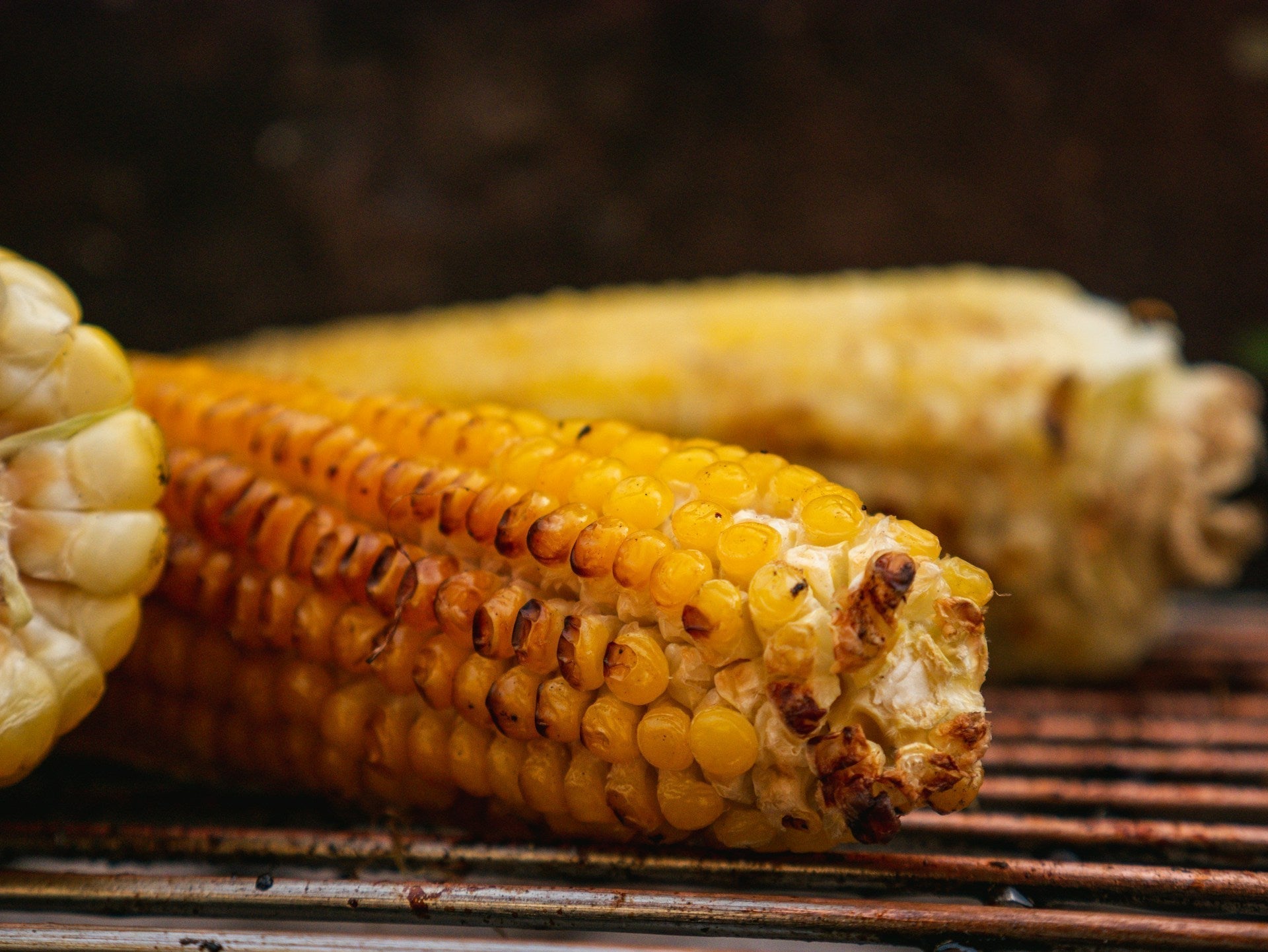
| Kernels | You want plump, yellow, or golden kernels that are moist and juicy. If they’re shriveled and dark, they’re out. |
| Silk Issues | Fresh silk should be light yellow and a bit moist. If it’s brown and crispy, it’s seen better days. |
| Spots or Mold | Any spots or mold on the husk or kernels are like flashing neon signs—don't eat me. |
With a good eyeball inspection, you’ll know whether to chow down or chuck it out. Got a stinky freezer? Peep our guide on how to keep your deep freezer odor free for some sweet-smelling secrets.
Signs of Spoiled Corn
Knowing if corn on the cob has turned bad goes a long way towards keeping your meals safe and tasty. Here’s how to spot the signs of corn that's past its prime.
Mold or Discoloration
Peek at your corn and check for any unwelcome mold or discoloration. Good corn shows off its bright, sunny kernels and lively green husks. If you see dark spots, fuzzy growths, or if it just looks a little drab, it's past its best.
| Condition | What to Look For |
|---|---|
| Fresh Corn | Sunny, yellow kernels |
| Spoiled Corn | Dark spots or fuzzies |
Foul Odor
Your nose knows! A bad smell is a big clue your corn's not right. Fresh corn should smell slightly sweet. If it gives off a sour, rotten, or just yucky smell, it's time for it to go. Trust your nose—it’s great at sniffing out bad stuff.
Texture Changes
Give your corn a feel. Fresh corn is firm and juicy. If the kernels are mushy, dry, or just plain funky, that's no bueno. Plus, the husk should feel crisp and green; if it’s limp or brown, then the corn isn't fresh anymore.
If your corn shows any of these signs of spoilage, it might be time to check out our article on how to identify spoiled corn on the cob in the fridge for more advice on how to handle and dump spoilt corn safely.
Handling Spoiled Corn
Nobody wants to deal with a spoiled ear of corn, but when you find yourself in this unfortunate situation, it’s wise to get rid of it the right way to keep your kitchen fresh and safe.
Proper Disposal Methods
You wouldn't want those pesky health risks sneaking around your kitchen. Here's how you can safely dispose of the corn culprit:
| Disposal Method | How-To |
|---|---|
| Trash | First things first—seal that spoiled corn in a plastic bag and chuck it in the garbage. Keep your kitchen stink-free and critter-less. |
| Composting | If it’s just a tad funky (but sans moldy fuzz or rancid smell), toss it onto your compost heap and let nature take over. |
| Municipal Green Waste | Lucky enough to have a community green bin? Check if corn castoffs are accepted—toss ‘em in if you get the thumbs-up. |
Leaving corn rotten and exposed in your kitchen or garbage will inevitably draw in unwanted visitors.
Preventing Cross-Contamination
Keep your space clean and safe by keeping the nastiness contained. Here are some practical kitchen hacks:
- Wash Your Hands: Give your hands a thorough scrub with soap and water after dealing with the spoiled stuff.
- Use Separate Tools: Have a knife or cutting board devoted solely to funky produce? Smart move. Make sure they get a nice scrub in hot, soapy water afterwards.
- Sanitize Surfaces: Any counters that had the misfortune of meeting the corn should be wiped down with a good disinfectant before they invite those creepy crawlers.
- Keep It Sealed: Your edible goodies deserve to stay neat and unspoiled too. Hide them from the bad corn in your fridge, in their own safe space.
Follow these steps, and your kitchen will be as safe as a Fort Knox of food safety! And hey, if avoiding spoilage is more your speed, swing by our proper storage techniques page for some handy tips.
Avoiding Spoilage
Proper Storage Techniques
Keeping your corn on the cob fresh ain't rocket science, but you've gotta do it right. Here’s how you can keep that corn yummy and ready for when you want it:
| Storage Method | Description |
|---|---|
| Refrigerator | Throw your corn in the fridge’s crisper. A little breathable plastic bag works wonders to keep it happy. |
| Unshucked Corn | Keep the husk on until you’re about to cook it. It's like nature's way of keeping the corn fresh. |
| Shucked Corn | Got naked corn? Wrap it up tight or toss it in an airtight container to seal in the good stuff. |
Tips for Prolonging Freshness
A few tricks up your sleeve can make your corn last longer and taste better:
- Buy the Good Stuff: Look for ears that are firm, plump, and a nice green. You want the silk to look moist and brownish—like it’s still got life in it.
- Skip the Excess Moisture: Water is not your corn’s friend—make sure it’s as dry as a bone when you stash it in the fridge.
- Eat Soon-ish: Corn is best when you eat it sooner rather than later. Try to munch down those ears in a day or two.
- Cook and Freeze: Can’t eat it all? No worries—cook it, freeze it, and it’ll last for months. Need more freezer tips? Swing by our article on freezing cheesecake bites for sweet snacks.
With these tricks, you’ll keep that corn fresh and tasty without breaking a sweat. Stay on top of your storage game, and you’ll always have that sweet corn goodness on hand, ready to roll!
Reviving Corn
So, you've stumbled upon a few cobs of corn in the fridge, and they look like they've seen better days. No need to fret—your corn’s not doomed just yet! Here's how you can bring that corn back to life.
Saving Corn That’s Seen Better Days
Before you start saying goodbye, try these tricks. If the corn isn’t too far gone, a little TLC might save it. Tons of it might look sketchy, but if the kernels are still firm and not mushy, you’ve got a fighting chance.
- Snip Away the Nasties: Grab a knife and slice away any funk—discolored kernels or dodgy bits.
- Give It a Dip: Dunk the corn in cold water for a bit. It might just perk up!
Cooking Tricks to Hide the Funk
Even after you’ve played corn doctor, there could be a whiff of meh left. But don’t worry, the right cooking method can transform funky to funky-fresh.
| Cooking Method | Description | Why It Works |
|---|---|---|
| Boiling or Steaming | Pop it in boiling water or steam for 5-10 minutes. | Rehydrates and plumps it up, improving the texture. |
| Grilling | Let it hit the grill for 10-15 minutes, flipping now and then. | The smoky taste works wonders at masking any off flavors. |
| Sautéing | Shave the kernels off and sauté with butter & spices for 5-7 minutes. | Loads on flavor whilse morphing any not-so-yummy notes into tasty ones. |
Feel like getting a bit creative in the kitchen? Whip that corn into a chowder or toss it in a salad. If sussing out other sneaky pantry tricks is your jam, head on over to our piece on refrigerator meal recipe ideas.
So, let’s not send that corn packing just yet—turn it into a superstar of your next dish!
Enjoying Fresh Corn
Keeping those corn cobs tasting their best means picking and storing them just right. Here’s how to make sure your corn is as fresh as a summer breeze.
Best Practices for Selecting Corn
When you're out at the market hunting for some good corn, here's what you should keep an eye out for:
| Characteristics | What to Look For |
|---|---|
| Husk | Needs to be fresh, green, and snuggly wrapped around the cob |
| Silk | Golden and a bit sticky; that means it's ripe enough to rock your taste buds |
| Kernels | Should be full, not too hard, and all lined up without missing pieces |
| Color | Expect the husk to be a lively green and the kernels to shine in yellow or white, depending on the type |
If it looks like it's been through the wringer—dried out or spotty—walk on by. Want more grocery-shopping goodies? Peek at our other bits about fridge-friendly meal ideas.
Optimizing Corn Storage in the Fridge
To keep that corn fresh and tasty in your fridge, stick with these simple storage tricks:
- Husk On and Happy: Let the husk stay put; it acts like a mini greenhouse to guard the taste.
- Plastic Bag It's Home: Throw it in a perforated plastic bag to let it breathe while keeping it cozy.
- Let It Hang In the Crisper Drawer: The crisper's a bit more humid, just the way corn likes it.
- Eat It Soonish: Try munching it down within the first few days for peak sweetness and crunch.
These easy-peasy tips will keep your corn crisp and delicious. In case your corn starts to throw a tantrum in the fridge before you get to it, need a save? Check out how to spot funky corn in the fridge.
So, pick wisely and store right, and you’ll be the hero of fresh corn dishes at your family gatherings. Enjoy that sweet, juicy reward!