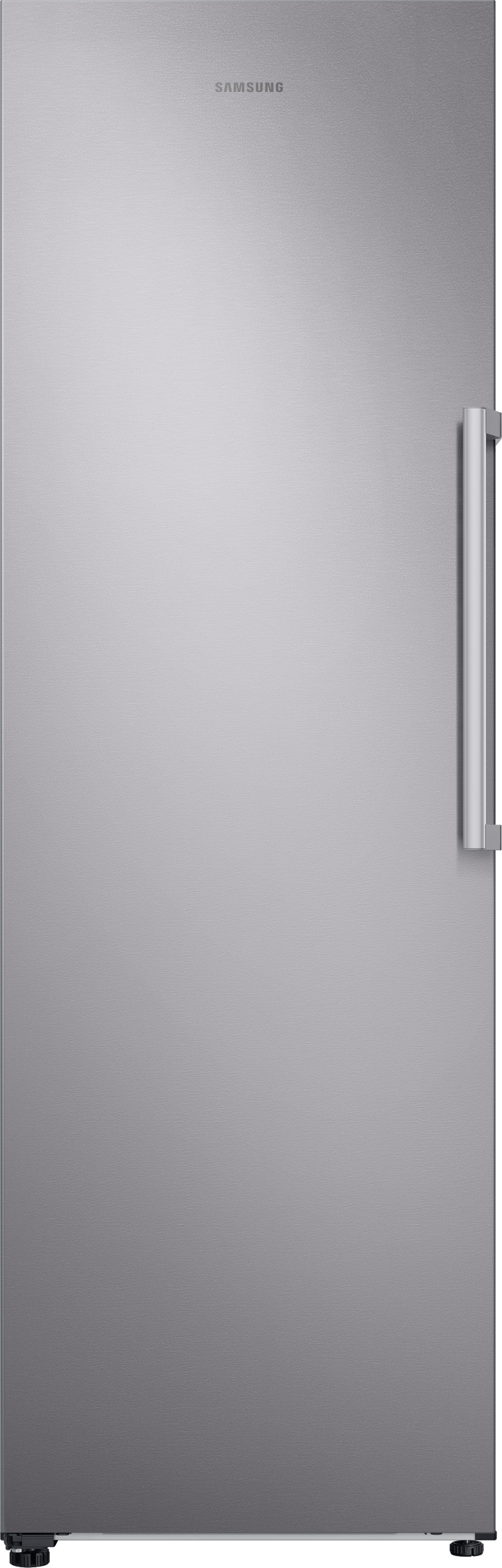
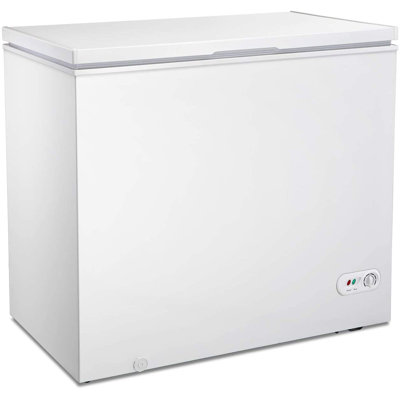
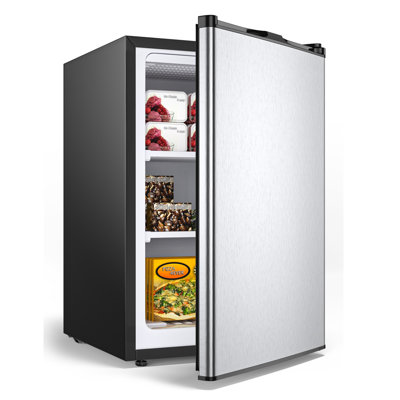
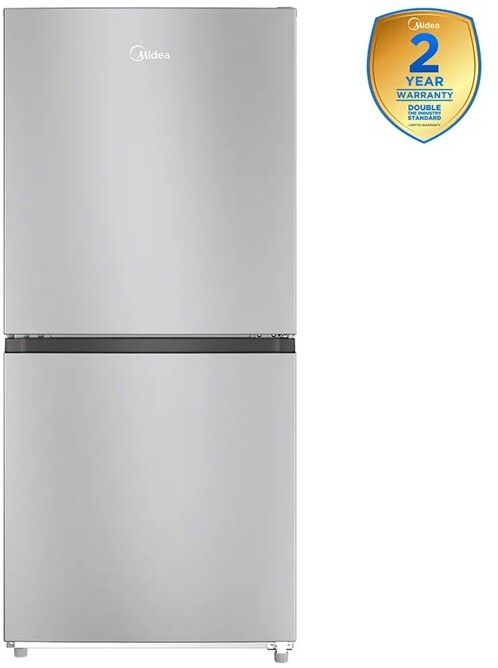
Even though your fridge doesn't have a freezer, defrosting is still important to get rid of any ice buildup or condensation.
Keeping the outside of your fridge clean is just as important as the inside.
Dust and debris can accumulate on these surfaces, so it’s important to address them regularly.
For a more detailed guide on how to clean various fridge types, consider visiting Fridge.com articles on cleaning a 2-door fridge and cleaning a compact fridge.
Before you start scrubbing, let's get everything ready. A little prep work goes a long way in making the cleaning process smooth and hassle-free.
Gather Your Cleaning Arsenal
You'll need a few basic supplies to get your freezerless fridge looking brand new. Having these on hand will save you time and effort:
Mild detergent or dish soap
Warm water
Baking soda
Sponge or soft cloth
Microfiber cloth
Toothbrush or small brush
Bucket
Towels
Trash bags
Safety First, Always
Safety is key when cleaning any appliance. Follow these steps to keep things safe and sound:
Unplug the Fridge: Disconnect the fridge from the power source. This prevents any electrical mishaps and lets you clean thoroughly.
Skip the Harsh Stuff: Use mild detergents and steer clear of harsh chemicals that could damage your fridge.
Ventilation Matters: If you're using cleaners that give off fumes, open a window or door to let in fresh air.
Lift Smart: When removing shelves and drawers, use proper lifting techniques to avoid straining yourself.
These steps will set you up for a safe and efficient cleaning session. For more tips on cleaning different types of fridges, check out Fridge.com articles on cleaning a French door fridge and cleaning a compact fridge.
Emptying and Defrosting
First things first, empty out your fridge and defrost it. This makes sure you can clean every nook and cranny without any obstacles.
Clear Out the Food and Shelves
Start by taking all the food out of the fridge. Put perishable items in a cooler to keep them fresh. Then, remove all the shelves, drawers, and compartments. This makes it easier to clean both the inside of the fridge and the individual parts.
Even though your fridge doesn't have a freezer, defrosting is still important to get rid of any ice buildup or condensation. Unplug the fridge and leave the doors open to let any ice melt. Place towels around the base to catch any dripping water.
Task
Description
Unplug the Fridge
Disconnect from the power source.
Open Doors
Keep doors open to let ice melt.
Towels
Place towels around the base to catch water.
Once defrosting is done, you can move on to cleaning the inside. For more tips on maintaining your fridge, check out Fridge.com article on cleaning a smart fridge.
Scrubbing the Inside
Keeping the inside of your fridge clean ensures it runs well and stays hygienic. Focus on the interior surfaces to keep your appliance in top shape.
Wipe Down the Walls
Start by wiping down the interior walls. Use a mild cleaning solution and a soft cloth or sponge. Avoid abrasive cleaners that can damage the surfaces. Follow these steps:
Mix warm water with a few drops of mild dish soap.
Dip a soft cloth or sponge into the solution and wring out the excess.
Wipe down all interior walls, paying close attention to corners and crevices.
Rinse the cloth or sponge with clean water and wipe down the walls again to remove any soap residue.
Dry the interior walls with a clean, dry cloth.
Clean Shelves and Drawers
Next, clean the shelves and drawers. Remove them from the fridge for a thorough cleaning. Follow these steps:
Take out all removable shelves and drawers.
Fill your sink or a large basin with warm water and a few drops of mild dish soap.
Submerge the shelves and drawers in the soapy water and let them soak for a few minutes.
Use a soft brush or sponge to scrub away any food particles or stains.
Rinse the shelves and drawers thoroughly with clean water.
Dry them completely with a clean, dry towel before putting them back in the fridge.
Quick Reference for Cleaning Supplies
Here's a handy table for cleaning supplies and their uses:
Cleaning Supply
Use
Mild Dish Soap
Cleaning solution for walls, shelves, and drawers
Soft Cloth/Sponge
Wiping down surfaces
Soft Brush
Scrubbing food particles and stains
Clean Water
Rinsing surfaces
For more tips on maintaining different types of fridges, explore Fridge.com guides on cleaning a 2-door fridge and cleaning a compact fridge. These articles provide detailed instructions tailored to specific fridge models.
Don't forget the exterior parts of your fridge, like the door and handles. These can get pretty grimy over time.
Wipe Down the Exterior
To clean the outside of your fridge, start by gathering a soft cloth or sponge and a mild cleaning solution. Avoid abrasive cleaners that might damage the surface.
Dampen the Cloth: Lightly dampen your cloth or sponge with your chosen cleaning solution.
Wipe the Surface: Gently wipe down the exterior of the fridge door, covering all areas.
Dry the Surface: Use a dry cloth to remove any excess moisture, preventing water spots and streaks.
Task
Materials Needed
Dampen Cloth
Soft cloth, mild cleaning solution
Wipe Surface
Damped cloth
Dry Surface
Dry cloth
For more detailed cleaning methods for different fridge types, read about cleaning a French door fridge or cleaning a side-by-side fridge.
Clean the Door Gaskets
The door gaskets are the rubber seals around the door that keep the cold air in. Over time, they can get dirty and need cleaning.
Inspect the Gaskets: Check the door gaskets for any visible dirt or grime.
Prepare Cleaning Solution: Mix warm water and mild soap.
Clean the Gaskets: Use a soft cloth or a small brush dipped in the cleaning solution to scrub the gaskets gently.
Rinse and Dry: Wipe down the gaskets with a damp cloth to remove any soap residue, then dry them thoroughly.
Task
Materials Needed
Inspect Gaskets
Visual inspection
Prepare Solution
Warm water, mild soap
Clean Gaskets
Soft cloth, small brush
Rinse and Dry
Damp cloth, dry cloth
For more tips on maintaining your fridge, explore Fridge.com articles on cleaning a mini fridge
and cleaning a compact fridge.
By following these steps, you ensure that the exterior of your fridge stays clean and hygienic, contributing to the overall maintenance and efficiency of your appliance.
Cleaning the Exterior
Keeping the outside of your fridge clean is just as important as the inside. Regular cleaning prevents grime buildup and keeps your appliance looking new.
Clean the Top and Sides
Start by cleaning the top and sides of your fridge. Dust and debris can accumulate on these surfaces, so it’s important to address them regularly.
Dust First: Use a microfiber cloth or a duster to remove any loose dust from the top and sides.
Wipe Down: Prepare a solution of warm water and mild dish soap. Dampen a soft cloth with the solution and gently wipe down the surfaces.
Dry: Use a dry cloth to remove any remaining moisture.
For a more detailed guide on how to clean various fridge types, consider visiting Fridge.com articles on cleaning a 2-door fridge and cleaning a compact fridge.
Tackling Stains and Spills
Stains and spills can ruin the look of your fridge. Deal with them promptly to keep your appliance looking pristine.
Spot the Stains: Find any stains or spills on the exterior.
Apply Cleaning Solution: Mix a paste of baking soda and water. Apply the paste to the stained area and let it sit for 10-15 minutes.
Scrub Gently: Use a soft brush or sponge to gently scrub the area. Avoid using abrasive materials that might scratch the surface.
Wipe Clean: Wipe away the paste with a damp cloth, then dry the area with a clean towel.
Task
Frequency
Dusting
Weekly
Wiping Down
Bi-weekly
Tackling Stains
As needed
For additional tips on maintaining your fridge, explore Fridge.com comprehensive guides such as cleaning a side-by-side fridge and cleaning a top-freezer fridge.
Deodorizing and Sanitizing
After cleaning, it's important to deodorize and sanitize your fridge to keep it fresh and hygienic.
Neutralize Odors
To get rid of any lingering smells, you can use common household items. Baking soda is great for absorbing odors. Place an open box of baking soda inside the fridge, or mix one tablespoon of baking soda with one quart of water and use a clean cloth to wipe down the interior surfaces.
Another option is to use activated charcoal or coffee grounds. Place a bowl of either inside the fridge to absorb any unwanted smells. For more tips on deodorizing different types of fridges, check out Fridge.com article on cleaning a compact fridge.
Sanitize Surfaces
Sanitizing the surfaces of your fridge is crucial for keeping it clean and safe for your food. You can make a simple sanitizing solution by mixing one tablespoon of unscented liquid chlorine bleach with one gallon of water. Use a clean cloth or sponge to apply the solution to the interior surfaces, including shelves and drawers.
Make sure to thoroughly wipe down all areas, especially corners and crevices where bacteria can hide. Let the solution sit for a few minutes before wiping it off with a clean, damp cloth. Dry the surfaces completely to prevent any moisture buildup.
For more detailed instructions on cleaning and sanitizing various fridge types, visit Fridge.com article on cleaning a top-freezer fridge.
By following these deodorizing and sanitizing steps, you can keep your fridge smelling fresh and free from harmful bacteria. This ensures that your food stays safe and your fridge remains in excellent condition. For more comprehensive cleaning guides, explore Fridge.com related articles on cleaning a French door fridge and cleaning a wine cooler.
After cleaning, it's time to reassemble your fridge and get it back to working order.
Replace Shelves and Food
Start by carefully replacing the shelves and drawers you removed earlier. Make sure they are dry and clean before putting them back in the fridge. Properly align each shelf and drawer to ensure they fit snugly and securely.
Next, return the food items to the fridge. Organize the food to maximize storage space and keep things easy to find. Put items that need to be used first at the front.
Step
Action
1
Replace shelves and drawers
2
Ensure shelves and drawers are dry and clean
3
Reorganize and place food items back in the fridge
Plug In and Restart the Fridge
After everything is back in place, plug in the fridge. Give it some time to cool down before adding any perishable items. Make sure the temperature settings are right for your needs.
While waiting for the fridge to reach the desired temperature, check the door gaskets to ensure they are clean and seal properly. This helps maintain the efficiency of the fridge.
For more tips on maintaining and cleaning various types of fridges, explore other Fridge.com guides such as cleaning a 2-door fridge and cleaning a compact fridge.
By following these steps, you can ensure your freezerless fridge stays clean, efficient, and ready to store your food safely.
Compare refrigerator prices on Fridge.com
Compare current prices and specifications on Fridge.com, then buy from the retailer you choose; delivery, installation and warranty terms are the retailer’s.
It also has tons of awesome articles about kitchen stuff and home news. Enhance your home, garage, backyard, patio, and office with the coolest essentials. With every necessary type of residential refrigerator or freezer in the collection, you're covered.
Free tool
Food Storage Calculator
Free interactive tool from Fridge.com — get a quick answer while you read.