How Much Space Should You Leave Around Your Refrigerator?

Importance of Proper Refrigerator Spacing

Why Adequate Space Around Your Refrigerator Matters

Alright, here’s the deal: getting your fridge to chill? It’s more than just plugging it in and stuffing it with goodies. You gotta give it some elbow room. Think of it like this: the more space you give it to breathe, the better it works. Not enough air swooshing around means your fridge might get too warm inside, and that’s bad news for your milk and leftover pizza. Look at this handy chart for some breathing room details:

Side Space Needed (inches)
Back 2 - 4
Sides 1 - 2
Top 1 - 2

Giving it these wiggle room measurements also helps the behind-the-scenes magic happen—those compressors and coils need room to do their job, which helps save on the power bill and keeps your fridge humming happily.

Potential Issues of Inadequate Spacing

Skipping this space thing can cook up a bunch of headaches you don’t want. Check out these problems from squishing it into a corner:

  1. Overheating: Without that space, the fridge's engine—er, compressor gets hotter than a summer day in Texas and could conk out early.

  2. Inefficiency: If it’s not cooling right 'cause it’s cramped, get ready for a spike in energy use and an even bigger spike when you see your electric bill.

  3. Ice Buildup: Jam it too close to the wall and say hello to ice mountains inside, messing with how it cools (or doesn’t cool).

  4. Noise Levels: Yep, stuck fridges start whining with more noise than a toddler denied candy.

  5. Damage: Extra tight quarters? Might end up with an appliance that looks like it’s been through a rough tussle—with scrapes and dents testifying to the tight squeeze.

Realizing why letting your refrigerator breathe can keep it running smooth is a fridge-friendly move. Curious for more on setting up? Maybe snoop around articles like smart refrigerators: are they worth it or what fits in a garage refrigerator? for more food storage must-knows.

General Guidelines for Space Allocation

You can't just cram that fridge into any ol' space and expect it to chill like a champ. Nope, it needs some breathing room. So, let's chat about getting that space around your fridge just right to make sure it runs smooth and cool as a cucumber.

The Ideal Amount of Space Around Your Fridge

You wanna aim for a little gap—1 to 2 inches all around is the sweet spot. This space stops your fridge from feeling claustrophobic and keeps it working right. Check out this handy guide below for the lowdown on different types of fridges:

Refrigerator Type Room Up Top Space on the Sides Space Behind
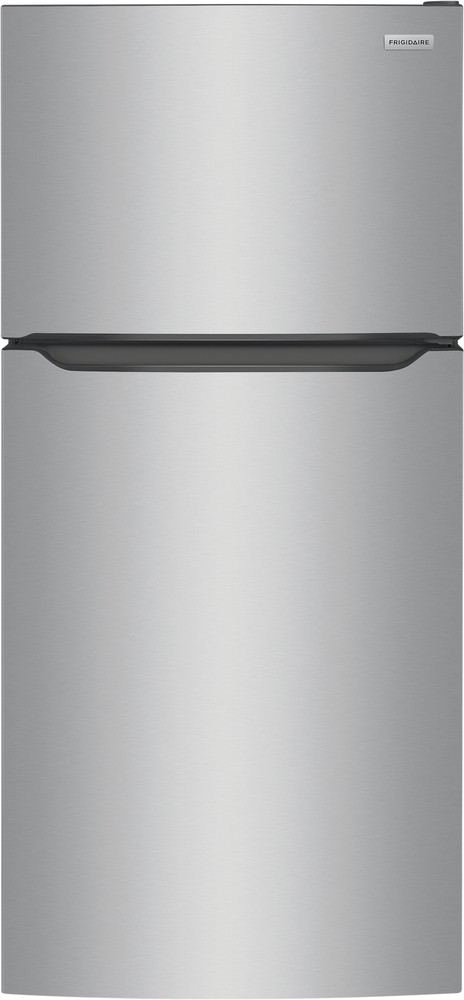
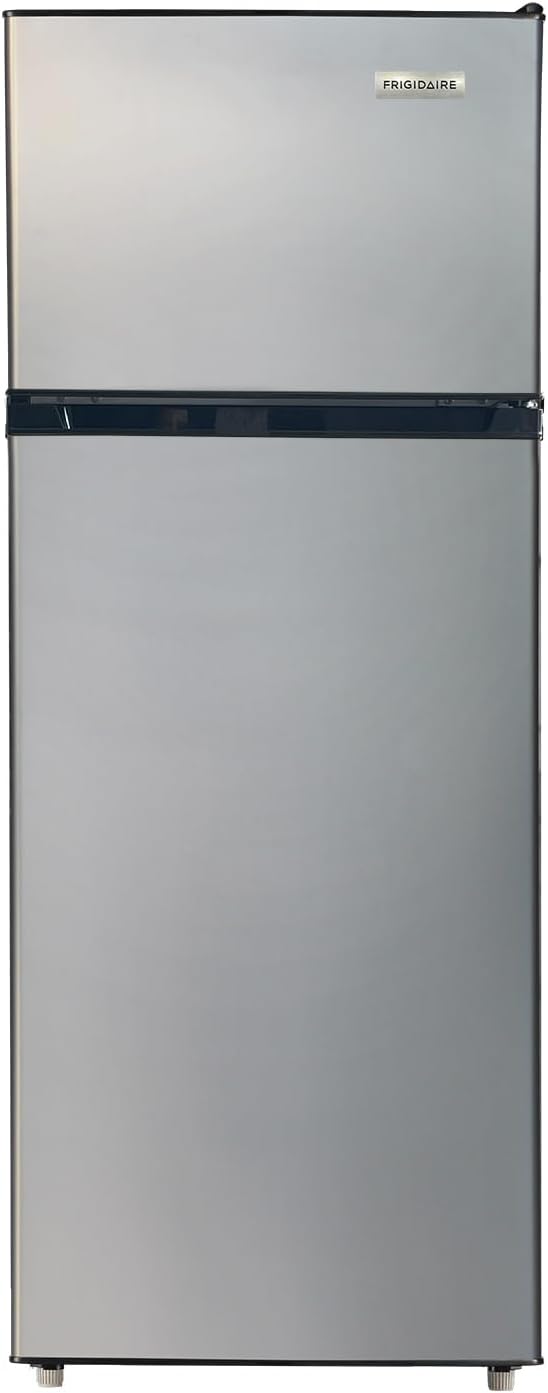
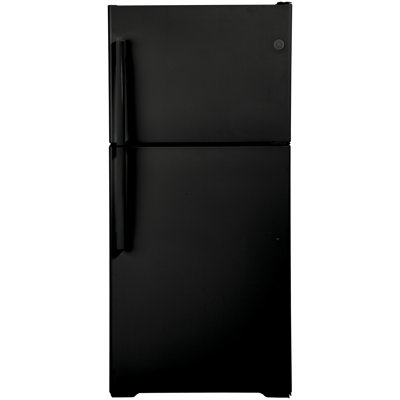
Standard Refrigerator 1 - 2 inches 1 - 2 inches 2 - 3 inches
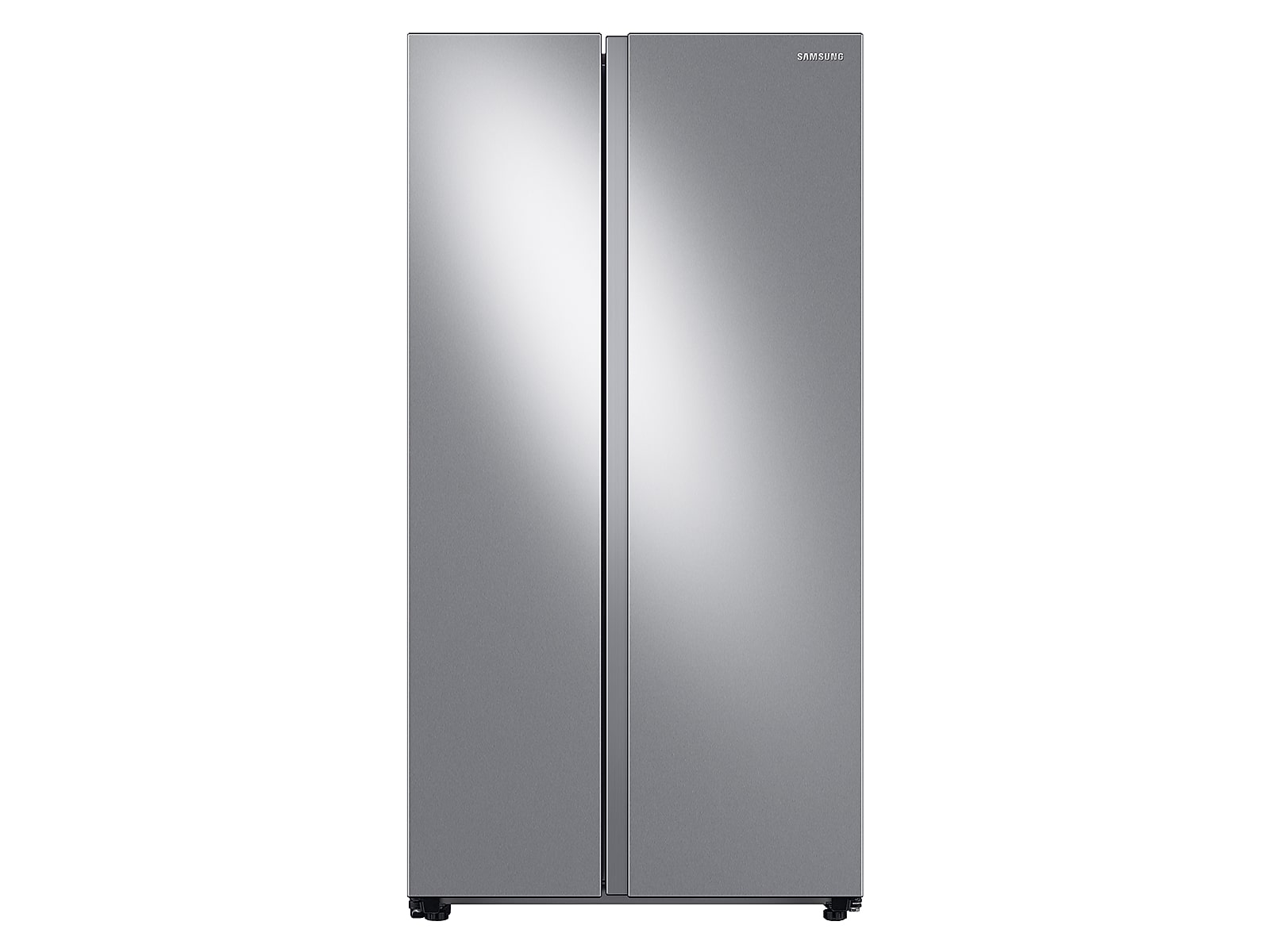
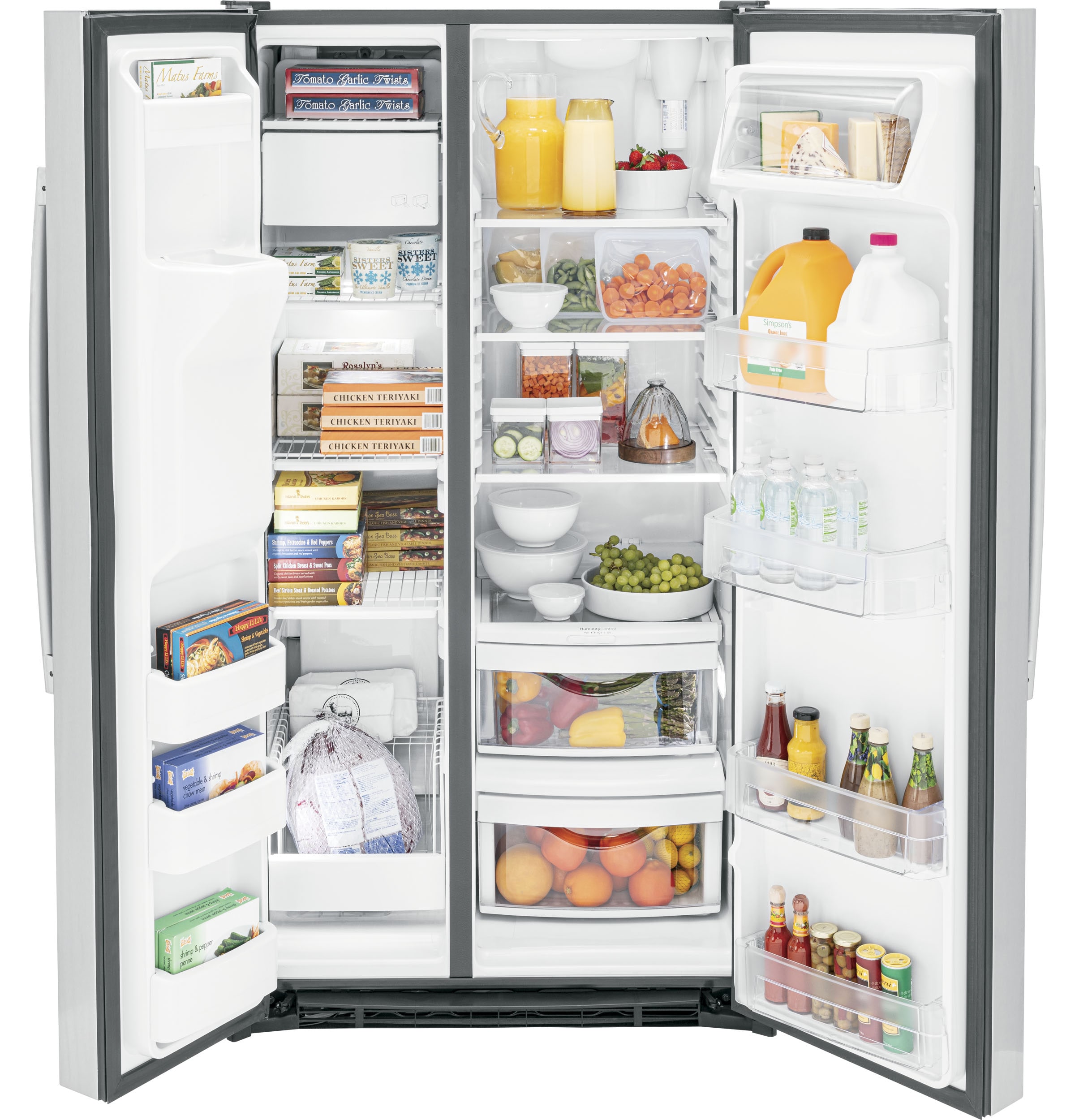
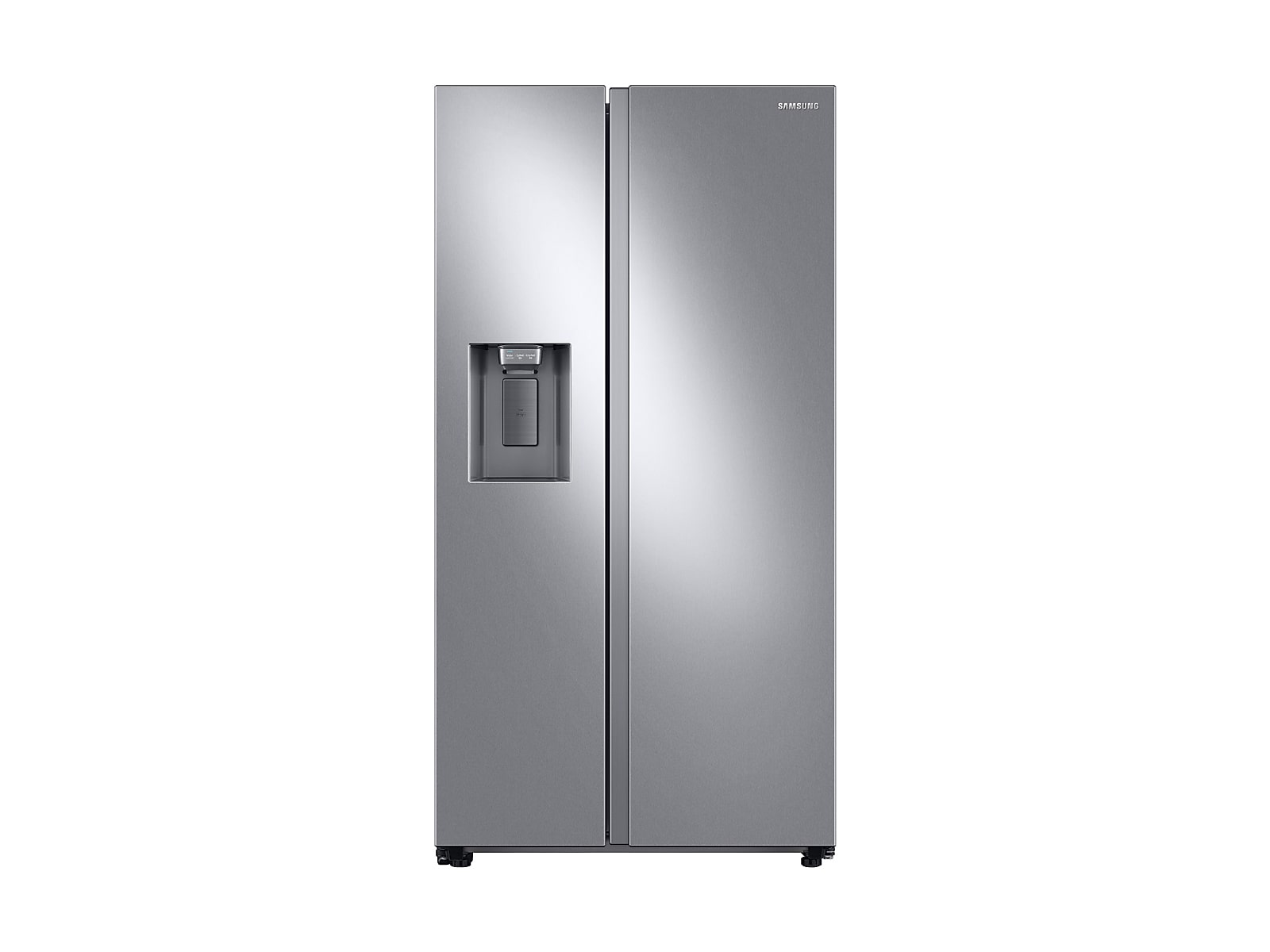
Side-by-Side Refrigerator 1 - 2 inches 1 inch 2 - 3 inches
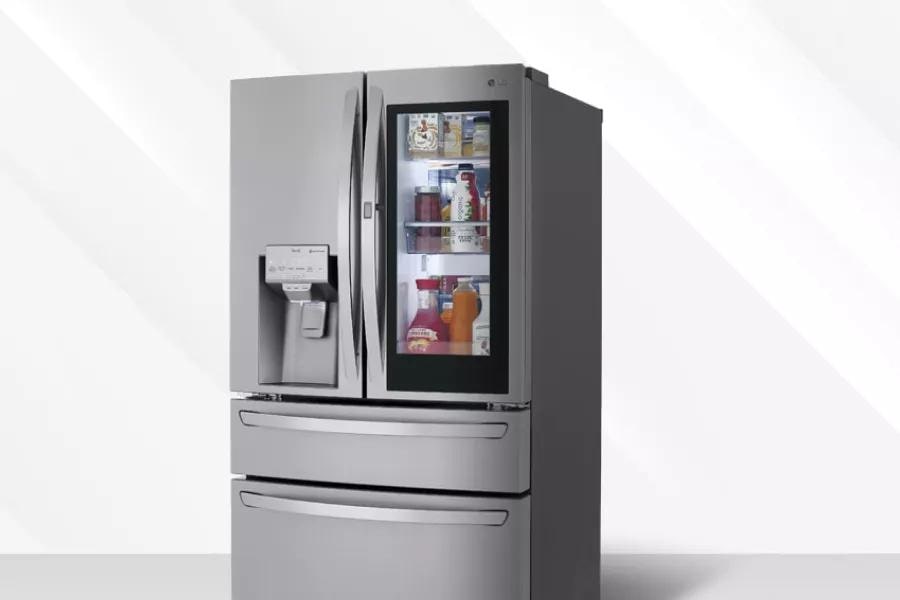
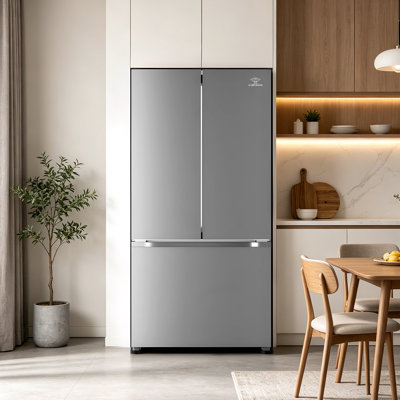
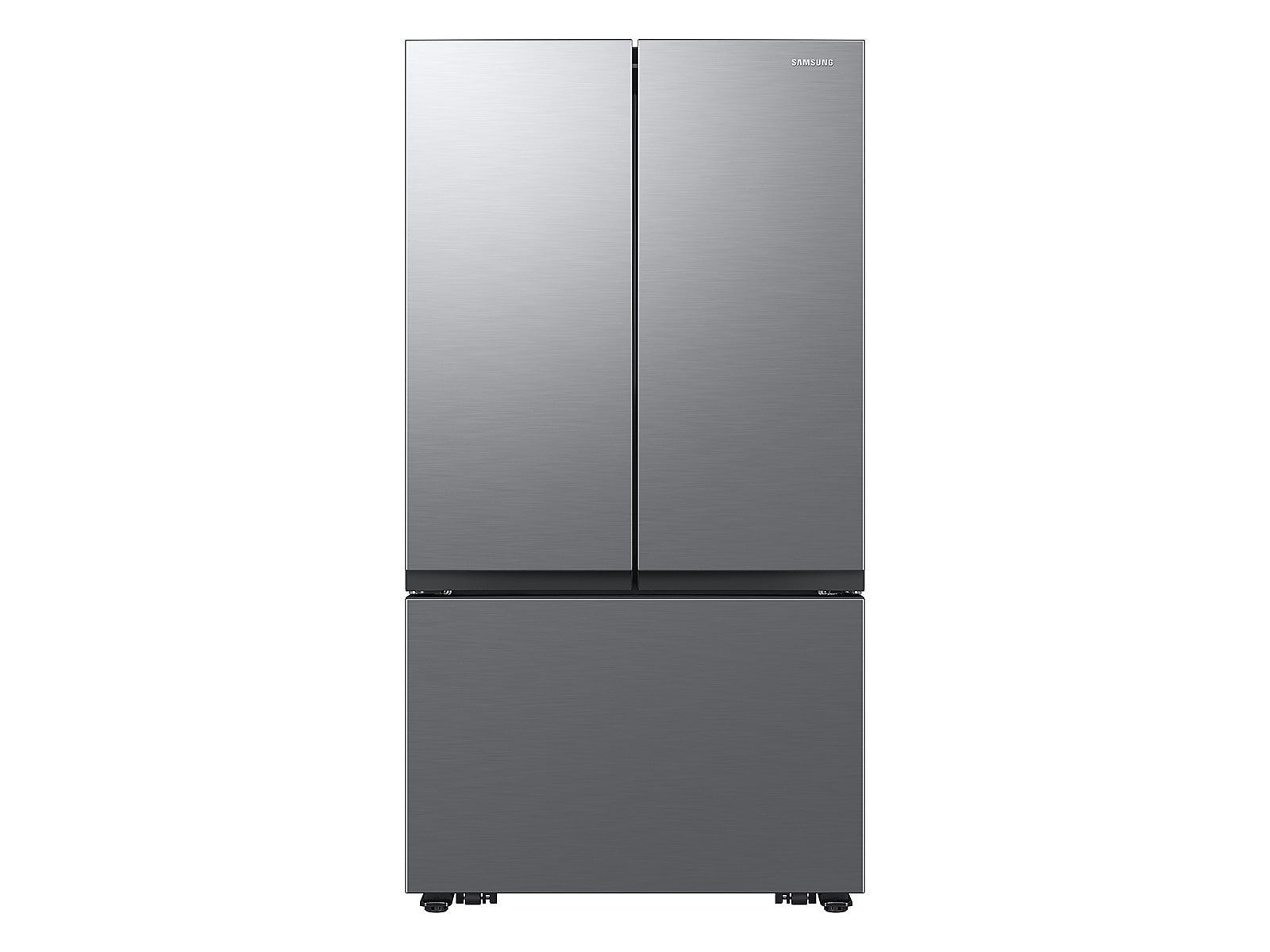
French Door Refrigerator 1 - 2 inches 1 - 2 inches 2 - 3 inches
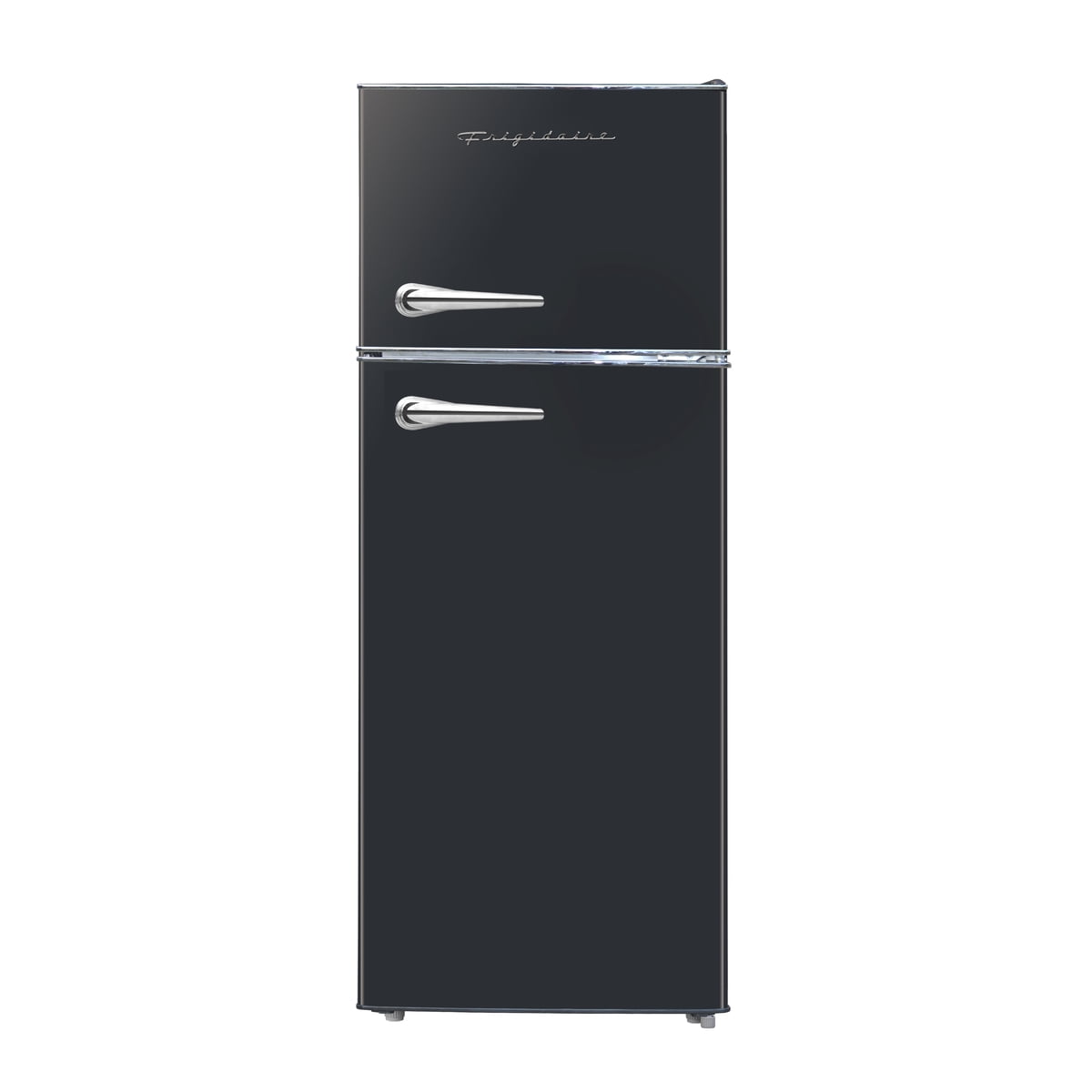
Compact Refrigerator 1 inch 1 inch 2 inches

Giving it some space is like taking deep breaths—it cools like it should and doesn’t break a sweat.

Factors Influencing Refrigerator Spacing

Life's full of twists and turns, and yes, even fridge spacing has a few things to watch out for:

  1. Cooling System Design: They ain't all built the same. Some need more room to do their thing, so knowing your model helps.

  2. Local Climate: You’re in a hot place? Your fridge likes a bit more air to stay chilly inside.

  3. Cabinet Height and Depth: Snug in a cabinet? Triple-check that airflow. Gotta let it breathe.

  4. Floor Surface: Got it on a rug? Move it back a bit more. Carpet can choke vents, and that’s no good.

  5. Appliance Features: Bells and whistles mean more room. Look over your manual for those fiddly bits that need air real estate.

So, don’t sweat it—giving your fridge some space is the key to avoiding meltdowns. Make it a habit to peek at your fridge manual for those nitty-gritty details. Need even more fridge wisdom? Swing by our piece on how much space should you leave around your refrigerator? for all the juicy details.

Ventilation Requirements

Getting your fridge breathing right is key to keeping it chilly and running like a champ. When your appliance has room to breathe, it stays cool and gives your food the TLC it deserves!

Understanding the Cooling System

At the heart of your refrigerator is a cool crew working hard to keep your groceries fresh. The trio of compressor, condenser, and evaporator buddy up to shoo heat away from the inside. For them to do their thing, they've got to have a bit of elbow room for heat to escape.

Here's the lowdown on what makes it tick:

Thingamajig What It Does
Compressor Moves the cooling stuff around to keep temps in check
Condenser Kicks heat out the back door of the fridge
Evaporator Picks off heat from inside to keep your food nice and cool

If your fridge is squeezed between the wall and your shiny cabinets, it can't breathe and could start huffing and puffing, leading to overheating and making a dent in your electric bill.

Ensuring Sufficient Airflow

To let your fridge do its magic, give it some breathing space. Check out these quick tips on spacing:

Side Space Needed (inches)
Back 1.5 to 2
Sides 1 to 2
Top 1 to 2

These nifty guidelines keep your fridge from feeling suffocated, allowing it to work at its best. Think about how spacing can help your fridge chill efficiently and save you some bucks on energy.

When you make sure your fridge gets this airflow, you not only make it last longer but also keep it from slurping up too much electricity. For more nifty advice on how to store your holiday leftovers or keep the outside sparkling, check our guide on keeping food fresh and floors tidy.

By knowing the ins and outs of what your fridge needs space-wise, you’re not only giving it a longer life and less work to do, but you’re also keeping your grub in top shape!

Placement Considerations

Picking the right spot for your fridge can make all the difference in how it works and how long it lasts. By steering clear of common blunders and picking prime spots, you can keep it running just right.

Avoiding Common Mistakes in Refrigerator Placement

When giving your fridge a home, don't fall into these all-too-common traps that can cause headaches later. Here's what to keep in mind:

Oopsie Why It Matters
Too Close to Heat Makers Parking next to stoves isn't cool—heat messes with the fridge's mojo.
No Breathing Room Give it space! It needs room at the sides and back to chill properly.
Skipping the Manual Peek at the guide—it'll tell you how much space your model craves.
Blocking Air Vents Don't hide cooling vents with cabinets or counters—let 'em do their job!

Check out how much space your fridge needs for happy breathing.

Best Locations for Your Refrigerator Setup

Where you stick your fridge can really crank up how well it works. Here's where to put it:

Spot Best Bits
Kitchen (Not Near Heat) Keeps grub fresh and is super handy for cooking—just a few inches from hot stuff is smart.
Utility Corner It's a sweet spot for a backup fridge or a garage model—low traffic, high convenience.
Airy Pantry Great for little fridges or extra storage, as long as it's breathing room-approved.
Close to Cooking Zone Near the prep area is perfect for grabbing ingredients on the fly and turbo-charging meal prep.

When picking the perfect spot, think about airflow and easy reach. Smart placement means a happy fridge and a slick kitchen setup. If you need more insight into spacing out your fridge, dive into our handy tips on creating the ideal gap around it.

Tips for Optimizing Refrigerator Efficiency

Getting the most out of your refrigerator not only cuts down on energy costs but also keeps your groceries good for longer. Let's get into some real-life advice that can make your fridge work smarter, not harder.

Organizing Items Inside the Fridge

How you stash your stuff in the fridge can really make a difference in energy use and freshness. Group the goodies and think about stashing them in removable bins for easy grabs. Here's a nifty way to set it up:

Section Suggested Stuff
Top Shelves Quick snacks, drinks
Middle Shelves Dairy, leftovers
Bottom Shelves Raw ingredients (like meat, fish)
Crisper Drawer Fruits and veggies
Door Condiments, small items

Don't cram things too tight, though. Let the air flow, and your fridge will keep its cool more efficiently.

Cleaning and Maintaining the Refrigerator Exterior

Keeping the outside of your fridge spic-and-span is vital for performance. Routine cleaning dodges dust and grime that can clog vents and overwork the appliance. Check these tips to keep it clean:

  • Swipe the outside with mild soap and water.
  • Freshen up the door seals with a damp cloth—this helps trap the cold air inside.
  • Dust those condenser coils (usually hiding out back or below) a couple of times a year to keep airflow in check.

Want a cleaner that's nice to Mother Earth? Try this all-natural DIY fridge spray.

Energy-Saving Practices for Refrigerator Use

Save some bucks on your electric bill with these easy-peasy energy-saving hacks:

Trick What's In It?
Set the Right Temperature Aim for 37°F to 40°F—you don’t need it colder.
Avoid Frequent Opening Be quick when grabbing stuff, plan ahead to minimize door open time.
Keep Your Fridge Full Stuffed fridges keep their chill better than empty ones.
Use Energy-Efficient Settings Go green with any eco-friendly modes.

These little changes can make a big impact on your fridge's stamina and keep your food safe. Peek at our other tips on how to store grapes to keep them fresh in the fridge for even more fridge wisdom.

Customers Are Watching 😍

Recently Viewed