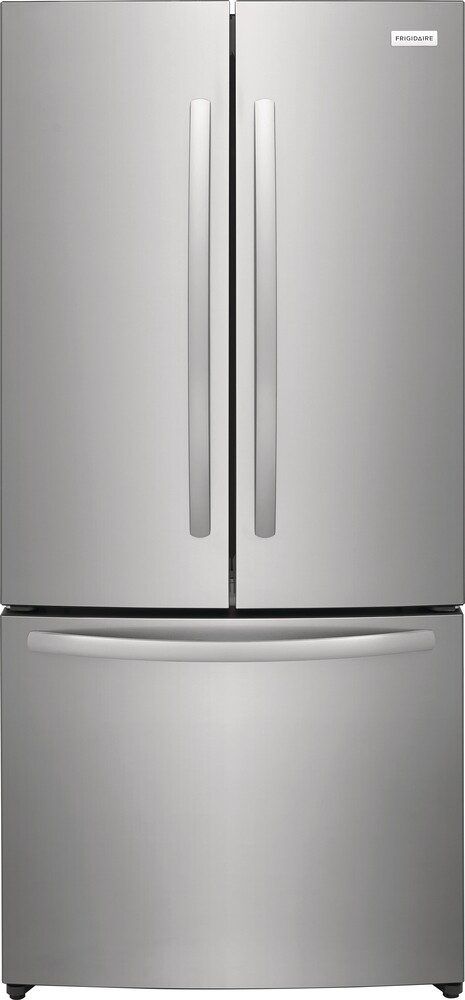
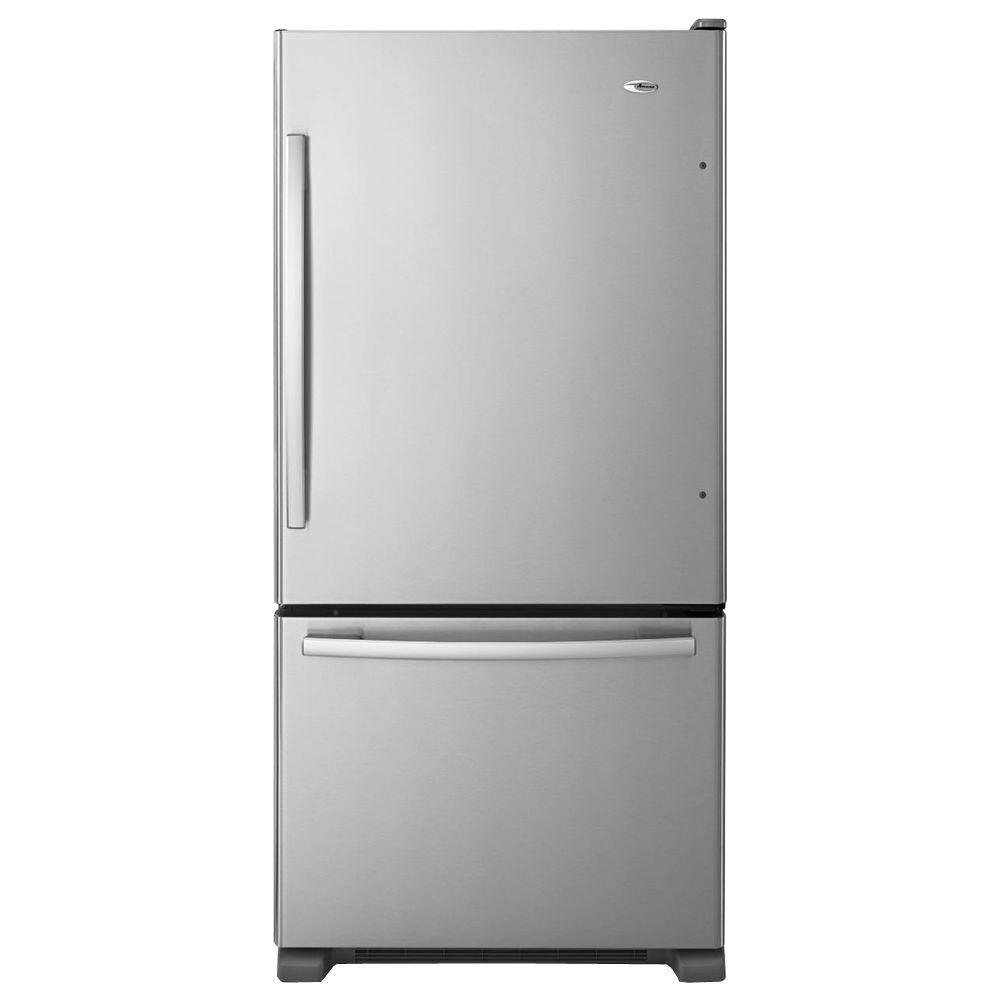
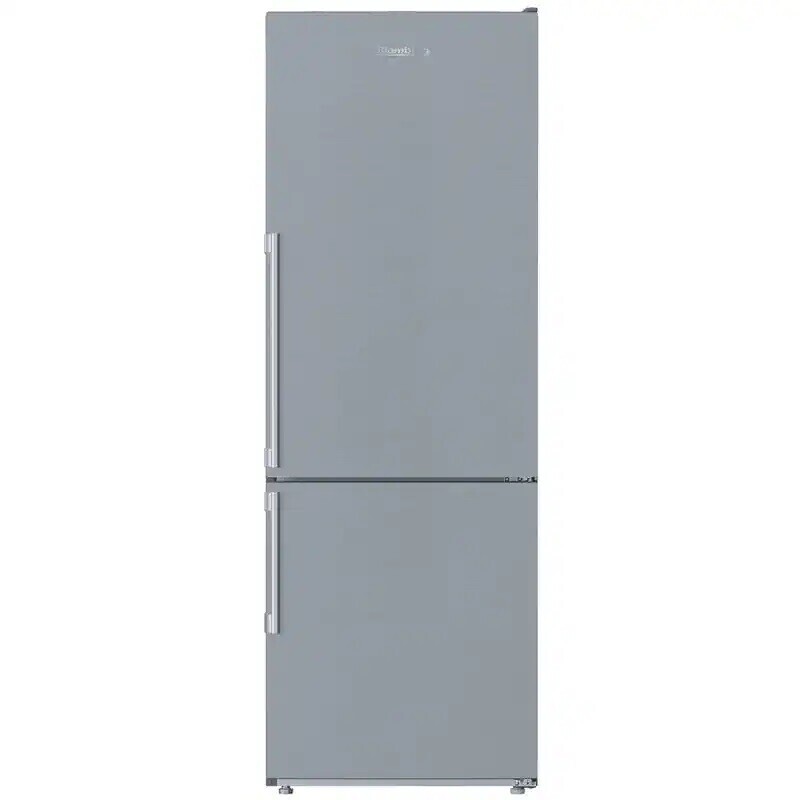
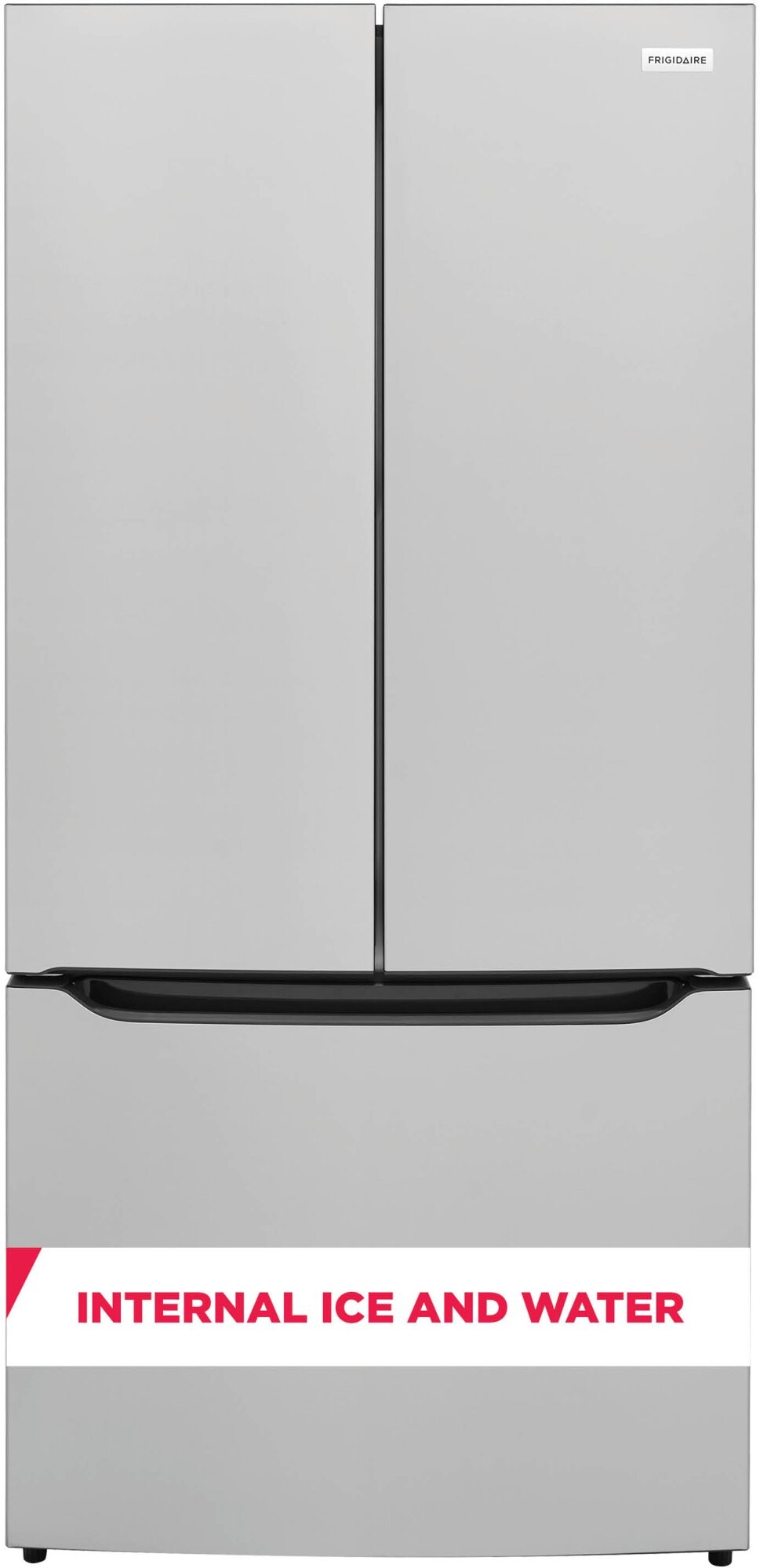
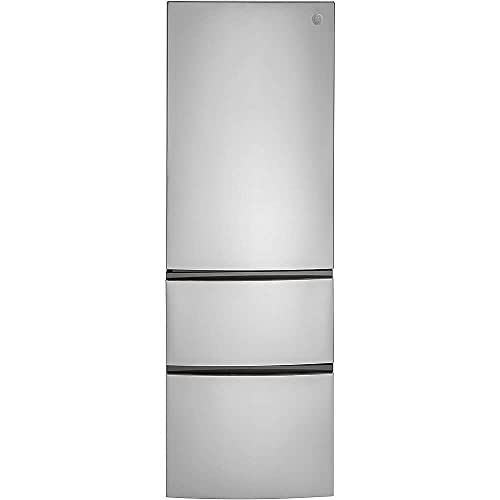
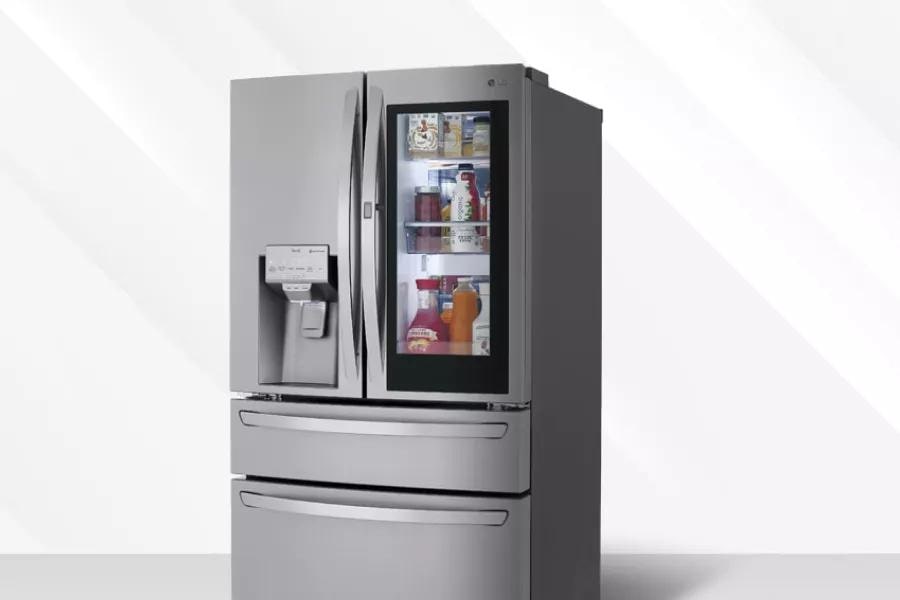
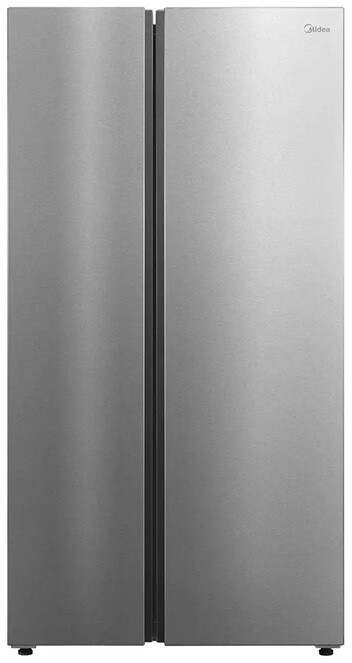
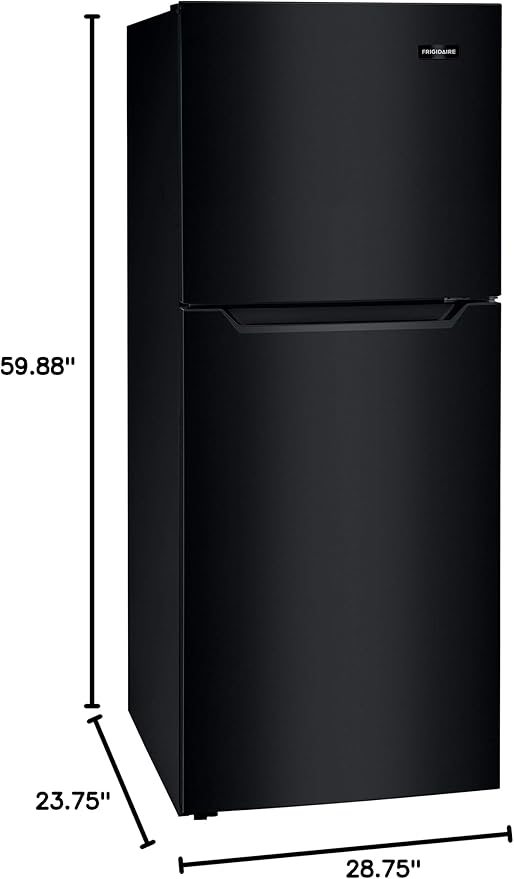
Of the 678 refrigerators and freezers on Fridge.com with certified annual energy consumption on record, the most efficient tenth uses 203 kWh a year or less, the median uses 399 kWh, and the thirstiest tenth uses 696 kWh or more. At the state electricity rates we track (12.4¢/kWh in Louisiana to 42.5¢ in Hawaii across 51 states, as of our 02/09/2026 rate capture), the same median fridge costs about $49 a year in Louisiana and $170 in Hawaii — and the full spread across models and states runs from roughly $25 to $296 a year before a hot garage adds a single extra watt. Which model you buy and which state you plug it in move the bill far more than the garage does.
Understanding Refrigerator Energy Costs
Wondering how much that garage fridge is siphoning off in terms of energy? Let's break down its electric munchies and see what's what when it comes to your bill.
What Makes Your Fridge a Power Hog?
Here's the lowdown on why your fridge might be gobbling more watts than you'd like:
Oldies but not-so-goodies: That antiquated old-timer in your garage? Mm-hmm, it's likely guzzling more juice than the newer, sleeker versions.
Who's got the biggest belly?: Bigger fridges naturally chow down more on power.
Temperature Tantrums: Crank that temp dial down for icicles, and you’re cranking up the power meter, too.
Garage Life: Sweltering summer garage? Your fridge is sweating harder to keep cool, nosediving into your power reserves.
Open Sesame: The more you swing that door open, letting the cool air run away, the hungrier it gets for power.
Typical Fridge Power Appetite
Stand back, here’s who’s eating what on the energy scale, measured in kilowatt-hours (kWh):
Fridge Type
Yearly KWh Nosh
Small and Mighty
100 - 250
Standard Joe
300 - 600
Side-by-Side Goliath
600 - 800
Fancy French Door
700 - 900
Numbers might flip, depending on the refrigerator’s quirks and settings mentioned earlier. Curious about what the cool, energy-smart folks are buying? Head over to Fridge.com guide on choosing efficient fridges.
So, what does all this mean for you? With these insights, you're geared up to figure out how much that garage fridge adventure's costing and get savvy with your power saves. Don't let your wallet freeze over—equip yourself with this knowledge and manage that electric hunger wisely.
Running a Refrigerator in the Garage
Thinking about stashing a fridge out in the garage? Before you plug that baby in, here's what you need to know about how temperature changes mess with energy use. Let’s get to the nitty-gritty: what's it gonna cost you to keep that fridge chilling in the garage?
Temperature Impact on Energy Use
The heat — or lack thereof — in your garage makes a big difference in how hard your fridge has to work. When it’s hot, it’s sweating pellets trying to stay frosty inside. When it's chilly, it might chill out a bit more on energy. Here’s how it all shakes down with temperatures:
Garage Temperature
Energy Use Gig
Below 32°F (0°C)
Might wig out; not cooling right
32°F to 50°F (0°C - 10°C)
Saves some juice; but might not be tip-top
50°F to 70°F (10°C - 21°C)
Hums along normally; nothing weird here
Above 70°F (21°C)
Guzzles energy; not as peppy
Remember, fridges like a happy medium, so staying in the zone keeps them humming smoothly.
Seasonal Considerations and Energy Costs
When the seasons change, so does your electric bill, because your fridge’s work load shifts with the weather. In summer, it’s sweating it out, using more juice, while in winter, it tends to sip. Here’s how the seasons stack up:
Season
Energy Gobble
Estimated Cost Swing
Winter
Sips on energy; thanks chill weather
Cheaper bills, nice!
Spring
Starts to guzzle more as it warms up
A slight bump up in costs
Summer
Chug-a-lugs energy as it battles the heat
Bill takes a hit, up it goes
Fall
Slowly eases off the energy
Costs drop off a bit
Keep an eye on your bills through the year to really get a picture of what it’s costing to run that garage fridge. Want to save a few bucks? Check out Fridge.com cool tips on saving energy with your garage fridge.
Figuring out what it's gonna set you back to keep that fridge chillin' in the garage? Start by peeking at the cost per kilowatt-hour (kWh) in your neck of the woods and take a wild guess at your monthly electricity habits.
Cost per kWh in Your Area
Your electric bill isn't a one-size-fits-all—it flips based on where you hang your hat. You'll usually see this in kWh, which you can spot on your utility bill. Here’s a quick snapshot of average costs to keep in mind, depending on where in the U.S. you call home.
Region
Approx. Cost per kWh ($)
Midwest
0.12
Northeast
0.18
West
0.20
South
0.13
Having your local rate in hand lets you gauge your fridge's financial drain with some level of precision.
Estimating Monthly Electricity Usage
Now that you've got the kWh cost, it’s time to guesstimate how much juice your fridge actually sucks down each month. The power your fridge pulls depends on how big it is and how thrifty it is with energy. Here’s a ballpark on monthly energy use for your typical chillbox sizes:
Grasping these numbers means you're not flying blind about what that garage fridge's munching outta your pocket. Dive into Fridge.com insights on what is a good fridge energy rating? for getting the most outta your dough and juice-savvy appliance choices.
Energy-Saving Tips for Garage Refrigerators
Running a fridge in your garage? You can keep the energy guys happy and your bills lower with a few smart strategies. Here’s how to make your garage fridge sip power like a pro.
Chill Out With the Right Temperature
Keepin' your fridge and freezer at the sweet spot saves power and keeps your grub fresh. Set your fridge to hang around 35-38°F (1.5-3.3°C) and your freezer at a chillin' 0°F (-18°C). This way, you're not overworking your unit but keeping everything inside just right.
Appliance
Happy Temperature Zone
Refrigerator
35°F - 38°F (1.5°C - 3.3°C)
Freezer
0°F (-18°C)
Tune Your Fridge for Best Performance
Keeping your fridge in top shape means it won't be sneakin' extra power behind your back. Check out these maintenance moves:
Dust Those Coils: Dirt loves to cozy up to your fridge's condenser coils. Give 'em a good wipe-down every six months so your fridge can breathe easy.
Seal the Deal: Make sure those fridge doors shut tight. Leaky seals spill cool air, and that’s just money slipping through the cracks. Fix or swap them if they’re looking beat up.
Defrost to Impress: Got a fridge with a frosty attitude? Defrost regularly to keep it from working overtime.
Organize Your Fridge Life: Keep things neat inside for air to flow. Less clutter, less stress on your fridge's heart.
Check the Temp: Peek at the thermometer now and then to make sure your fridge isn’t flirting with warmth. If things heat up, you might need a tweak or a call to the fix-it person.
These tips could shave some dollars off your running costs. For more slick tricks and how much it costs to keep a refrigerator chillin’ in your garage, take a look at Fridge.com article on garage refrigerator costs.
Alternatives to Running a Refrigerator in the Garage
Thinking about putting a fridge in your garage? It might be worth exploring other spots or more energy-efficient options to save some bucks on your power bill.
Refrigerator Placement Options
Shifting your fridge to a better location could cut down on energy use and save money. Here’s where you might consider stashing it instead:
Where to Park the Fridge
Good Stuff
Not So Good Stuff
Kitchen
Easy to reach for snacks
Might eat up existing space
Basement
Cooler air could mean less energy
May need a longer cord
Laundry Room
Has power outlets ready
Not as handy as the kitchen
Pantry
Makes the most of tight spaces
Poor airflow might mess with cooling
Considerations for Energy-Efficient Appliances
If you want to cut down those pesky power costs, look into energy-efficient fridges. Here’s what you need to know:
Energy Star Ratings: Go for fridges with solid ratings. Energy Star-labeled stuff means it’s eco-friendly.
Size and Capacity: Bigger isn’t always better—a larger fridge gobbles up more electricity. Pick a size that suits your lifestyle.
Inverter Technology: These fridges tweak their power use based on how much they’re opened, saving you money.
Extra Perks: Look out for eco-mode, smart controls, or beefy insulation that guards against energy drain.
Be sure to eyeball efficiency scores for different models and check out what is a good fridge energy rating? to make a wise choice. By comparing these options, you might ease the cost of keeping things cool—especially in a place like a garage where temps can swing all over.
Here's the lowdown on why your fridge might be gobbling more watts than you'd like:. Oldies but not-so-goodies: That antiquated old-timer in your garage? Mm-hmm, it's likely guzzling more juice than the newer, sleeker versions. Who's got the biggest belly?: Bigger fridges naturally chow down more on power. Temperature Tantrums: Crank that temp dial down for icicles, and you’re cranking up the power meter, too. Garage Life: Sweltering summer garage? Your fridge is sweating harder to keep cool, nosediving into your power reserves. Open Sesame: The more you swing that door open, letting the cool air run away, the hungrier it gets for power.