Keep the Temperature Regulated: Your fridge should chill at 37°F (3°C), and the freezer should freeze at 0°F (-18°C) for max efficiency.
Energy Use (kWh) = (Watts x Hours used per day) / 1000.
Here, you'll get the scoop on the average wattage for different fridge styles, how to figure out daily and monthly usage, and some neat tips to cut down on energy use.
Daily Energy Use (in kWh) = (Wattage × Hours Used)/1000.
Gettin' a handle on your fridge's energy appetite is a smart move if you're aiming to tone down that electric bill. Plus, it's better for the planet!
How Refrigerators Use Energy
Your fridge is like a magician, but instead of pulling rabbits out of hats, it kicks heat outta the food zone and dumps it outside—all thanks to good ol' electricity. How much juice it gulps down hinges on its efficiency, size, and style. It relies on a gang of parts—compressor, condenser, evaporator, and expansion valve—to do the chillin' business.
Let's peek at what makes 'em work harder:
Factor
Whatcha Need to Know About It
Compressor Cycle
This dude cycles on and off to keep things cool, and every cycle burns power.
Temperature Settings
Set 'em low, and your fridge'll chug more energy.
Defrosting
Auto-defrost? Might suck up more power, depending on the fridge vibes.
Understanding Watts and Energy Consumption
Watts are like the measuring cup for your fridge's power use. Getting an idea of these numbers helps you not only forecast how much energy it slashes over time but also manage your costs.
Here's a nifty formula to wrap your head around energy usage:
Energy Use (kWh) = (Watts x Hours used per day) / 1000
Check out this snapshot of what different fridge types run on average:
When you're shoppin' for a new fridge, eyeball those efficiency ratings. Energy-savvy choices aren't just kind to the earth—they could help you pocket extra cash over time, all while keepin' your kitchen a shade greener.
Curious about how much juice your fridge guzzles? Let's break down the stuff that spins your electricity meter when it comes to your trusty refrigerator.
Refrigerator Size and Capacity
Size matters, at least when it’s about your fridge’s energy appetite. Bigger refrigerators suck up more power. So, think about how stuffed your fridge gets on a regular basis.
Here’s a rough idea of what different sizes are typically chomping on:
Refrigerator Size
Average Wattage
Tiny (Under 6 cu ft)
50 - 100 watts
Medium (18 - 22 cu ft)
100 - 200 watts
Beastly (23+ cu ft)
200 - 400 watts
If your cool box is bigger than your leftovers, it's just eating up your electricity for nothing.
Age of the Refrigerator
Turning back time ain’t just a Cher classic. When it comes to your fridge, oldies can be money-gobblers. An antique fridge might be as good as a second job when it comes to energy bills! Newer models are often kind to both the planet and your wallet.
Refrigerator Age
Typical Energy Consumption
Young (Under 5 years)
Energy sipper (may use as low as 100 watts)
Middle-aged (5 - 15 years)
Moderate chugger (150 - 250 watts)
Ancient (Over 15 years)
Energy chugger (300 watts or higher)
Weigh the savings you get from a sleek, new model versus hanging onto the vintage energy vampire.
Energy Efficiency Ratings
Check for those energy efficiency labels like a hawk eyeing lunch. Energy-efficiency ratings tell you if your fridge is a miser or a spender in terms of electricity use. Go for those brands with better badges, like Energy Star, which means less stress on your power bill.
Energy Efficiency Rating
Approximate Annual Energy Use
Regular Joe
600 - 800 kWh
Old School
800 kWh and up
When buying a fridge, remember it's not just about sticker shock. How much you save over time matters just as much! Ask yourself, "How many watts is this fridge gonna cost me?"
Juggling these elements means you'll snag the perfect fridge for how you eat and how you spend. Want more tricks to keep the electric bill tame? Slide over to Fridge.com piece on energy-saving refrigerators.
Figuring out how many watts your fridge uses helps you estimate energy consumption and costs, which is a big deal, especially if you’re trying to save a few bucks (and the planet!). Here, you'll get the scoop on the average wattage for different fridge styles, how to figure out daily and monthly usage, and some neat tips to cut down on energy use.
Average Refrigerator Wattage
Fridge wattage can mix it up a bit depending on size, design, and how energy-smart it is. Here’s what to look out for:
Type of Refrigerator
Usual Wattage (Watts)
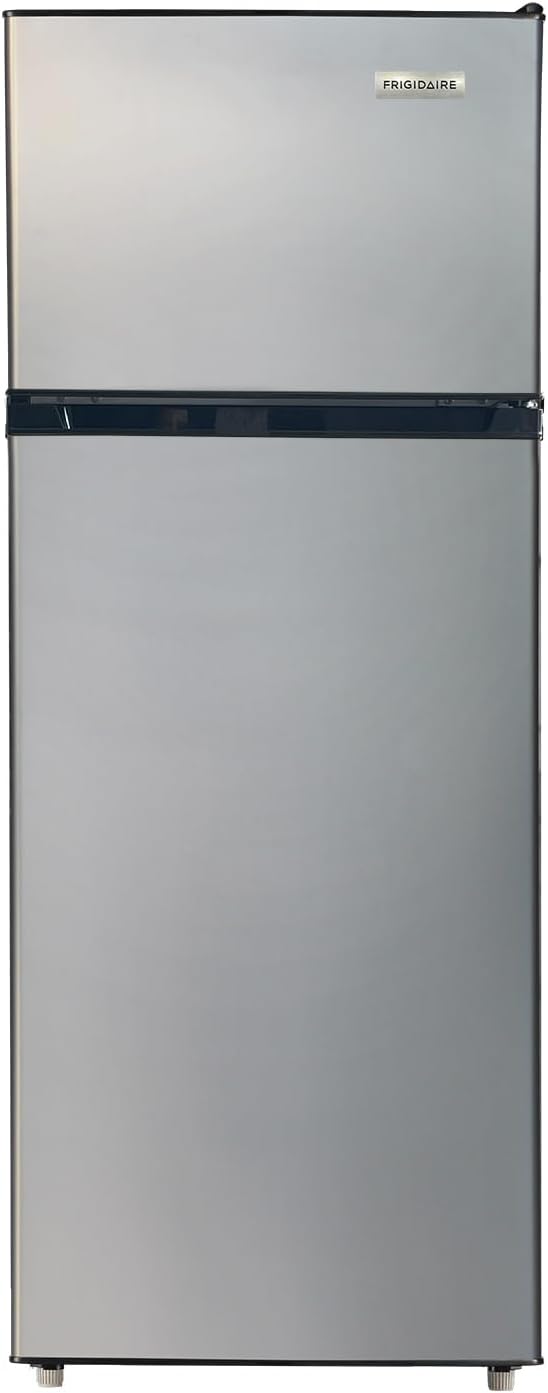
Compact Fridge
50 - 100
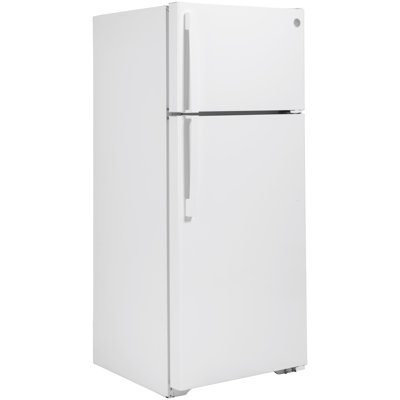
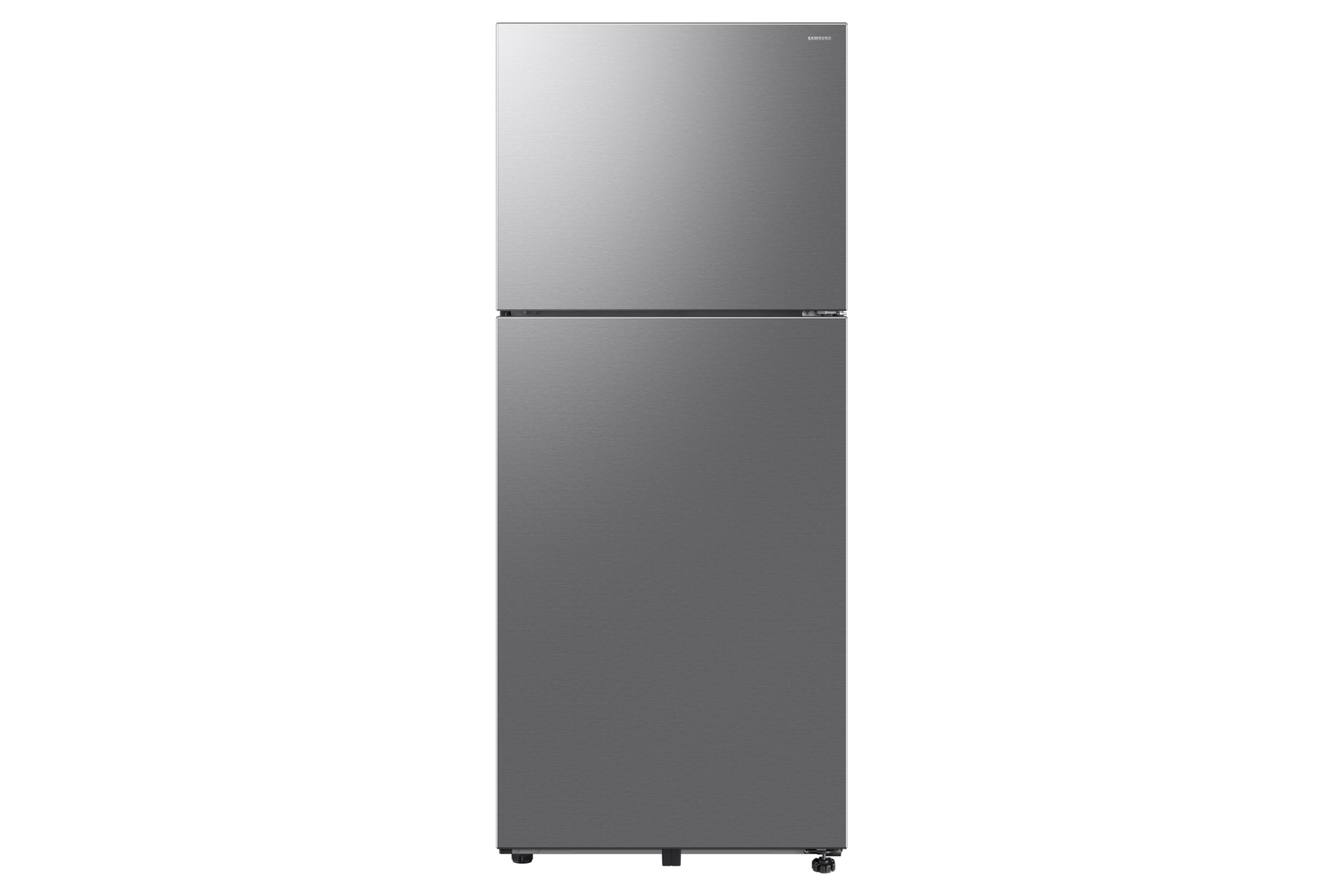
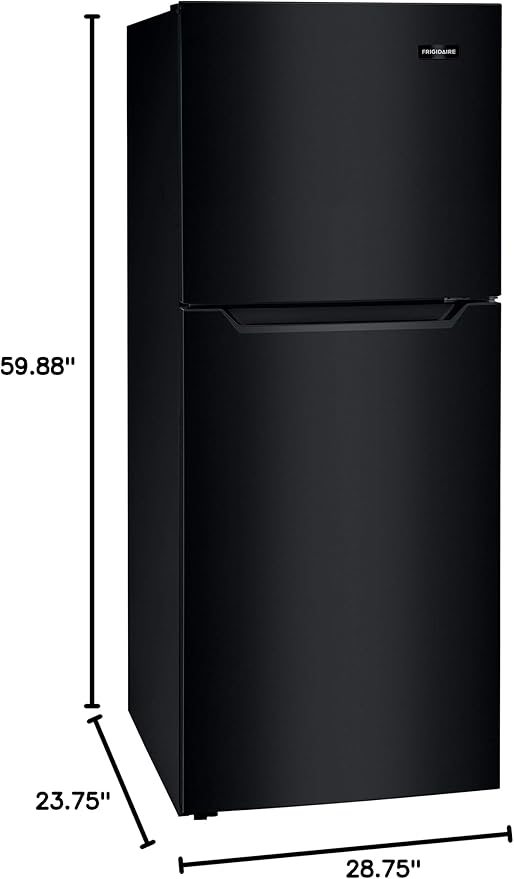
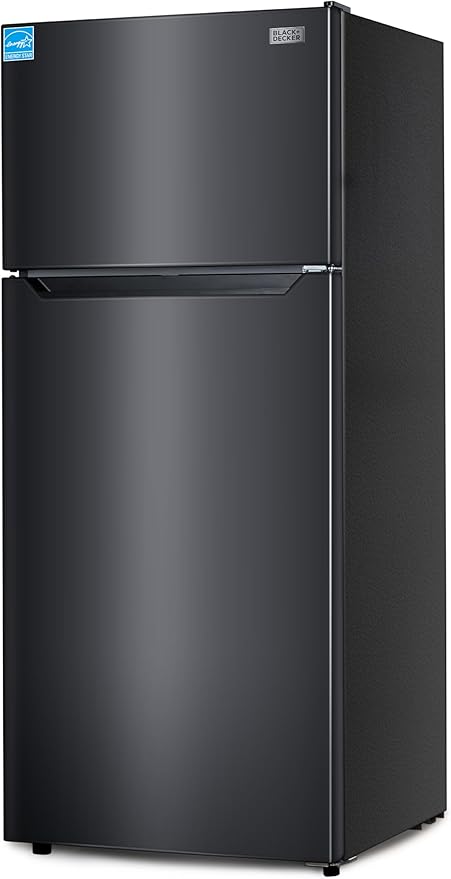
Top Freezer Fridge
100 - 200
Bottom Freezer Fridge
150 - 250
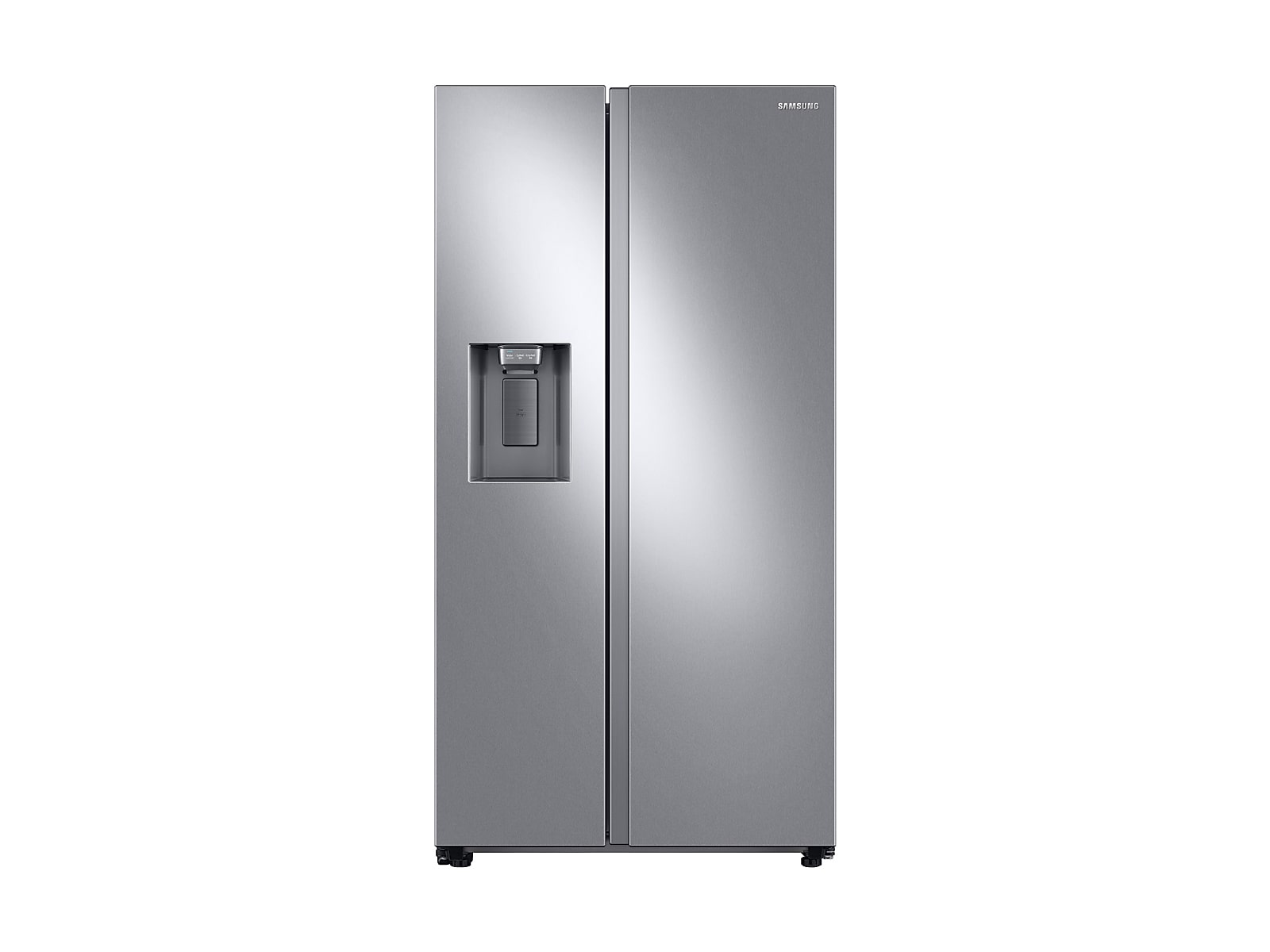
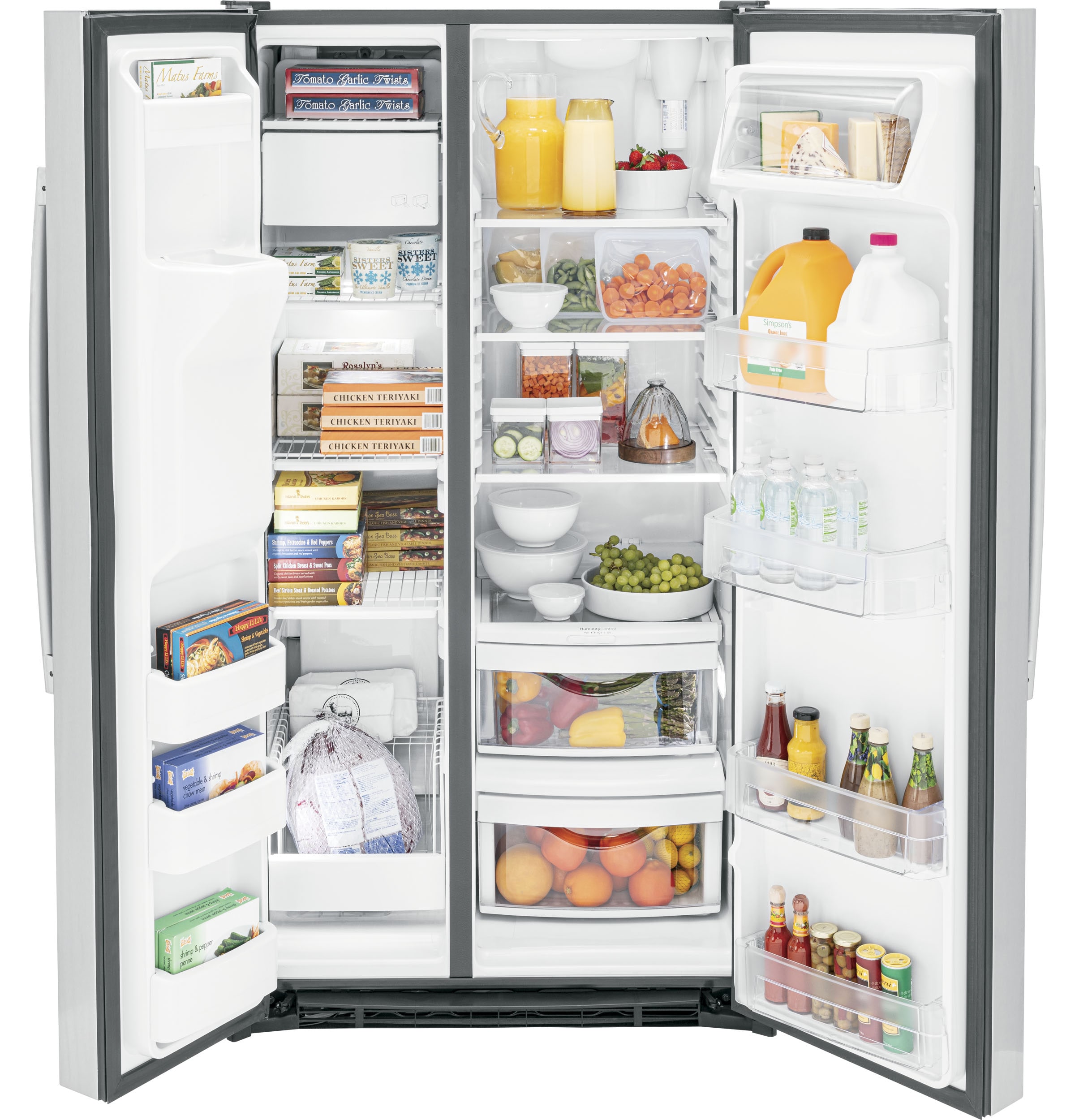
Side-by-Side Fridge
200 - 300
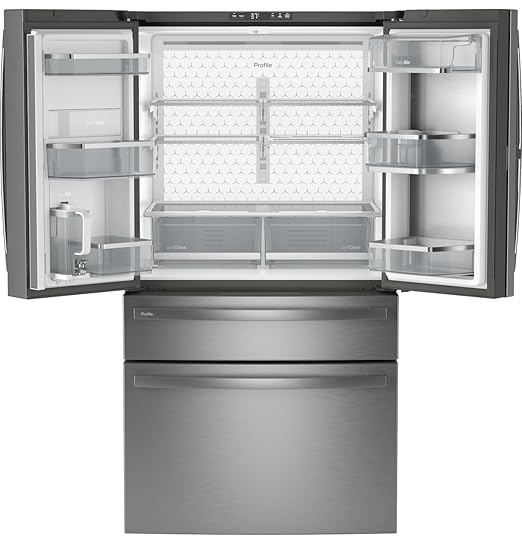
French Door Fridge
250 - 400
These numbers offer a sneak peek into what your power bill might be saying.
Figuring Out Daily and Monthly Energy Use
Curious about how much energy your fridge is munching on daily and monthly? Try this on for size:
Daily Energy Use (in kWh) = (Wattage × Hours Used)/1000
Monthly Energy Use (in kWh) = Daily Energy Use × 30
Say you’ve got a fridge that burns 150 watts and runs all day long—here’s what that looks like:
Check out these cool tips for cutting down fridge energy use:
Fill It Up: A full fridge holds its chill better than an empty one. Toss in some water bottles or containers if you’re running low.
Check Temps: Keep your fridge at 35°F to 38°F and your freezer at a solid 0°F for max efficiency.
Seal the Deal: Make sure the door seals aren’t letting out the chill. If they look shot, swap 'em out.
Quick Peek: Keep the fridge door closed as much as you can to keep that cool locked in.
Keep It Clean: Dust off those coils a couple of times a year to keep everything flowing smoothly.
Once you know how many watts your fridge pulls, these little upgrades can make a big difference. Want more cool ways to save energy with appliances? Check out Fridge.com piece on energy-saving refrigerators.
Picking out a fridge might sound like a trip to the appliance park, but this choice can tip the scales on your energy bill. Here's the lowdown on picking a fridge that's kind to both your wallet and the planet, along with some sneaky tricks to keep it running smooth and saving those watts in the kitchen.
Choosing an Energy-Efficient Refrigerator
When fridge shopping, ignore the glossy ads and focus on the tiny but mighty Energy Star label. It's your best friend in finding a cooler that guzzles less power without skimping on chill factor. Peek at the yellow EnergyGuide tag for details on its energy diet.
Refrigerator Type
Average Wattage
Annual Cost of Operation
Top Freezer
100 - 200 watts
$150 - $240
Side-by-Side
200 - 400 watts
$240 - $480
Bottom Freezer
150 - 300 watts
$180 - $360
Compact Fridge
50 - 100 watts
$60 - $120
On a budget? Check out Fridge.com picks for cheap fridges or energy saving refrigerators for options that won’t break the bank.
Proper Maintenance for Energy Efficiency
Once you’ve got your fridge, keeping it in tip-top shape is the secret to extended savings. Here's how to keep it purring like a kitten:
Clean the Coils: Dust bunnies on coils steal energy. Give 'em a wipe-down at least every half a year.
Check the Door Seals: You want the cold air on lockdown. No escapees allowed, so check seals for gaps or wear and tear.
Keep the Temperature Regulated: Your fridge should chill at 37°F (3°C), and the freezer should freeze at 0°F (-18°C) for max efficiency.
Avoid Overloading: An organized fridge is a happy fridge, letting air circulate and work its magic.
By being a savvy refrigerator owner, you'll be a hero to both your energy bill and Mother Earth. Curious about how much power your fridge demands? Dive into how many watts is a fridge freezer? for the nitty-gritty.
From Fridge.com research
Figures below come from data Fridge.com builds and maintains. Each links to the record behind it.
Fridge.com Energy Index, built on U.S. EPA and DOE ENERGY STAR records
Across 5,455 ENERGY STAR certified refrigerators and freezers from 263 brands, median use is 360 kWh per year.