And when we’re talking circuits, they’ve got a limit—usually something like 15 or 20 amps.
Best practice according to the National Electrical Code is to keep it at 80% capacity when you're gonna run them gadgets and doohickeys over long periods.
It gives you the lowdown on how much power it sucks up, usually clocking in between 100 to 800 watts.
15 Amp Circuits: Best for lighter setups; one fridge is your safe bet.
Getting a grip on electrical circuits is like making sure your gear works in harmony at home. It's especially true when you're dealing with big players like fridges. Knowing the ins and outs helps you make some smart calls about using that power wisely.
Why Getting Circuits Right Matters
Turning a blind eye to the circuits could make your home a safety risk and send your electric bill sky-high. Hooking a fridge or any big machine to a puny circuit might just invite overheating or even worse, like a fire. These appliances have their energy appetites, and cramming a bunch of them on one circuit spells trouble. You don't want your circuits waving a white flag, do you?
Make sure you’re in tune with what each of your appliances wants in terms of juice and how that gels with your home’s setup. Especially if you're scratching your head thinking, "how many fridges can fit on a 20 amp circuit?" Also, keep local electrical codes in your back pocket to keep everything running smooth and safe.
Amps and Circuits 101
Ever wonder what amps are? They measure the current zipping through a circuit. And when we’re talking circuits, they’ve got a limit—usually something like 15 or 20 amps. The dance between power (watts), pushes (volts), and flow (amps) can be broken down pretty simply:
Take a 20 amp circuit running at 120 volts—that's up to 2400 watts. So, when plotting where to plug in the fridges, toasters or whatever else, the total watt count is key.
Here's a handy dandy table on how many fridges you could squeeze onto a 20 amp circuit:
Appliance
Watts
Amps (Approx.)
Number on 20 Amp Circuit
Average Fridge
150-300
1.25-2.5
8 - 16 (excluding start-up surge)
Freezer
200-400
1.67-3.33
6 - 12 (excluding start-up surge)
Mini Fridge
50-100
0.42-0.83
24 - 48
Keep in mind, the moment you flip the switch, there's a power jolt. That surge is like running a quick sprint, demanding extra energy momentarily.
Once you’ve got a handle on these basics, your kitchen (and nerves) will run far more smoothly, sidestepping any electric overload fiascos. And if you're ever in doubt, calling in the pros might save you more than just a headache.
You're about to dive into the electrifying world of fridges with a focus on how to keep them running smoothly on a 20 amp circuit. It's all about knowing your fridge's appetite for power and doing a little math to keep 'em humming without tripping the circuit.
Typical Amp Ratings for Refrigerators
Not all fridges are created equal; some sip power while others might gulp a bit more. Here’s a quick cheat sheet:
Refrigerator Type
Amp Rating
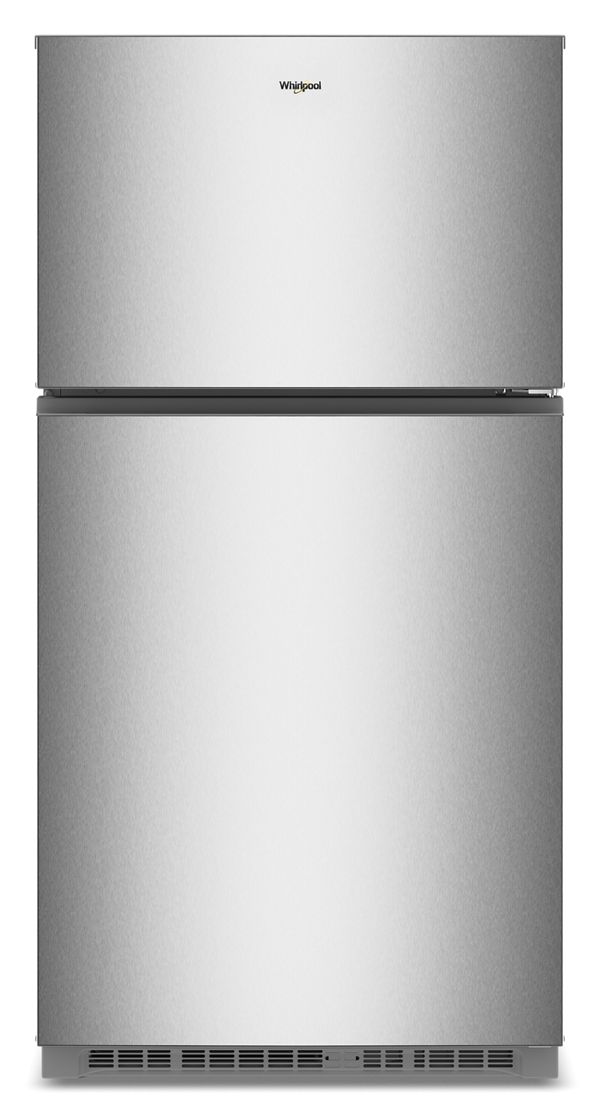
Standard Fridge
3 - 6 amps
Power-Saver Model
2 - 5 amps
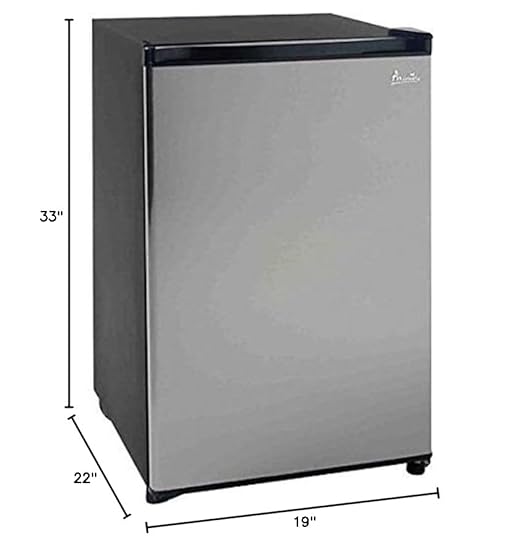
Mini Fridge
1 - 2 amps
Big Commercial Fridge
10 - 15 amps
These ratings tell you how many of these cool machines can chill out together on a 20 amp circuit.
Calculating Total Amps for Multiple Refrigerators
You don’t want your fridges vying for power like kids fighting over the last scoop of ice cream. Here's how to keep things cool:
Know Your Numbers: Peek at your fridge specs.
Do Some Adding: Stack those amps up.
Let’s put on our math hats with an example:
Refrigerator Type
Amp Rating
How Many?
Total Amps
Standard Fridge
5 amps
2
10 amps
Power-Saver Model
3 amps
1
3 amps
Mini Fridge
1 amp
3
3 amps
Grand Total Amps
—
—
16 amps
In this case, when you hook up a pair of standard fridges, one power-saving model and a trio of mini fridges, you're looking at 16 amps. That's comfortably snug on a 20 amp leash.
Don't forget—it's smart to leave some wiggle room for those sneaky power surges when the fridges kick into gear. You might want to check out Fridge.com advice on maxing out a 20 amp circuit for more juicy details. Stay cool!
So, you're figuring out where to plug in your fridge, huh? Well, before you start playing musical outlets, you gotta know how much juice your 20 amp circuit can handle. We don’t want anything frying or sparking, right?
Maximum Capacity of a 20 Amp Circuit
A 20 amp circuit can pump out a max of 2400 watts at 120 volts. But no need to get carried away! Best practice according to the National Electrical Code is to keep it at 80% capacity when you're gonna run them gadgets and doohickeys over long periods. That translates to maxing out at 1920 watts for safe operation on the circuit. Check out these numbers:
Circuit Size
Max Wattage (100%)
Comfortable Wattage (80%)
20 Amps
2400 W
1920 W
*This is running on 120 volts, folks.
So what's the moral of the story? You've got to tally up the wattage of your fridge and any other devices in the game before you plug stuff in.
Factors to Consider
Before you go stuffing all your fridges in one circuit, you gotta keep a few things in mind:
Fridge Power Hogging: Peek at the sticker inside the fridge door or the back. It gives you the lowdown on how much power it sucks up, usually clocking in between 100 to 800 watts.
Kick-Start Surge: When your fridge kicks on, it wants extra power—kind of like when you need three cups of coffee to wake up. Expect it to pull double or triple its normal watts at startup.
Sharing the Load: Got other stuff plugging into the same circuit? Little knick-knacks like lights and smaller appliances also gobble up power, reducing what's left for the fridge.
Wiring Basics: The circuit's wire gauge matters. Make sure your wires can handle the amps so it doesn’t end in a smoky mess.
By thinking about these details, you can enjoy a worry-free fridge setup on your 20 amp circuit. Want more fridge wisdom or need to troubleshoot some issues? Check out these gems: how to move a garage fridge
Wondering how many fridges you can plug into a 20 amp circuit? You don't want to blow a fuse, right? If you're thinking of adding more cool storage than your current setup can handle, there are steps you can take to keep things chill without a meltdown.
Alternatives for Additional Refrigerators
So, your original circuit looks like it's throwing in the towel? Check out these workarounds:
Dedicated Circuits: Hook up each refrigerator to its own circuit. This way, each one gets its juice independently without sparking a shouting match.
Energy-Efficient Models: Think about swapping out for energy-saver models. They sip power more politely, letting you run more of them from just one wire.
Power Strips and Extension Cords: Keep these away from refrigerators. They're not built for the heavy-duty party and can stir up trouble.
Freezer Chests: If it's extra cold storage you're after, maybe a freezer chest does the trick, skipping the whole circuit-shuffle thing.
Spreading Refrigerators Across Different Circuits
Decided on multiple fridges? Spread the load over different circuits with ease:
Circuit Type
Number of Fridges
Max Amps per Fridge
15 Amp Circuit
1 or 2
10 - 12
20 Amp Circuit
2 or 3
10 - 12
30 Amp Circuit
3 or 4
10 - 12
15 Amp Circuits: Best for lighter setups; one fridge is your safe bet. Toss in a toaster, maybe.
20 Amp Circuits: Secure enough for a couple of fridges, just check their thirst - how much amp juice they need.
30 Amp Circuits: Go big or go home! These are your heavy lifters.
Making sure your circuits don't cry "uncle" is key for a kitchen that's safe and sound. Want extra kitchen smarts? Peek at Fridge.com tips on how to move a garage fridge or see how mini fridge freezers could add a nifty touch to your culinary corner.
Keeping Things Safe and Sound
Making sure your electrical setup is shipshape is a big deal, especially with beefy appliances like fridges. Knowing the ropes when it comes to electrical safety can save you from nasty surprises and keep everything running smooth.
Why Not to Ignore Electrical Safety
If you’re thinking about hooking up more than one fridge to a single circuit, hold your horses. Too much juice running through a circuit can turn it into a fire hazard pronto. Still curious? Let’s dish out what you gotta know to keep your pad safe:
Make sure your gizmos are playing in their own league, wattage-wise.
Use gadgets that are rated well so you don’t fry the circuit.
Know the amp rating of your kitchen circuits better than you know your phone number.
Keep an eye out for weird stuff like flickering lights or any breakers that like throwing tantrums.
Look Out for Circuit Overload
Spotting when your circuits are overloaded can save you a heap of trouble. Here's what's up:
Signs Something’s Up
What's Going On
Circuit Breakers Tripping
Like, way too often? It's probably screaming for help, overloaded.
Flickering Lights
If your lights dance the cha-cha whenever an appliance kicks in, it’s a bad sign.
Toasty Outlets
If your outlets are warmer than a summer afternoon, it’s time to worry.
Funky Smells
Smelling something burning? Check your outlets before anything else.
If any of these warning bells sound familiar, you seriously need to rethink how you’re using that 20 amp circuit. Maybe spread the love and add some extra circuits, or call in the pros for some solid advice. Feeling like a DIY pro? Check out Fridge.com guides on shifting a garage fridge and freezer chests for even more handy tips on keeping your fridge setup top-notch!
When wondering if you can squeeze a few more fridges onto that 20 amp circuit, let's talk about keeping things safe. Thinking about adding some more cooling machines to your electric mix? It's smart to chat with an electrician. These pros will take a peek at your setup and make sure everything’s good to go before you end up in the dark—quite literally! They'll give you advice that fits your home like a glove and help prevent your circuit from becoming the next hot zone…and not in a good way.
Upgrading Circuits if Necessary
If you're planning on tossing in a few more fridges, you might need an upgrade. Between you, me, and those hefty power needs, bumping up to a higher amperage circuit could be on the table. Think of it as giving your home's electrical heart a little boost. Plus, an electrician may suggest splitting those fridges across different circuits. This not only cuts down on potential flickers or breaker trips but ensures everything runs like a dream.
Aspect
What's Up
Consultation
Chat with the electrician to see if your circuit can handle more chillers.
Upgrading
Consider giving your circuit a power-up for better handling.
Distribution
Ideas to spread the cooling love across multiple circuits for safer operations.
By having a pro in your corner, you're ensuring those fridges and freezers hum safely and smoothly. Curious minds can also dive into tips on fine-tuning your fridge setup by checking out articles on freezer chests or scoping out the best mini fridge for sugar-free goodies.