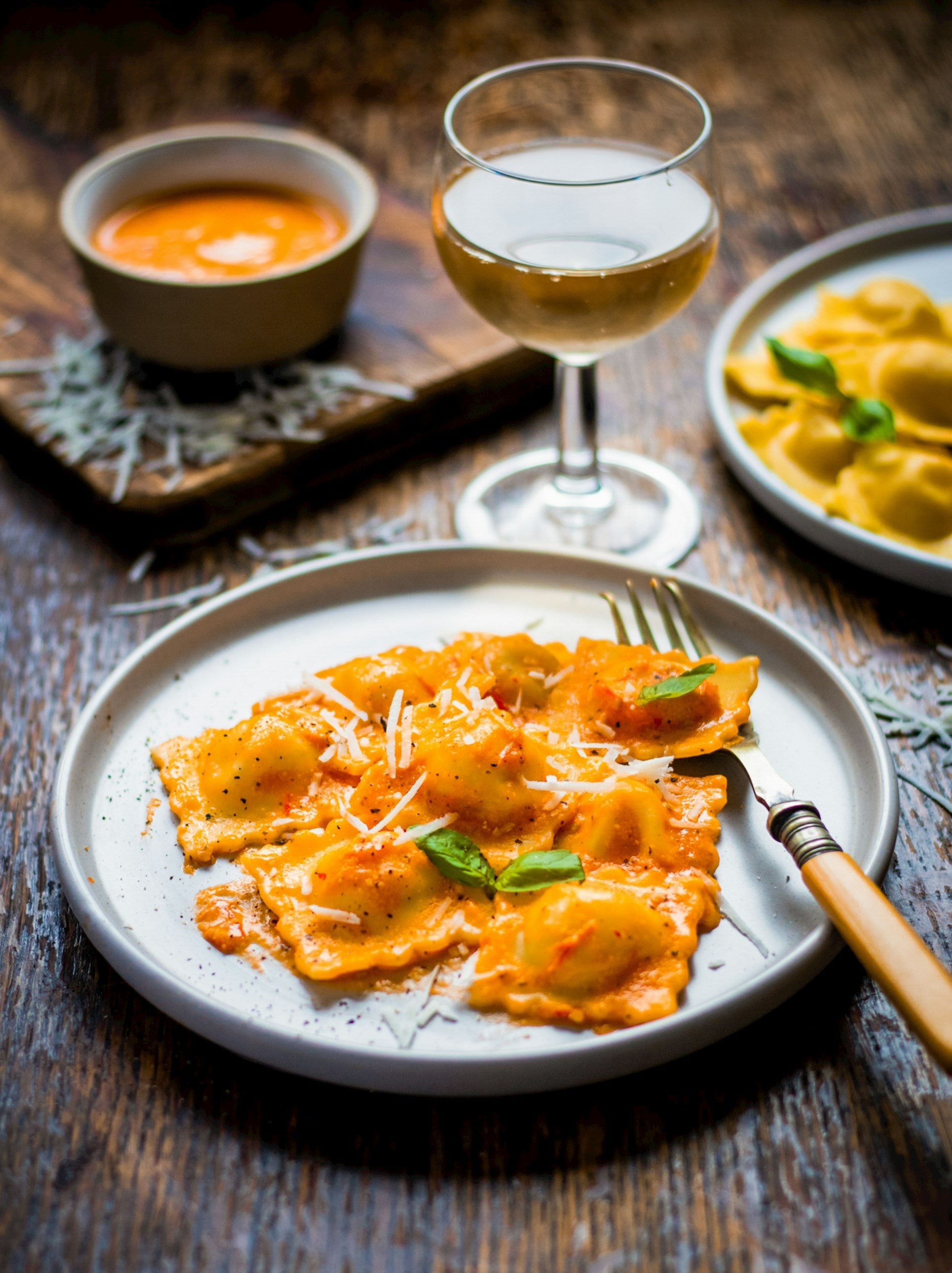
Storing Ravioli Pasta in the Fridge
Proper storage of ravioli pasta in the refrigerator can significantly impact its longevity and safety for consumption. Here's how you can ensure your pasta remains fresh and delicious.
Proper Storage Guidelines
To maintain the quality of your ravioli, it's crucial to store it correctly in the fridge. Fresh, uncooked ravioli should be placed in an airtight container or sealed plastic bag to prevent exposure to air and moisture, which can lead to spoilage. If you have cooked ravioli leftovers, make sure to cool them to room temperature before transferring them to the refrigerator to avoid raising the internal temperature of your fridge and potentially affecting other stored foods.
For detailed guidelines on how long other foods last in the fridge, explore our articles on storage duration for items like cheese sauce or cooked noodles.
Factors Affecting Shelf Life
Several factors determine how long your ravioli pasta will last in the refrigerator:
- Presence of Preservatives: Store-bought ravioli that contains preservatives will generally last longer than fresh, homemade ravioli without preservatives.
- Fillings: Ravioli with meat, cheese, or seafood fillings may spoil quicker due to the perishable nature of these ingredients.
- Temperature: The ideal fridge temperature is at or below 40°F (4°C). Temperatures above this can shorten the shelf life of your ravioli.
- Humidity: Excess moisture in the fridge can cause ravioli to become soggy and promote bacterial growth.
It's important to note that these factors can vary greatly, so always check your ravioli for signs of spoilage before consumption, and when in doubt, throw it out. If you're curious about how long different types of pasta last in the fridge, you might want to read about malloreddus pasta or cavatappi pasta.
Shelf Life of Cooked Ravioli in the Fridge
When it comes to the preservation of ravioli pasta, understanding its shelf life in refrigeration is key. Proper storage can significantly influence the duration for which your cooked ravioli stays fresh and safe to consume.
Refrigerator Storage Duration
After preparing ravioli, it should be stored in the refrigerator to maintain its quality and safety. Generally, cooked ravioli can last in the fridge for:
| Storage Condition | Expected Shelf Life |
|---|---|
| Refrigerated (within 2 hours of cooking) | 3-5 days |
| In an airtight container | 3-5 days |
| Covered with plastic wrap or aluminum foil | 3-5 days |
It's crucial to refrigerate the ravioli within two hours of cooking to prevent the growth of bacteria. To ensure the best quality, store your ravioli in an airtight container or tightly seal it with plastic wrap or aluminum foil. The consistent cold temperature of the fridge will help to slow down the proliferation of microbes and preserve the ravioli's flavor and texture.
For additional information on storing other types of food, you can explore articles such as how long does narezushi sushi last in the fridge? or how long does quinoa last in the fridge?.
Signs of Spoilage
Be vigilant for signs of spoilage before consuming stored ravioli. Indicators that your ravioli pasta may have gone bad include:
- Unpleasant odor: A sour or off smell is a clear signal that the ravioli should not be eaten.
- Mold growth: Visible mold in any form or color means the ravioli must be discarded.
- Slimy texture: If the pasta or filling has become slimy or gooey, it is no longer safe to eat.
- Tainted flavor: If you detect an unusual or sour taste upon sampling, do not consume the rest.
| Sign of Spoilage | Action Required |
|---|---|
| Unpleasant odor | Discard the ravioli |
| Mold growth | Discard the ravioli |
| Slimy texture | Discard the ravioli |
| Tainted flavor | Discard the ravioli |
Always trust your senses when evaluating whether your ravioli is still good to eat. If in doubt, it's best to err on the side of caution and throw it away. For further guidance on food safety and spoilage signs, refer to our articles on how long does cheese sauce last in the fridge? or how long does hummus last in fridge?.
Understanding the shelf life of cooked ravioli and recognizing the signs of spoilage are essential steps in ensuring that your meals are not just delicious but also safe for consumption. Always monitor the storage duration and stay alert to any changes in your refrigerated ravioli to enjoy it at its best.
Extending the Shelf Life
When it comes to preserving the freshness of ravioli pasta, proper storage techniques can significantly extend its shelf life. Whether you've prepared a homemade batch or have leftovers, these tips will help you maintain the quality of your ravioli for as long as possible.
Tips for Prolonging Freshness
To ensure your ravioli pasta remains fresh and tasty, consider the following:
- Cool Down Quickly: Allow cooked ravioli to cool to room temperature before refrigerating. This prevents condensation from forming inside the storage container, which could lead to sogginess or mold growth.
- Airtight Containers: Store your ravioli in airtight containers to protect it from air exposure, which can dry out the pasta and promote bacterial growth.
- Portion Sizes: If you have a large quantity, divide the ravioli into portion-sized containers. This way, you'll only reheat what you need, reducing the risk of contamination from multiple reheats.
- Refrigerator Temperature: Keep your fridge at or below 40°F (4°C). Consistent, cold temperatures slow down bacterial growth and help maintain the quality of your ravioli.
- Label and Date: Mark the storage date on the container to keep track of how long the ravioli has been in the fridge, ensuring you use it within the optimal time frame.
By following these guidelines, you can maximize the shelf life of your ravioli pasta. For more specific storage durations and signs of spoilage, check out our section on how long does ravioli pasta last in the fridge?.
Freezing Cooked Ravioli
Freezing is an excellent option if you want to extend the shelf life of your ravioli pasta beyond the refrigerator's capabilities. Here's how to freeze cooked ravioli effectively:
- Cool Completely: Make sure the ravioli is at room temperature to prevent ice crystals from forming during freezing.
- Single Layer: Spread the ravioli in a single layer on a baking sheet lined with parchment paper and place it in the freezer. Once frozen, you can transfer the ravioli to a container or freezer bag.
- Airtight Packaging: Use heavy-duty freezer bags or airtight containers to protect the ravioli from freezer burn.
- Portioning: Like refrigerating, it's best to freeze in portion sizes to avoid thawing more than you need at one time.
- Label and Date: Clearly label the bags or containers with the date of freezing to keep track of how long the ravioli has been stored.
By freezing your ravioli, you can enjoy them for several months. When ready to eat, you can reheat them directly from frozen, ensuring a quick and convenient meal. For guidelines on safely reheating frozen ravioli, visit our section on safe reheating practices.
Reheating Ravioli Pasta
Ensuring that your ravioli pasta retains its flavor and texture after refrigeration involves following safe reheating practices. This not only makes your meal more enjoyable but also protects you from potential foodborne illnesses.
Safe Reheating Practices
Before reheating your ravioli pasta, always check for any signs of spoilage. If you notice an off smell, change in color, or mold, it's best to discard the pasta. When you're ready to reheat, ensure that the ravioli reaches an internal temperature of 165°F to kill any bacteria that may have formed. Use a food thermometer to check the temperature accurately, and stir the pasta during the process to ensure even heating.
Always cover the ravioli when reheating in the microwave to retain moisture and prevent it from drying out. If you're using an oven or stovetop, adding a small amount of water or sauce can also help to keep the ravioli moist. For comprehensive food safety tips, especially for items stored in the fridge, you can read our article on how long does cheese sauce last in the fridge?
Best Methods for Reheating
| Method | Instructions | Duration |
|---|---|---|
| Microwave | Place ravioli in a microwave-safe dish, cover with a damp paper towel, and heat on medium power. | 1-2 minutes |
| Oven | Preheat to 350°F, place ravioli in an oven-safe dish, cover with foil, and bake. | 10-15 minutes |
| Stovetop | Warm a skillet over medium heat, add ravioli with a bit of water or sauce, and cover with a lid. | 5-7 minutes |
The microwave is the quickest method for reheating ravioli, but it may not provide the best texture. The oven method is slower but can rejuvenate the pasta closer to its original state, especially if baked with a bit of sauce. The stovetop method offers a good balance between speed and quality, allowing you to add fresh ingredients or sauces to enhance the flavor.
Remember to serve the ravioli immediately after reheating for the best taste and to avoid potential food safety issues. If you're looking for alternative reheating methods that don't involve heat, you might find our article on how long does malloreddus pasta last in the fridge? helpful, as it includes tips for enjoying cold pasta dishes.
Ravioli Pasta Recipes
When you find yourself with leftover ravioli, there's a whole world of delicious possibilities to explore. Not only can you enjoy them as they are, but you can also incorporate ravioli into a variety of dishes that might just become your new favorites.
Delicious Ways to Enjoy Leftover Ravioli
Leftover ravioli pasta doesn't have to be a repeat of last night's dinner. Here are some mouthwatering ideas to transform your leftovers into something special:
- Ravioli Lasagna: Layer your leftover ravioli with marinara sauce, ricotta, and mozzarella cheese for a twist on the classic lasagna.
- Ravioli Soup: Simmer ravioli in a flavorful broth with veggies and herbs for a comforting soup. It's a perfect way to use up any extra ravioli while keeping things light.
- Ravioli Salad: Toss chilled ravioli with fresh greens, cherry tomatoes, olives, and a vinaigrette to create a filling pasta salad that's ideal for lunches or picnics.
Creative Ravioli Dish Ideas
If you're feeling adventurous and want to step outside the box with your ravioli, consider these creative dish ideas that will tantalize your taste buds:
- Crispy Ravioli: Bread your leftover ravioli, fry it until golden brown, and serve with a side of dipping sauce. This can be a fun appetizer or snack that changes the texture and taste profile of your pasta.
- Ravioli Stir Fry: Sauté ravioli with a mix of vegetables and a savory sauce for an Italian-Asian fusion dish sure to impress.
- Ravioli Bake: Combine ravioli with cream sauce, spinach, and mushrooms, top with breadcrumbs, and bake until bubbly for a hearty casserole.
When it comes to enjoying your ravioli, the key is to be creative and think about flavors and textures that complement this versatile pasta. Whether you're in the mood for something hearty or light, there's a ravioli recipe that's sure to fit the bill.
Don't forget about food safety when it comes to leftovers. Ensure that your ravioli has been stored properly in the fridge and consult our comprehensive guide on 'how long does ravioli pasta last in the fridge?' to avoid any risks. If you're curious about the shelf life of other foods, check out our articles on how long does cheese sauce last in the fridge? or how long does hummus last in fridge? for more insights into proper food storage and safety.
Safety Precautions
When handling ravioli pasta, whether freshly made or packaged, safety precautions are paramount to ensure the health and well-being of those who will enjoy it. Paying attention to food safety guidelines can prevent foodborne illnesses and ensure that your meals are not only delicious but also safe to consume.
Food Safety Tips
To maintain the quality and safety of your ravioli pasta, consider the following tips:
- Temperature Control: Keep the ravioli pasta refrigerated at a constant temperature of 40°F (4°C) or below. This slows down the growth of bacteria.
- Hygiene: Always wash your hands before and after handling ravioli pasta. Ensure that all utensils, cutting boards, and surfaces are clean.
- Cross-Contamination: Store ravioli pasta in a sealed container to prevent cross-contamination with other foods in the fridge.
- Refrigeration Time: Don't leave ravioli pasta at room temperature for more than 2 hours, as bacteria can multiply rapidly at warmer temperatures.
- Leftovers: If you have leftovers, refrigerate them within two hours of cooking. For guidance on refrigerating other types of food, explore articles such as how long does chicken soup last in fridge?
When to Discard Ravioli Pasta
Discarding food can be disheartening, but it's necessary when it comes to compromised safety. Be vigilant for these signs that indicate your ravioli pasta should no longer be consumed:
- Odor: If the ravioli emits an off or sour smell, it's a clear sign that it has spoiled.
- Texture: Sliminess or a sticky texture is an indication of bacterial growth.
- Mold: Any visible mold growth means the ravioli pasta is unsafe for consumption.
- Time: If the ravioli pasta has been stored in the fridge for longer than the recommended duration, it's best to err on the side of caution and discard it.
| Storage | Duration | Action |
|---|---|---|
| Refrigerator (cooked) | 3-5 days | Consume or freeze |
| Refrigerator (uncooked, fresh) | 1-2 days | Consume or freeze |
| Room temperature | 2 hours | Refrigerate or discard |
If you're uncertain about the safety of your stored ravioli pasta, it's wise to follow the adage "When in doubt, throw it out." Consuming spoiled food can lead to foodborne illnesses, which are preventable with proper food handling and storage practices.
For more information on safely storing other food items in your fridge, check out our articles on how long do watermelons last in the fridge? or how long does hummus last in fridge?. Stay informed and stay safe.