Prevent it by wrapping meat airtight (vacuum sealing is best), squeezing out all air, holding the freezer steadily at 0°F (-18°C), and using meat within the recommended times.
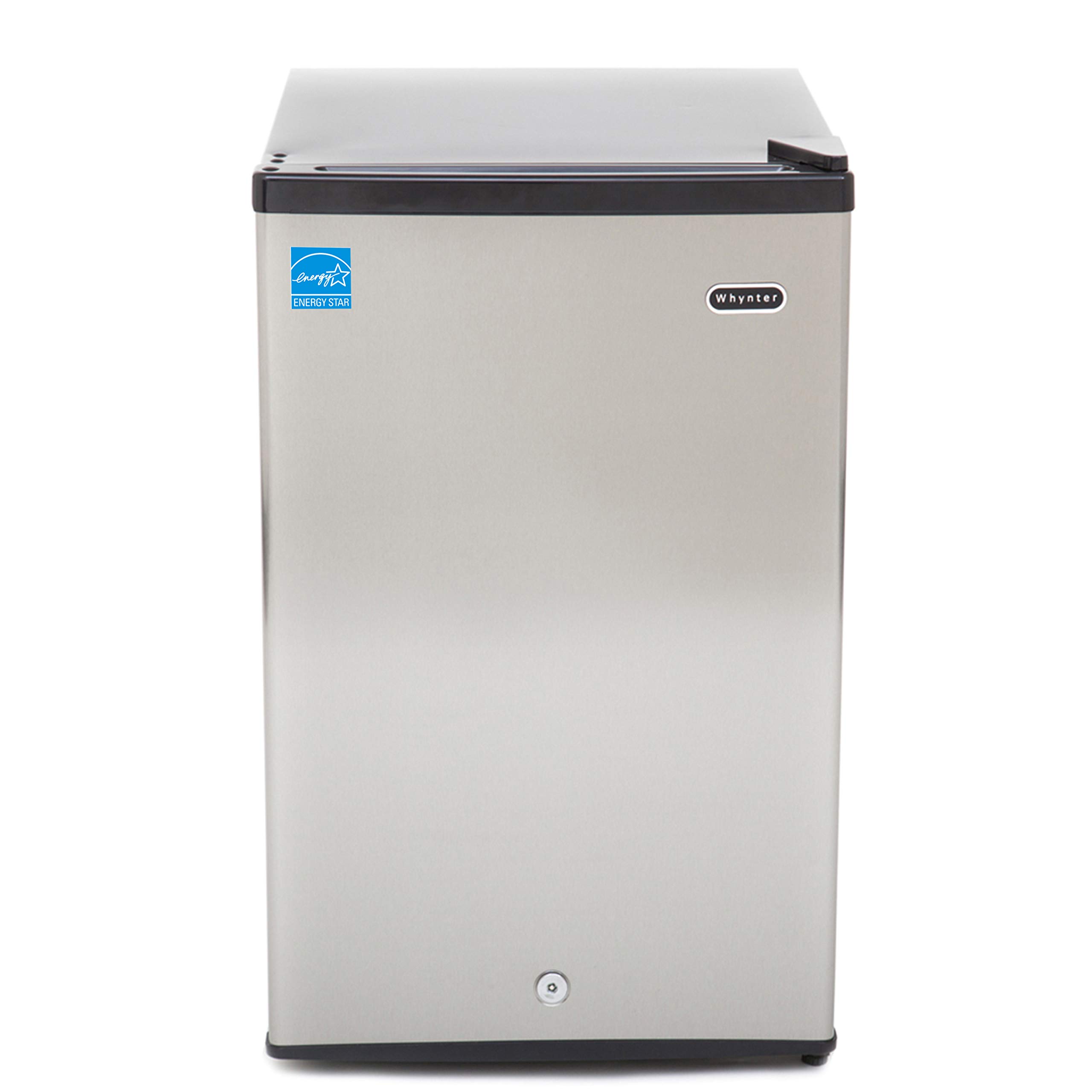
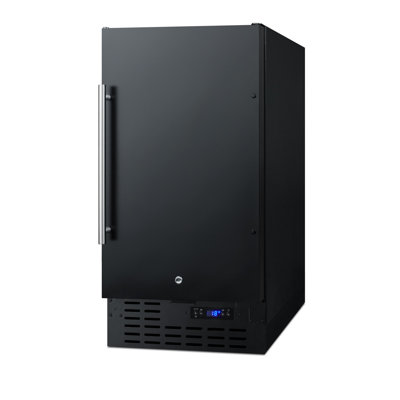
Even an integrated bar fridge used for overflow should hold this same 40°F ceiling for any meat.
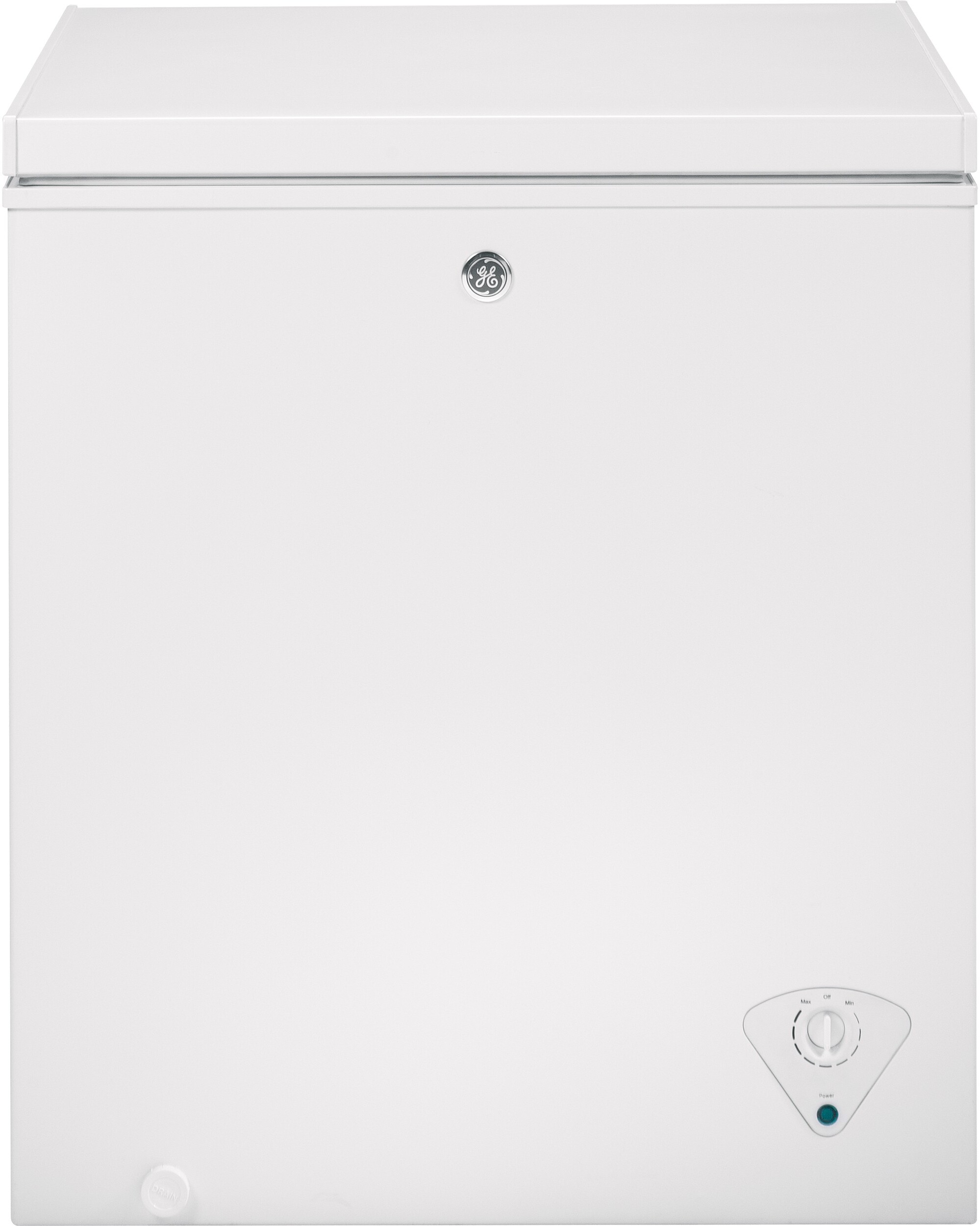
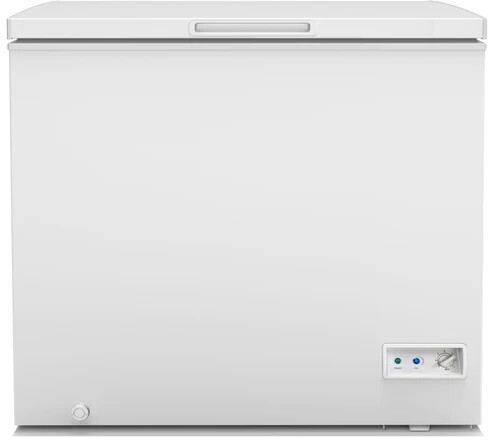
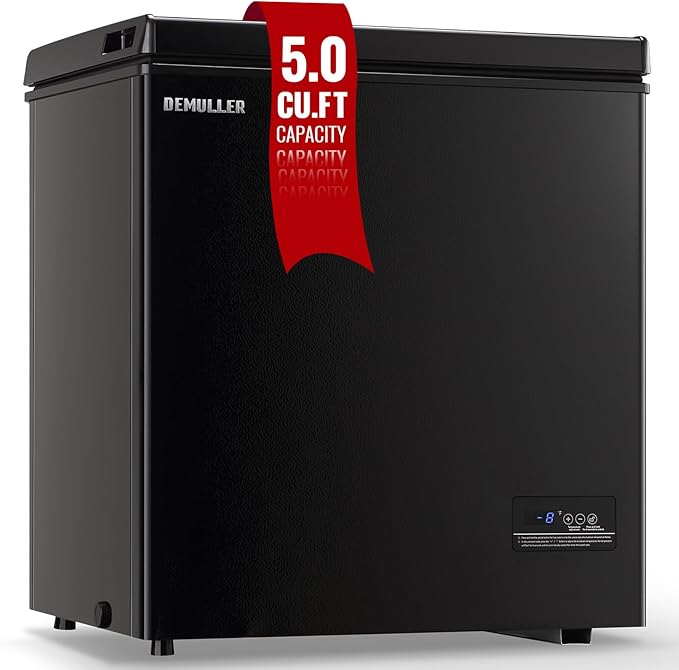
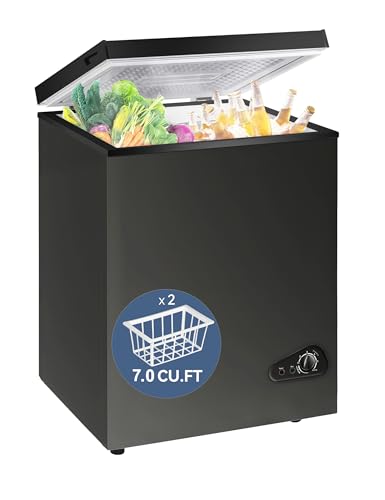
The ideal freezer temperature for meat is 0°F (-18°C) or colder — the same target for a kitchen freezer, a chest freezer or a stand-alone deep freezer.
Never thaw meat on the counter at room temperature, because the outer layers warm into the danger zone (above 40°F) while the center is still frozen.
Meat keeps in the refrigerator for just 1 to 5 days and in the freezer for anywhere from 1 month to a full year, depending on the cut and whether it is raw or cooked. Raw steaks and roasts last 3 to 5 days in the fridge and 6 to 12 months frozen; ground meat and fresh poultry hold only 1 to 2 days chilled but 3 to 4 months (or up to a year for whole birds) frozen. The two numbers that make all of this work are your appliance temperatures: keep the refrigerator at or below 40°F (4°C) and the freezer at 0°F (-18°C). This guide gives exact fridge and freezer times for beef, pork, lamb, poultry, fish, game and processed meats, plus how to package, thaw, spot freezer burn, and tell when meat has gone bad.
How Long Meat Lasts: Fridge vs. Freezer at a Glance
Use this master chart for a fast answer, then read the detailed sections below for cuts, cooked meat and safety notes. Refrigerator times assume a fridge at or below 40°F (4°C); freezer times assume a constant 0°F (-18°C) and are measured for best quality, not safety.
Meat Type
Refrigerator (≤40°F / 4°C)
Freezer (0°F / -18°C)
Ground meat (beef, pork, lamb, turkey)
1–2 days
3–4 months
Steaks (beef)
3–5 days
6–12 months
Roasts (beef)
3–5 days
4–12 months
Pork chops & roasts
3–5 days
4–6 months
Lamb chops & roasts
3–5 days
6–9 months
Whole chicken or turkey
1–2 days
1 year
Chicken or turkey pieces
1–2 days
9 months
Lean fish (cod, haddock, flounder)
1–2 days
6 months
Fatty fish (salmon, mackerel, tuna)
1–2 days
2–3 months
Shellfish (shrimp, crab, scallops)
1–2 days
3–6 months
Raw sausages
1–2 days
1–2 months
Game meats (venison, elk, bison)
1–2 days
8–12 months
Cooked meat & leftovers
3–4 days
1–4 months
One rule sits above the whole table: the 2-hour rule. Bacteria multiply fastest in the temperature "danger zone," so raw or cooked meat should never sit at room temperature for more than 2 hours. Refrigerate or cook it within that window; meat left out longer should be discarded even if it looks and smells fine.
Storage Temperatures: Fridge and Freezer
Every storage time on this page depends on hitting the right temperature. A warm fridge or a fluctuating freezer shortens shelf life dramatically and invites signs of freezer burn, so temperature is the first thing to get right — which is exactly why regular fridge and freezer temperature checks matter.
Refrigerator Temperature (40°F / 4°C or below)
Set your refrigerator at or below 40°F (4°C). Refrigeration only slows bacterial growth — it does not stop it — so even a few degrees too warm can turn a 5-day cut into a 2-day cut. Store meat on the bottom shelf, the coldest part of most fridges, where it also can't drip onto other food. Keep an appliance thermometer inside and check it regularly.
The ideal freezer temperature for meat is 0°F (-18°C) or colder — the same target for a kitchen freezer, a chest freezer or a stand-alone deep freezer. At this temperature bacterial activity and the enzymes that cause spoilage effectively stop. In fact, meat held at a constant 0°F stays safe to eat indefinitely; the month ranges throughout this article describe how long it stays at its best quality — flavor, juiciness and texture — before freezer burn and drying set in.
Raw meat in the fridge is on a short clock. Ground meat, poultry and fish spoil in a day or two, while whole cuts of beef, pork and lamb give you a few extra days. Freshness at purchase, packaging and how cold your fridge runs all move these numbers, so always check the sell-by and use-by dates and refrigerate meat as soon as you get home.
Beef, Pork, Lamb and Veal (Fridge)
Meat Type
Refrigerator Storage Time
Beef steaks and roasts
3–5 days
Ground beef
1–2 days
Pork chops, roasts and ribs
3–5 days
Ground pork
1–2 days
Lamb chops and roasts
3–5 days
Veal chops and roasts
3–5 days
Ground lamb or veal
1–2 days
Keep these cuts in their original packaging or an airtight container on the bottom shelf. For cut-specific detail, see how long can you keep beef in the fridge.
Poultry (Fridge)
Poultry Type
Refrigerator Storage Time
Whole chicken or turkey (raw)
1–2 days
Chicken or turkey pieces (raw)
1–2 days
Cooked chicken or turkey
3–4 days
Raw poultry is the most perishable meat in your fridge — store it on a plate to catch drips and cook or freeze it within two days. For more, see how long is chicken good for in the fridge?
Fish and Seafood (Fridge)
Fish / Seafood Type
Refrigerator Storage Time
Fresh fish (lean or fatty)
1–2 days
Shellfish (shrimp, crab, scallops)
1–2 days
Smoked fish
5–7 days
Fish and shellfish have the shortest fridge life of all, so buy them close to when you plan to cook. See how long can raw fish last in the fridge? for species-specific timing.
Ground Meat, Sausages and Game (Fridge)
Meat Type
Refrigerator Storage Time
Ground meat (beef, pork, turkey)
1–2 days
Raw sausages
1–2 days
Cooked sausages
3–4 days
Fresh game meat (venison, rabbit, wild boar)
1–2 days
Cooked Meat and Leftovers (Fridge)
Once cooked, most meats keep for 3 to 4 days in the refrigerator. Refrigerate leftovers within two hours of cooking, store them in shallow, airtight containers so they cool quickly, and reheat to a safe temperature before eating.
Cooked Meat Type
Refrigerator Storage Time
Cooked beef, pork or lamb
3–4 days
Cooked poultry
3–4 days
Cooked ham
3–4 days
Cooked sausages
3–4 days
If you marinate raw meat, keep it refrigerated the whole time — up to 2 days for poultry and 3 to 5 days for beef or pork — and never reuse the marinade unless you boil it first. For cooked-pork leftovers specifically, see how long can cooked pork stay in the fridge? Cooked meat also freezes well when you want it to last longer — handy for batch-cooked healthy freezer meals or make-ahead postpartum fridge meals.
Freezing is the best way to extend meat's shelf life from days to months. Beef and pork are the freezer's long-distance runners, while poultry and fish tap out sooner. The times below assume the meat was fresh when frozen, wrapped airtight and held at a steady 0°F (-18°C).
Cured and processed meats have the shortest freezer life because their salt and fat content speeds up rancidity. These time frames are approximate and assume proper packaging — see packaging meat for freezing below.
Cooked Meat (Freezer)
Cooked meat freezes well but keeps its quality for less time than raw meat. Cool it to room temperature first (so it doesn't raise the freezer's temperature), portion it into meal sizes, then wrap airtight and label with the date.
Meat Type
Fresh (Raw) Freezer Life
Cooked Freezer Life
Beef
6–12 months
2–3 months
Pork
4–6 months
1–3 months
Poultry
9–12 months
4 months
Seafood
3–6 months
1–2 months
Vacuum-Sealed Meat (Freezer)
Vacuum sealing removes nearly all the air around the meat, so it dramatically slows freezer burn and can extend freezer quality well beyond the ranges above — often 1 to 3 years for many raw and cooked cuts. Make sure the surface is dry for a clean seal, label each pouch, and store it in the coldest part of the freezer (usually the back). Learn more about using vacuum sealers for long-term storage.
Packaging Meat for Freezing
How you wrap meat is the single biggest factor in preventing freezer burn and preserving texture and flavor. Use moisture- and vapor-resistant materials made for freezing, remove as much air as possible, and portion meat to the sizes you'll actually cook so you only thaw what you need.
Packaging Method
Best For
Notes
Vacuum sealer
Long-term storage, large cuts
Removes the most air; longest protection; needs a machine
Heavy-duty freezer bags
Everyday portions
Press out all air before sealing
Plastic wrap + aluminum foil
Small or oddly shaped cuts
Double-wrap; foil adds a moisture shield
Freezer paper
Butcher-style wrapping
Coated side in; adds a moisture barrier
Rigid freezer containers
Ground meat, cooked portions
Fill to minimize headspace and air
Avoid ordinary cling film as a sole wrap — it lets air through. Whatever method you use, label each package with the meat type and the freeze date.
Proper labeling and rotation keep you from losing cuts in the back of the freezer and help you use meat while it is still at its best. Date every package before it goes in, and follow a "first in, first out" (FIFO) system.
Write the meat type, portion size and freeze date on each package with a permanent marker.
Place newly frozen meat behind older packages so the oldest gets used first.
Group like with like — poultry with poultry, beef with beef — to cut down on door-open time.
Keep a simple inventory list on the freezer door for meal planning.
Check the freezer thermometer weekly and give the freezer a clean-out about once a month.
Freezer Burn: What It Is, Whether It's Safe, and How to Prevent It
Freezer burn happens when air reaches the surface of frozen meat, drawing out moisture through dehydration and oxidation. It is not a safety problem — freezer-burned meat is still safe to eat — but it dries the surface and dulls the flavor, leaving a leathery texture and a bland or slightly off taste.
You can recognize freezer burn by these signs:
White or grayish-brown patches on the surface
Dry, leathery or tough spots
Clusters of ice crystals clinging to the meat or packaging
A bland or faintly off flavor once cooked
If the freezer burn is minor, simply trim the affected areas away before or after cooking and use the rest. If a large portion of the cut is affected, the quality may not be worth cooking. To prevent freezer burn: wrap meat tightly in freezer-safe material or vacuum seal it, press out all air before sealing, keep the freezer at a steady 0°F (-18°C), use meat within the recommended storage times, and stay on top of labeling and rotation. For more on avoiding it, browse our notes on the signs of freezer burn.
Thawing is where a lot of food-safety mistakes happen. The USDA recognizes three safe methods — in the refrigerator, in cold water, or in the microwave. Never thaw meat on the counter at room temperature, because the outer layers warm into the danger zone (above 40°F) while the center is still frozen.
Refrigerator Thawing (Safest)
Thawing in the fridge is slowest but safest, keeping meat below 40°F the whole time. Place it on a plate or in a container below other foods to catch drips.
Meat
Refrigerator Thawing Time
Ground meat
About 1 day per pound
Beef, pork or poultry
About 24 hours per 5 pounds
Small roast
2–3 days
Large roast
3–5 days
Cold Water Thawing
Faster than the fridge but needs attention: seal the meat in a leak-proof bag, submerge it in cold water, and change the water every 30 minutes so it stays cold. Cook it immediately after thawing.
Amount
Cold Water Thawing Time
1 pound
About 1 hour
3–4 pounds
2–3 hours
Microwave Thawing
The quickest option, but it can start to cook the edges, so only use it when you'll cook the meat right away. Use the defrost setting and flip the meat halfway through for even thawing.
Refreezing: Meat thawed in the refrigerator can be refrozen without cooking as long as it stayed cold and wasn't out more than two hours — though it may lose some moisture and texture. Meat thawed by the cold-water or microwave method should be cooked before it is refrozen. When in doubt, cook first, then freeze.
Cooking Frozen Meat
You can cook meat straight from frozen — it just takes roughly 50% longer than thawed meat. Start at a lower temperature to help it cook evenly, then finish hot. Break up frozen ground meat as it browns.
Meat
Extra Cooking Time (From Frozen)
Steaks
20–30% more
Chicken breasts
About 50% more
Ground meat patties
About 50% more
Fish fillets
Little to no extra time
Whatever the method, cook meat to a safe internal temperature measured with a meat thermometer: 165°F (74°C) for all poultry, and at least 145°F (63°C) with a 3-minute rest for whole cuts of beef, pork, veal and lamb (ground meats to 160°F / 71°C). Do not slow-cook meat from frozen — it lingers too long in the danger zone; thaw it first, then use the slow cooker. Reheat cooked leftovers to 165°F (74°C) before serving.
Storage times are guidelines; your eyes and nose are the final check. Discard raw or cooked meat if you notice any of these, regardless of the date:
Off odor: a sour, ammonia-like or otherwise unpleasant smell
Slimy or sticky surface: especially after the meat has been in the fridge a few days
Color changes: dull gray, green or brown tones (distinct from harmless freezer burn), or dark/black spots
Compromised packaging: torn wrap that exposed the meat to air
When in doubt, throw it out — the risk of foodborne illness isn't worth it. Practice safe handling too: wash hands and surfaces with soap and water before and after handling raw meat, use separate cutting boards for meat and produce, and keep raw meat sealed on the bottom shelf so it can't drip onto other foods.
Power Outages and Coolers
Away from a working fridge — in a cooler or during a power outage — the same rule decides safety: meat is safe only while it stays at or below 40°F (4°C). Once it has been warmer than 40°F for more than two hours, discard it, even if it still looks fine. During a power outage, keep the freezer door closed as much as possible so the cold stays trapped inside — the same habit of limiting door-open time that keeps a freezer efficient day to day. Some freezers include a temperature alarm that warns you when the interior climbs above its set point, which helps you catch an outage before your meat thaws. An appliance thermometer is the reliable way to know whether the contents are still cold enough to keep.
FAQ
Is freezer-burned meat safe to eat?
Yes. Freezer burn is moisture loss from air exposure, not spoilage, so freezer-burned meat is safe to eat. It only affects quality — the burned areas are dry and bland. Trim them off before or after cooking; if most of the cut is affected, you may prefer to discard it for taste reasons.
What is freezer burn on meat and how do you prevent it?
Freezer burn is the dehydration and oxidation that occurs when air reaches the meat's surface, showing up as grayish-brown patches and ice crystals. Prevent it by wrapping meat airtight (vacuum sealing is best), squeezing out all air, holding the freezer steadily at 0°F (-18°C), and using meat within the recommended times.
How long can meat sit out at room temperature after thawing?
No more than 2 hours. In the temperature danger zone, bacteria multiply rapidly, so thawed meat left out longer than that should be discarded even if it looks fine. Thaw in the refrigerator, in cold water, or in the microwave instead of on the counter.
How long can raw meat stay in the freezer?
It depends on the cut: raw beef steaks 6–12 months, roasts 4–12 months, pork chops and roasts 4–6 months, ground meat 3–4 months, whole poultry up to 1 year, and lean fish about 6 months. At a constant 0°F the meat stays safe indefinitely; these ranges are about best quality.
How long can beef stay in the freezer?
Raw beef steaks keep 6 to 12 months and roasts 4 to 12 months at 0°F (-18°C); ground beef is best used within 3 to 4 months, and cooked beef within 2 to 3 months. In the refrigerator, raw beef steaks and roasts last 3 to 5 days and ground beef only 1 to 2 days.
How long can pork be kept in the freezer?
Raw pork chops and roasts keep 4 to 6 months in the freezer, ground pork 3 to 4 months, bacon about 1 month, and sausages 1 to 2 months. Cooked pork keeps 1 to 3 months frozen and 3 to 4 days in the fridge.
What temperature should a deep freezer be for meat?
0°F (-18°C) or colder — the same target as any freezer. That temperature stops bacterial growth and keeps meat safe indefinitely. Use an appliance thermometer and avoid temperature swings, which cause ice crystals and freezer burn.
How long can you keep vacuum-sealed meat in the freezer?
Because vacuum sealing removes almost all air, it can extend freezer quality to roughly 1 to 3 years for many raw and cooked cuts — far longer than the 3-to-12-month ranges for standard wrapping — while greatly reducing freezer burn.
How long can frozen meat last in a cooler with ice?
There is no fixed number of hours — it depends entirely on temperature. Meat kept in a cooler is safe only while it stays at or below 40°F (4°C), so it lasts as long as the cooler holds that temperature. Once the meat has been warmer than 40°F for more than two hours, discard it — check with an appliance thermometer rather than guessing.
Can you refreeze thawed meat?
Yes, if it was thawed in the refrigerator and stayed cold — though it may lose some moisture and texture. Meat thawed in cold water or the microwave should be cooked before refreezing. Never refreeze meat that has been at room temperature for more than two hours.
Why are fridge and freezer temperature checks important?
Because a few degrees decide whether meat is safe or spoiling. A fridge above 40°F (4°C) lets bacteria multiply and shortens shelf life, while a freezer warmer than 0°F (-18°C) allows ice crystals and freezer burn. A cheap appliance thermometer, checked regularly, is the only way to know your appliance is actually holding the right temperature.
Compare prices on Fridge.com
Compare current prices and specifications on Fridge.com, then buy from the retailer you choose; delivery, installation and warranty terms are the retailer’s.
Free tool
Food Storage Calculator
Free interactive tool from Fridge.com — get a quick answer while you read.