How Long Does Kefir Last Once Opened?
Storing and Preserving Kefir
Introduction to Kefir
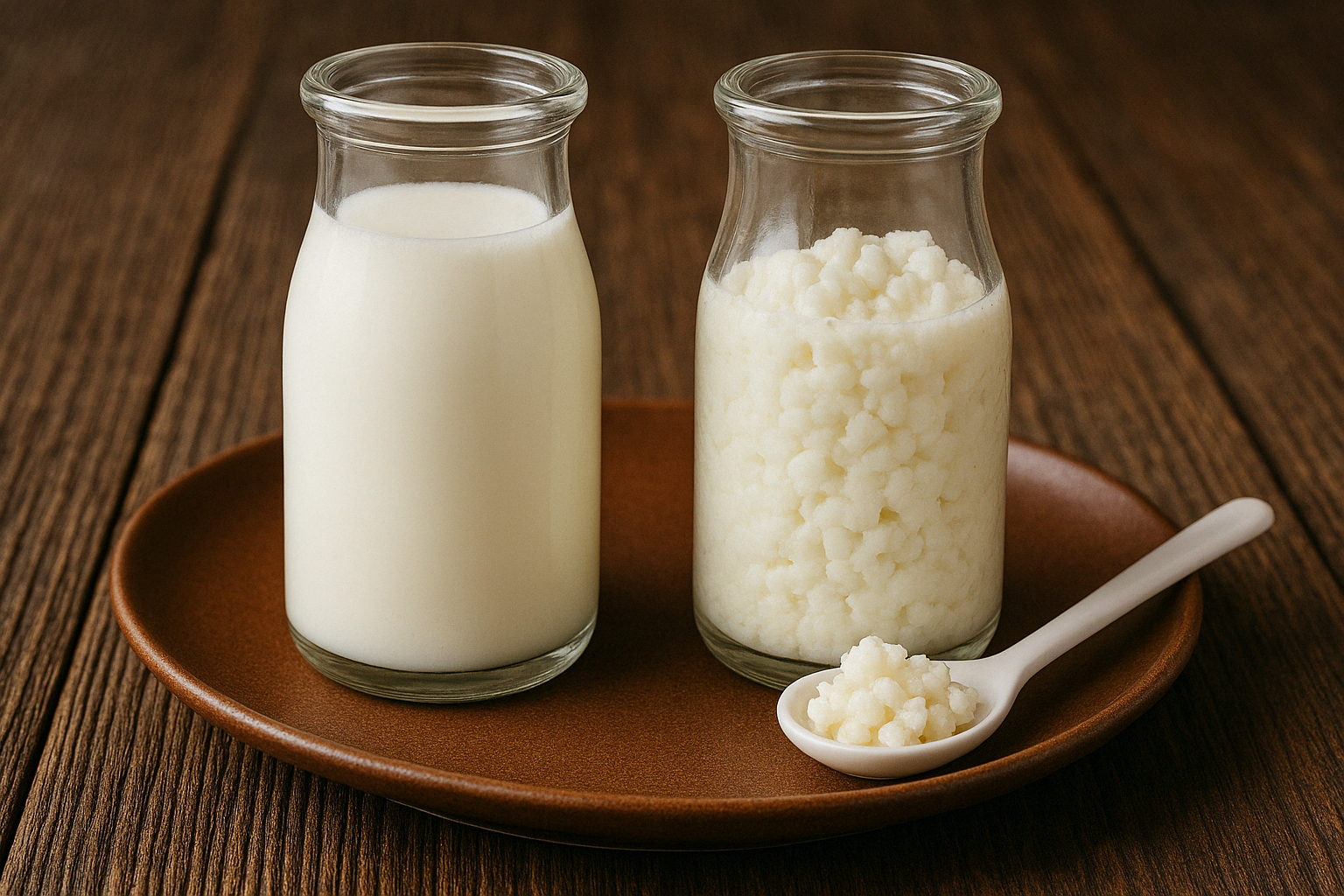
Kefir is a fermented milk beverage that has been savored for its unique tangy taste and probiotic benefits for centuries. Originating from the Caucasus Mountains, kefir is made by adding kefir grains to milk, which initiates the fermentation process. The result is a drink that is slightly effervescent, rich in beneficial bacteria, and often compared to yogurt in terms of its health advantages.
Importance of Proper Storage
For those who appreciate kefir's contribution to a healthy diet, proper storage is crucial to maintaining its freshness, flavor, and nutritional value. Understanding how to store kefir effectively is essential, particularly once the container has been opened. The longevity of kefir hinges on several factors including temperature, exposure to light, and the container's material.
Proper storage not only extends the lifespan of kefir but also ensures that the health-promoting properties of this fermented drink are preserved. This is particularly important for kefir enthusiasts who invest in high-quality products and want to enjoy them at their best. As you seek to integrate kefir into your dietary routine, it's worthwhile to become familiar with the best practices for its care, which can be as simple as knowing how long does kefir last in the fridge?
By following recommended storage guidelines, you can enjoy your kefir for as long as possible while keeping safety in mind. Whether you're storing it in your main kitchen refrigerator, a secondary cooling unit in your basement, or even considering alternative preservation methods like freezing, proper handling is key to making the most of this probiotic-rich beverage.
Shelf Life of Opened Kefir
When you open a bottle of kefir, the countdown begins. Even though kefir is a fermented product and contains beneficial bacteria and yeasts, it's still perishable and its shelf life can be influenced by various factors.
Factors Affecting Shelf Life
The longevity of opened kefir depends on several key elements:
- Temperature: Kefir should be kept refrigerated to slow down the fermentation process and prevent spoilage.
- Exposure to Air: Once opened, kefir is exposed to oxygen, which can affect its quality and safety.
- Light Exposure: Direct light can degrade the quality of kefir, so it's best stored in a dark place.
- Storage Container: The type of container can influence how long kefir lasts. Glass containers with airtight seals are preferable.
- Handling: The more you handle kefir, the more you introduce new bacteria that can affect its shelf life.
By understanding and managing these factors, you can ensure your kefir remains fresh for as long as possible.
General Guidelines for Storage
Following these general storage guidelines can help ensure that your kefir remains fresh and enjoyable:
- Keep it refrigerated: Store your kefir at or below 40°F (4°C), which is the typical temperature of a refrigerator.
- Limit air exposure: After opening, close the kefir container tightly to limit its exposure to air.
- Use a dark place: Store kefir away from light, preferably in a dark corner of your refrigerator.
- Use proper containers: If transferring kefir to a different container, ensure it's clean and has an airtight seal.
- Avoid cross-contamination: Use clean utensils when handling kefir to prevent introducing contaminants.
For more detailed information on storage and shelf life, including specifics on how long does kefir last in the fridge?, we have an in-depth guide that covers all aspects of kefir storage.
By properly storing your kefir, you can enjoy its benefits for the maximum time possible without compromising on taste or safety. Remember to always check for signs of spoilage before consumption and to follow best practices for a safe and delightful kefir experience.
Refrigerated Kefir
For those who enjoy the unique taste and probiotic benefits of kefir, understanding how to store it properly is key. Once opened, kefir's shelf life is influenced by how it is handled and stored.
Refrigerator Shelf Life
Kefir is a fermented milk drink that requires refrigeration, especially after opening. In the refrigerator, opened kefir generally lasts around one to two weeks. The following table provides a guideline for the shelf life of refrigerated kefir, assuming it is stored at a constant temperature of 40°F (4°C) or below, as recommended by the USDA.
| Storage Condition | Expected Shelf Life |
|---|---|
| Opened kefir in the fridge | 1 - 2 weeks |
To extend the freshness of your kefir, always keep it sealed tightly and store it in the back of the fridge where the temperature is coldest and most stable. For more detailed information on the shelf life of kefir, visit how long does kefir last in the fridge?
Signs of Spoilage
While kefir is known for its sour and slightly tangy flavor, there are certain indicators that can signal it has gone bad. If you notice any of the following signs, it's best to discard your kefir:
- A strong, unpleasant smell that is different from the typical kefir aroma.
- Mold or any visible changes in color.
- Overly thickened consistency or curdling that persists even after shaking the bottle.
- Off taste that is more sour than the usual tangy kefir flavor.
Observing these signs can help you determine whether your kefir is still safe to consume. If you're ever in doubt, err on the side of caution and do not consume the kefir. Spoiled kefir can lead to foodborne illness, so it's important to recognize these spoilage signs.
In addition to proper storage, using your kefir before its expiration date and incorporating it into various recipes can ensure you enjoy it at its best. If you are looking for creative ways to use kefir, consider exploring kefir-based recipes as a delicious option.
Extended Shelf Life Techniques
To ensure you enjoy kefir for as long as possible, there are a couple of techniques you can employ to extend its shelf life. Freezing kefir and incorporating it into recipes are two effective methods.
Freezing Kefir
Freezing is a viable option for extending the longevity of kefir beyond its typical refrigerated shelf life. When you freeze kefir, the live cultures enter a state of dormancy but will generally reactivate once thawed. It's important to note that while freezing may slightly alter the texture, it preserves the probiotic content.
| Storage Method | Shelf Life |
|---|---|
| Refrigeration | 2-3 weeks |
| Freezing | 1-2 months |
Here are steps to freeze kefir effectively:
- Pour the kefir into an airtight container, leaving some space at the top as kefir will expand when frozen.
- Seal the container tightly to prevent freezer burn.
- Label the container with the freezing date.
To thaw, place the frozen kefir in the refrigerator for several hours or overnight. Stir well before consuming to help restore its original consistency. For more insights on freezing similar foods, explore our guides on whether you can freeze goat milk or freeze miso paste.
Making Kefir-based Recipes
Another method to extend the life of your opened kefir is by using it as an ingredient in various recipes. Kefir can be incorporated into baked goods, dressings, and marinades, where it not only imparts flavor but also contributes its probiotic benefits. Here are some ideas to inspire you:
- Use kefir in place of buttermilk in pancakes or waffles.
- Create a tangy salad dressing by blending kefir with herbs and spices.
- Tenderize meats by using kefir as a marinade.
Not only does cooking with kefir use up a product that might otherwise go to waste, but it also diversifies your diet with probiotic-rich foods. For recipe inspiration, you can check out our articles on refrigerator pickle recipe or how long does homemade ranch dressing last in the fridge?.
By employing these techniques, you can maximize your kefir's shelf life and enjoy its benefits for longer. Whether you choose to freeze it for future use or incorporate it into delicious dishes, you're making the most out of this nutritious product. Remember to always check for signs of spoilage and consume your kefir responsibly.
Proper Handling of Kefir
Proper handling of kefir is essential not only to extend its shelf life but also to maintain its probiotic benefits and flavor. In this section, you will learn some tips for prolonging the freshness of your kefir and the best practices for selecting storage containers.
Tips for Prolonging Freshness
To ensure that your kefir remains fresh and beneficial for as long as possible after opening, follow these guidelines:
- Always keep kefir refrigerated. The cool temperature slows down the fermentation process, which can otherwise alter the taste and consistency of the kefir.
- Seal the kefir container tightly after each use. Exposure to air can introduce contaminants and affect the quality.
- Use clean utensils when serving or handling kefir to prevent the introduction of bacteria that could spoil the kefir.
- Do not drink directly from the kefir container as this can introduce bacteria from your mouth into the kefir.
- Consume kefir within the recommended time frame. For information on how long kefir remains fresh in your refrigerator, refer to our article on how long does kefir last in the fridge?
Following these tips can help maximize the freshness and health benefits of kefir.
Best Practices for Storage Containers
The container you choose to store kefir in can also influence its longevity. Consider these best practices when selecting a storage container for your kefir:
- Opt for airtight containers to maintain freshness and prevent contamination.
- Glass containers are preferred as they do not absorb flavors and are easy to clean.
- If using plastic containers, ensure they are BPA-free and designated food safe to avoid chemical leaching.
- Avoid containers with cracks or scratches where bacteria can grow.
- Ensure the container is thoroughly cleaned and dried before transferring kefir into it.
By following these storage container best practices and handling tips, you can enjoy your kefir with confidence, knowing that you are doing your best to preserve its quality and healthful properties. Remember, proper storage is key whether you're a foodie with a passion for fermented products or a homeowner looking to maximize the benefits of your fridge space.
Using Expired Kefir
Risks of Consuming Expired Kefir
When it comes to consuming dairy products like kefir, it's crucial to be aware of the risks associated with consuming them past their expiration date. Expired kefir can harbor harmful bacteria that may lead to foodborne illnesses. Symptoms can include stomach discomfort, nausea, vomiting, and diarrhea. While fermented products like kefir contain beneficial bacteria, when they over-ferment or spoil, they can produce an imbalance that is not conducive to your health. It's important to recognize the signs of spoilage before consumption.
If you notice any off-putting smells, changes in texture, or a sour taste that is stronger than usual, it's best to err on the side of caution and dispose of the product. For guidance on how long kefir is good for once opened, you can refer to our article on how long does kefir last in the fridge?.
Alternative Uses for Expired Kefir
Although expired kefir should not be consumed, you don't necessarily have to waste it. There are several alternative uses for kefir that has passed its prime. Here are a few suggestions:
- Gardening: Kefir can serve as a nutritious fertilizer for plants. Its acidic nature can help to balance pH levels in the soil.
- Skincare: The lactic acid in kefir makes it a potentially beneficial ingredient for homemade skincare products, such as face masks, helping to exfoliate and hydrate the skin.
- Pet Care: Some pet owners find that slightly sour kefir can be a tasty probiotic treat for pets, but it's important to first check with a veterinarian.
- Cleaning Agent: The acidic properties of kefir may assist in cleaning tasks around the home, such as removing soap scum or polishing stainless steel.
If you are interested in utilizing kefir in culinary applications, consider looking into how to make refrigerator pickles? or exploring recipes for dressings where a tangy flavor is desired, akin to how long does salad dressing last in the fridge?.
When dealing with any food product, safety should always come first. Therefore, while these alternative uses can help you get more out of your expired kefir, always ensure that it's not exhibiting signs of severe spoilage before repurposing it.
Storing and Preserving Kefir
Introduction to Kefir
Kefir is a fermented milk drink with a tangy flavor, similar to yogurt but with a thinner consistency. This probiotic-rich beverage is known for its health benefits, including gut health and immunity support.
Importance of Proper Storage
To maximize these health benefits and maintain the quality of kefir, proper storage is crucial. You want to ensure that your kefir stays fresh for as long as possible while preventing contamination and spoilage.
Shelf Life of Opened Kefir
Factors Affecting Shelf Life
The longevity of kefir once opened depends on factors like the temperature of storage, the original quality of the product, and how it's handled after opening.
General Guidelines for Storage
Generally, opened kefir should be stored in the refrigerator at or below 40°F (4°C). When stored properly, it can last for up to a week past the sell-by date, although it’s best to consume it within the first few days for optimal freshness.
Refrigerated Kefir
Refrigerator Shelf Life
When kept refrigerated, kefir maintains its best quality for about 14-21 days after opening. Always check the packaging for manufacturer's recommendations.
| Storage Condition | Estimated Shelf Life |
|---|---|
| Refrigerated (Opened) | 14-21 days |
| Unopened | Check sell-by date |
Signs of Spoilage
Signs that kefir has gone bad include an off smell, change in texture, or any visible mold. If you notice any of these signs, it’s best to discard the kefir.
Extended Shelf Life Techniques
Freezing Kefir
Freezing kefir can extend its shelf life for up to 1-2 months. However, the texture may change upon thawing. For tips on freezing, see our article on can you freeze kefir?.
Making Kefir-based Recipes
Transforming kefir into recipes like smoothies, dressings, or baked goods is a great way to use it up before it spoils. For inspiration, visit our refrigerator pickle recipe.
Proper Handling of Kefir
Tips for Prolonging Freshness
To keep kefir fresh longer, always use clean utensils when serving, and close the container tightly after use.
Best Practices for Storage Containers
Store kefir in its original container or a clean, airtight container to protect it from absorbing odors and flavors from other foods.
Using Expired Kefir
Risks of Consuming Expired Kefir
While slightly sour kefir may still be safe to consume, drinking kefir that has clearly spoiled can pose health risks and should be avoided.
Alternative Uses for Expired Kefir
If your kefir has passed its peak but isn't spoiled, consider using it for non-culinary purposes such as a skin-soothing face mask or for gardening as a natural fertilizer.