The Science of Freezing Water
Getting a grip on how water turns into ice can help you tweak your fridge and freezer settings like a pro. The time it takes for water to freeze isn't set in stone; it's influenced by a bunch of things.
Understanding the Freezing Process
When you chill water down to its freezing point, the molecules slow their roll and start lining up to form ice. This usually happens at 32°F (0°C) if the air pressure is normal. But, the time it takes for water to become ice can change depending on a few things.
Here's a quick look at how freezing works:
- Cooling Phase: Water cools to 32°F (0°C).
- Freezing Phase: Molecules start to stick together, forming ice crystals.
- Solidification: Water completely turns into ice.
Factors Affecting Freezing Time
A few things can mess with how fast water freezes. Here's what to keep an eye on:
| Factor | Description |
|---|---|
| Temperature | The colder the freezer, the quicker the freeze. Most home freezers chill at 0°F (-18°C). |
| Volume of Water | Less water means faster freezing. Ice cubes beat a big bowl of water any day. |
| Container Material | What you use matters. Metal containers are champs at conducting heat, so they freeze stuff faster than plastic ones. |
| Air Circulation | Good airflow keeps the temperature steady, speeding up freezing. |
| Initial Water Temperature | Starting with colder water means it’ll freeze faster than if it’s room temp. |
Knowing these tricks can help you freeze stuff more efficiently. Try using smaller containers or double-checking your freezer's temperature for quicker results. Curious about how long it takes for different things to freeze? Check out our article on how long does it take water to freeze?.
Freezing Water in Different Settings
Ever wondered how long it takes for water to turn into ice? Well, it depends on where you're freezing it. Let's chat about two usual suspects: your home freezer and the trusty ice cube tray.
Freezing Water in a Home Freezer
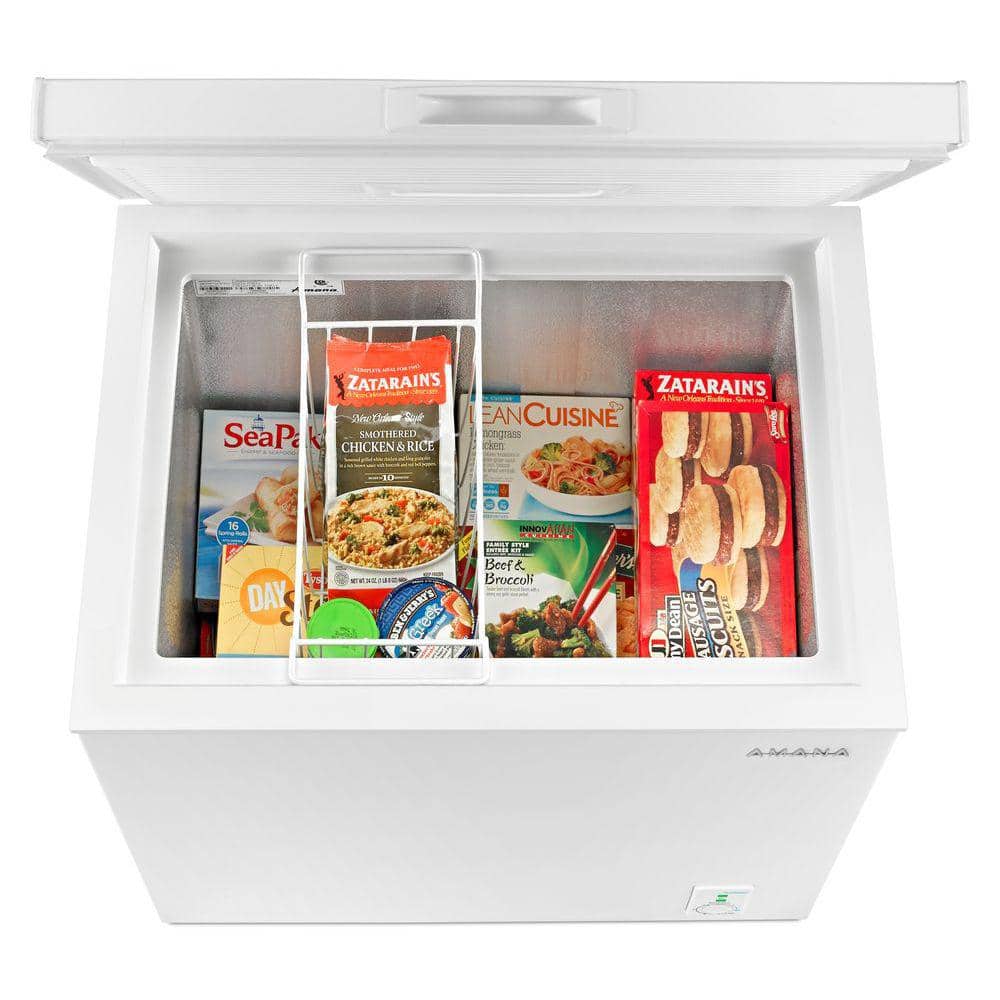
Pop some water in your home freezer, and you're looking at about 3 to 4 hours for it to freeze solid. But, hold up—this isn't set in stone. The time can change based on how cold your freezer is and how much water you're trying to freeze.
| Freezer Temperature | Average Freezing Time |
|---|---|
| 0°F (-18°C) | 3 - 4 hours |
| 10°F (-12°C) | 4 - 5 hours |
| 20°F (-6°C) | 5 - 6 hours |
Want to speed things up? Crank your freezer to the right chill. Curious about picking the perfect freezer? Check out our article on shop upright freezers.
Freezing Water in an Ice Cube Tray
Making ice at home? Ice cube trays are your go-to. Usually, it takes about 2 to 3 hours for water to freeze in these trays, but it can vary with cube size and freezer temp.
| Ice Cube Size | Average Freezing Time |
|---|---|
| Standard (1 oz) | 2 - 3 hours |
| Large (2 oz) | 3 - 4 hours |
| Extra Large (3 oz) | 4 - 5 hours |
Using a shallow tray can help speed up the freezing process, as it allows for more surface area exposure to the cold air. For tips on freezing fruit or other items, check out our article on freezing fruit salad for a refreshing morning treat.
By understanding these different settings, you can better plan your freezing needs and enjoy perfectly frozen water or ice cubes whenever you need them.
Time Taken for Water to Freeze
Ever wondered how long it takes for water to turn into ice? Knowing this can help you plan your ice-making adventures like a pro. The time it takes can change depending on a few things, like where you’re freezing it and how you’re doing it.
Average Freezing Time for Water
Usually, water needs about 3 to 4 hours to freeze in your typical home freezer. But, this can vary based on a few factors. Check out this handy table for a quick look at how long different amounts of water take to freeze.
| Volume of Water | Average Freezing Time |
|---|---|
| 1 cup (8 oz) | 1.5 - 2 hours |
| 1 quart (32 oz) | 3 - 4 hours |
| 1 gallon (128 oz) | 6 - 8 hours |
Variables Impacting Freezing Time
A bunch of things can mess with how fast water freezes. Here’s what you should keep an eye on:
- Temperature of the Freezer: The colder it is, the quicker the freeze. Most home freezers chill at about 0°F (-18°C).
- Container Material: Metal containers are like speed demons for freezing compared to plastic ones.
- Surface Area: More surface area means faster freezing. Ice cube trays beat big containers any day.
- Initial Water Temperature: Starting with colder water? You’re ahead of the game—it’ll freeze faster.
- Additives: Toss in some salt, and you’ll change the game. It lowers the freezing point, so the time changes too.
Keep these tips in mind, and you’ll be the ice-making champ. Want more cool tips? Check out our article on freezing fruit salad for a refreshing morning treat.
Quick Freezing Tips
Need ice pronto? Whether you're gearing up for a shindig or just want a cold drink, freezing water fast is a nifty trick. Here’s how to speed up the process and dodge common blunders.
Tips for Faster Freezing
-
Use Smaller Containers: Smaller bits of water freeze quicker. Grab those ice cube trays or tiny containers to get the job done faster.
-
Increase Surface Area: Pour water into a shallow dish instead of a deep one. More surface area means quicker freezing.
-
Pre-chill Your Water: Start with cold water from the fridge. It’ll freeze faster than water at room temp.
-
Use Salt: A pinch of salt can lower water's freezing point, helping it freeze faster under certain conditions.
-
Keep the Freezer Door Closed: Resist the urge to peek. Every time you open the door, warm air sneaks in and slows things down.
| Tip | Effectiveness |
|---|---|
| Use Smaller Containers | High |
| Increase Surface Area | High |
| Pre-chill Your Water | Medium |
| Use Salt | Low to Medium |
| Keep the Freezer Door Closed | High |
Avoiding Common Freezing Mistakes
-
Don’t Overfill Containers: Water expands when it freezes. Overfilling leads to spills and a messy freezer.
-
Avoid Hot Water: Hot water doesn’t freeze faster than cold. Stick with cold or room temp water for best results.
-
Don’t Block Airflow: Make sure your containers aren’t blocking the freezer’s airflow. Good airflow keeps the temperature steady.
-
Avoid Frequent Temperature Changes: Opening the freezer a lot causes temperature swings, slowing down freezing.
-
Don’t Use Metal Containers: Metal might conduct heat well, but it can freeze unevenly. Use plastic or silicone for better results.
Follow these tips, and you’ll have ice or frozen water in a jiffy. Curious about how long it usually takes for water to freeze? Check out our article on how long does it take water to freeze?.
Fun Experiments with Freezing Water
Playing around with freezing water can be a blast and a learning experience all rolled into one. Let's dive into some cool ways to mess around with ice and see what happens when water turns into solid magic.
Creative Ways to Freeze Water
Get ready to have some fun with these quirky ice experiments. Here's a list to kick off your icy adventures:
| Experiment | Description |
|---|---|
| Colored Ice Cubes | Mix a splash of food coloring into water before freezing to make colorful ice cubes. Toss them in your drinks for a splash of fun. |
| Ice Sculptures | Pour water into containers of all shapes and sizes, freeze, then pop out the ice to craft your own frosty masterpieces. |
| Ice Balloons | Fill up balloons with water, freeze them, then peel off the balloon to reveal a stunning ice globe. |
| Frozen Bubbles | On a chilly day, blow bubbles and watch them freeze in mid-air, creating mesmerizing icy designs. |
These activities not only look awesome but also give you a peek into the science of freezing water and the cool shapes it can take.
Exploring Ice Formation
Getting the scoop on how ice forms can make you appreciate this chilly process even more. Here's what you need to know:
- Crystallization: When water turns to ice, it forms a neat crystal pattern. The temperature and how clean the water is can change the size and look of these crystals.
- Temperature Impact: Water usually freezes at 32°F (0°C), but things like pressure and impurities can tweak this a bit.
- Air Bubbles: As water freezes, air can get trapped inside, making bubbles in the ice. This can lead to some pretty cool designs and textures.
- Layering: Freeze water in stages (add more water after each layer freezes) to create stunning, layered ice blocks.
If you're curious about how long it takes for water to freeze under different conditions, diving into these details can make your experiments even more fun. Understanding these tidbits can really amp up your icy adventures.