How Long Do Pickled Onions Last In The Fridge?
Understanding Pickled Onions
Pickled onions are a culinary delight that combines the pungent taste of onions with the tangy flavor of vinegar-based brine. They serve as a condiment or garnish that can add zest to various dishes.
What Are Pickled Onions?
Pickled onions are small, flavorful onions that have been preserved through pickling. This process involves immersing the onions in a solution of vinegar, water, salt, and often sugar, along with a variety of spices and herbs for added flavor. The result is a crunchy, tangy vegetable that can be used in a multitude of dishes or enjoyed on its own.
Benefits of Pickling Onions
Pickling not only extends the shelf life of onions but also enhances their flavor and nutritional profile. The acidic environment of the pickling solution can prevent the growth of harmful bacteria, making pickled onions a safe and long-lasting food item for your fridge or pantry.
The process of pickling onions can also infuse them with additional nutrients from the spices and herbs used in the brine, such as antioxidants found in garlic or dill. Moreover, the vinegar in the brine may offer health benefits, such as improved digestion and blood sugar control.
For those interested in making their own pickled onions, consider reading our guide on how to make refrigerator pickles, which provides step-by-step instructions and tips for creating delicious pickled vegetables at home.
Understanding the benefits and preparation of pickled onions can help you appreciate their role in your diet and how they can enhance your culinary creations. Whether you're a seasoned foodie or new to the world of pickling, pickled onions offer a versatile and flavorful addition to your repertoire.
Storing Pickled Onions
Proper storage of pickled onions is essential to maintain their flavor, crunch, and safety for consumption. Whether you're a seasoned chef or a home cook, understanding how to store these tangy treats will ensure you can enjoy them to their fullest.
Refrigerating Pickled Onions
Refrigerating pickled onions is the most effective method to keep them fresh and safe to eat. Once you've opened a jar of pickled onions, it's important to keep it in the refrigerator to slow down the fermentation process and prevent spoilage. When storing, ensure that the onions are fully submerged in the pickling brine, as this acidic environment is key to preserving them.
For those who are interested in making their own pickled onions, refrigeration plays a critical role in the pickling process. After preparing your onions using a refrigerator pickle recipe, you should place them in the fridge to develop their flavors.
Shelf Life of Pickled Onions
The shelf life of pickled onions in the fridge can vary depending on several factors, including the ingredients used, the method of pickling, and how well the onions are sealed in their container.
Typically, commercially prepared pickled onions can last for several months in the refrigerator. Homemade pickled onions, when stored properly, can last for about 2 to 3 months, but it's recommended to consume them within a month for the best taste and texture.
| Storage Condition | Expected Shelf Life |
|---|---|
| Unopened (Commercial) | 1-2 years (pantry), Indefinitely (fridge) |
| Opened (Commercial) | 3-6 months (fridge) |
| Homemade | 2-3 months (fridge) |
It's crucial to always check for signs of spoilage before consuming pickled onions, even if they have been refrigerated correctly. For more information on the longevity of similar preserved foods, take a look at how long do pickles last in the fridge? or how long does sauerkraut last in the refrigerator?.
Remember, while refrigeration is important, it's equally vital to start with high-quality ingredients and use proper pickling techniques to ensure the best shelf life for your pickled onions.
Factors Affecting Shelf Life
When pondering 'how long do pickled onions last in the fridge?', consider several factors that can influence their longevity. The quality of the ingredients used and the methods of preparation play pivotal roles in determining the shelf life of your pickled onions.
Quality of Ingredients
Freshness and quality of the onions before pickling are crucial. Onions that are fresh, firm, and free from bruises will contribute to a longer-lasting pickle. Similarly, the vinegar's acidity level, the type of salt used, and any additional spices should be of high quality to ensure both safety and flavor.
| Ingredient | Recommended Quality |
|---|---|
| Onions | Fresh, firm, unblemished |
| Vinegar | High acidity (5% or more) |
| Salt | Non-iodized, pure |
Using subpar ingredients can not only shorten the shelf life but also affect taste and texture. Explore how to select the best produce for pickling in our guide on how to make refrigerator pickles?
Preparation Methods
The preparation method directly impacts the shelf life of pickled onions. Sterilization of jars, proper sealing, and adherence to pickling recipes ensure a longer shelf life. Deviations from recommended pickling practices, such as incorrect vinegar-to-water ratios or inadequate sealing, can lead to a shorter shelf life and potential spoilage.
| Preparation Step | Importance |
|---|---|
| Sterilization | Eliminates bacteria that could spoil the pickles |
| Sealing | Prevents air from entering and encourages a proper seal |
| Recipe Adherence | Ensures the correct acidity for preservation |
For those curious about the longevity of other preserved goods, consider reading about how long does sauerkraut last in the refrigerator? or how long do pickles last in the fridge?
By understanding the factors that affect the shelf life of pickled onions, you can take steps to maximize their freshness and enjoy them for as long as possible. Always remember that high-quality ingredients and careful preparation are your best allies in preserving the delightful tang of pickled onions.
Signs of Spoilage
How to Tell If Pickled Onions Have Gone Bad
Pickled onions are a popular condiment that can add a punch of flavor to various dishes. However, like all preserved foods, they have a finite shelf life, even when stored in the fridge. Here are some telltale signs that your pickled onions might have passed their prime:
- Off-smell: Fresh pickled onions have a tangy, vinegary smell. An unpleasant, sour, or foul odor can indicate spoilage.
- Change in color: While some color change over time is normal, significant darkening or discoloration could signify that the pickled onions are no longer good.
- Mold growth: Visible mold growth on the surface of the pickling liquid or on the onions themselves is a clear sign of spoilage.
- Texture changes: If the onions become excessively soft or mushy, they may have deteriorated in quality.
- Bubbles in the jar: Excessive bubbling in the jar (not caused by recent shaking) can indicate unwanted fermentation processes.
If you observe any of these signs, it is best to err on the side of caution and dispose of the pickled onions. To learn more about how to prepare pickles that last, refer to our guide on how to make refrigerator pickles?
Safety Precautions
When handling and storing food, safety should always be your top priority. Here are some steps you can take to ensure that your pickled onions and other preserved foods remain safe to eat:
- Always use clean utensils when removing pickled onions from the jar to prevent contamination.
- Seal your jars properly after each use to keep out air and potential contaminants.
- Monitor the storage temperature, as fluctuations can affect the longevity and safety of pickled foods.
- Do not consume pickled onions if you have any doubts about their quality or safety.
For a more in-depth understanding of the shelf life of similar preserved foods and additional safety tips, explore articles such as how long does sauerkraut last in the refrigerator? and how long do pickles last in the fridge?
By being vigilant and following these guidelines, you can fully enjoy your pickled onions and other refrigerated foods without compromising on safety.
Extending the Shelf Life
Properly storing and handling pickled onions can significantly extend their shelf life. By following the best practices for storage and repackaging, you can enjoy your pickled onions for the longest time possible.
Proper Storage Tips
To ensure that your pickled onions remain fresh and flavorful for as long as possible, consider the following storage tips:
- Keep them refrigerated: After opening, pickled onions should be kept in the refrigerator at a consistent temperature. A cool environment slows down the fermentation process and preserves the onions' texture and taste.
- Use airtight containers: Store your pickled onions in an airtight container to prevent the introduction of bacteria and other contaminants. This also helps to keep the smell of onions from permeating other foods in your fridge.
- Keep them submerged: Ensure that the onions are fully submerged in the pickling solution. If necessary, add extra vinegar solution to cover the onions completely.
- Avoid cross-contamination: Use clean utensils when handling pickled onions to avoid introducing bacteria into the jar. This is particularly important if you're reaching into the jar multiple times.
By following these storage tips, you can help maintain the quality of your pickled onions. For more information on the shelf life of similar food items, explore our comprehensive guides on how long do pickles last in the fridge? and how long does sauerkraut last in the refrigerator?.
Repackaging Pickled Onions
If you find that your original packaging isn't optimal for long-term storage, repackaging can be a good solution. Here's how to repackage your pickled onions effectively:
- Choose the right containers: Glass jars with tight-sealing lids are ideal for storing pickled onions. They don't absorb odors and are easy to sterilize.
- Sterilize your containers: Before transferring the pickled onions, ensure that the new containers are properly sterilized to eliminate any potential contaminants.
- Transfer carefully: When transferring the onions to a new container, use clean utensils and try to avoid touching the onions with your hands.
- Seal tightly: Once the onions are in the new container, make sure the lid is sealed tightly. This will help prevent the entry of air, which can lead to spoilage.
Repackaging your pickled onions in airtight, sterile containers can greatly extend their shelf life, keeping them delicious and safe to eat for longer periods. If you're interested in learning more about preserving foods, you might find our articles on can you freeze sauerkraut? and does kimchi need to be refrigerated? helpful.
Using Pickled Onions
Pickled onions are a versatile ingredient that can add a burst of flavor and crunch to a variety of dishes. Their tangy taste complements many culinary styles and can be used in numerous ways.
Culinary Uses
The sharp, sweet, and sour flavor profile of pickled onions makes them an excellent addition to many dishes. You can use them to enhance the taste of:
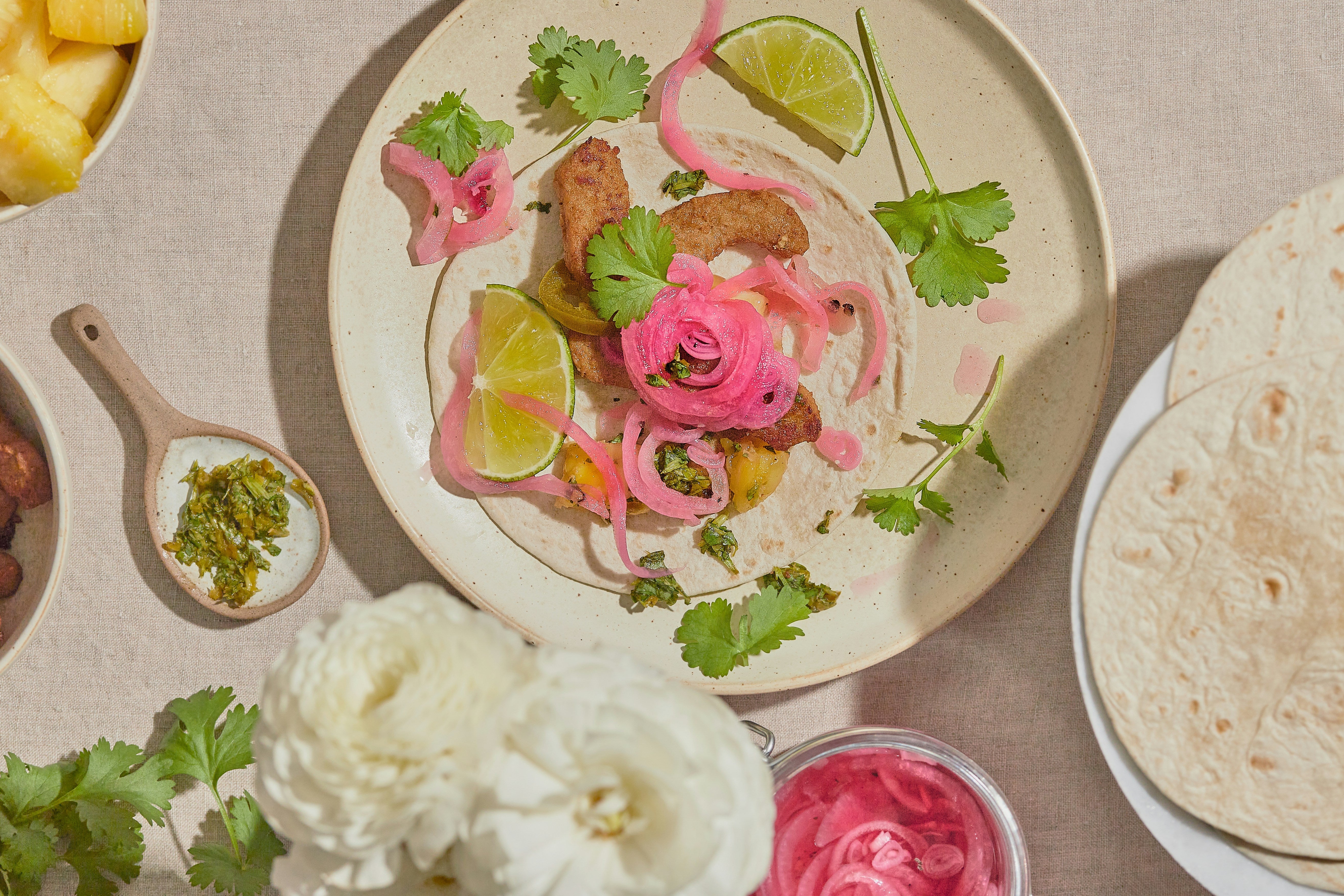
- Tacos and fajitas, providing a zesty kick
- Salads, adding both flavor and texture
- Sandwiches and burgers, for an extra tang
- Cheese platters, as a perfect acidic counterpart
- Grilled meats, offering a refreshing contrast
Beyond these classic uses, pickled onions can serve as a garnish for soups or stews, providing a surprising twist to traditional recipes.
Creative Recipes and Ideas
For those looking to get creative in the kitchen, here are some innovative ideas for incorporating pickled onions into your meals:
- Pickled Onion Bruschetta: Top toasted bread with a mixture of pickled onions, tomatoes, basil, and a drizzle of balsamic glaze for a quick appetizer.
- Pickled Onion Potato Salad: Mix pickled onions into your potato salad recipe to give it an unexpected pop of flavor.
- Pickled Onion Hummus: Blend pickled onions into your homemade hummus for a tangy twist on the classic dip.
- Pickled Onion and Goat Cheese Pizza: Use pickled onions as a topping on your next homemade pizza, paired with goat cheese and arugula.
For those interested in making their own pickled onions, you can find a simple refrigerator pickle recipe that will guide you through the process. Once you've mastered the basic recipe, feel free to experiment with different spices and herbs to create a custom blend that suits your palate.
As you explore the various ways to enjoy pickled onions, keep in mind the importance of proper storage to ensure they remain fresh and safe to eat. Refer to our article on how long do pickled onions last in the fridge? for tips on maximizing their shelf life. Whether you're a home chef or just someone who enjoys the convenience and taste of pickled onions, there's no shortage of creative ways to incorporate this tangy condiment into your culinary repertoire.