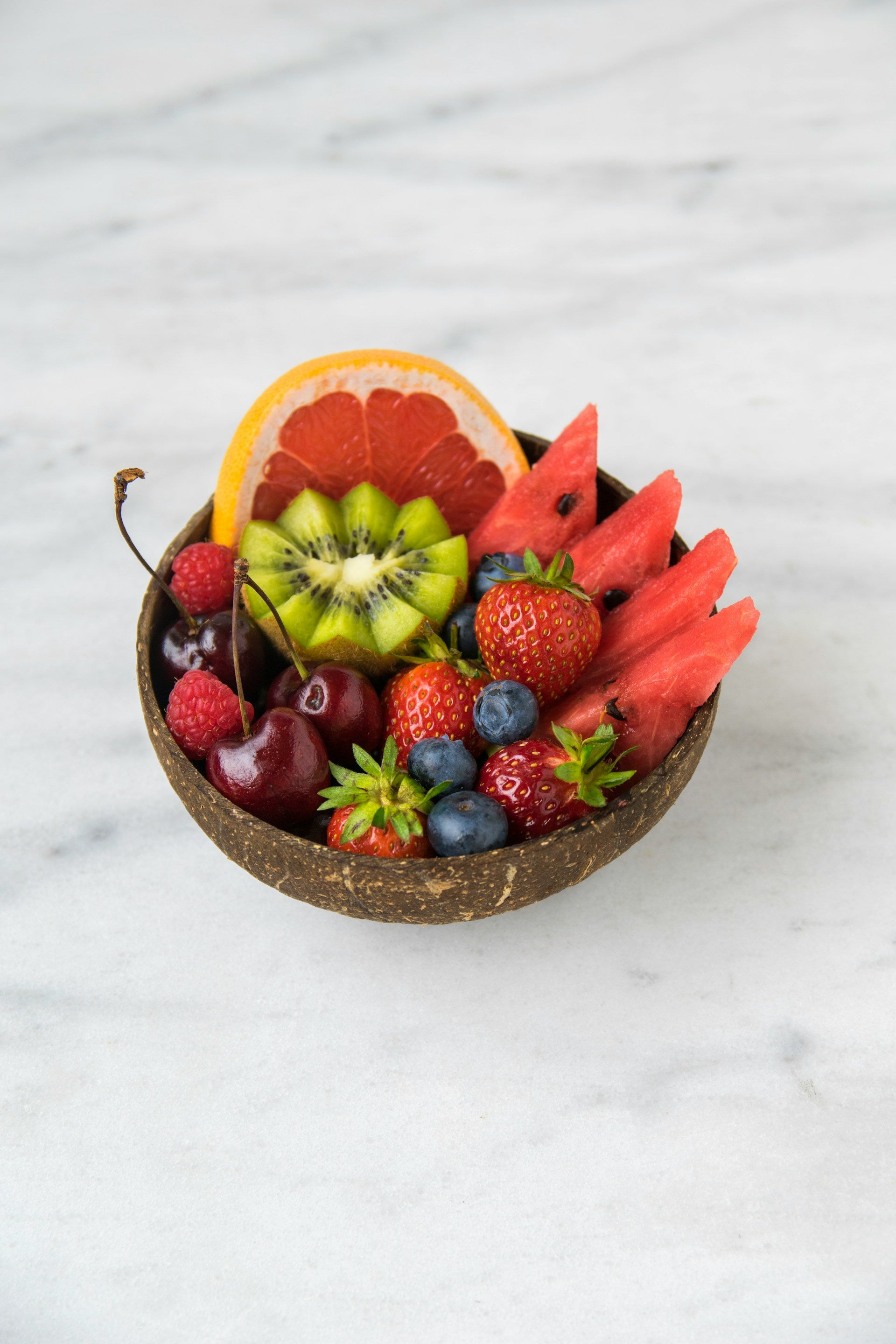
Proper fruit storage is essential for maintaining freshness and extending the shelf life of your fruits. When stored correctly, fruits retain their nutritional value, flavor, and texture for a longer period. This not only reduces food waste but also ensures that you can enjoy your favorite fruits at their peak ripeness.
By understanding the best storage practices for different types of fruits, you can make the most out of your grocery purchases. For instance, some fruits are best kept in the refrigerator, while others should be stored at room temperature until they ripen. Knowing these details can help you keep your fruits fresh and delicious for as long as possible.
Factors Affecting Fruit Shelf Life
Several factors can influence how long fruits last in the fridge. These include:
Temperature: Fruits should be stored at the right temperature to maintain their freshness. Most fruits do well in a cool environment, but some may require specific temperature settings.
Humidity: The level of humidity in the storage area can affect fruit longevity. High humidity levels can lead to mold growth, while low humidity levels can cause fruits to dry out.
Ripeness: The ripeness of the fruit at the time of purchase can impact how long it will last. Ripe fruits should be consumed sooner than unripe ones.
Storage Method: How fruits are stored, such as whether they are kept in plastic bags, containers, or left loose, can affect their shelf life. Proper storage methods can prevent moisture loss and protect fruits from bruising.
By paying attention to these factors, you can ensure that your fruits stay fresh and tasty for as long as possible. For additional tips on storing fruits and recognizing signs of spoilage, visit Fridge.com section on General Guidelines for Fruit Storage.
Berries
Berries are popular for their delicious taste and numerous health benefits. Understanding how long they last in the fridge can help you enjoy them at their freshest.
Strawberries
Strawberries are best enjoyed fresh, but they can be stored in the fridge to extend their shelf life. Typically, strawberries last about 3 to 7 days when stored properly. To maximize their freshness, keep strawberries in their original packaging or a breathable container. Avoid washing strawberries before refrigeration, as moisture can lead to quicker spoilage.
Berry Type
Fridge Shelf Life (Days)
Strawberries
3 - 7
Blueberries
Blueberries are slightly more durable than strawberries but still require proper storage to maintain freshness. Blueberries can last between 7 to 14 days in the fridge. Store blueberries in their original container or a shallow container lined with paper towels to absorb excess moisture. It's best to avoid washing them until you're ready to eat.
Berry Type
Fridge Shelf Life (Days)
Blueberries
7 - 14
Raspberries
Raspberries are delicate and have a shorter shelf life compared to other berries. When stored in the fridge, raspberries typically last about 3 to 5 days. To keep them fresh, store raspberries in their original packaging or a breathable container. Similar to strawberries, avoid washing raspberries before storing them in the fridge.
Citrus fruits are a popular choice for their refreshing taste and high vitamin C content. Understanding how long they last in the fridge can help you make the most of their freshness.
Oranges
Oranges are a staple in many households and can last quite a while when stored properly. In the fridge, oranges can remain fresh for up to 3-4 weeks. It's best to keep them in the crisper drawer to maintain their moisture and prevent them from drying out.
Fruit
Fridge Shelf Life
Oranges
3-4 weeks
Lemons
Lemons are versatile fruits used in cooking, baking, and beverages. When stored in the fridge, lemons can last for up to 3-4 weeks. To extend their shelf life, you can store them in a plastic bag to retain moisture.
Fruit
Fridge Shelf Life
Lemons
3-4 weeks
Limes
Limes, like lemons, are often used to add a zesty flavor to dishes and drinks. When kept in the fridge, limes can stay fresh for about 3-4 weeks. For best results, store them in the crisper drawer or in a plastic bag.
Understanding the shelf life of stone fruits is essential for maximizing their freshness and flavor. These fruits are best stored in the refrigerator to prolong their lifespan. Below, you'll find storage tips and how long specific stone fruits last in the fridge.
Peaches
Peaches are a summer favorite, known for their sweet and juicy flesh. To keep them fresh, store ripe peaches in the refrigerator. Unripe peaches should be left at room temperature until they ripen.
Storage Method
Duration
Room Temperature (Unripe)
1-3 days
Refrigerator (Ripe)
5-7 days
Plums
Plums are another delicious stone fruit that can be enjoyed fresh or used in various recipes. Store ripe plums in the fridge to maintain their quality. Unripe plums should be kept at room temperature until they soften.
Storage Method
Duration
Room Temperature (Unripe)
2-3 days
Refrigerator (Ripe)
4-5 days
Cherries
Cherries are small, sweet, and perfect for snacking. They have a relatively short shelf life, so it's important to store them properly. Keep cherries in the refrigerator to extend their freshness.
Storage Method
Duration
Refrigerator
5-7 days
For more tips on how to store fruits and other perishables, check out Fridge.com articles on how long do mangoes last in the fridge and how long does celery last in the fridge
. By following these guidelines, you can ensure your stone fruits stay fresh and tasty for as long as possible.
Tropical Fruits
Tropical fruits are a delightful addition to any diet, offering a burst of flavor and nutrition. However, their shelf life can vary, making it essential to store them properly to maximize freshness.
Pineapple
Pineapples are a tropical favorite known for their sweet and tangy flavor. When stored in the fridge, a whole pineapple can last up to 5 days. If you cut the pineapple, it should be stored in an airtight container and consumed within 3 to 4 days.
Pineapple Type
Refrigerator Shelf Life
Whole Pineapple
Up to 5 days
Cut Pineapple
3 to 4 days
Mango
Mangoes are another beloved tropical fruit. Whole mangoes can be stored at room temperature until they ripen. Once ripe, place them in the fridge, where they can last up to 5 days. Cut mangoes should be stored in an airtight container and consumed within 3 days.
Mango Type
Refrigerator Shelf Life
Whole Mango (ripe)
Up to 5 days
Cut Mango
Up to 3 days
For more details on the shelf life of mangoes, you can refer to Fridge.com article on how long do mangoes last in the fridge.
Kiwi
Kiwis are small but packed with nutrients. Unripe kiwis should be kept at room temperature until they ripen. Once ripe, you can store them in the fridge for up to 7 days. Cut kiwis should be kept in an airtight container and used within 2 to 3 days.
Proper storage extends the freshness of tropical fruits, ensuring that they remain delicious for as long as possible. For more general tips on preserving fruit freshness, check out our general guidelines for fruit storage.
Apples and Pears
Proper storage of apples and pears in the fridge can significantly extend their shelf life. Understanding how long these fruits last and the best practices for storage can help you enjoy their freshness for longer.
Apples
Apples are one of the most popular and versatile fruits. When stored in the refrigerator, apples can last for several weeks. The cool temperature slows down the ripening process and helps maintain their crisp texture.
Storage Method
Shelf Life
Room Temperature
1 - 2 weeks
Refrigerator (whole)
4 - 6 weeks
Refrigerator (sliced)
3 - 5 days
To maximize the shelf life of apples, keep them in the crisper drawer of your fridge. Ensure they are stored away from strong-smelling foods, as apples can absorb odors. For those who prefer sliced apples, it's best to store them in an airtight container to prevent browning. For more tips on storing fruits, check out how long do mangoes last in the fridge.
Pears
Pears, like apples, benefit from refrigeration to extend their freshness. However, pears ripen from the inside out, so it's important to monitor their ripeness.
Storage Method
Shelf Life
Room Temperature
3 - 4 days
Refrigerator (whole)
1 - 2 weeks
Refrigerator (sliced)
3 - 5 days
It's best to store whole pears in the fridge only after they have ripened. Unripe pears should be kept at room temperature until they soften and then moved to the refrigerator. For sliced pears, use an airtight container to maintain freshness. If you want to explore how long other fruits last, read how long do white currants last in the fridge.
Proper storage of fruits is essential to maintain their freshness and nutritional value. Here are some guidelines to help you extend the shelf life of your fruits and recognize signs of spoilage.
Tips for Extending Fruit Freshness
Temperature Control: Store fruits at the right temperature. Most fruits last longer when stored in the fridge, but some fruits like bananas and avocados should be kept at room temperature until they ripen.
Humidity Management: Use the crisper drawer in your refrigerator to maintain the appropriate humidity levels for different fruits. High humidity is ideal for most fruits, while some like apples and pears prefer low humidity.
Proper Packaging: Use breathable bags or containers to store fruits. Avoid airtight containers as they can trap moisture and accelerate spoilage.
Separation: Keep fruits that produce ethylene gas, such as apples and bananas, away from other fruits and vegetables to prevent premature ripening.
Wash Before Use: Only wash fruits right before consumption. Washing them before storing can introduce moisture and lead to mold growth.
Signs of Spoiled Fruit
Recognizing when fruits are spoiled is crucial for maintaining food safety and avoiding waste. Here are some common signs to look for:
Fruit Type
Signs of Spoilage
Berries
Mold, mushy texture, off smell
Citrus Fruits
Soft spots, discoloration, mold
Stone Fruits
Wrinkled skin, bruises, sour smell
Tropical Fruits
Brown spots, mushy texture, off smell
Apples and Pears
Soft spots, shriveled skin, sour smell
By following these general guidelines for fruit storage, you can ensure your fruits stay fresh longer. For more information on specific fruits, check out other related articles like how long do mangoes last in the fridge and how long do white currants last in the fridge.
Compare prices on Fridge.com
Compare current prices and specifications on Fridge.com, then buy from the retailer you choose; delivery, installation and warranty terms are the retailer’s.
It also has tons of awesome articles about kitchen stuff and home news. Enhance your home, garage, backyard, patio, and office with the coolest essentials. With every necessary type of residential refrigerator or freezer in the collection, you're covered.
Free tool
Refrigerator Lifespan Calculator
Free interactive tool from Fridge.com — get a quick answer while you read.