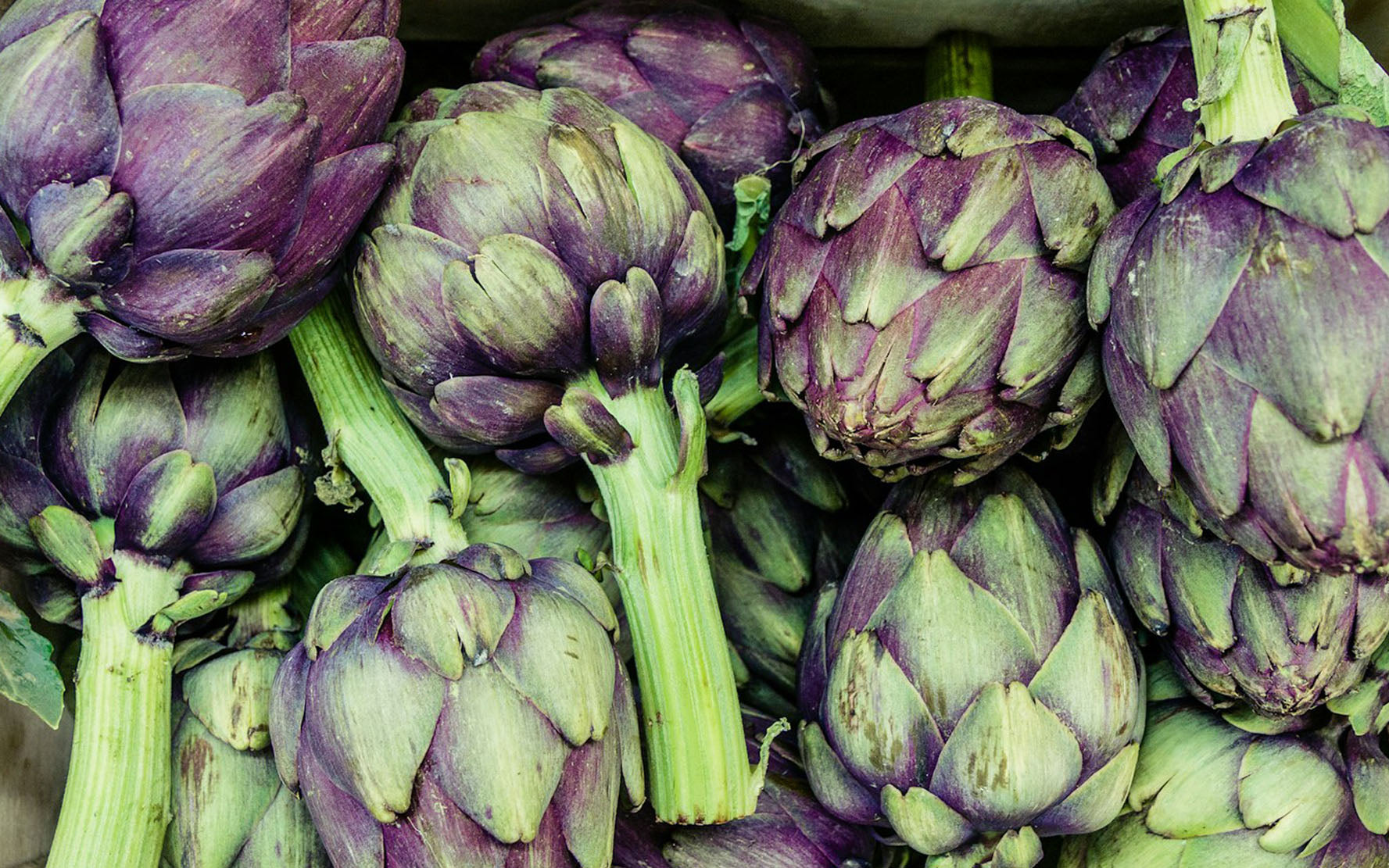
Storing Artichokes in the Fridge
Proper storage of artichokes in the fridge is essential to maintain their freshness and extend their shelf life. Understanding the right techniques and the importance of refrigeration will help you enjoy this delicious vegetable for a longer period.
Proper Storage Techniques
When storing artichokes in the refrigerator, follow these proper storage techniques to ensure they stay fresh:
- Do not wash before storage: Washing artichokes before storing can introduce moisture that may speed up spoilage. Instead, wash them just before use.
- Use a plastic bag: Place the artichokes in a plastic bag to retain their moisture. You can loosely wrap them in a plastic bag or use a perforated one to allow some airflow.
- Store in the crisper drawer: The crisper drawer in your fridge is designed to maintain humidity levels that are ideal for storing vegetables like artichokes.
- Keep at a consistent temperature: Ensure your fridge is set to a consistent temperature of around 32-36°F (0-2°C).
| Storage Method | Shelf Life |
|---|---|
| Unwashed, in plastic bag | Up to 7 days |
Importance of Refrigeration
Refrigeration plays a key role in preserving the freshness and quality of artichokes. Here’s why refrigeration is crucial:
- Slows down spoilage: Cold temperatures slow down the growth of bacteria and mold, which can cause artichokes to spoil.
- Maintains texture and flavor: Proper refrigeration helps retain the crisp texture and delicate flavor of artichokes, making them more enjoyable to eat.
- Prevents dehydration: The controlled humidity levels in the refrigerator prevent artichokes from drying out, keeping them plump and tender.
Understanding the importance of refrigeration and utilizing proper storage techniques will help you maximize the shelf life of your artichokes. For more tips on storing other vegetables and foods, check out our articles on how long does celery last in the fridge? and how long do mushrooms last in the fridge?.
Shelf Life of Artichokes
Understanding the shelf life of artichokes is essential for maintaining their freshness and ensuring they are safe to eat. Whether you have fresh or cooked artichokes, storing them properly in your fridge can help extend their lifespan.
Fresh Artichokes
Fresh artichokes can last for several days when stored correctly in the refrigerator. To maximize their shelf life, it's important to keep them in the crisper drawer, which is designed to maintain optimal humidity levels for vegetables.
| Storage Method | Shelf Life |
|---|---|
| Fresh artichokes in the fridge | 5-7 days |
For best results, wrap the artichokes in a damp paper towel and place them in a plastic bag with small holes to allow for air circulation. This helps to maintain their moisture and prevent them from drying out.
Cooked Artichokes
Cooked artichokes have a shorter shelf life compared to fresh ones. Once cooked, they should be stored in an airtight container in the refrigerator. This prevents them from absorbing odors from other foods and keeps them fresh for a few days.
| Storage Method | Shelf Life |
|---|---|
| Cooked artichokes in the fridge | 3-5 days |
To reheat cooked artichokes, you can use a microwave, oven, or stovetop. Make sure to heat them to an appropriate temperature to ensure they are safe to eat. For more details on reheating and using leftovers, visit our section on reheating tips.
For more specific information on storing other foods, you may find our articles on how long do cooked pinto beans last in the fridge? and how long does celery last in the fridge? helpful.
Signs of Spoilage
Ensuring that your artichokes are fresh and safe to consume is essential. Identifying signs of spoilage helps you avoid consuming food that has gone bad.
How to Identify Spoiled Artichokes
Recognizing when artichokes have spoiled can save you from potential health risks. Here are some indicators that your artichokes are no longer fresh:
- Discoloration: Fresh artichokes have a vibrant green color. If you notice dark spots, browning, or a dull appearance, your artichokes may be spoiled.
- Texture: Spoiled artichokes will feel soft, mushy, or slimy to the touch. Fresh artichokes should be firm and have tightly packed leaves.
- Smell: A fresh artichoke has a mild, earthy smell. If it emits a sour, musty, or off-putting odor, it's likely spoiled.
- Leaves: If you see that the leaves are wilting or falling off easily, the artichoke is past its prime.
When to Discard
Knowing when to discard artichokes ensures that you do not consume unsafe food. Refer to the table below for guidelines on the shelf life of fresh and cooked artichokes:
| Artichoke Type | Refrigerator Shelf Life |
|---|---|
| Fresh Artichokes | Up to 1 week |
| Cooked Artichokes | 3-5 days |
- Fresh Artichokes: If your fresh artichokes show signs of spoilage or have been stored for over a week, it's best to discard them.
- Cooked Artichokes: If cooked artichokes have been stored for more than 5 days or show any signs of spoilage, they should be thrown out.
For more information on the shelf life of other foods, check our articles on how long does okra last in the fridge? and how long does leek last in the fridge?.
By understanding these signs and knowing when to discard spoiled artichokes, you can ensure that you are consuming fresh and healthy produce.
Extending the Shelf Life
When it comes to keeping artichokes fresh for as long as possible, there are several effective preservation methods. Freezing artichokes is a popular way to extend their shelf life significantly.
Preservation Methods
Properly preserving artichokes can help you enjoy their flavor and nutrients long after purchase. Here are some common preservation techniques:
- Blanching and Freezing: Blanching artichokes before freezing helps maintain their texture and color. Boil the artichokes for a few minutes, then place them in ice water to stop the cooking process. Once cooled, dry them thoroughly and store them in airtight containers or freezer bags.
- Pickling: Pickling artichokes can add a tangy flavor while preserving them. Pickled artichokes can be stored in the refrigerator for several months.
- Canning: Canning artichokes requires a pressure canner to ensure safe preservation. Canned artichokes can last for up to a year when stored in a cool, dark place.
Freezing Artichokes
Freezing is an excellent way to extend the shelf life of artichokes. To freeze artichokes properly, follow these steps:
- Preparation: Start by washing the artichokes thoroughly. Remove any tough outer leaves and trim the stems.
- Blanching: Bring a pot of water to a boil and blanch the artichokes for 3-5 minutes. This process helps to preserve their texture and color.
- Cooling: Immediately transfer the blanched artichokes to a bowl of ice water to stop the cooking process. Leave them in the ice water for the same amount of time they were blanched.
- Drying: Drain the artichokes and pat them dry with a clean towel.
- Packaging: Place the dried artichokes in airtight containers or freezer bags. Make sure to remove as much air as possible to prevent freezer burn.
- Freezing: Label the containers or bags with the date and place them in the freezer.
| Preservation Method | Expected Shelf Life |
|---|---|
| Blanching and Freezing | 10-12 months |
| Pickling | 2-3 months (refrigerated) |
| Canning | Up to 1 year |
For more tips on storing and preserving other foods, consider reading our articles on how long does okra last in the fridge? and how long does leek last in the fridge?.
By using these preservation methods, you can extend the shelf life of your artichokes and reduce food waste.
Tips for Keeping Artichokes Fresh
To maximize the freshness and longevity of your artichokes, proper preparation and storage practices are essential.
Proper Preparation
Before storing artichokes in the fridge, it's important to prepare them correctly. Follow these steps to ensure they stay fresh for as long as possible:
- Rinse Thoroughly: Wash the artichokes under cold running water to remove any dirt or debris.
- Trim the Stems: Cut the stems about an inch from the base to prevent them from drawing moisture away from the leaves.
- Dry Completely: Pat the artichokes dry with a clean towel to avoid excess moisture, which can lead to spoilage.
Best Storage Practices
Storing artichokes properly can significantly extend their shelf life. Follow these guidelines for optimal storage:
- Refrigeration: Store artichokes in the vegetable crisper drawer of your fridge. This area maintains a consistent temperature and humidity level, ideal for preserving freshness.
- Plastic Bag: Place the artichokes in a perforated plastic bag. This allows for airflow while retaining necessary moisture.
- Avoid Ethylene: Keep artichokes away from ethylene-producing fruits like apples and bananas, as ethylene can accelerate spoilage.
| Storage Method | Shelf Life |
|---|---|
| Refrigerated in Crisper Drawer | 5 - 7 days |
| Perforated Plastic Bag | 5 - 7 days |
For more information on how long other foods last in the fridge, you might find these articles helpful:
- how long does celery last in the fridge?
- how long do mangoes last in the fridge?
- how long do starfruits last in the fridge?
By following these preparation and storage tips, you can ensure that your artichokes remain fresh and delicious for as long as possible.
Using Leftover Artichokes
Leftover artichokes can be a delightful addition to various dishes, giving you the opportunity to enjoy their unique flavor and texture in creative ways. Here are some ideas and tips for making the most out of your leftover artichokes.
Creative Ways to Use Leftovers
- Artichoke Dip: Blend leftover artichokes with cream cheese, mayonnaise, garlic, and Parmesan cheese to create a delicious dip. Serve with crackers or fresh vegetables.
- Pasta Salad: Add chopped artichokes to your favorite pasta salad recipe. They pair well with olives, cherry tomatoes, and feta cheese.
- Pizza Topping: Use artichoke hearts as a topping for homemade pizza. Combine with ingredients like spinach, olives, and mozzarella for a Mediterranean twist.
- Stuffed Chicken: Stuff chicken breasts with a mixture of artichokes, spinach, and cheese. Bake until the chicken is cooked through and the filling is bubbly.
- Omelette Filling: Sauté leftover artichokes with onions, bell peppers, and spinach. Use this mixture as a filling for a flavorful omelette.
Reheating Tips
Reheating artichokes properly is essential to maintain their taste and texture. Here are some effective methods:
- Microwave: Place the artichokes in a microwave-safe dish and cover with a damp paper towel. Heat on medium power for 1-2 minutes, checking halfway to ensure even heating.
- Oven: Preheat your oven to 350°F (175°C). Arrange the artichokes on a baking sheet and cover with aluminum foil. Heat for 10-15 minutes until warmed through.
- Stovetop: Heat a small amount of olive oil in a skillet over medium heat. Add the artichokes and cook, stirring occasionally, for 5-7 minutes until heated evenly.
By utilizing these creative ideas and reheating techniques, you can make the most out of your leftover artichokes and enjoy them in a variety of delicious dishes. For more information on how to store other foods, check out our articles on how long do cooked pinto beans last in the fridge? and how long do mushrooms last in the fridge?.
FAQs About Storing Artichokes
Can you store artichokes at room temperature?
Artichokes should not be stored at room temperature for extended periods. They are best kept in the refrigerator to maintain freshness and prevent spoilage. When stored at room temperature, artichokes can quickly lose their moisture and become tough, reducing their quality.
Can you freeze fresh artichokes?
Yes, you can freeze fresh artichokes to extend their shelf life. It's important to properly prepare them for freezing to preserve their flavor and texture. Begin by washing and trimming the artichokes, then blanch them in boiling water for a few minutes. After blanching, cool them in ice water, pat them dry, and place them in airtight freezer bags. Frozen artichokes can last for several months. For more information on freezing, check out our section on freezing artichokes.
How long do canned artichokes last in the fridge?
Once opened, canned artichokes should be stored in the refrigerator. Transfer the artichokes to an airtight container if they are not already in one. They can typically last for up to 4 to 5 days when stored properly in the fridge.
| Artichoke Type | Refrigeration Shelf Life |
|---|---|
| Fresh Artichokes | 5 - 7 days |
| Cooked Artichokes | 3 - 5 days |
| Canned Artichokes (Opened) | 4 - 5 days |
For more storage tips, you can check our article on how long do cooked pinto beans last in the fridge? and other similar topics.
By properly storing and handling artichokes, you can enjoy their freshness and flavor for longer periods. Always keep an eye out for signs of spoilage and follow best practices for refrigeration and freezing.