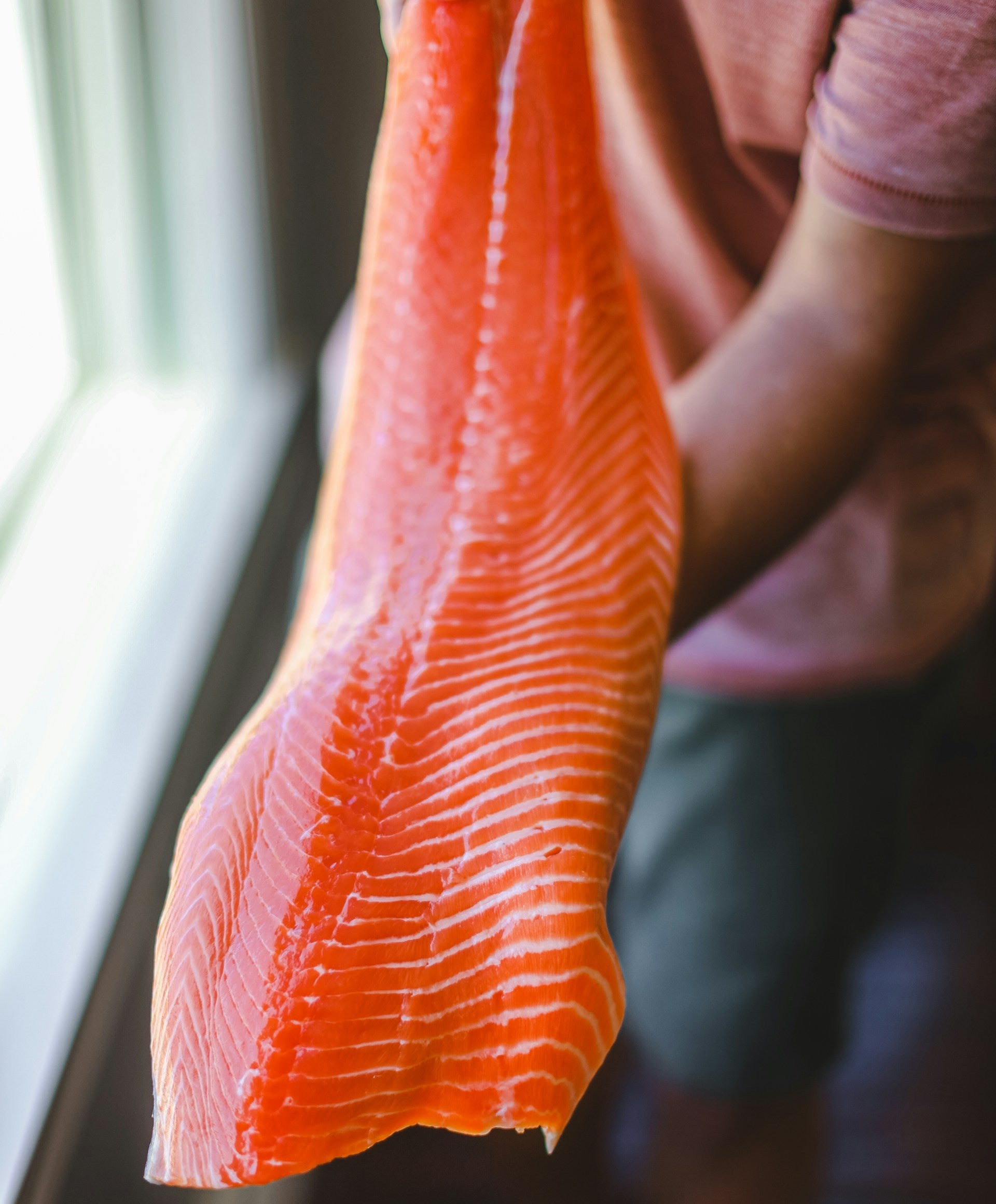
Storing Defrosted Salmon in the Fridge
Proper storage of defrosted salmon in the fridge is crucial to maintain its quality and safety. Follow these guidelines to ensure your salmon remains fresh and delicious.
Importance of Proper Storage
Storing defrosted salmon correctly prevents spoilage and foodborne illnesses. Proper storage helps maintain the texture and taste, ensuring a delightful culinary experience. It also minimizes the risk of bacterial growth, which can lead to health issues.
Guidelines for Storing Defrosted Salmon
When storing defrosted salmon in the fridge, follow these steps to keep it fresh:
- Temperature Control: Ensure your fridge is set to 40°F (4°C) or below. This temperature inhibits bacterial growth.
- Packaging: Keep the salmon in its original packaging or transfer it to an airtight container. This prevents exposure to air, which can cause spoilage.
- Avoid Cross-Contamination: Store the salmon on a plate or in a container to catch any juices. Place it on a lower shelf to prevent drips onto other foods.
Here's a quick reference table:
| Storage Method | Temperature | Duration |
|---|---|---|
| Airtight Container | 40°F (4°C) or below | 1-2 days |
| Original Packaging | 40°F (4°C) or below | 1-2 days |
For more information on fridge settings, check out best fridge for national father-in-law day.
By following these guidelines, you can enjoy your defrosted salmon safely and at its best quality. Remember to always check for signs of spoilage before consuming. For further tips on safe handling practices, refer to our section on safe handling practices.
Duration of Storage
How Long Can Defrosted Salmon Last in the Fridge?
When you have defrosted salmon, you might wonder how long it can stay in the fridge before it's no longer safe to eat. Generally, defrosted salmon should be consumed within 1 to 2 days to ensure it's fresh and safe. If you leave it beyond this period, the risk of spoilage increases.
| Storage Condition | Duration |
|---|---|
| Defrosted Salmon in Fridge | 1-2 days |
It's crucial to keep the salmon in an airtight container to maintain its quality during this period.
Factors Affecting Storage Time
Several factors can influence how long defrosted salmon lasts in the fridge. These factors include:
-
Temperature Control: Keeping your fridge at the optimal temperature (below 40°F or 4°C) is crucial. Fluctuations in temperature can accelerate spoilage. For information on maintaining fridge temperatures, see our article on best fridge for a fairytale cottage.
-
Freshness of the Fish: The initial quality of the salmon before freezing affects how long it will last once defrosted. Fresh salmon will naturally last longer.
-
Packaging: Proper packaging can extend the shelf life of defrosted salmon. Use airtight containers or vacuum-sealed bags to prevent exposure to air and bacteria.
-
Handling: How you handle the salmon during defrosting and storage matters. Always use clean hands and tools to avoid contamination. For safe handling practices, refer to our article on how long after thawing meat in the fridge is it good for.
By understanding these factors, you can better manage the storage of your defrosted salmon and ensure it remains safe to eat.
For more tips on storing various foods in the fridge, you can also check out our guide on best fridge for national thermal engineer day.
Checking Salmon Quality
Ensuring the quality of defrosted salmon is crucial to prevent foodborne illnesses and enjoy a tasty meal. Here, we will discuss the signs of spoilage and when it's time to discard defrosted salmon.
Signs of Spoilage
To determine if your defrosted salmon is still safe to eat, look for the following signs of spoilage:
- Color: Fresh salmon should have a bright, consistent color. If the flesh appears dull or has developed dark spots, it may be spoiled.
- Smell: Fresh salmon has a mild, oceanic scent. A sour, ammonia-like odor is a clear indicator of spoilage.
- Texture: The flesh should be firm and resilient. If it feels slimy or mushy, the salmon is likely no longer safe to consume.
- Appearance: Check for any excessive liquid or a milky film on the surface, which can indicate bacterial growth.
When to Discard Defrosted Salmon
Knowing when to discard defrosted salmon is essential to avoid potential health risks. Follow these general guidelines:
| Storage Condition | Maximum Duration |
|---|---|
| Freshly defrosted in the fridge | Up to 2 days |
| Signs of spoilage (color, smell, texture) | Discard immediately |
If you notice any signs of spoilage or if the salmon has been stored in the fridge for more than two days, it's best to discard it. For more information on safe food handling, you can read our article on how long after thawing meat in the fridge is it good for?.
By keeping an eye on these spoilage indicators, you can ensure that your defrosted salmon is safe to eat and enjoy a delicious, healthy meal. For additional tips on storing and handling food in your fridge, check out our article on best fridge for national oatmeal muffin day.
Safe Handling Practices
Properly handling defrosted salmon is crucial to ensure its safety and quality. Here are some best practices for packaging and maintaining optimal temperature.
Properly Packaging Defrosted Salmon
When storing defrosted salmon, proper packaging is key to preserving its freshness and preventing contamination. Use airtight containers or resealable plastic bags to store the salmon. Ensure that the packaging is sealed tightly to minimize exposure to air, which can lead to spoilage.
If you plan on storing defrosted salmon for a short period, placing it on a plate and covering it with plastic wrap can also work. However, for longer storage, airtight packaging is preferred.
Maintaining Optimal Temperature
Maintaining the right temperature is essential for keeping defrosted salmon safe to eat. The refrigerator should be set to 40°F (4°C) or below. This temperature slows down bacterial growth, ensuring the salmon stays fresh longer.
| Storage Method | Temperature (°F) | Temperature (°C) |
|---|---|---|
| Refrigerator | 40°F or below | 4°C or below |
| Freezer | 0°F or below | -18°C or below |
Regularly check your fridge’s temperature to ensure it remains at the optimal level. This practice not only keeps your salmon fresh but also ensures that other perishable items in your fridge are stored safely. For more information on maintaining your fridge, you may want to read our article on best fridge for national thermal engineer day.
By following these safe handling practices, you can enjoy defrosted salmon at its best quality. Keep an eye out for any signs of spoilage and always prioritize proper packaging and temperature control. For more tips on food storage, check our guide on how long after thawing meat in the fridge is it good for?.
Utilizing Defrosted Salmon
Knowing how to make the most of your defrosted salmon can elevate your culinary experience. Here, we will explore methods for cooking defrosted salmon and provide some creative recipe ideas for inspiration.
Cooking Defrosted Salmon
Cooking defrosted salmon can be straightforward and rewarding. Here are some popular methods to try:
- Baking: Preheat your oven to 375°F (190°C). Place the salmon on a lined baking sheet, season as desired, and bake for 15-20 minutes or until the internal temperature reaches 145°F (63°C).
- Grilling: Preheat your grill to medium-high heat. Brush the salmon with oil, season, and grill for about 4-6 minutes per side.
- Pan-Searing: Heat a non-stick skillet over medium-high heat with some oil. Place the salmon skin-side down and cook for 4-5 minutes. Flip and cook for an additional 3-4 minutes.
- Poaching: Bring a pot of water or broth to a simmer. Gently lower the salmon into the liquid and cook for 10-15 minutes or until fully cooked.
Creative Recipe Ideas and Inspiration
Defrosted salmon can be used in a variety of dishes. Here are some creative recipe ideas to inspire your next meal:
- Salmon Tacos: Flake cooked salmon and serve in soft tortillas with avocado, salsa, and a squeeze of lime.
- Salmon Salad: Combine cooked salmon with mixed greens, cherry tomatoes, cucumber, and a light vinaigrette.
- Salmon Pasta: Toss cooked salmon with your favorite pasta, a creamy Alfredo sauce, and some fresh herbs.
-
Salmon Burgers: Mix flaked salmon with breadcrumbs, an egg, and seasonings. Form into patties and cook on a skillet or grill. Additionally, if you're looking for information on fridge storage, check out our guide on the best fridge for crate day.
Utilize these cooking methods and recipes to make the most of your defrosted salmon, turning it into delicious and satisfying meals for any occasion.
Additional Tips
Thawing Salmon Safely
Proper thawing of salmon is crucial to maintain its quality and safety. When defrosting salmon, it's recommended to use the refrigerator rather than leaving it out at room temperature. To thaw salmon safely:
- Refrigerator Thawing: Place the frozen salmon in a shallow dish to catch any drips and store it in the refrigerator. This method may take several hours or overnight.
- Cold Water Thawing: For quicker thawing, seal the salmon in a leak-proof plastic bag and submerge it in cold water. Change the water every 30 minutes to ensure it stays cold. This method usually takes 1-2 hours.
Avoid using hot water or microwaving the salmon to thaw, as these methods can partially cook the fish and affect its texture and taste.
Best Practices for Fridge Storage
Storing defrosted salmon correctly in the refrigerator is essential for maintaining its freshness and preventing spoilage. Here are some best practices for fridge storage:
- Temperature Control: Keep the refrigerator temperature at or below 40°F (4°C) to ensure the salmon stays fresh. Use a refrigerator thermometer to monitor the temperature.
- Proper Packaging: Store the defrosted salmon in an airtight container or tightly wrap it in plastic wrap or aluminum foil. This helps prevent exposure to air and moisture, which can lead to spoilage.
- Placement in Fridge: Place the salmon on a lower shelf or in the coldest part of the refrigerator. Avoid storing it in the door compartments, as the temperature fluctuates more in these areas.
For more detailed guidance on fridge storage, check out our article on best practices for fridge storage.
By following these tips, you can ensure that your defrosted salmon remains fresh and safe to eat, allowing you to enjoy delicious and healthy meals. For more information on how long defrosted salmon can last in the fridge, visit our section on how long defrosted salmon in the fridge?.