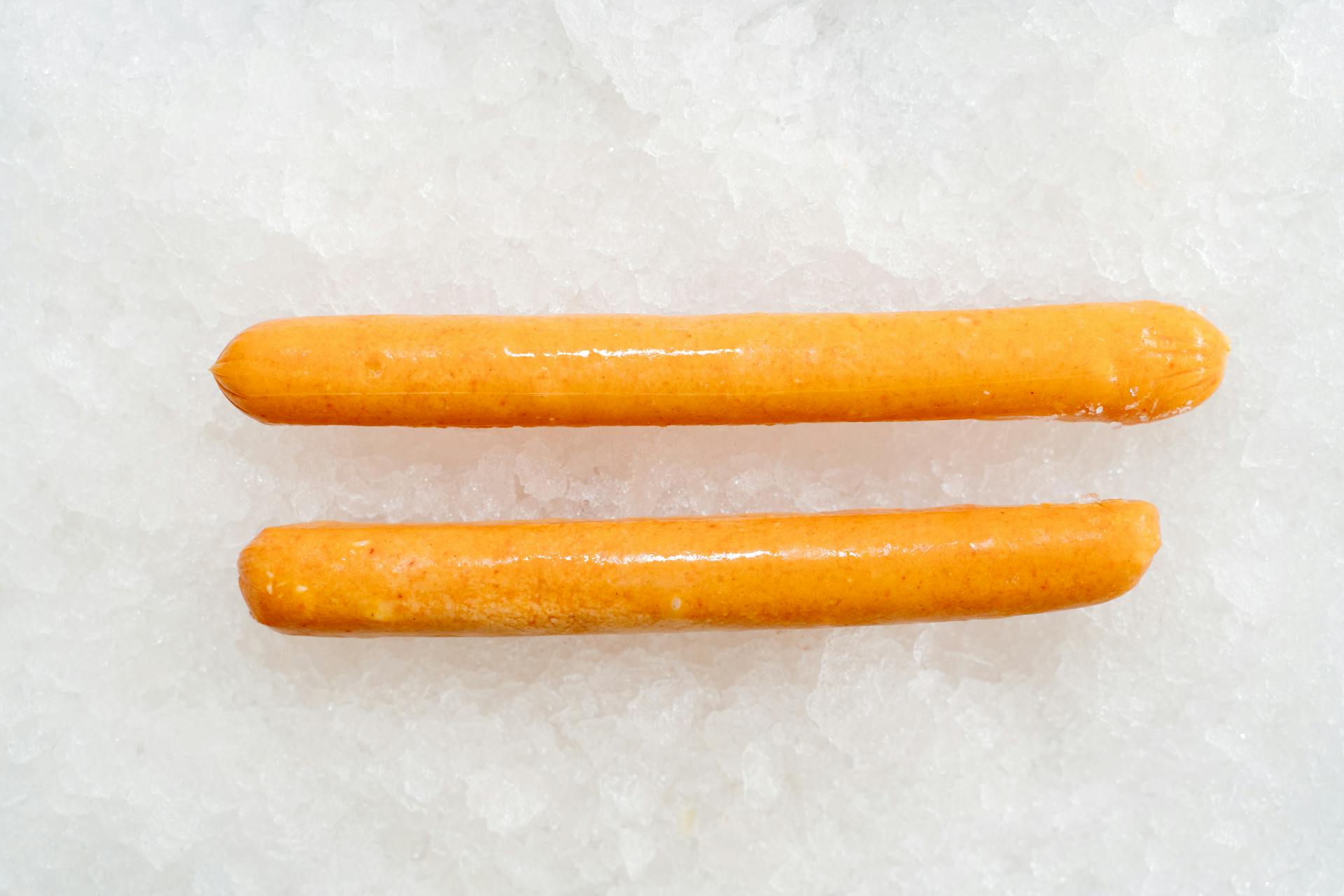
Freezing Sausage: A Closer Look
Freezing sausage is a common practice that helps preserve its freshness and extend its shelf life. By understanding the proper techniques and benefits of freezing sausage, you can ensure that your sausages remain safe and delicious for future meals.
The Practice of Freezing Sausage
Freezing sausage involves storing it in a freezer at a consistent temperature to prevent spoilage and bacterial growth. When freezing sausage, it is important to follow proper packaging and storage guidelines to maintain its quality. Sausages can be frozen in their original packaging if it is airtight, or they can be rewrapped in freezer-safe materials such as heavy-duty aluminum foil, plastic wrap, or freezer bags.
To avoid freezer burn and maintain the sausage's texture and flavor, make sure to remove as much air as possible from the packaging. Properly sealed sausage can retain its quality for several months in the freezer, making it a convenient option for long-term storage.
Benefits of Freezing Sausage
Freezing sausage offers several advantages that make it a popular choice among households. Here are some of the key benefits:
- Extended Shelf Life: Freezing sausage significantly prolongs its shelf life compared to refrigeration. This allows you to buy sausages in bulk and store them for future use without worrying about spoilage.
- Convenience: Having frozen sausage on hand means you can easily incorporate it into your meals without needing to make frequent trips to the store. This is especially useful for busy individuals and families.
- Reduced Waste: Freezing sausage helps minimize food waste by allowing you to preserve sausages that you may not be able to consume before their expiration date. This is both economical and environmentally friendly.
- Versatility: Frozen sausage can be used in a variety of recipes, from breakfast dishes to hearty dinners. This makes it a versatile ingredient to keep in your freezer.
By understanding the practice and benefits of freezing sausage, you can make the most out of this preservation method. For more tips on proper storage and handling of frozen foods, check out our articles on what should a deep freezer be set at and freezing oatmeal cookies.
Guidelines for Freezing Sausage
Properly freezing sausage ensures its quality and safety for future use. Following these guidelines can help maintain the flavor and texture of your frozen sausage.
Packaging for Freezing
Effective packaging is crucial for preserving the quality of sausage in the freezer. Here are some tips for packaging sausage:
- Use airtight containers: Airtight containers or heavy-duty freezer bags help prevent freezer burn and maintain freshness.
- Wrap in plastic wrap: Wrap the sausage tightly in plastic wrap before placing it in a container or freezer bag.
- Remove excess air: Squeeze out as much air as possible from freezer bags to reduce the risk of freezer burn.
- Double-wrap for added protection: For extra protection, consider double-wrapping the sausage using both plastic wrap and aluminum foil.
Labeling and Dating
Proper labeling and dating are essential for keeping track of your frozen sausage. This ensures you use it within a safe and optimal time frame. Here’s how to label and date your sausage:
- Write the type of sausage: Clearly label the type of sausage to avoid confusion later.
- Include the packaging date: Add the date when the sausage was frozen to keep track of its storage duration.
- Use a permanent marker: Ensure the label remains legible by using a permanent marker.
| Sausage Type | Packaging Date | Use By Date |
|---|---|---|
| Italian Sausage | 01/01/2023 | 06/01/2023 |
| Breakfast Sausage | 02/15/2023 | 07/15/2023 |
| Chorizo | 03/10/2023 | 08/10/2023 |
Proper packaging and labeling ensure that your frozen sausage remains safe and delicious. For more tips on maintaining the quality of your freezer items, check out our articles on how long can you leave spaghetti in the fridge? and how long can pupusas last in the fridge?.
Storage Duration for Frozen Sausage
Understanding how long you can keep frozen sausage in the freezer is crucial for maintaining its quality and safety. There are general guidelines and various factors that influence the shelf life of frozen sausage.
Recommended Storage Timeline
When properly packaged and stored, frozen sausage can maintain its best quality for a specific period. Below is a table displaying the recommended storage timeline for different types of sausage.
| Sausage Type | Recommended Storage Duration |
|---|---|
| Fresh Sausage | 1-2 months |
| Cooked Sausage | 2-3 months |
| Smoked Sausage | 1-2 months |
| Cured Sausage | 1-2 months |
These durations ensure that the sausage retains its flavor and texture. For more detailed information on storing other food items, visit our article on how long can you leave spaghetti in the fridge?.
Factors Affecting Shelf Life
Several factors can affect the shelf life of frozen sausage, including:
- Packaging: Proper packaging is essential to prevent freezer burn and maintain quality. Vacuum-sealed bags or airtight containers are ideal.
- Freezer Temperature: Keeping your freezer at the right temperature is crucial. The recommended temperature for long-term storage is 0°F (-18°C). Learn more about freezer settings in our article on what should a deep freezer be set at?.
- Sausage Type: The type of sausage also influences its shelf life. Fresh sausages have a shorter freezer life compared to cooked or cured sausages.
- Frequency of Freezer Use: Frequent opening and closing of the freezer can cause temperature fluctuations, affecting the sausage's shelf life.
- Initial Quality: The quality of the sausage before freezing plays a significant role. Always freeze sausage when it is fresh to extend its shelf life.
By considering these factors, you can ensure that your frozen sausage remains safe to eat and retains its quality for as long as possible. For more tips on freezer storage, check out our article on freezer drawer Vs. mini fridge freezer.
Safe Thawing Practices
When it comes to thawing frozen sausage, following proper methods ensures food safety and maintains quality. Here, we discuss effective thawing methods and precautions to take.
Thawing Methods
-
Refrigerator Thawing: Place the sausage in the refrigerator, allowing it to thaw slowly and safely. This method maintains a consistent temperature, reducing the risk of bacterial growth.
Method Time Required Refrigerator Thawing 24 hours per 1-2 lbs -
Cold Water Thawing: Submerge the sausage in a sealed plastic bag in cold water. Change the water every 30 minutes to ensure it stays cold.
Method Time Required Cold Water Thawing 30 minutes per pound -
Microwave Thawing: Use the microwave's defrost setting to thaw sausage quickly. Follow the microwave’s instructions for defrosting meat.
Method Time Required Microwave Thawing Varies by model
For more information on refrigerator settings, explore our article on what should a deep freezer be set at?.
Precautions to Take
- Avoid Room Temperature Thawing: Never thaw sausage at room temperature. This can lead to bacterial growth, increasing the risk of foodborne illness.
- Cook Immediately After Thawing: If using the cold water or microwave thawing methods, cook the sausage immediately after thawing to ensure safety.
- Prevent Cross-Contamination: Keep thawed sausage separate from other foods to avoid cross-contamination. Use dedicated utensils and cutting boards.
- Proper Storage: If not using the sausage immediately after thawing, store it in the refrigerator and use within 1-2 days.
By following these safe thawing practices, you can enjoy your sausages without compromising food safety. For additional tips, check out our article on freezing oatmeal cookies for more insights on proper food storage and thawing methods.
Inspecting Frozen Sausage
Proper inspection of your frozen sausage ensures it remains safe and tasty to eat. Here’s how to check for any issues.
Signs of Freezer Burn
Freezer burn occurs when food is exposed to air, leading to dehydration and oxidation. It affects the texture and flavor, making the sausage less appetizing. Here are common signs:
- Discoloration: Look for grayish-brown patches or spots on the sausage.
- Texture: A dry, leathery appearance indicates freezer burn.
- Ice Crystals: Large ice crystals on the surface are another sign.
When to Discard
While freezer burn affects quality, it doesn't necessarily mean the sausage is unsafe. However, there are times when you should discard the sausage:
- Off Smell: Any strange or sour odor is a clear indicator.
- Slimy Texture: If the sausage feels slimy after thawing, it’s best to discard it.
- Past Storage Duration: Adhere to the recommended storage timeline. Check our recommended storage timeline for more details.
| Indicator | Description | Action |
|---|---|---|
| Discoloration | Grayish-brown patches | Inspect further |
| Texture | Dry, leathery | Inspect further |
| Ice Crystals | Large crystals | Inspect further |
| Off Smell | Strange or sour odor | Discard |
| Slimy Texture | Slimy after thawing | Discard |
| Past Storage Duration | Exceeded recommended time | Discard |
Inspecting your frozen sausage regularly helps maintain its quality. For information on safe thawing methods, visit our article on safe thawing practices.
Creative Ways to Use Frozen Sausage
When you have frozen sausage on hand, it opens up a world of culinary possibilities. Whether you're looking to create a hearty breakfast, a savory dinner, or a quick snack, frozen sausage can be a versatile ingredient.
Recipe Ideas
Frozen sausage can be used in a variety of recipes. Here are some delicious ideas to get you started:
- Breakfast Sausage Casserole: Combine frozen sausage with eggs, cheese, and vegetables for a filling breakfast dish.
- Sausage and Pasta: Add frozen sausage to your favorite pasta recipe for an extra protein boost.
- Sausage Stir-Fry: Mix frozen sausage with vegetables and a savory sauce for a quick stir-fry.
- Sausage and Potato Skillet: Cook frozen sausage with potatoes and onions for a hearty skillet meal.
- Sausage Soup: Add frozen sausage to a pot of soup for added flavor and texture.
Cooking Tips
Using frozen sausage can be straightforward, but there are a few tips to ensure the best results:
- Thaw Properly: Always thaw sausage safely. The best method is to thaw it in the refrigerator overnight. For quicker results, you can use the microwave's defrost setting. For more on safe thawing, refer to our section on thawing methods.
- Pre-Cook for Recipes: If adding sausage to a recipe that requires further cooking, pre-cook the sausage to ensure it is thoroughly cooked.
- Use a Meat Thermometer: Ensure the internal temperature of the sausage reaches at least 160°F (71°C) to ensure it's safe to eat.
- Avoid Overcrowding: When cooking sausage in a pan, avoid overcrowding to ensure even cooking and browning.
-
Add to Dishes Last: To maintain the sausage's texture, add it to soups, stews, or casseroles toward the end of the cooking process.
By incorporating these recipe ideas and cooking tips, you can make the most out of your frozen sausage, ensuring delicious and satisfying meals every time.