Understanding Food Safety
Proper food safety is crucial in maintaining the quality and safety of the foods you consume. This section delves into why proper food storage is essential and the risks associated with leaving food unrefrigerated.
Importance of Proper Food Storage
Proper food storage is vital for several reasons. It helps in:
- Maintaining Freshness: Correct storage methods keep food fresh for a longer period.
- Preventing Spoilage: Proper storage conditions prevent the growth of harmful bacteria and mold.
- Ensuring Safety: Correct storage reduces the risk of foodborne illnesses.
- Preserving Nutrients: Foods stored correctly retain their nutritional value better.
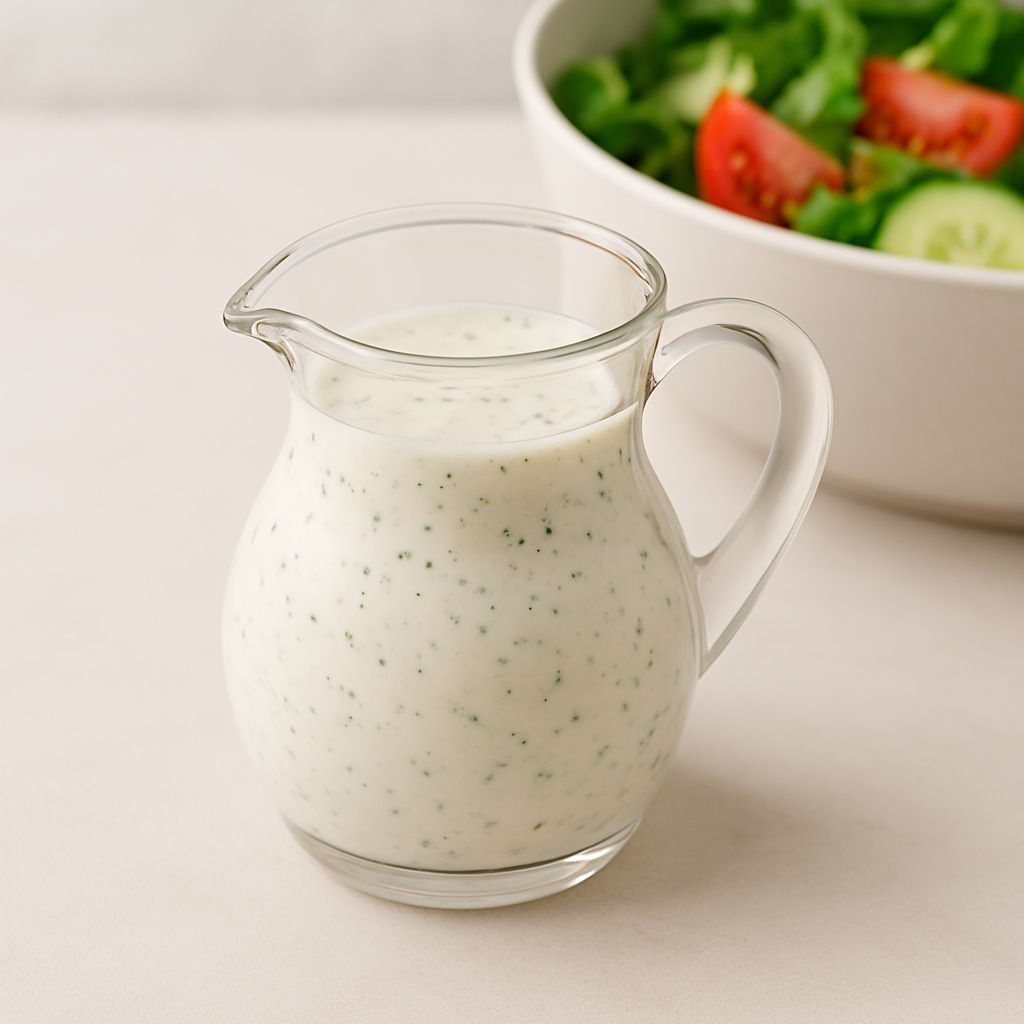
For instance, storing perishable items like ranch dressing in the refrigerator helps maintain its quality and safety. For more on how different storage methods affect various food items, check out our guide on best fridge for national avocado day.
Risks of Leaving Food Unrefrigerated
Leaving food unrefrigerated poses several risks, including:
- Bacterial Growth: Bacteria multiply rapidly at room temperature. Foods left out for extended periods can become breeding grounds for pathogens.
- Foodborne Illnesses: Consumption of improperly stored food can lead to illnesses such as salmonella, E. coli, and listeria.
- Nutrient Loss: Exposure to air and light can degrade the nutrients in food.
- Spoilage: Foods can spoil quickly when not stored at the correct temperature, leading to waste and potential health hazards.
Understanding these risks underscores the importance of adhering to general guidelines for perishable foods. For specific storage information on other items, such as how long can prune juice be kept in the fridge, refer to our detailed articles.
By recognizing the significance of proper storage and the dangers of leaving food out, you can make informed decisions about how to handle and store your food safely.
How Long Can Ranch Stay Out?
Understanding the time limits and conditions under which ranch dressing can be left unrefrigerated is essential to ensure food safety. Here, we outline general guidelines for perishable foods and factors affecting the safety of ranch dressing.
General Guidelines for Perishable Foods
Perishable foods, including ranch dressing, require proper storage to prevent the growth of harmful bacteria. According to the FDA, perishable items should not be left out at room temperature for more than two hours. If the ambient temperature is above 90°F, the time limit reduces to one hour.
| Condition | Time Limit |
|---|---|
| Room Temperature (<90°F) | Up to 2 hours |
| High Temperature (>90°F) | Up to 1 hour |
For detailed information on how long other items can stay fresh, refer to our articles on how long can pudding last in the fridge? and how long do raw burger patties last in the fridge?.
Factors Affecting the Safety of Ranch Dressing
Several factors can influence the safety of ranch dressing when left out of the fridge:
- Ingredients: Homemade ranch with fresh ingredients like dairy or herbs may spoil faster than commercial versions with preservatives.
- Temperature: Higher ambient temperatures accelerate bacterial growth, necessitating shorter time limits.
- Exposure: Direct exposure to sunlight or open air can also impact the spoilage rate.
- Container: An airtight container can slow down the spoilage process compared to an open bowl.
By understanding these factors, you can make informed decisions about how long ranch dressing can safely stay out. Always prioritize food safety to avoid potential health risks. For more tips on maintaining food quality, read our articles on best fridge for national vanilla cupcake day and best compact fridge without freezer.
Time Limits for Ranch Dressing
Room Temperature Limits
Ranch dressing, like many perishable foods, should not be left out of refrigeration for extended periods. Generally, it is recommended to limit the time ranch dressing spends at room temperature to avoid potential foodborne illnesses.
| Temperature | Time Limit |
|---|---|
| Room Temperature (68-72°F) | 2 hours |
| Above 90°F | 1 hour |
Leaving ranch dressing out at room temperature for more than the suggested time frames can increase the risk of bacterial growth, leading to spoilage and potential health risks. For more on how to properly store other foods, visit our guide on how long can pudding last in the fridge?.
Guidelines for Outdoor Events
When hosting outdoor events, it's crucial to take extra precautions to keep ranch dressing and other perishable foods safe. Higher temperatures and prolonged exposure to the elements can significantly reduce the safe time limits for ranch dressing.
| Outdoor Temperature | Time Limit |
|---|---|
| Below 70°F | 2 hours |
| 70-90°F | 1 hour |
| Above 90°F | Less than 1 hour |
To ensure food safety at outdoor gatherings, consider using insulated coolers or ice packs to keep ranch dressing and similar items chilled. Additionally, monitor the time and temperature closely to prevent spoilage. For tips on keeping food fresh during celebrations, check out our article on best fridge for national toasted marshmallow day.
Adhering to these time limits can help maintain the quality and safety of your ranch dressing, whether you are indoors or enjoying an outdoor event.
Signs of Spoilage
Knowing how to detect spoiled ranch dressing is crucial for maintaining food safety. This section will help you identify the signs of spoilage and understand when it’s time to discard the dressing.
Detecting Spoiled Ranch Dressing
Ranch dressing, like other perishable foods, can show clear signs when it has gone bad. Here are some indicators to look out for:
- Unpleasant Odor: Fresh ranch dressing has a distinct, pleasant aroma. If you notice a sour or off smell, the dressing is likely spoiled.
- Change in Color: Ranch dressing should maintain a consistent white or creamy color. A yellowish tint or any discoloration indicates spoilage.
- Texture Changes: Spoiled ranch dressing may become lumpy or watery. If the texture appears different from when it was fresh, it’s time to discard it.
- Mold Growth: Visible mold, whether green, black, or white, is a clear sign that the dressing is no longer safe to consume.
If you observe any of these signs, it’s best to err on the side of caution and discard the ranch dressing.
When to Discard Ranch
Knowing when to discard ranch dressing can prevent foodborne illness. Here are general guidelines for when it's time to throw away your ranch:
- Unrefrigerated Time: If ranch dressing has been left out at room temperature for more than two hours, it should be discarded. Bacteria can grow rapidly at temperatures between 40°F and 140°F.
- Refrigerated Shelf Life: Once opened, ranch dressing should be consumed within a few weeks. Check the expiration date on the bottle and follow it as a guideline.
- Homemade Ranch: Homemade ranch dressing, which lacks preservatives, should be consumed within one week when stored in the refrigerator.
| Condition | Time to Discard |
|---|---|
| Left out at room temperature | Over 2 hours |
| Opened, refrigerated | Follow expiration date (typically a few weeks) |
| Homemade, refrigerated | One week |
By following these guidelines, you can ensure that your ranch dressing remains safe and enjoyable. For additional food safety tips and storage guidelines, consider checking out articles like how long can pudding last in the fridge? and how long can prune juice be kept in the fridge?.
Safe Handling Practices
Tips for Keeping Ranch Fresh
To ensure your ranch stays fresh and safe to eat, it's important to follow a few key practices:
- Refrigerate Immediately: After opening, keep ranch dressing in the refrigerator. This applies to both homemade and store-bought varieties.
- Use Airtight Containers: Ensure the container is tightly sealed to prevent contamination and moisture loss.
- Observe Expiration Dates: Always check the expiration date and consume the ranch before it expires.
- Avoid Cross-Contamination: Use clean utensils each time you serve ranch to avoid introducing bacteria.
- Store at Correct Temperature: Maintain your fridge at 40°F (4°C) or below to keep ranch and other perishable items safe. For more information on fridge storage, check out our article on the best drawer refrigerator for an observatory house.
Preventing Foodborne Illness
Preventing foodborne illness is crucial when handling perishable items like ranch dressing. Here are some tips to help you keep your food safe:
- Wash Hands and Surfaces: Always wash your hands before handling food and ensure that surfaces are clean.
- Use a Thermometer: Use a fridge thermometer to ensure your refrigerator is at the correct temperature.
- Separate Foods: Keep raw foods separate from ready-to-eat items to avoid cross-contamination.
- Regularly Clean Your Fridge: Clean your fridge regularly to remove spills and spoiled food. For more details on fridge maintenance, read our article on best fridge for national watermelon month.
- Follow the 2-Hour Rule: Do not leave perishable foods, including ranch dressing, out of the fridge for more than two hours. For outdoor events, reduce this time to one hour if the temperature is above 90°F (32°C).
| Temperature (°F) | Safe Time Out of Fridge |
|---|---|
| Up to 70°F | 2 hours |
| Above 70°F | 1 hour |
By following these safe handling practices, you can enjoy ranch dressing without worrying about spoilage or foodborne illnesses. For more tips on preserving food, explore our article on how to blanch peas for freezing.