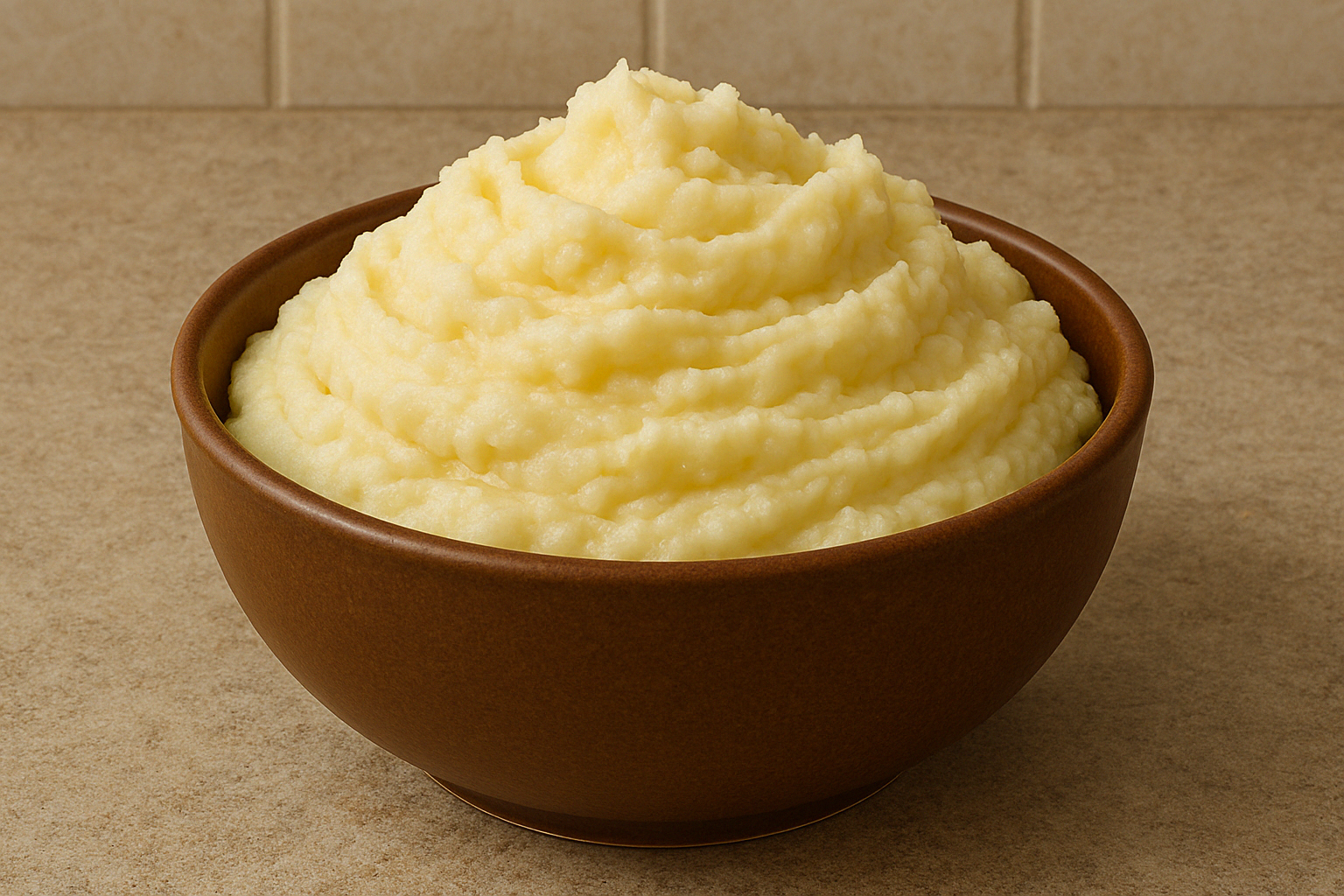
Storing Mashed Potatoes in the Fridge
Proper Storage Guidelines
To ensure your mashed potatoes stay fresh and safe to eat, it's important to follow proper storage guidelines. Begin by transferring the mashed potatoes to an airtight container. This helps to prevent exposure to air and bacteria, which can accelerate spoilage. Make sure the container is clean and dry before use.
Place the container in the refrigerator as soon as possible after cooking. It's best to let the mashed potatoes cool slightly before refrigerating, but they should not be left at room temperature for more than two hours.
Here are some key points for proper storage:
- Use airtight containers
- Refrigerate within two hours of cooking
- Store at a temperature below 40°F (4°C)
Factors Affecting Shelf Life
Several factors can influence how long mashed potatoes last in the fridge. These include the ingredients used, storage conditions, and how the potatoes were prepared.
-
Ingredients: If your mashed potatoes contain dairy products like milk, cream, or butter, they may spoil faster than those made with non-dairy alternatives.
-
Storage Conditions: The temperature of your fridge plays a crucial role. Ensure your refrigerator is set to the correct temperature, ideally below 40°F (4°C).
-
Preparation Method: How the mashed potatoes were prepared can also affect their shelf life. Potatoes mashed with clean utensils and stored in clean containers are less likely to harbor bacteria.
Below is a table summarizing the factors affecting the shelf life of mashed potatoes:
| Factor | Impact on Shelf Life |
|---|---|
| Ingredients | Dairy products may spoil faster |
| Storage Temperature | Below 40°F (4°C) is ideal |
| Preparation Method | Clean utensils and containers |
For more information on how to properly store other types of food, check out our article on how long can you keep chicken soup in the fridge.
By adhering to these guidelines and considering the factors affecting shelf life, you can maximize the freshness and safety of your mashed potatoes. For additional tips on safe food storage, visit our article on how long can you eat leftovers in the fridge.
Shelf Life of Mashed Potatoes
Understanding the shelf life of mashed potatoes is essential for food safety and quality. This section covers how long freshly made and leftover mashed potatoes can last in your fridge.
Freshly Made Mashed Potatoes
Freshly made mashed potatoes, when stored properly, can last in the fridge for 3 to 5 days. The key to maintaining their freshness is to store them in an airtight container and refrigerate them promptly after cooking.
| Storage Method | Duration |
|---|---|
| Airtight Container | 3 - 5 days |
For more tips on storing food safely, visit our article on how long can you keep chicken soup in the fridge.
Leftover Mashed Potatoes
Leftover mashed potatoes also have a similar shelf life to freshly made ones. They should be refrigerated within two hours of cooking to prevent bacterial growth. Proper storage can help them stay fresh for 3 to 5 days.
| Storage Method | Duration |
|---|---|
| Airtight Container | 3 - 5 days |
For additional information on how long various foods can last in the fridge, check out our article on how long can you eat leftovers in the fridge.
By following these guidelines, you can ensure that your mashed potatoes remain safe to eat and maintain their quality. For more helpful tips on handling and storing food, visit our related articles on how long can pretzels last in the fridge and how long can prepared food stay in the fridge.
Signs of Spoilage
When storing mashed potatoes in the fridge, it's essential to know the signs of spoilage to ensure they are safe to eat. This section will guide you through the visual changes and smell test to help you determine if your mashed potatoes have gone bad.
Visual Changes
One of the first indicators that mashed potatoes have spoiled is a change in their appearance. Here are some visual signs to look out for:
- Color Change: Fresh mashed potatoes have a creamy white or light yellow color. Spoiled mashed potatoes may develop a grayish or greenish tint.
- Mold: The presence of mold is a clear sign of spoilage. Mold can appear as fuzzy spots in various colors, including white, green, or black.
- Texture: Spoiled mashed potatoes may become watery or have an unusual consistency. Fresh mashed potatoes should be smooth and creamy.
| Visual Sign | Description |
|---|---|
| Color Change | Grayish or greenish tint |
| Mold | Fuzzy spots (white, green, black) |
| Texture | Watery or unusual consistency |
Smell Test
Another effective method to check for spoilage is the smell test. Fresh mashed potatoes have a mild, buttery scent. If your mashed potatoes have gone bad, they will emit an unpleasant odor. Here's what to look for:
- Sour Smell: A sour or rancid smell is a strong indicator that the mashed potatoes are no longer safe to eat.
- Off Odor: Any unusual or off-putting smell suggests spoilage.
Performing these checks will help ensure that your mashed potatoes are safe for consumption. For more information on how to store mashed potatoes properly, visit our section on proper storage guidelines.
By being aware of these signs of spoilage, you can enjoy your mashed potatoes safely and prevent food waste. For more tips on handling leftovers, check out our article on how long can you eat leftovers in the fridge.
Extending Shelf Life
To maximize the longevity of your mashed potatoes, consider reheating and freezing methods. These techniques not only extend shelf life but also preserve taste and texture.
Reheating Mashed Potatoes
Reheating mashed potatoes correctly ensures they retain their creamy consistency. When stored in the fridge, mashed potatoes can last 3-5 days. Here's how to reheat them safely:
- Microwave: Place the mashed potatoes in a microwave-safe dish. Add a splash of milk or cream to maintain moisture. Heat on medium power, stirring every minute until hot.
- Stovetop: Transfer the mashed potatoes to a saucepan. Add a little butter or milk and heat over medium-low heat, stirring frequently until heated through.
- Oven: Preheat your oven to 350°F (175°C). Spread the mashed potatoes in an oven-safe dish, cover with foil, and bake for 20-30 minutes or until hot.
| Method | Temperature | Time | Tips |
|---|---|---|---|
| Microwave | Medium | 1-2 minutes | Stir every minute |
| Stovetop | Medium-low | 5-10 minutes | Add butter or milk |
| Oven | 350°F (175°C) | 20-30 minutes | Cover with foil |
Freezing Mashed Potatoes
Freezing mashed potatoes is an excellent way to extend their shelf life beyond the fridge. Properly stored, they can last up to 2 months in the freezer.
Steps for Freezing:
- Cool Completely: Allow the mashed potatoes to cool to room temperature.
- Portion Control: Divide the mashed potatoes into individual portions for easy reheating.
- Packaging: Place the portions into airtight containers or freezer bags. Remove as much air as possible to prevent freezer burn.
- Labeling: Label each container with the date to keep track of storage time.
When ready to use, thaw the mashed potatoes in the fridge overnight. Reheat using one of the methods mentioned above for optimal results.
For more tips on handling leftovers, check out our article on how long can you eat leftovers in the fridge?.
By following these methods, you can enjoy your mashed potatoes for a longer period while maintaining their delicious taste and texture.
Safe Handling Practices
Knowing how to properly handle and store mashed potatoes can significantly extend their shelf life and ensure they remain safe to eat. Below are some essential practices for handling mashed potatoes safely.
Using Airtight Containers
Storing mashed potatoes in airtight containers is crucial for maintaining their freshness and preventing spoilage. Airtight containers create a barrier against air and moisture, which can cause bacteria growth and lead to foodborne illnesses.
| Storage Method | Shelf Life (Days) |
|---|---|
| Airtight Container | 3-5 |
| Open Container | 1-2 |
When placing mashed potatoes in the refrigerator, ensure the container is tightly sealed. This helps to retain the texture and flavor of the potatoes while keeping them safe to eat.
Avoiding Cross-Contamination
Cross-contamination is a significant risk when storing and handling mashed potatoes. It occurs when bacteria from other foods or surfaces come into contact with the mashed potatoes, potentially causing foodborne illnesses.
To prevent cross-contamination:
- Use clean utensils and containers.
- Store mashed potatoes away from raw meats and other perishable items.
- Keep the refrigerator at a consistent temperature of 40°F (4°C) or below.
For more information on safe food storage practices, visit our article on how long can you eat leftovers in the fridge.
By following these safe handling practices, you can ensure that your mashed potatoes remain fresh and safe to eat. For tips on how to further extend their shelf life, check out our section on freezing mashed potatoes.
Final Tips
Enjoying Mashed Potatoes Safely
To enjoy mashed potatoes safely, it’s crucial to follow proper storage and handling practices. Always store your mashed potatoes in airtight containers to keep them fresh and prevent contamination. When reheating, ensure they reach an internal temperature of 165°F to kill any potential bacteria. For more tips, check out our guide on how long can you eat leftovers in the fridge.
Preventing Food Waste
Preventing food waste is not only good for your wallet but also for the environment. Freeze any mashed potatoes you don’t plan to eat within a few days. Properly label and date your containers so you can keep track of their shelf life. For more information on freezing foods and their shelf life, read our article on how long can you keep frozen salmon in the freezer.