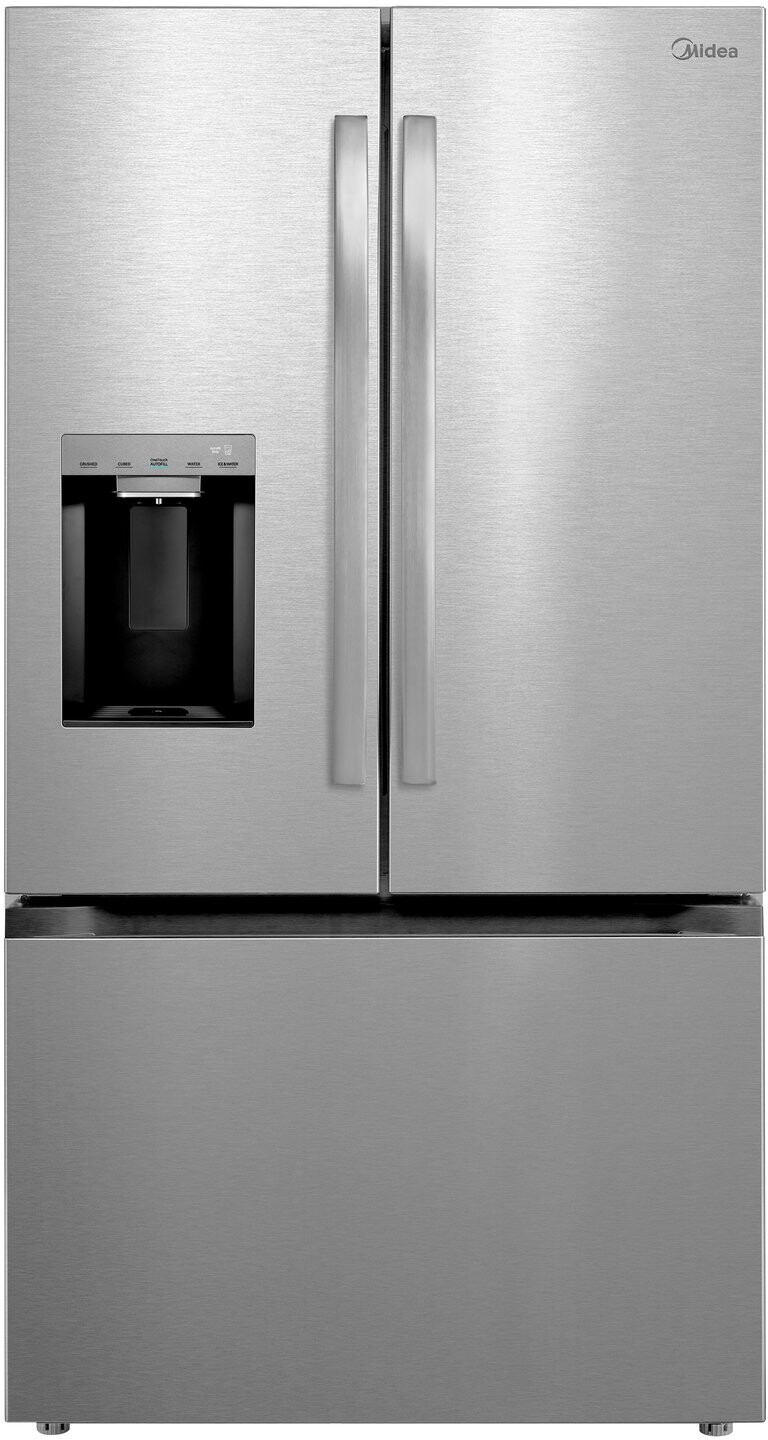
Storing Food Without Power
Why Keeping Things Cool Is a Must
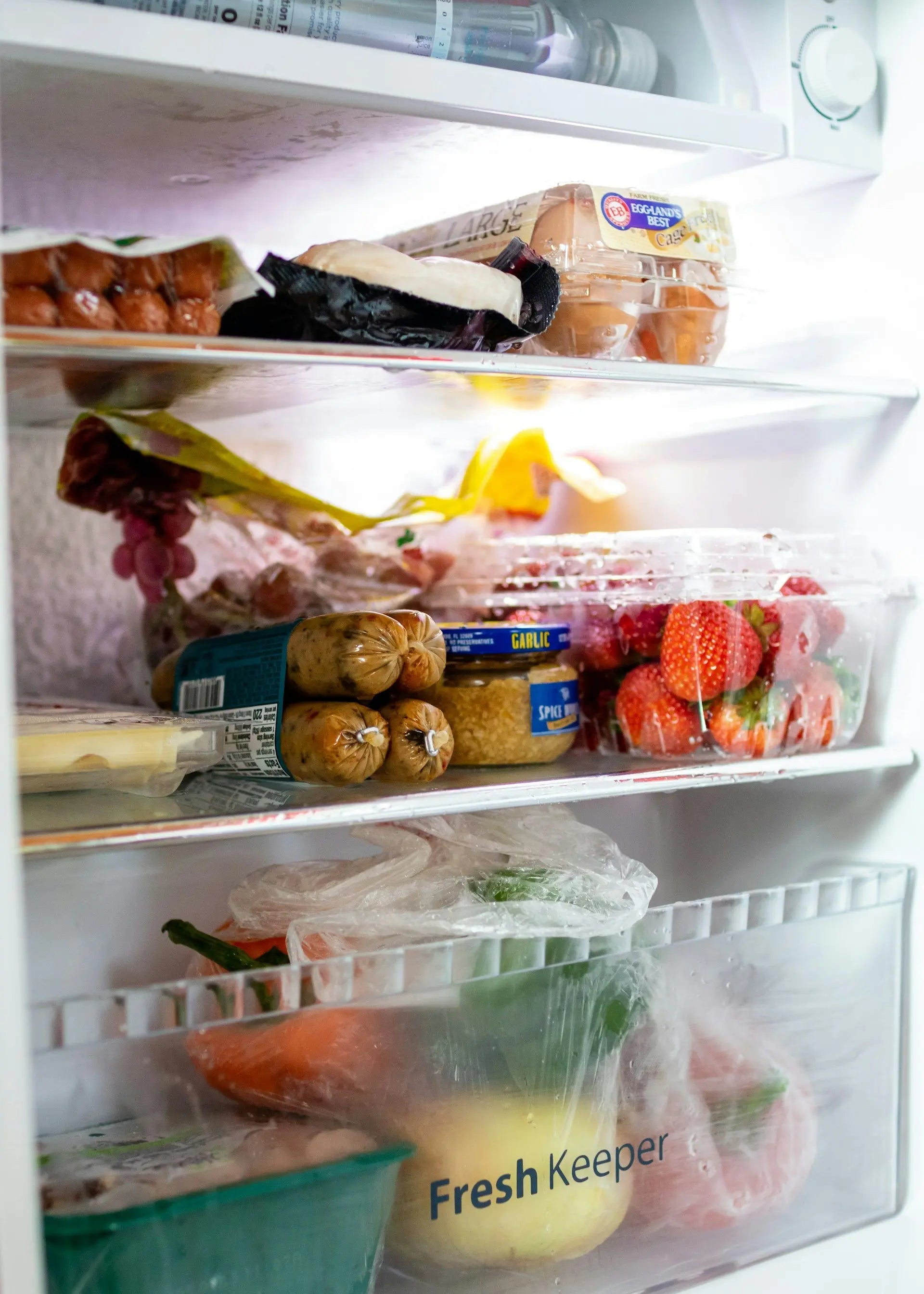
Making sure your food stays cool isn’t just about keeping it fresh; it’s also about keeping you healthy. Warmer temps give nasty bacteria the green light to multiply, which can turn perfectly good food into a health hazard. To keep everything safe, your fridge should chill at 40°F (4°C) or lower.
But, hey, life happens, and sometimes power decides to take a nap. When that happens, you’ve gotta get creative to keep everything cold. Ice packs or dry ice can step in if you’ve got them, and try to resist opening the fridge just for a peek. Every time you pop it open, you let the cool out and the warm in.

For peace of mind, stick a little thermometer in the fridge. It'll let you know what’s really going on inside your chilly fortress.

Spoilage: When Food Goes Over to the Dark Side
So the power goes poof, and now you’re wondering what to eat before it’s too late. Truth is, the clock’s ticking, and different foods haven’t read the same script on spoilage time. It all depends on what’s inside, how crowded it is in there, and what it feels like outside. Here’s a quick guide to keep you from making bad snacking choices:
| Food Type | Safe Duration Without Power |
|---|---|
| Dairy Products | 1-2 hours |
| Meat (poultry, seafood) | 1-2 hours |
| Eggs | 1-2 hours |
| Prepared Foods | 2-4 hours |
| Fruits and Vegetables | 1-2 days |
Your go-to grub like dairy and meats are the first to turn traitor when the temps climb. Meanwhile, canned and dry stuff, the true heroes, can stick it out a lot longer. Knowing which foods are on the fast track to funkiness helps you chow down on what’s good while it’s still good.
Keep an eye on your eats. If you’re fuzzy about the lights-out timeline, better safe than sorry. Regular check-ups on your stash can spare you from a bad bite and the misery that follows.
Timeline for Food Safety
When the lights blink off, your immediate concern might be the food chillin' in your fridge. Here's your go-to plan for what to do next.
Immediate Actions
The second you notice the outage, here's your checklist to make sure your food stays safe:
| Action | Timeframe |
|---|---|
| Keep the fridge and freezer doors shut | Throughout the outage |
| Peek at the fridge's temp | After 4 hours |
| Stick perishables like milk, meat, and fish at the top | For top-notch freshness |
| Pop in a thermometer and keep an eye on the cold levels | Every few hours |
Short-Term Solutions
If the blackout drags on longer than anticipated, try these quick tricks to keep that chow cool:
| Solution | Timeframe |
|---|---|
| Toss in ice packs or a heap of ice into the fridge | Good for a 24-hour stretch |
| Shift goodies to a cooler jammed with ice | For things you need now |
| Freeze those water jugs for future cooling | Pre-freeze every 1-2 days before blackouts |
| Keep those fridge and freezer doors on lockdown | Holds the cold longest |
Long-Term Considerations
For those never-ending outages, here's how to keep the grub safe:
| Action | Timeframe |
|---|---|
| Junk perishables over 40°F after no power for 24 hours | Right away |
| Jot down when the power fizzled out for smart choices | Continuously |
| Sort out other cooking ways or even start drying food | If blackout hits 48 hours or more |
| Dig into local food safety groups or donation spots | Constantly update |
Knowing just how long food stays fresh when it's powerless is key. Follow these steps to help you keep that fridge food from going bad, making sure everyone stays healthy. Curious about other food talks? Check out how long can cooked salmon chill in the fridge? for more tips!
Understanding Food Spoilage
When the lights go out and your fridge takes a break, knowing how to spot spoiled food can help you dodge upset stomachs and other less-than-pleasant consequences. It's all about checking your food stash to make sure you're not eating stuff that's gone south.
Signs of Spoiled Food
You can size up your food and spot trouble by keeping an eye out for some tell-tale signs. Here's a quick guide to help you on your way:
| Food Type | When It's a Goner |
|---|---|
| Meat and Poultry | Funky smell, slippery surface |
| Dairy Products | Weird odor, lumpy or curdled texture |
| Fruits | Moldy bits, stinky odor |
| Vegetables | Squishy feel, strange colors |
| Eggs | Awful smell once cracked open |
| Leftovers | Strange scent, major texture shifts |
If your food's throwing up any of these red flags, it's better to play it safe and toss it.
When to Discard Food
Not everything spoils at the same speed. Knowing how long food safely lasts without power is key. Check out these time frames to know when to say goodbye to different items after the power goes:
| Food Type | How Long It’s Good For |
|---|---|
| Refrigerated Meat | 1-2 hours |
| Dairy Products | 1-2 hours |
| Eggs | 4 hours |
| Fruits and Vegetables | 1-2 days |
| Leftovers | 2-4 hours |
| Hard cheeses | 6 hours |
Remember, these times might shift depending on how packed your fridge is and how warm it is around you. When in doubt, whack it out. For extra intel on food shelf-lives, check out our pieces on how long can hamburger stay in the fridge? and how long does cooked salmon last in fridge?.
Recommended Practices
When the lights go out and you're left in the dark, keeping your fridge contents fresh becomes a game of strategy. Let's chat about some solid tips that'll help you ride out those pesky power outages. The secret sauce? Keeping your fridge door shut and having an insulated cooler ready to roll!
Keeping Fridge Closed
First things first, resist the urge to peek inside your fridge every five minutes. Your fridge is like a stubborn old grandpa trying to keep cool, and it can only do that with the door shut tight. Your food stays safe and snug for around 4 hours if you keep the door closed. Here's the scoop:
| Action | Hours Staying Cool |
|---|---|
| Fridge closed | 4 |
| Freezer closed | 48 (stuffed to the gills) / 24 (not so stuffed) |
Only crack that door when you really, really need something. Every time you open it, heat rushes in like an annoying little brother. After the 4-hour mark, check if your fridge's internal temp is still below 40°F (4°C). If it is, you’re golden! For a deeper dive, check out how long can food last in fridge no power?.
Using Insulated Cooler
Think of an insulated cooler as your fridge's trusty sidekick. It's there to rescue those delicate perishables during a blackout. Here’s the lowdown:
- Pre-cool your cooler: Toss in some ice packs or frozen snacks before adding your food stash. This move keeps temps low.
- Minimal lid-flipping: Treat your cooler like your fridge—open it only when you need to.
- Stack smart: Set the most perishable goods on top, so you can grab ‘em quick without rooting around.
By sticking to these handy practices and letting your cooler do the heavy lifting, your grub stands a fighting chance against power outages. Need a little more info on food safety? Check our piece on how long does cooked salmon last in fridge?.
Foods That Last Longer
We all know what it's like when the lights go out, right? Time to think about which grub can chill a bit without its chilly home base. Some eats are cooler than others under pressure (or heat, I guess). Let's pick through the grub that croaks faster and the munchies that hang in there longer.
High-Risk Foods
Some foods are the fussy neighbors of your pantry – they spoil faster than milk in the sun. Eat 'em quick or toss 'em in a power outage, cause these guys just can't take the heat.
| Food Item | Safe Duration (with no power) |
|---|---|
| Meat (beef, pork, poultry) | 1-2 hours |
| Fish and seafood | 1-2 hours |
| Dairy products (like milk and yogurt) | 1-2 hours |
| Cooked leftovers | 1-2 hours |
| Eggs | 2 hours |
Be smart, munch on these risky treats first. If meat is your jam, peek at our articles about keeping hamburger chill and making sure your leftover salmon doesn't go stinky.
Foods with Longer Shelf Life
Now, some goodies just don't care about losing power. They stay fresh and yummy longer, becoming your trusty sidekicks during a blackout.
| Food Item | Safe Duration (with no power) |
|---|---|
| Hard cheese (think cheddar or gouda) | 6-8 hours |
| Fruits (those sturdy apples and oranges) | 1-2 days |
| Veggies (like carrots and cucumbers) | 1-2 days |
| Bread | 1-2 days |
| Condiments (ketchup or mustard) | 3-4 days |
Want to make the most of these champs? Check out tips on preserving pasta like a pro or learn how fudge fares when frozen.
By giving the boot to food waste and keeping tabs on what's perishable, you're a pro at managing those pesky power breaks. Stay cool, and keep your munchables even cooler!
Safety Measures and Next Steps
When the lights go out and you're dealing with a power outage, making sure the food in your fridge isn’t gonna turn you green is key. So, let's chat about what you can do to keep everything safe to eat.
Inspecting Food
Before you start chucking everything, give the grub a once-over. Take a good sniff, give it a poke, and eyeball it. Here’s what to look for in different foods:
| Food Type | Safe After Power Outage | Sketchy Signs |
|---|---|---|
| Dairy Products | 1 - 2 hours | Smells sour, curds floating |
| Meat & Poultry | 2 - 4 hours | Gets slimy, smells funky |
| Vegetables | 4 - 6 hours | Looking droopy, odd colors |
| Seafood | 2 hours | Smelling fishier than usual, weird color |
Toss anything that seems dodgy or has been sitting in warmth (above 40°F) for over two hours. Curious about other food safety tips? Check our article on how long does cooked salmon last in the fridge?.
Throwing Content Away
If it's off, it's off—better to be safe than sorry. Bin anything suspicious in airtight bags to keep those nasty smells locked up. Say goodbye to:
- Any form of meat or poultry
- Fish and seafood
- Milk and cheese
- Anything left to fend for itself in warm temps
If you're second-guessing something, look to our other handy guides like the one on how long can hamburger stay in the fridge?.
Cleaning and Restocking Food Items
Once you’ve cleared the nasties, it's scrub-a-dub time. Mix up some warm water with a squirt of gentle soap and wipe down your fridge. This way, the nasty germs won't linger. After it's spit-spot, re-stock it with goodies that last longer next time the juice cuts out.
Try to fill up on stuff that can handle a blackout without going bad. For some neat tricks on making your food stash last, have a look at our freezing pineapple sorbet without losing quality.
Stick to these tips, and you'll be the food safety hero in any blackout scenario!