The ideal temperature range for egg storage is 33°F to 40°F (about 0.5°C to 4°C) — cold enough to slow bacterial growth, warm enough that the eggs don't freeze:.
Once peeled, hard-boiled eggs should be eaten within 2 days.
Often, yes — eggs that have been continuously refrigerated at or below 40°F (4°C) frequently remain safe past the printed date, because sell-by and best-by dates are quality dates, not safety cutoffs.
Eggs keep for 3 to 5 weeks in the refrigerator when stored at or below 40°F (4°C) in their original carton on a middle or lower shelf — not in the door.
Eggs keep for 3 to 5 weeks in the refrigerator when stored at or below 40°F (4°C) in their original carton on a middle or lower shelf — not in the door. Hard-boiled eggs last 1 week in the shell, raw egg whites up to 4 days, and raw yolks up to 2 days. Eggs are porous, so they can absorb odors and bacteria from their surroundings; the carton protects them and slows moisture loss. Here is the full egg shelf life breakdown, the storage guidelines that maximize it, and the freshness tests that tell you when an egg has to go.
Egg Type
Refrigerator Shelf Life
Fresh Eggs
3-5 weeks
Store-Bought Eggs
3-5 weeks
Hard-Boiled Eggs
1 week
Factors Affecting Egg Shelf Life
Storing eggs correctly prevents the growth of harmful bacteria such as Salmonella. Several factors determine how long eggs remain fresh in the fridge:
Temperature: Consistent refrigeration at or below 40°F (4°C) is crucial. Fluctuations in temperature cause eggs to spoil more quickly.
Humidity: High humidity levels can cause eggs to absorb moisture, leading to bacterial growth. Keeping eggs in their original carton helps maintain the proper humidity level.
Storage Location: Eggs should be stored in the main body of the refrigerator, not in the door. The door is subject to temperature fluctuations due to frequent opening and closing, which can compromise egg freshness.
Shell Integrity: A cracked shell is an open door for bacteria. Use a cracked egg promptly (stored in a sealed container) or discard it.
Washing: Washed eggs lose their natural protective coating (the bloom), making them more susceptible to bacteria and spoilage.
Egg Type: Fresh eggs, store-bought eggs, and hard-boiled eggs have different shelf lives. Hard-boiled eggs spoil faster than raw eggs because cooking removes the shell's protective coating.
Proper egg storage is just one aspect of maintaining food safety in your home. For more tips on how to store other items, visit Fridge.com comprehensive guide on how long can you keep food in the fridge?.
How Long Can You Keep Eggs in the Fridge?
The answer depends on the type of eggs and how they are stored. Let's explore the shelf life of fresh eggs, store-bought eggs, and hard-boiled eggs.
Fresh Eggs
Fresh eggs can be stored in the refrigerator for a considerable period. When you buy eggs directly from a farm or collect them from your backyard chickens, plan on 2-3 weeks of refrigerator life, and hold off washing them until just before use so the protective bloom stays intact.
Store-bought eggs typically come with a "sell-by" or "expiration" date printed on the carton. These dates can help you determine the freshness of the eggs, but they are still safe to eat beyond these dates if stored properly.
Storage Condition
Duration
Store-bought eggs in the refrigerator
3-5 weeks from the date of purchase
As a freshness timeline: eggs are at their peak quality for the first 3 weeks, still good between 3 and 5 weeks, and become risky past 5 weeks — test before using. To ensure safety, always keep eggs in their original carton and place them in the coldest part of the refrigerator, not in the door. For more insights on storing other types of raw food, look into how long can raw meat last in the fridge?.
Hard-Boiled Eggs
Once you hard-boil eggs, their shelf life changes significantly. Hard-boiled eggs should be cooled promptly after cooking, stored in a sealed container, and handled with care to prevent spoilage.
Storage Condition
Duration
Hard-boiled eggs (in-shell) in the refrigerator
1 week
Peeled hard-boiled eggs in the refrigerator
2 days
Hard-boiled eggs do not safely stretch to 2 weeks in the fridge — 1 week in the shell is the limit, and quality slips even before that. For more tips on handling cooked food, you may find how long cooked chicken breast in the fridge? helpful.
Cracked Raw Eggs
If an egg cracks accidentally, transfer the contents to a clean, sealed container, refrigerate immediately, and use within 2 days.
Egg cartons carry one of three date types, and they do not all mean the same thing:
Date Type
Meaning
Sell By
The last day the store should have the eggs on shelves. Properly refrigerated eggs stay good for a period after this date.
Best By
The date of peak quality. Eggs stored correctly are often still usable past it — test them first.
Use By
The last recommended day to use the eggs.
The date on the carton is a quality guide, not a hard safety cutoff — refrigerated eggs commonly outlast their sell-by date when stored at or below 40°F (4°C). When in doubt, run the float test and sniff test described below before using them.
Refrigerated Egg Storage: Whole Eggs, Whites, and Yolks
Whole eggs should be stored in their original carton and placed in the coldest part of the refrigerator, typically the middle or lower shelves. Avoid storing eggs in the refrigerator door, as the temperature fluctuates more frequently.
Storage Method
Shelf Life
Whole Eggs (in carton)
3-5 weeks
Whole eggs should be checked for freshness before use. You can learn more about egg freshness tests in Fridge.com article on checking egg freshness.
Storing Egg Whites
Egg whites can be stored separately if you have leftover whites from a recipe. Place the egg whites in an airtight container and refrigerate them. Proper storage ensures that they remain usable for an extended period.
Storage Method
Shelf Life
Egg Whites (airtight container)
Up to 4 days
For longer storage, egg whites can be frozen. Simply place them in a freezer-safe container, label it with the date, and thaw them in the refrigerator when needed.
Storing Egg Yolks
Storing egg yolks can be a bit more challenging as they tend to dry out quickly. To prevent this, cover the yolks with water and store them in an airtight container in the refrigerator. Be sure to drain the water before using the yolks in your recipes.
Storage Method
Shelf Life
Egg Yolks (covered with water in airtight container)
Up to 2 days
If you need to store yolks for a longer period, consider freezing them. Add a pinch of salt or sugar to the yolks before freezing to prevent them from becoming too gelatinous.
The ideal temperature range for egg storage is 33°F to 40°F (about 0.5°C to 4°C) — cold enough to slow bacterial growth, warm enough that the eggs don't freeze:
Temperature Range
What It Means for Eggs
Below 33°F
Risk of the eggs freezing
33°F - 40°F
Ideal storage range
Above 40°F
Increased risk of spoilage
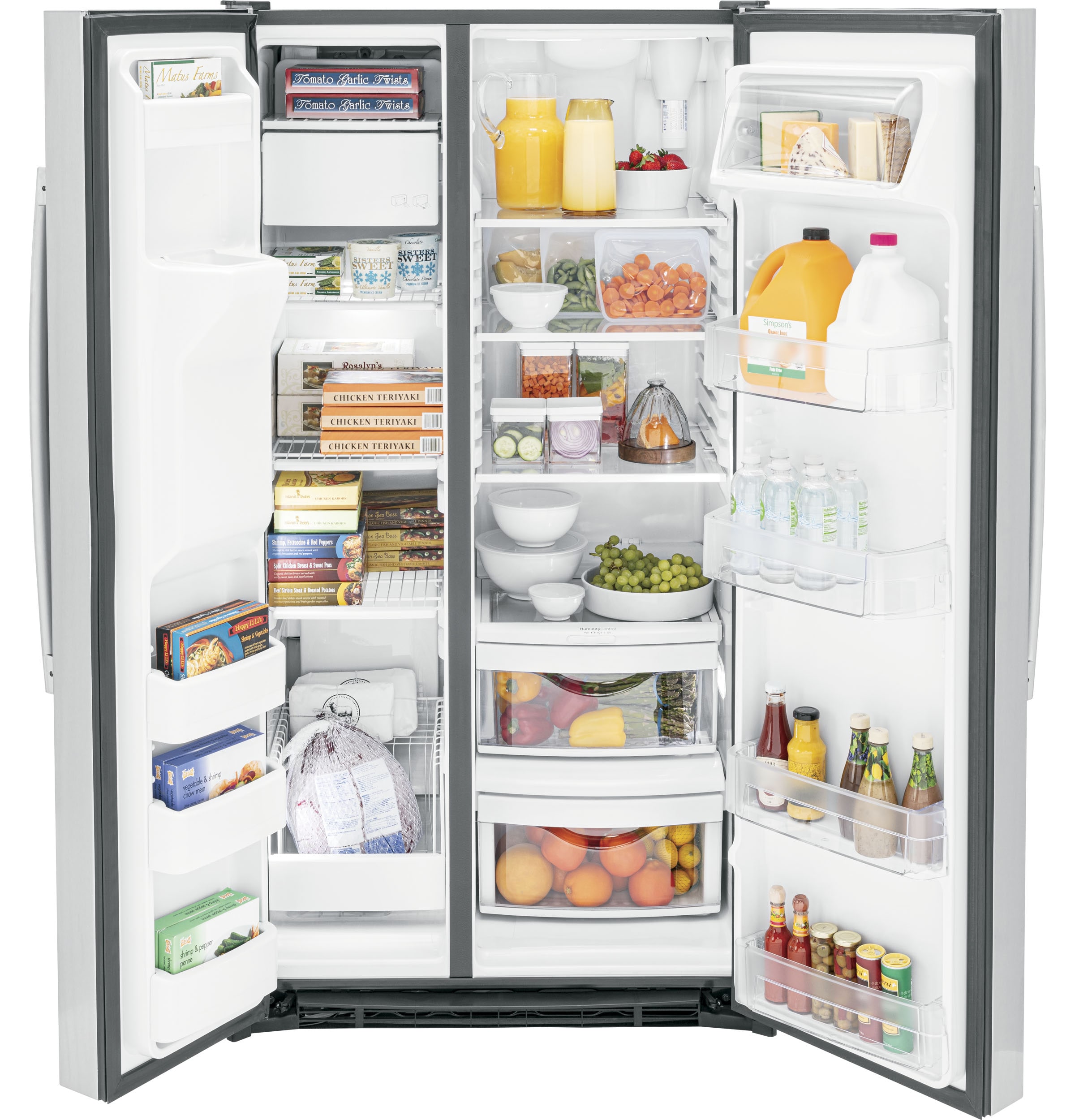
Placement inside the fridge matters because zones run at different temperatures — the back and bottom shelves hold 33°F to 40°F, while the door can run 40°F to 45°F. That is why eggs belong on a middle or lower shelf, never in the door.
Proper Egg Handling
Refrigerate Promptly: Store eggs in the fridge as soon as you bring them home. Keeping them at a consistent, cold temperature helps prevent bacterial growth.
Keep in Original Carton: The egg carton provides protection and minimizes moisture loss. It also prevents the eggs from absorbing strong odors from other foods.
Store on Middle or Lower Shelves: Place eggs in the main body of the refrigerator, not the door, to maintain a consistent temperature.
Keep Away from Strong-Smelling Foods: Eggs absorb odors readily, so position the carton away from onions, fish, and pungent leftovers.
Should You Wash Eggs Before Storing?
No. Eggs come with a natural protective coating called the bloom, which is their first line of defense against bacteria. Washing strips it off and invites contamination. If an egg is dirty, wipe it rather than washing it, and if you must rinse one, use water warmer than the egg itself — cold water can draw bacteria through the shell. Wash farm-fresh eggs only right before cooking.
Maximizing Egg Freshness
Check Expiration Dates: Use eggs before the expiration date on the carton.
Rotate Stock (FIFO): Use older eggs first and place new ones behind them in the fridge.
Mark the Purchase Date: Write the date you bought the eggs on the carton with a permanent marker so you always know how long they have been stored.
Avoid Temperature Fluctuations: Keep eggs away from temperature changes caused by frequently opening the fridge door.
Use a Clean Container: If you transfer eggs to another container, ensure it is clean and dry.
Consider Vacuum Sealing: For separated whites or yolks you want to keep longer, vacuum sealing before refrigerating or freezing extends freshness.
Egg Storage
Recommended Duration
Fresh Eggs
3-5 weeks
Egg Whites
Up to 4 days
Egg Yolks
Up to 2 days
Hard-Boiled Eggs
Up to 1 week
Dos and Don'ts of Storing Eggs in the Fridge
Dos
Don'ts
Store eggs in their original carton to protect them from absorbing strong odors.
Don't wash eggs before storing — it removes the protective coating.
Keep eggs in the main body of the fridge for a stable temperature.
Don't store eggs in the fridge door, where temperatures swing.
Check the expiration date on the carton for guidance on freshness.
Don't store eggs near foods with strong odors, which they can absorb.
Check for spoilage signs before cracking an egg into a dish.
Don't cook with expired eggs without running a float or sniff test first.
Keep the fridge at or below 40°F (4°C).
Don't leave eggs sitting at room temperature for long.
Store cracked eggs in a sealed container and use within 2 days.
Don't store eggs in the coldest spot of the fridge, which may cause freezing.
Avoiding Cross-Contamination
Wash Hands and Surfaces: Always wash your hands, utensils, and surfaces with soap and water after handling raw eggs.
Don’t Wash Eggs Before Storage: Washing eggs can remove the protective coating and increase the risk of contamination. Wash them only before use, if necessary.
Separate Raw and Cooked Foods: Keep raw eggs and egg-containing foods separate from ready-to-eat foods to avoid cross-contamination.
Crack on a Flat Surface: Cracking eggs on a flat surface rather than a bowl edge keeps shell fragments — and the bacteria on them — out of your food.
Egg Freshness Test Methods: How to Tell If Eggs Are Still Good
Four simple methods tell you whether an egg is fresh: the float test, the sniff test, a visual inspection, and the date test.
The Float Test (Water Test)
The float test is an easy way to determine the age of your eggs. All you need is a bowl of water. Follow these steps:
Fill a bowl with enough water to fully submerge the eggs.
Gently place the eggs in the water.
Here's what you should observe:
Egg Behavior
Freshness Level
Sinks and lies flat on the bottom
Very fresh
Sinks but stands upright
About 1-2 weeks old — use soon
Floats to the surface
Old, potentially unsafe to eat
An old egg floats because the air pocket inside grows as moisture escapes through the porous shell. Using this method can help you decide whether your eggs are still good to use or if they should be discarded.
The Sniff Test
The sniff test is best performed after cracking the egg open. Follow these steps:
Crack the egg into a clean bowl.
Smell the egg immediately.
Here's what you should look for:
Fresh Egg: Should have a neutral smell.
Spoiled Egg: Will have a distinct, sulfur-like odor.
Always trust your sense of smell. If the egg smells off, it's best to discard it.
Visual Inspection and Consistency Check
Before cracking, inspect the shell: a cracked shell means discard, and a dirty shell should be wiped clean or the egg discarded. After cracking, a fresh egg has a firm, rounded yolk and thick whites; watery, runny whites or a flattened, broken yolk mean the egg is past its prime.
The Date Test
Check the date on the carton — but remember eggs often outlast their sell-by date when refrigerated properly. Pair the printed date with the float test for a reliable verdict.
Never freeze eggs in their shells — they expand and crack. Instead:
Crack the eggs into a bowl.
Whisk briefly — just enough to blend, which keeps the yolks from turning gelatinous.
Pour into ice cube trays or freezer-safe containers for easy portioning.
Label with the date and the number of eggs used.
Freeze, then thaw overnight in the refrigerator when needed.
Freezing Method
Duration
Whole Eggs (beaten)
Up to 6 months
Egg Whites
Up to 12 months
Egg Yolks
Up to 12 months
Frozen eggs work best in fully cooked dishes — scrambled eggs, omelets, casseroles, and baking.
Using Eggs Beyond the Recommended Period
Risk of Using Expired Eggs
Using expired eggs can pose several health risks. As eggs age, the protective barriers break down, allowing bacteria such as Salmonella to penetrate the shell more easily. Consuming contaminated eggs can lead to foodborne illnesses, which can cause symptoms like stomach cramps, diarrhea, and fever.
To minimize the risk, always check the expiration date and perform a freshness test before using eggs. The float test is a simple method to check if an egg is still good. Place the egg in a bowl of water; if it sinks, it's fresh. If it floats, it's best to discard it.
Cooking Expired Eggs
If you decide to use eggs that are slightly past their expiration date, ensure they are cooked thoroughly. Cooking eggs at a high temperature can kill most bacteria, reducing the risk of foodborne illness. Here are a few guidelines:
Egg Dish
Minimum Internal Temperature
Scrambled Eggs
160°F (71°C)
Fried Eggs
160°F (71°C)
Boiled Eggs
160°F (71°C)
Egg Casserole
160°F (71°C)
Typical cooking times to reach doneness: scrambled eggs 5-7 minutes, fried eggs 4-5 minutes per side, hard-boiled eggs 9-12 minutes, poached eggs 3-4 minutes. Always use a food thermometer to confirm that the eggs have reached the recommended temperature.
When dealing with older eggs, use them in baked goods or dishes where eggs are fully cooked. Avoid recipes that call for raw or lightly cooked eggs, such as homemade mayonnaise or lightly scrambled eggs — or use pasteurized eggs for those dishes, which sharply reduces the risk of foodborne illness.
Using Up Eggs Before They Expire
Egg-heavy dishes are the fastest way to work through a carton approaching its date: frittatas and quiches use many eggs at once and welcome leftover vegetables; egg fried rice, shakshuka, and omelets clear several eggs per meal; deviled eggs and egg salad use up hard-boiled eggs; and cakes, cookies, breads, and custards absorb the rest. Beat and freeze whatever you can't cook in time.
Eggs are good for 3-5 weeks in the refrigerator from the date of purchase when kept at or below 40°F (4°C) in their original carton. Quality is at its peak for the first 3 weeks; past 5 weeks, test before using.
What's the shelf life of an egg?
With refrigeration, a raw egg in its shell has a shelf life of 3-5 weeks. Separated raw whites keep up to 4 days and yolks up to 2 days in an airtight container. Frozen (beaten, out of the shell), whole eggs keep up to 6 months.
Can hard-boiled eggs last 2 weeks in the fridge?
No. Hard-boiled eggs last 1 week in the refrigerator in their shells — not 2 weeks. Cooking removes the shell's protective coating, so they spoil faster than raw eggs. Past 1 week, throw them out.
How long do peeled hard-boiled eggs last?
Once peeled, hard-boiled eggs should be eaten within 2 days. Keep them in a sealed container or zip-top bag in the main body of the fridge.
Can you freeze eggs?
Yes — but never in the shell. Crack the eggs, beat them lightly (or separate whites and yolks), freeze in ice cube trays or small portions, then transfer to a labeled freezer bag. Beaten whole eggs keep up to 6 months; whites and yolks keep up to 12 months. Thaw in the refrigerator and use in fully cooked dishes.
Can eggs absorb smells in the fridge?
Yes. Eggshells are porous, so eggs readily absorb odors from strong-smelling foods like onions and fish. Keeping eggs in their original carton and away from pungent foods blocks odor transfer and slows moisture loss.
Is it safe to eat eggs after the expiration date?
Often, yes — eggs that have been continuously refrigerated at or below 40°F (4°C) frequently remain safe past the printed date, because sell-by and best-by dates are quality dates, not safety cutoffs. Run the float test and sniff test first, and cook the eggs thoroughly to 160°F (71°C).
Should eggs be stored in the original carton?
Yes. The carton protects eggs from absorbing odors, minimizes moisture loss, shields the shells from damage, and shows the packing date so you can track freshness.
Why shouldn't you wash eggs before storing them?
Washing removes the bloom — the egg's natural protective coating — which lets bacteria penetrate the porous shell. Wipe dirty eggs instead, and wash only right before cooking.
What temperature should the fridge be for storing eggs?
Keep the refrigerator between 33°F and 40°F (about 0.5°C to 4°C). Below 33°F the eggs risk freezing; above 40°F spoilage accelerates. Store the carton on a middle or lower shelf, since the door can run 40°F to 45°F.
Compare prices on Fridge.com
Compare current prices and specifications on Fridge.com, then buy from the retailer you choose; delivery, installation and warranty terms are the retailer’s.
It also has tons of awesome articles about kitchen stuff and home news. Enhance your home, garage, backyard, patio, and office with the coolest essentials. With every necessary type of residential refrigerator or freezer in the collection, you're covered.
Frequently Asked Questions
The answer depends on the type of eggs and how they are stored. Let's explore the shelf life of fresh eggs, store-bought eggs, and hard-boiled eggs.