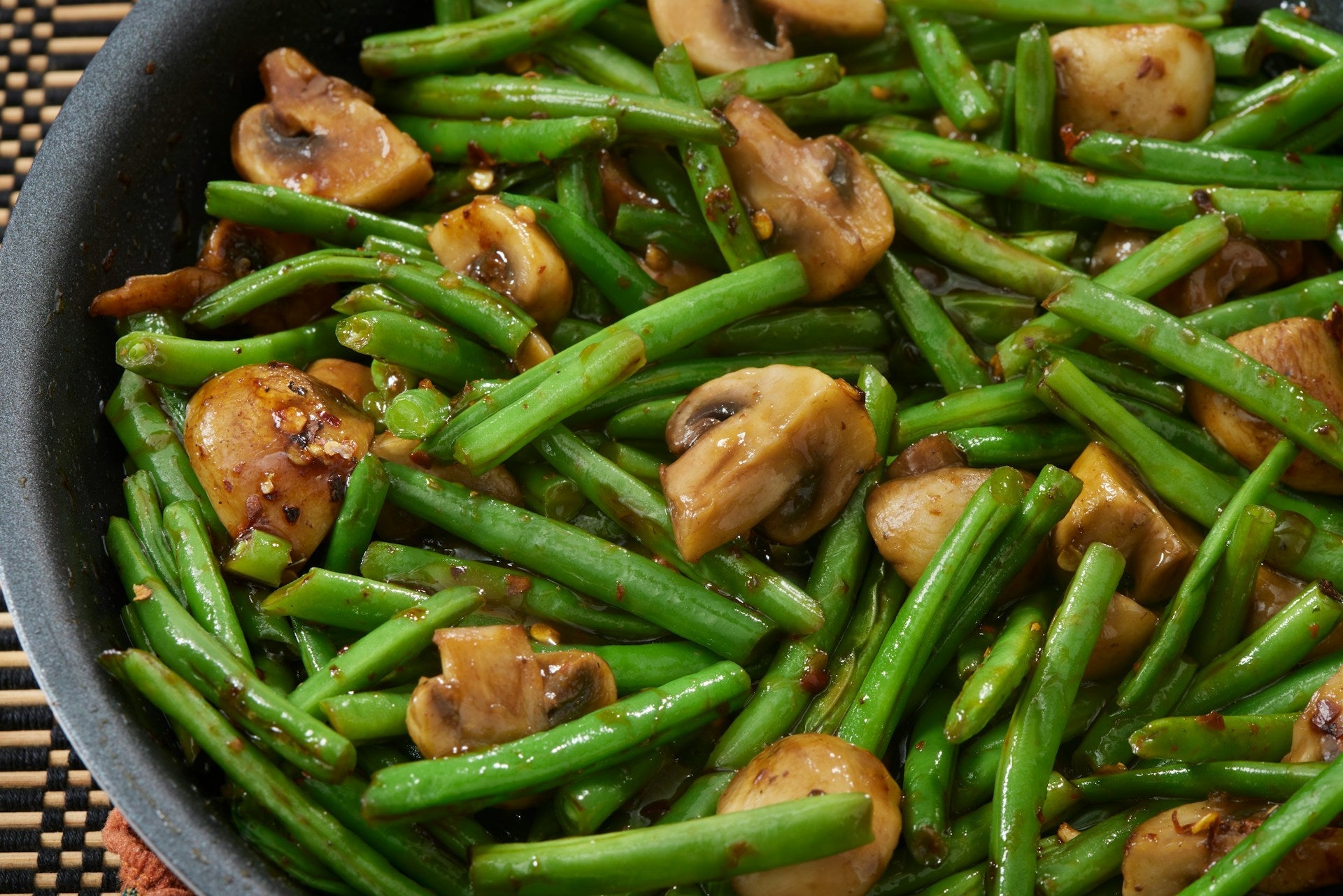
Storing Cooked Vegetables in the Fridge
Proper storage of cooked vegetables in the refrigerator is crucial for maintaining their freshness and ensuring food safety. Let's explore why proper storage is important and the factors that affect the shelf life of cooked vegetables.
Importance of Proper Storage
Storing cooked vegetables correctly helps preserve their nutritional value, flavor, and texture. Proper storage also minimizes the risk of foodborne illnesses. Cooked vegetables should be stored in airtight containers to prevent exposure to air and contaminants. Using appropriate containers also helps maintain moisture levels, preventing the vegetables from drying out or becoming soggy.
Factors Affecting Shelf Life
Several factors can influence how long cooked vegetables remain safe and tasty in the fridge. These include:
- Type of Vegetable: Different vegetables have varying shelf lives. For instance, leafy greens may spoil faster than root vegetables.
- Storage Temperature: The fridge should be set at or below 40°F (4°C) to slow down bacterial growth.
- Humidity Levels: Proper moisture levels can extend the freshness of cooked vegetables.
- Initial Freshness: The fresher the vegetables were before cooking, the longer they are likely to last after being cooked.
- Handling and Preparation: Proper handling, such as washing hands and using clean utensils, reduces the risk of contamination.
| Factor | Impact on Shelf Life |
|---|---|
| Type of Vegetable | Varies (leafy greens spoil faster) |
| Storage Temperature | Below 40°F (4°C) recommended |
| Humidity Levels | Proper moisture extends freshness |
| Initial Freshness | Fresher vegetables last longer |
| Handling and Preparation | Clean handling reduces contamination |
Understanding these factors can help you optimize the storage of cooked vegetables. For specific timeframes on how long different vegetables last, refer to our section on how long are cooked vegetables good in the fridge?.
By following proper storage practices, you can enjoy the taste and nutritional benefits of your cooked vegetables for longer periods. For more details on how to store specific types of vegetables, check out our related articles on how long are carrots good for in the refrigerator? and how long are cooked onions good for in the fridge?.
Guidelines for Refrigerating Cooked Vegetables
Proper storage of cooked vegetables in the fridge is essential to maintaining their quality and safety. Here are some general recommendations and specific timeframes for various vegetables.
General Recommendations
- Cool Quickly: After cooking vegetables, allow them to cool to room temperature before storing them in the fridge. This helps prevent bacterial growth.
- Use Airtight Containers: Store vegetables in airtight containers or resealable bags to keep them fresh and prevent odors from spreading within the fridge.
- Label and Date: Label containers with the date of storage to keep track of how long they have been refrigerated.
Specific Timeframes for Various Vegetables
Different vegetables have varying shelf lives in the fridge. Here are some general guidelines for how long cooked vegetables are good in the fridge:
| Vegetable | Refrigerator Storage Time |
|---|---|
| Carrots | 3-5 days |
| Broccoli | 3-4 days |
| Spinach | 3-5 days |
| Green Beans | 3-5 days |
| Bell Peppers | 3-5 days |
| Cauliflower | 3-5 days |
| Zucchini | 3-4 days |
| Asparagus | 3-4 days |
| Peas | 3-5 days |
| Potatoes | 3-5 days |
These timeframes are general recommendations and may vary based on how the vegetables were cooked and stored. Always check for signs of spoilage before consuming.
For more detailed guidelines on specific vegetables, refer to our related articles:
- how long are carrots good for in the refrigerator?
- how long are cooked onions good for in the fridge?
Proper storage extends the shelf life of your cooked vegetables and ensures they remain safe to eat. For more tips on food storage, check out our articles on how do you store deviled eggs in the refrigerator? and how long are baked beans good in the refrigerator?.
Extended Storage Tips
Proper Containers for Longer Freshness
To keep cooked vegetables fresh in the fridge, selecting the right containers is essential. Airtight containers prevent moisture and air from entering, which helps maintain the vegetables' texture and flavor. Glass containers are often preferred because they do not absorb odors and are easy to clean. However, high-quality plastic containers can also be effective.
Using containers with a secure seal can extend the shelf life of your cooked vegetables. Vacuum-sealed bags are another option, as they remove air, reducing the risk of spoilage.
| Container Type | Benefits |
|---|---|
| Glass Containers | Non-porous, retains flavor, easy to clean |
| Plastic Containers | Lightweight, affordable, various sizes |
| Vacuum-sealed Bags | Removes air, reduces spoilage risk |
Labeling and Organization
Proper labeling and organization can help you keep track of how long your cooked vegetables have been stored. Always label containers with the date of storage. This practice ensures you use the oldest items first, reducing waste.
Organizing your fridge can also help maintain the quality of your stored vegetables. Keep cooked vegetables in a designated area, separate from raw produce and other leftovers. This reduces the risk of cross-contamination and allows you to quickly locate what you need.
For more tips on storing various foods, you might find our articles on how long are carrots good for in the refrigerator? and how long are sausage balls good for in the fridge? helpful.
Implementing these storage tips can keep your cooked vegetables fresher for longer, ensuring you make the most out of your meals. For more information on food safety and storage, visit our other related articles like how long are cooked ribs good in the refrigerator? and how long are cooked eggs good in the refrigerator?.
Signs of Spoilage
How to Tell If Cooked Vegetables Have Gone Bad
Identifying spoilage in cooked vegetables is crucial for maintaining food safety. There are several indicators to watch for that suggest your cooked vegetables have gone bad:
- Smell: Spoiled vegetables often emit a sour or off-putting odor.
- Appearance: Look for visible signs of mold, discoloration, or an unusually slimy texture.
- Taste: If the vegetables taste off or sour, they are likely spoiled.
- Texture: A mushy or overly soft texture can indicate that the vegetables are no longer good.
When to Safely Discard
Knowing when to discard cooked vegetables is essential to avoid foodborne illnesses. Here are some general guidelines:
- Storage Time: Cooked vegetables typically last 3-7 days in the refrigerator. For specific vegetables, refer to our general recommendations.
- Temperature: If cooked vegetables have been left out at room temperature for more than 2 hours, they should be discarded.
- Appearance and Smell: If you notice any signs of spoilage such as mold, bad odor, or discoloration, it’s best to throw them away immediately.
| Vegetable Type | Shelf Life in Fridge | Signs of Spoilage |
|---|---|---|
| Carrots | 3-5 days | Slimy texture, off smell |
| Broccoli | 3-5 days | Yellowing, mushy texture |
| Spinach | 3-5 days | Wilting, sour smell |
| Green Beans | 3-5 days | Softness, bad odor |
| Peppers | 4-7 days | Mold, soft spots |
For more detailed information on specific vegetables, check out our article on how long are carrots good for in the refrigerator?.
By understanding the signs of spoilage and knowing when to discard cooked vegetables, you can ensure that your food remains safe to eat. For more tips on food storage, explore our articles on how long are cooked onions good for in the fridge? and how long are baked beans good in the refrigerator?.
Reheating Cooked Vegetables
Best Practices for Reheating
Reheating cooked vegetables can be done effectively while maintaining their nutritional value and taste. Here are some best practices for reheating your veggies:
-
Microwave: Place the vegetables in a microwave-safe dish, cover them with a microwave-safe lid or damp paper towel, and heat on medium power. Stir occasionally to ensure even heating.
-
Oven: Preheat your oven to 350°F (175°C). Spread the vegetables on a baking sheet and cover with aluminum foil. Heat for 10-15 minutes, checking periodically.
-
Stovetop: Use a non-stick skillet or saucepan over medium heat. Add a small amount of water or oil to prevent sticking. Stir occasionally until heated through.
-
Steamer: Place the vegetables in a steamer basket over boiling water. Cover and steam for 5-10 minutes.
-
Air Fryer: Set the air fryer to 375°F (190°C). Place the vegetables in the basket and heat for 5-7 minutes.
Avoiding Foodborne Illness
Proper reheating is crucial to avoid foodborne illnesses. Here are some tips to ensure safety:
-
Temperature: Always reheat vegetables to an internal temperature of 165°F (74°C) to kill any harmful bacteria. Use a food thermometer to check.
-
Even Heating: Ensure that the vegetables are heated evenly. Stir or rotate them during the reheating process to avoid cold spots.
-
Reheat Once: Try to reheat only what you plan to eat. Repeated reheating can increase the risk of bacterial growth.
-
Storage Duration: Be aware of how long your cooked vegetables have been stored. For specific timeframes, refer to our section on how long are cooked vegetables good in the fridge?.
-
Containers: Use microwave-safe or oven-safe containers when reheating. Avoid plastic containers not labeled for microwave use, as they can release harmful chemicals when heated.
By following these best practices and safety tips, you can enjoy your reheated vegetables safely and deliciously. For more information on storing and reheating other types of food, explore our articles on how long are cooked ribs good in the refrigerator? and how long are baked beans good in the refrigerator?.
| Reheating Method | Temperature | Time |
|---|---|---|
| Microwave | Medium Power | 2-3 minutes |
| Oven | 350°F (175°C) | 10-15 minutes |
| Stovetop | Medium Heat | 5-7 minutes |
| Steamer | Boiling Water | 5-10 minutes |
| Air Fryer | 375°F (190°C) | 5-7 minutes |
Creative Ways to Use Leftover Cooked Vegetables
Ideas for Repurposing Leftovers
Leftover cooked vegetables can be a versatile addition to many dishes, helping you reduce food waste and create delicious meals. Here are some creative ways to repurpose those leftovers:
- Stir-Fries: Toss your leftover vegetables into a hot pan with a bit of oil, soy sauce, and your favorite protein for a quick and healthy stir-fry.
- Omelets or Frittatas: Add cooked vegetables to your morning eggs for a nutrient-packed breakfast.
- Soups and Stews: Enhance your soups and stews by adding cooked veggies for extra flavor and nutrition.
- Salads: Mix leftover vegetables into your salads for a hearty twist.
- Casseroles: Incorporate leftover veggies into casseroles for added texture and taste.
- Pasta Dishes: Stir cooked vegetables into pasta dishes for a colorful and nutritious meal.
- Tacos and Wraps: Use cooked vegetables as fillings for tacos or wraps.
- Pizza Toppings: Add leftover veggies to your pizza for a healthy and tasty topping.
Recipes to Try
Here are a few recipes to inspire you to use up those leftover cooked vegetables:
Vegetable Fried Rice
Ingredients:
- 2 cups of leftover cooked vegetables
- 2 cups of cooked rice
- 1 onion, chopped
- 2 cloves garlic, minced
- 2 tablespoons soy sauce
- 1 tablespoon sesame oil
- 2 eggs, beaten
Instructions:
- Heat the sesame oil in a large pan over medium heat.
- Add the onion and garlic, and sauté until fragrant.
- Stir in the leftover vegetables and cook for a few minutes.
- Add the cooked rice and soy sauce, and mix well.
- Push the rice to one side of the pan and pour in the beaten eggs. Scramble the eggs until cooked, then mix them into the rice.
- Serve hot and enjoy.
Vegetable Soup
Ingredients:
- 3 cups of leftover cooked vegetables
- 4 cups of vegetable broth
- 1 can of diced tomatoes
- 1 onion, chopped
- 2 cloves garlic, minced
- 1 teaspoon dried thyme
- Salt and pepper to taste
Instructions:
- In a large pot, sauté the onion and garlic until softened.
- Add the leftover vegetables, vegetable broth, diced tomatoes, and thyme.
- Bring to a boil, then reduce the heat and let simmer for 20 minutes.
- Season with salt and pepper to taste.
- Serve hot with some crusty bread.
Veggie Omelet
Ingredients:
- 1 cup of leftover cooked vegetables
- 3 eggs
- 1/4 cup shredded cheese
- Salt and pepper to taste
- 1 tablespoon butter
Instructions:
- Beat the eggs in a bowl, and season with salt and pepper.
- Heat the butter in a non-stick pan over medium heat.
- Pour the eggs into the pan and cook until they begin to set.
- Add the leftover vegetables and cheese to one side of the omelet.
- Fold the omelet in half and cook until the cheese is melted.
- Serve hot and enjoy.
For more storage tips, check out our articles on how long are carrots good for in the refrigerator? and how long are cooked onions good for in the fridge?. These ideas and recipes can help you make the most of your leftovers, ensuring that no food goes to waste.
Freezing Cooked Vegetables
Freezing cooked vegetables is an excellent way to extend their shelf life and reduce food waste. Understanding the correct techniques for freezing and knowing the recommended storage duration will help you enjoy your cooked veggies for longer.
Freezing Techniques
To freeze cooked vegetables properly, follow these steps:
- Cool Down Quickly: Allow the vegetables to cool completely after cooking. Rapid cooling helps prevent the formation of ice crystals, which can affect texture.
- Blanch if Necessary: Some vegetables benefit from blanching before freezing. Blanching involves briefly boiling the vegetables and then plunging them into ice water to stop the cooking process.
- Portioning: Divide the vegetables into serving-sized portions. This makes it easier to thaw only what you need.
- Packaging: Place the portions in airtight containers or freezer bags. Remove as much air as possible to prevent freezer burn.
- Labeling: Clearly label the containers with the date and type of vegetable. This helps you keep track of how long they have been stored.
For more tips on organizing your freezer, check out our article on garage ready 7 cu ft manual defrost chest freezer.
Recommended Storage Duration
Different vegetables have varying storage durations when frozen. Here are some general guidelines:
| Vegetable | Recommended Freezing Duration |
|---|---|
| Carrots | 10 to 12 months |
| Broccoli | 8 to 12 months |
| Spinach | 10 to 12 months |
| Peas | 8 to 12 months |
| Green Beans | 8 to 12 months |
It's important to note that while frozen vegetables can last for these durations, their quality may decline over time. For optimal taste and texture, try to use them within the recommended period.
For more information on how long certain foods last, visit our articles on how long are carrots good for in the refrigerator?, how long can cooked crab cakes stay in the fridge?, and how long are sugar cookies good for in the fridge?.
Freezing cooked vegetables is a practical and efficient way to make the most of your leftovers and ensure you have nutritious options readily available.
FAQs about Storing Cooked Vegetables
Answers to Common Questions
How long are cooked vegetables good in the fridge?
Cooked vegetables typically last 3 to 7 days in the refrigerator. The exact duration can vary based on the type of vegetable and how it was cooked and stored.
| Vegetable Type | Refrigerator Shelf Life |
|---|---|
| Leafy Greens (e.g., spinach) | 3-5 days |
| Root Vegetables (e.g., carrots) | 5-7 days |
| Cruciferous Vegetables (e.g., broccoli) | 3-5 days |
| Squash (e.g., zucchini) | 3-4 days |
| Peppers | 4-5 days |
For specific vegetables, refer to articles like how long are carrots good for in the refrigerator? for detailed information.
Can you store cooked vegetables in any container?
It's best to use airtight containers to store cooked vegetables. This helps keep them fresh longer by preventing moisture loss and protecting them from odors in the fridge.
Is it safe to eat cooked vegetables left out overnight?
No, cooked vegetables left out at room temperature for more than two hours should be discarded to avoid the risk of foodborne illness.
Can you freeze cooked vegetables?
Yes, you can freeze cooked vegetables for extended storage. For best practices on freezing, see our section on freezing cooked vegetables.
Additional Tips for Food Safety
- Labeling: Always label your containers with the date they were cooked. This helps you keep track of how long they have been stored.
- Temperature: Ensure your refrigerator is set at 40°F (4°C) or below to keep your vegetables fresh.
- Reheating: When reheating cooked vegetables, make sure they reach an internal temperature of 165°F (74°C) to kill any potential bacteria. Read more about best practices for reheating cooked vegetables.
- Avoid Cross-Contamination: Keep cooked vegetables separate from raw foods to reduce the risk of cross-contamination.
By following these guidelines, you can ensure that your cooked vegetables remain fresh and safe to eat for as long as possible.