Lifting the Weight: How Heavy Is a Fridge to Move?
Moving a fridge might feel a bit nerve-wracking, but figuring out its weight can ease your worries. Fridges differ in weight based on their type, and a few things might make a fridge heavier than you'd expect.
Understanding the Weight of a Fridge
Generally, fridges tip the scales between 100 to 400 pounds. But remember, those numbers can shift with different styles and gadgets in each fridge. Here's a quick cheat sheet on fridge weights:
Refrigerator Type
Average Weight (lbs)
Top-Freezer
150 - 250
Bottom-Freezer
200 - 300
Side-by-Side
250 - 400
French Door
250 - 350
Keep these averages in your noggin when planning your move. Your fridge’s style changes not only how heavy it is but also how easily it can be shifted from place to place.
Factors Influencing the Weight
A handful of things can add extra pounds to your fridge:
Size: Bigger fridges pack on more pounds. A jumbo fridge will weigh more than a mini version.
Features: Extras like ice machines, water fountains, or smart doohickeys add pounds.
Materials: Stuff like shelves and outer shells can bump up the weight.
Insulation: More guts inside for keeping the cold in equals a heavier fridge.
Figuring out the weight of fridges comes in handy when you're planning to move one or buy yourself a new one. Here’s a look at the big players in the fridge universe and their usual heft.
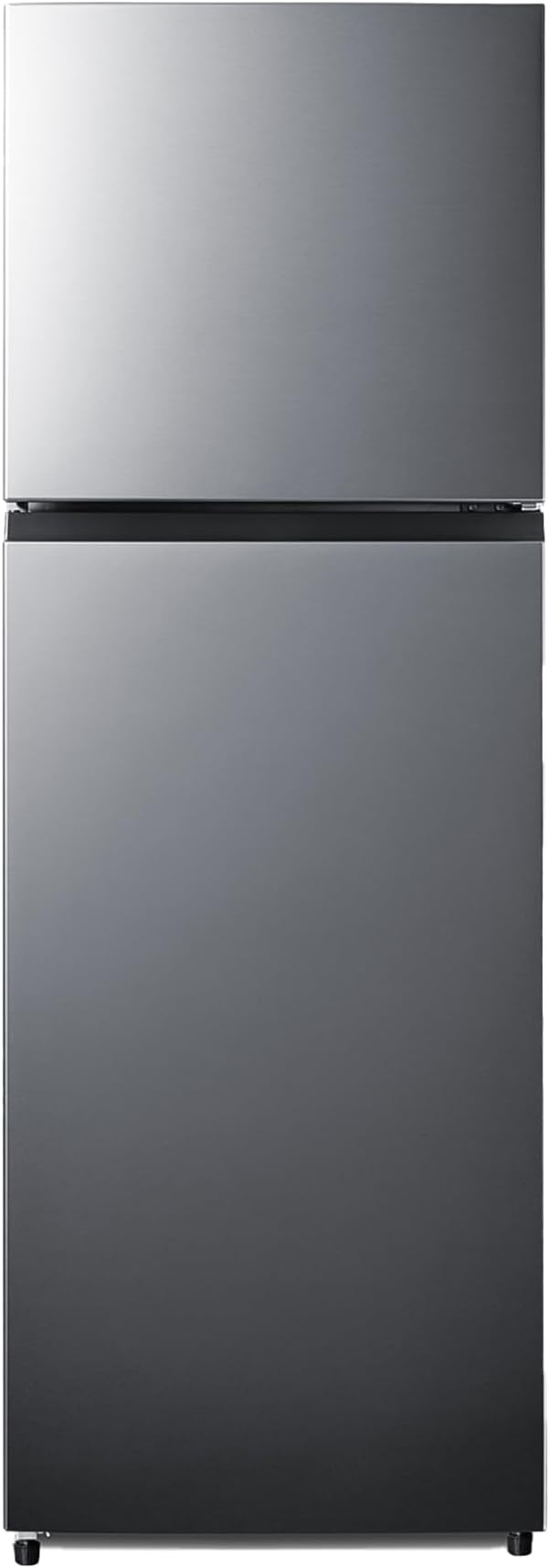
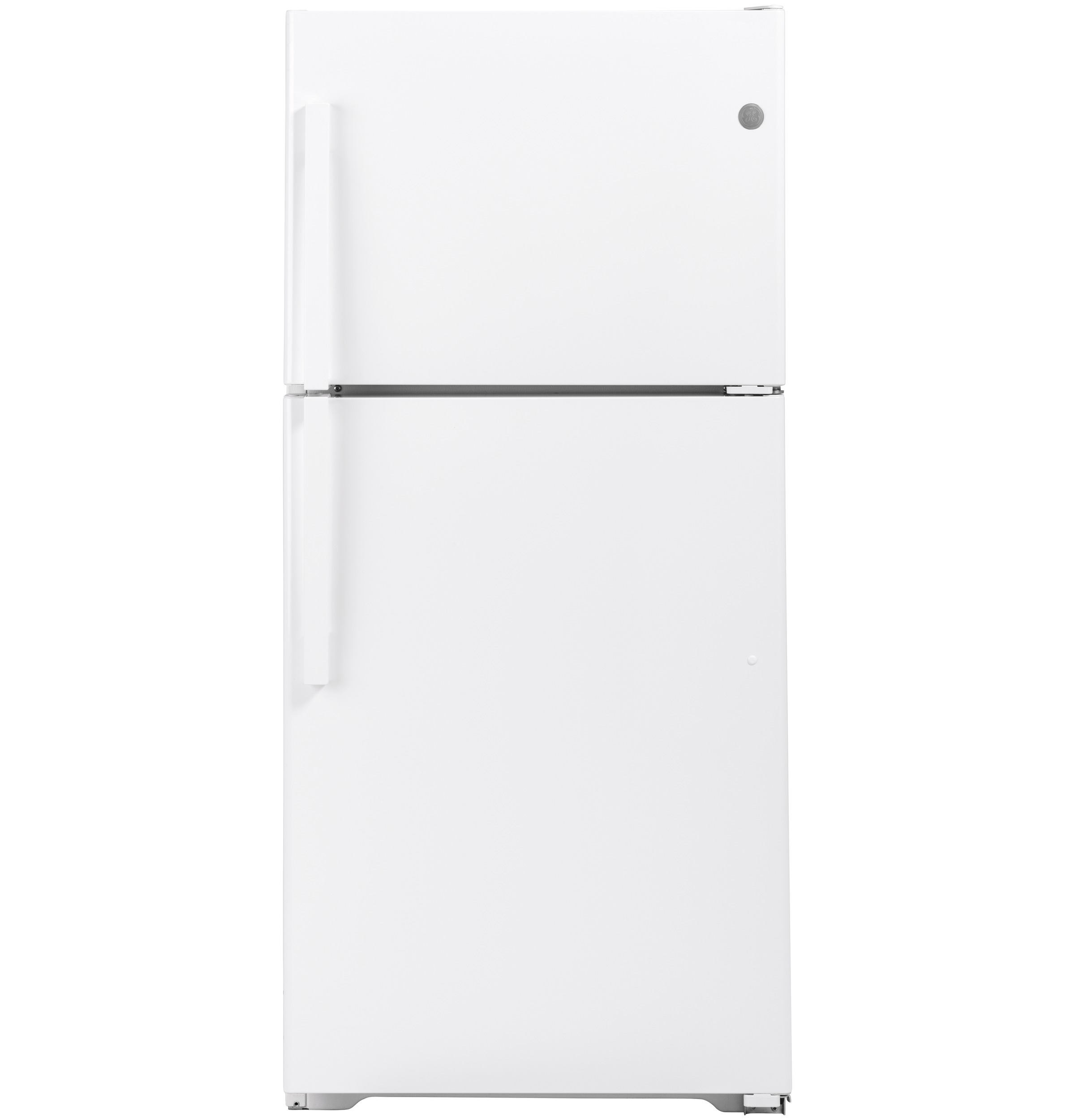
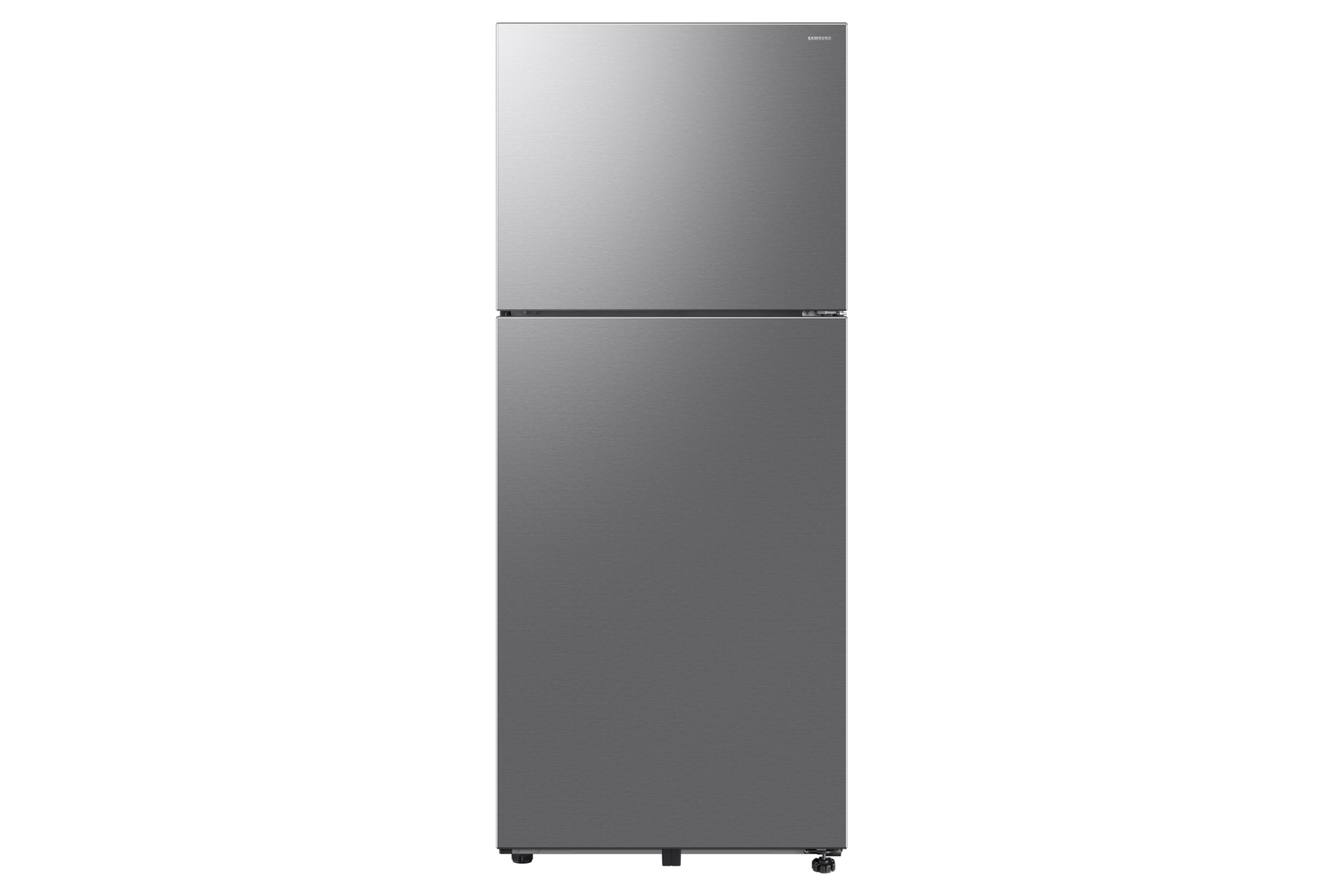
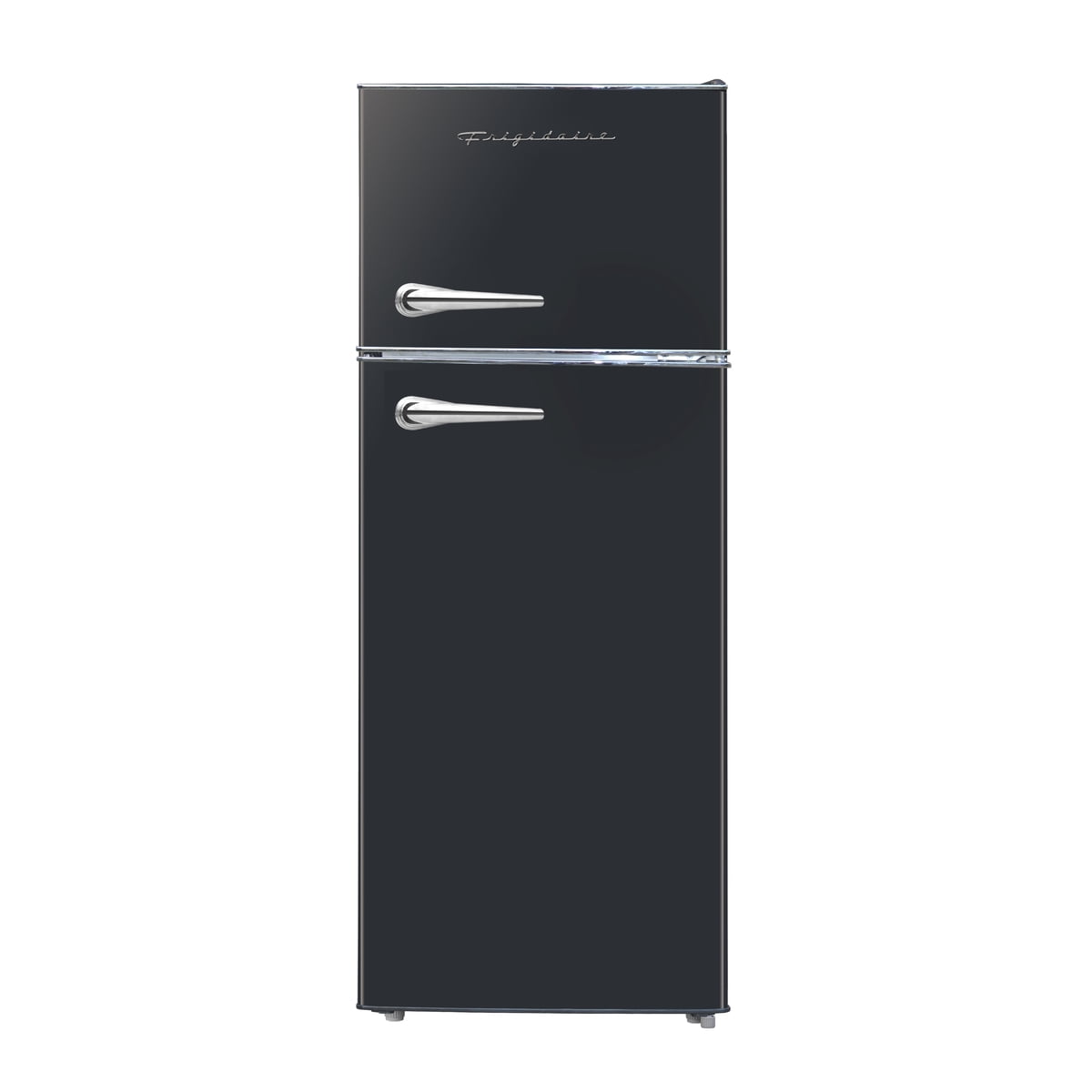
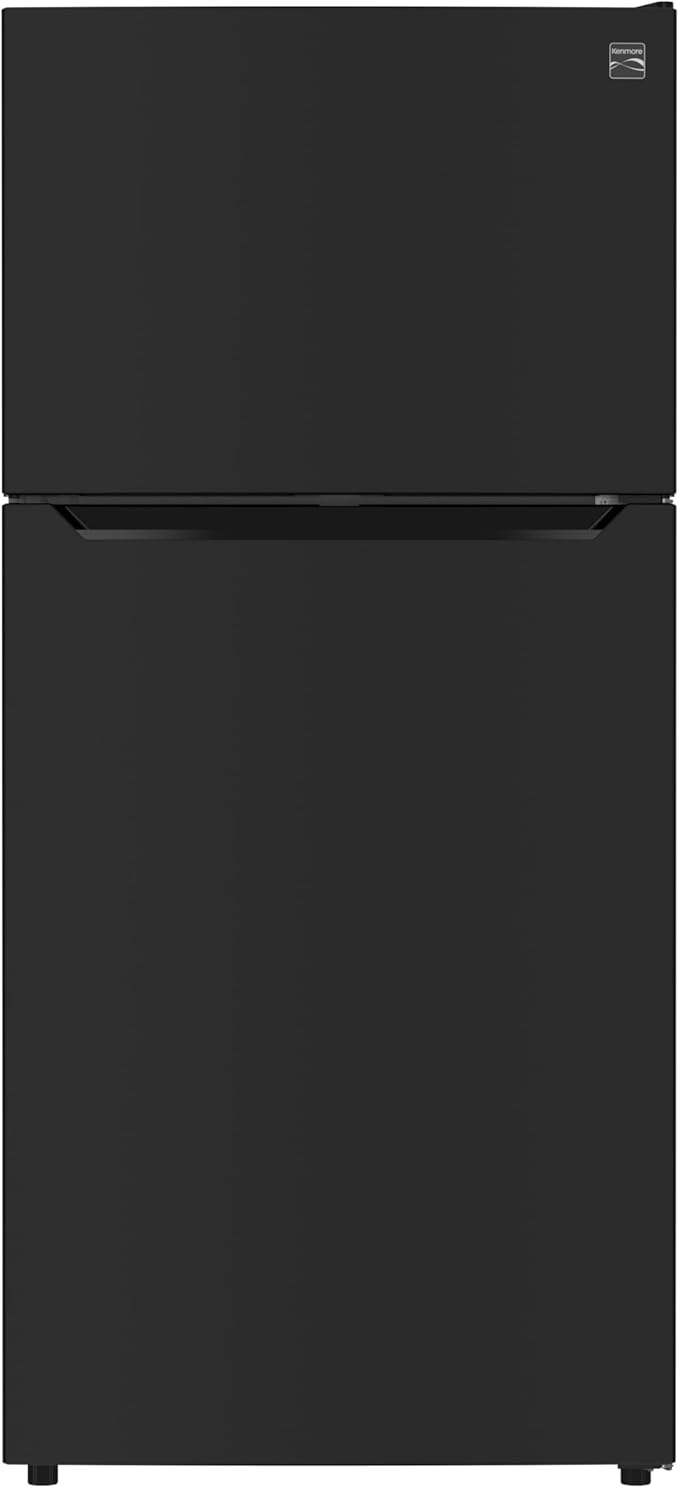
Top-Freezer Refrigerators
These old-school gems have the freezer sitting right on top. Easy on the wallet and no-nonsense in their design, they’re a classic choice for anyone.
Model Type
Average Weight (lbs)
Top-Freezer Refrigerator
150 - 250
Bottom-Freezer Refrigerators
In this setup, the freezer hangs out below the fridge section. People love them because they get you to eye-level with the stuff you reach for most often. But watch out—they may tip the scales a bit more because of the extra goodies packed in.
Model Type
Average Weight (lbs)
Bottom-Freezer Refrigerator
200 - 300
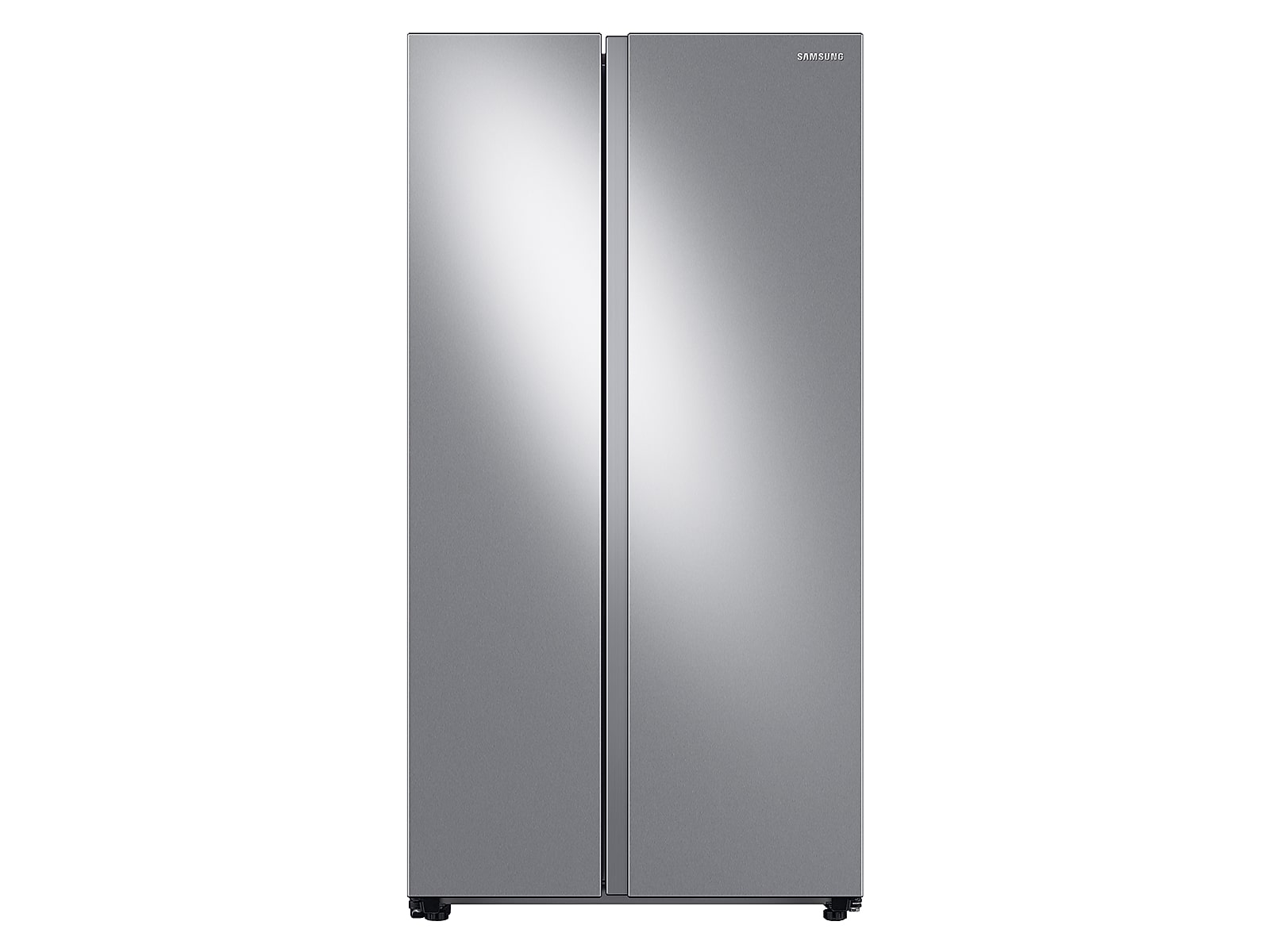
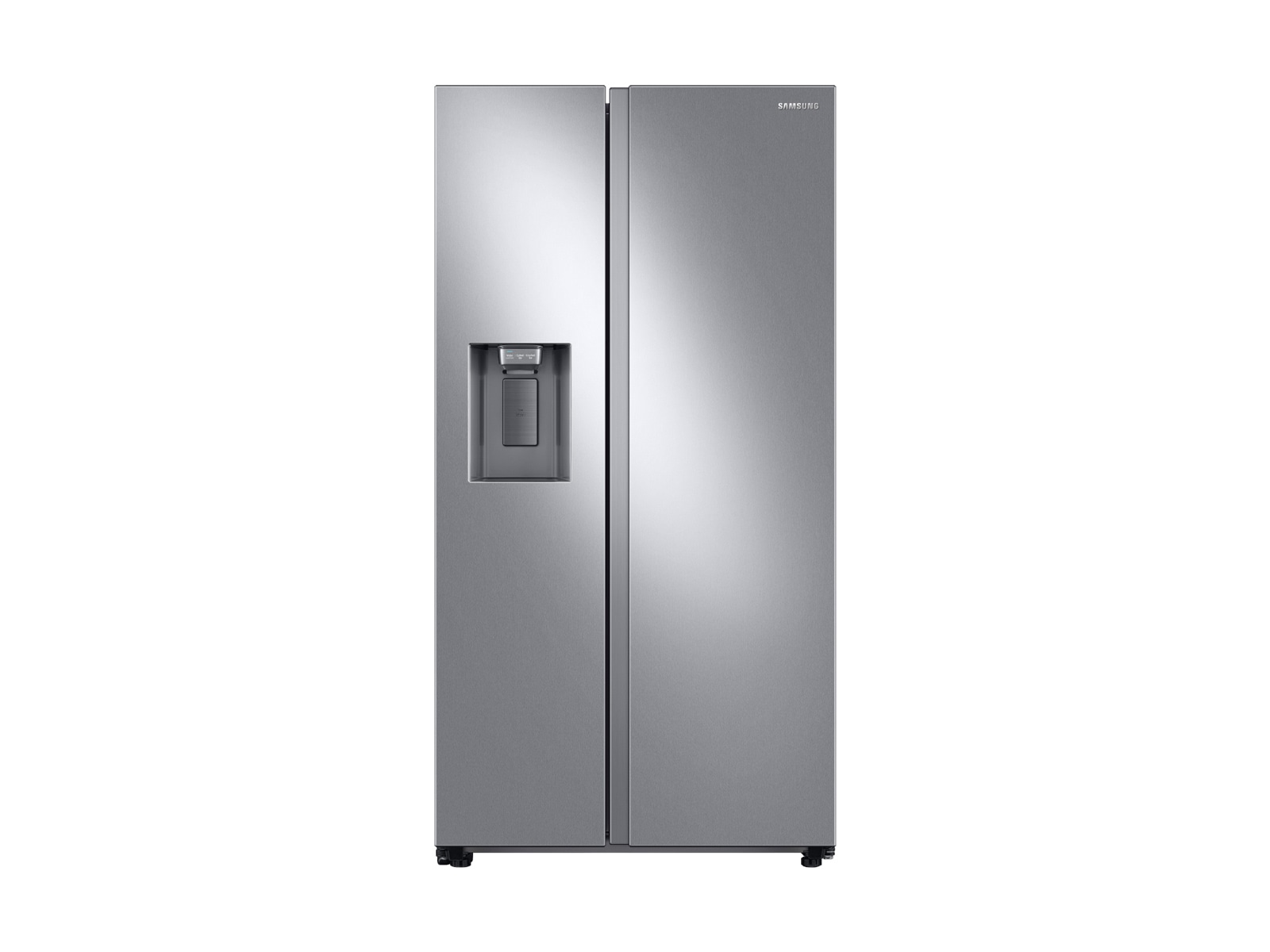
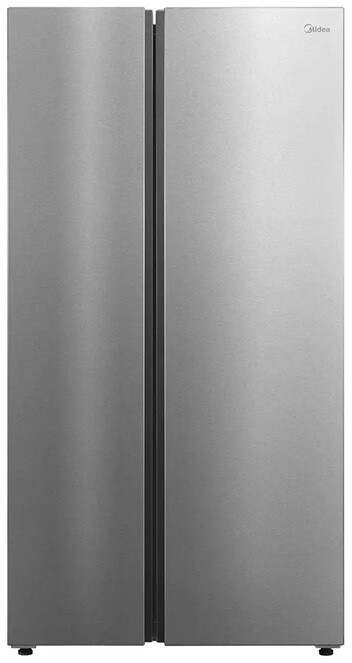
Side-by-Side Refrigerators
These bad boys split the fridge and freezer vertically, letting you raise your glass with built-in water and ice dispensers. Extra gadgets mean they pack a bit more weight.
Model Type
Average Weight (lbs)
Side-by-Side Refrigerator
250 - 350
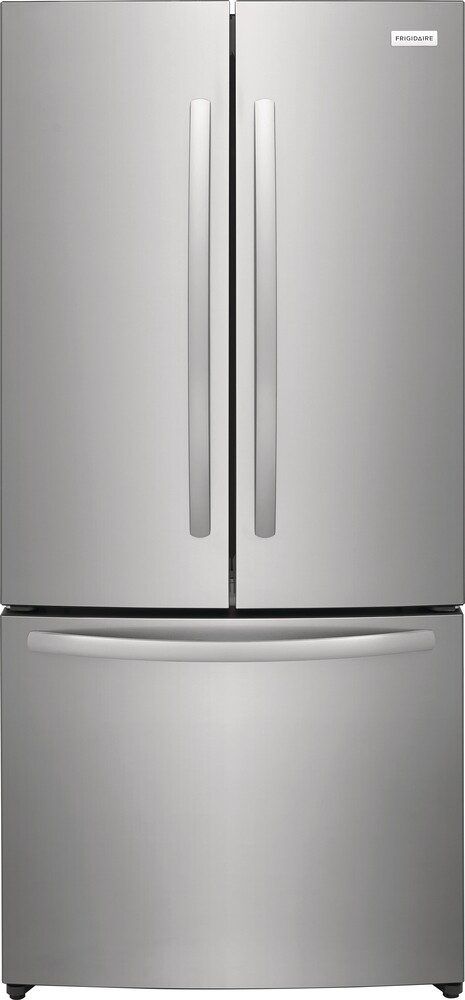
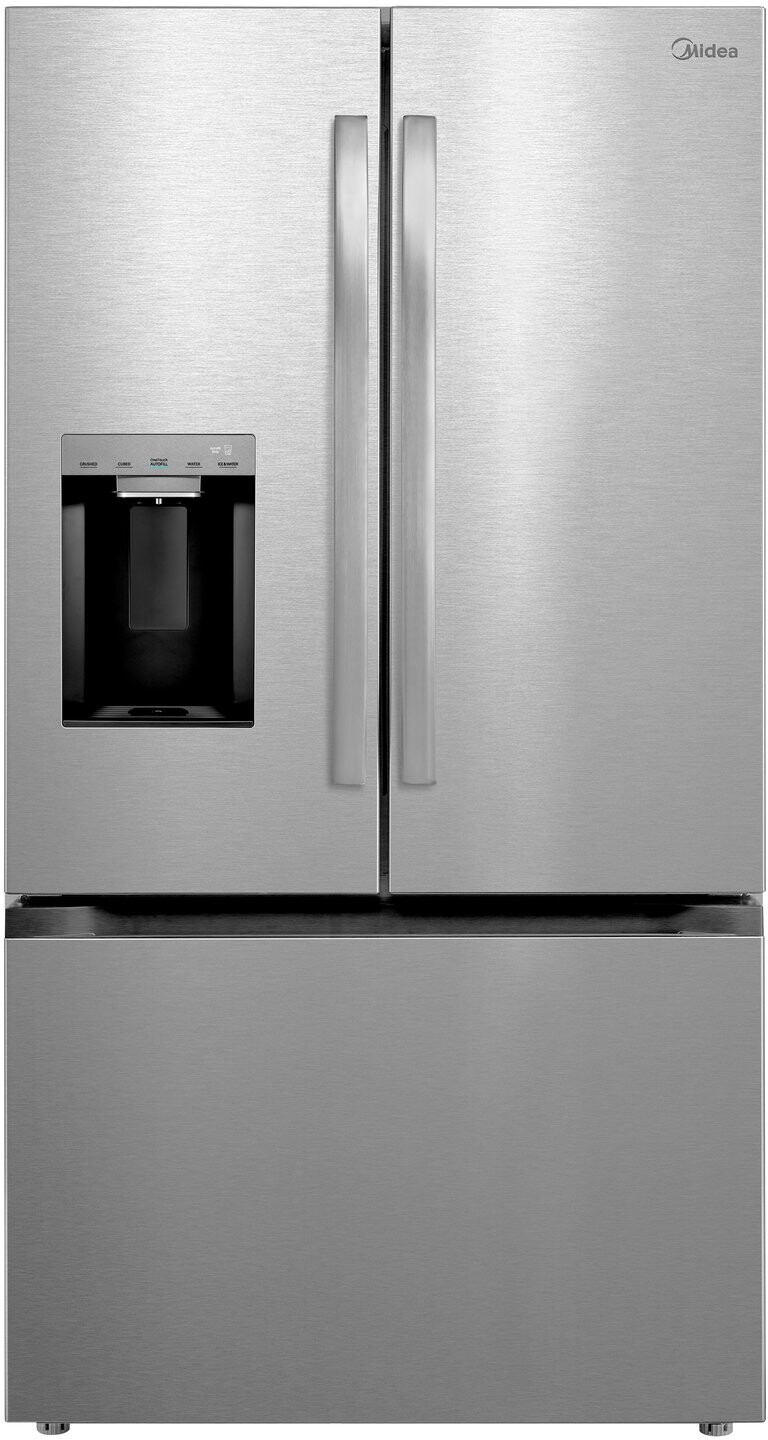
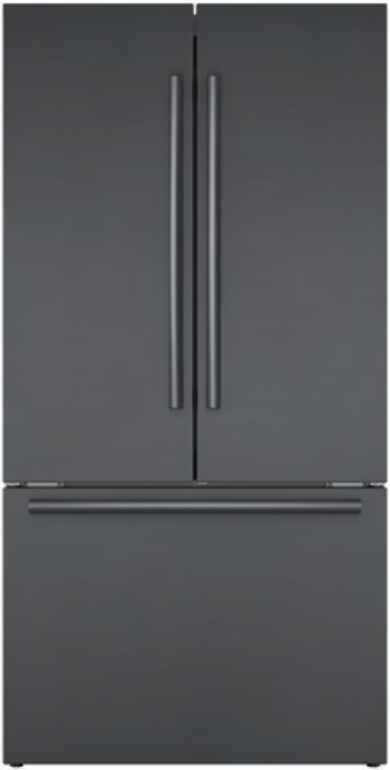
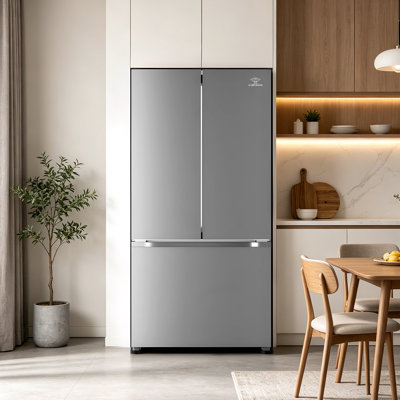
French Door Refrigerators
Sleek and spacious, French door fridges have two doors up top and a freezer down below. They bring style to any kitchen but whoa—they’re usually the heaviest players around.
Model Type
Average Weight (lbs)
French Door Refrigerator
250 - 400
Knowing how much these fridges weigh can really help when it’s time to lug one around. If lifting isn't your thing, check out how heavy is a fridge to move? to get some more tips on safely getting that heavy load where it needs to go.
Shifting a fridge sure feels like a barely passable challenge, yet with the right prep and tricks, it gets easier and safer. Here's some advice to keep you steady and safe.
Preparation Before Moving
Get started by emptying the whole fridge—remember, those tubs of butter can’t move themselves. Fewer pounds make it easier! Got an ice maker or water line? Unhook that to stop a water trail. Give the inside and outside a clean sweep, so you've got a grippy surface and no funky smells.
Quick list to get you ready:
Clear Out the Fridge: Say goodbye to snacks.
Unplug ice makers or water lines.
Defrost the freezer if you see too much frost.
Scrub Down the fridge inside and out.
Tools and Equipment Needed
Having the right gear spells disaster-prevention when it comes—here’s what you should gather:
Tool/Equipment
Purpose
Appliance Dolly
For safe fridge hauling
Straps or Rope
To lock that fridge to its dolly ride
Movers Blankets
Wrap it up to dodge dings
Screwdriver
For those bits and bobs
Tarp or Plastic Sheeting
Shield the fridge from marks
Getting these rounded up means less panic—and fewer store dashes.
Proper Lifting Techniques
Hauling a fridge is a no-backbreaker operation, but you gotta nail those lifting techniques. Here's how:
Get a Buddy: Don't lone wolf this. Two sets of hands—fewer chances of toast.
Bend the Knees: Instead of hunching, squat down. Saves your back big time.
Power with Legs: Push up with those Godzilla calves. No back pain here.
Hug the Fridge: Keep that hefty block as close as a hot cup of joe.
Tiny Steps: Move slow. No haste, no waste.
Don't be a hero—asking for help keeps you off crutches. Got bigger things to haul? Peek at how heavy is a fridge to move?.
Ever tried moving a fridge alone? It's like taking a bear for a swim—not the smartest idea. Grab a buddy or two and watch how much smoother it’s gonna be.
Benefits of Moving with a Partner or Team
When it comes to shifting a giant kitchen monster like a fridge, an extra set of hands (or two) can seriously make life easier. Here’s why it pays to team up:
Share the Load: Your fridge isn't exactly a featherweight. It can tip the scales anywhere between 150 to over 400 pounds. Having a crew lets you spread that weight around, so nobody’s back gets cranky.
Stay Safe: Carrying heavy gear ain’t just hard; it’s risky. A team effort means more hands for tricky spots like corners and narrow halls, making it less likely anyone ends up with a mashed toe or worse.
Save Time: Tackling the move with others means you’ll get the job done quicker. More hands, faster moves—keeping your life running smoothly without much disruption.
Communicating During the Move
Talking it out while moving your big chill box is where magic happens. Here’s how you can keep the convo on point:
Strategize Beforehand: Lay out your plan before you start the tango with the fridge. Map out your route so your path's clear as a bell.
Signal Science: Sort out signals for what’s happening, like lifting or turning. Makes the day go by without a hitch or a misstep.
Regular Check-Ins: Keep the lines open with your moving buddy to tweak the plan if needed—so everyone’s on track and in sync.
Distributing Weight and Responsibilities
Nailing the weight distribution is key for a safe move. Here’s how to divvy up the chores:
Role
Responsibility
Front Mover
Takes charge of steering, keeping things straight at doorways or tight places.
Rear Mover
Manages turns, keeps the appliance under control, especially going down.
Assistant
Clears the path, holds doors, and steps in where needed.
Divvy up responsibilities like this, and it’s all hands on deck for smooth sailing. If you're clueless about whether you’re handling a baby elephant or just a fridge, check out some guides. Don’t be shy about asking for a hand if it feels too much. Remember, teamwork doesn’t just make it easier, it makes the whole thing way more fun, too!
DIY Vs. Professional Moving Services
When you're thinking about shifting that bulky fridge, there are two ways to go: roll up your sleeves and do it yourself, or let the pros handle it. Both choices come with their own set of ups and downs.
Pros and Cons of DIY Moving
Taking on the fridge-moving challenge by yourself might sound enticing to some folks. Let’s break it down:
Pros
Cons
Easier on the wallet: No service charges
You might pull a muscle or two if you're not cautious
You're the boss of the operation
It’s gonna take some grunt work
Move when it suits you
Accidentally scratching up your fridge or your walls is a real possibility
Going the DIY route? Get your gear in order and maybe rope in a buddy or two. Swing by Fridge.com detailed guide on how heavy is a fridge to move? for more tips.
Hiring Professional Movers
Now, if you'd rather someone else do the heavy lifting, professional movers could be your ticket to a chill move. Here's the scoop:
Advantages
Disadvantages
Pros who know their stuff
Costs more than going solo
They bring the right tools for the job
You're on their schedule
No sweat for you, literally
Might be extra fees if anything gets a ding
These folks come armed to tackle your heavy fridge with less fuss. They’re seasoned vets at getting your prized appliance through snug doorways and down flight after flight of stairs without a hitch.
Cost Comparison and Considerations
Got your eye on the bottom line? Let’s see how a do-it-yourself move stacks up against calling in the cavalry:
Expense Type
DIY Cost
Professional Movers Cost
Gas for a rental truck
$50 - $100
N/A
Renting tools (like dollies and straps)
$20 - $50
N/A
Movers’ fees (all in)
N/A
$200 - $800 (varies with distance and job size)
Think about how these expenses fit with your budget and how much sweat you’re willing to pour into the job. If keeping your cool is a top priority, outsourcing to the pros might just be worth every penny. For more moving strategies and insights, don’t miss Fridge.com guide on moving a fridge safely.
Getting ready to shift your fridge is all about making things easy-peasy. Here's your to-do list:
Clear It Out: Eat up or toss out any grub, drinks, or perishables that are inside. Plan meals with stuff that will spoil before the big day.
Defrost the Freezer: If your fridge has a freezer section, defrost it one day before the move to avoid any watery mess during transport.
Spruce Up the Interior: Give the inside a good wipe with a mild cleaner to nix any funky smells or old food spills.
Unplug and Relax: Disconnect it from the power and let it chill for a few hours. This gives the compressor a chance to settle, avoiding any hiccups.
Unload Shelves and Drawers: Remove any shelves or drawers—better safe than sorry when it comes to tricky moves.
How Many People Are Needed to Move a Fridge?
You need at least two buddies for the job, otherwise things might get tricky! Fridges vary in weight, from a breezy 100 pounds to a hefty 300 plus. Check out these rough estimates:
Refrigerator Type
Average Weight (lbs)
Recommended Movers
Top-Freezer Refrigerator
150 - 200
2 - 3
Bottom-Freezer Refrigerator
180 - 250
2 - 3
Side-by-Side Refrigerator
200 - 300
3
French Door Refrigerator
250 - 350
3
Extra hands mean you can steer the fridge easier and safer, whether through your home or into the truck.
Are There Any Safety Precautions I Should Take?
Play it safe when hauling a fridge with these tips:
Lift Smart: Bend at your knees, not your back. Keep your back straight and the lift smooth.
Suit Up: Put on gloves for better grip and consider steel-toed boots to protect your tootsies.
Wrap it Up: Use blankets or padded straps on corners to keep the fridge and your walls ding-free.
Lock it in Place: Make sure the fridge stays put in the moving vehicle so it doesn’t topple over.
Stay in Sync: Keep the lines open with your moving partner; teamwork stops blunders in their tracks.
Following these steps helps keep things chill and injury-free. If you want more tips, check out Fridge.com pieces on how heavy is a fridge to move? and tips for safely moving appliances.
Frequently Asked Questions
Getting ready to shift your fridge is all about making things easy-peasy. Here's your to-do list:. Clear It Out: Eat up or toss out any grub, drinks, or perishables that are inside. Plan meals with stuff that will spoil before the big day. Defrost the Freezer: If your fridge has a freezer section, defrost it one day before the move to avoid any watery mess during transport. Spruce Up the Interior: Give the inside a good wipe with a mild cleaner to nix any funky smells or old food spills. Unplug and Relax: Disconnect it from the power and let it chill for a few hours. This gives the compressor a chance to settle, avoiding any hiccups. Unload Shelves and Drawers: Remove any shelves or drawers—better safe than sorry when it comes to tricky moves.