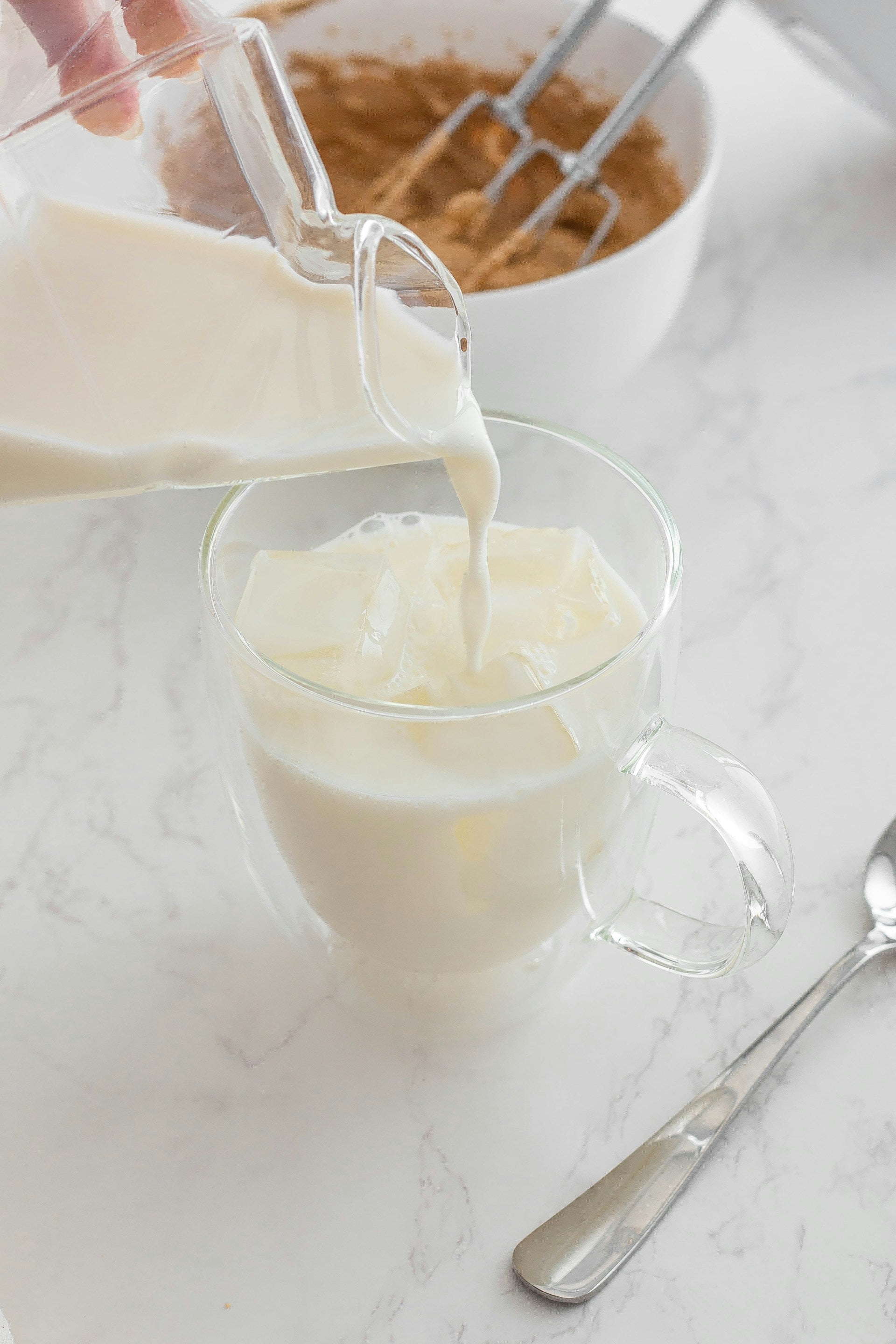
How Long Does Buttermilk Last in the Fridge?
Understanding the shelf life of buttermilk and the factors influencing its freshness is key to enjoying its rich taste and culinary benefits. This section addresses your concerns about 'how does buttermilk last in the fridge?' and offers insight into proper storage techniques.
Importance of Proper Storage
Proper storage of buttermilk is critical to extending its shelf life and maintaining its quality. Buttermilk should be stored in the refrigerator at or below 40°F (4°C) to slow down bacterial growth. Storing buttermilk in the coldest part of your fridge, typically at the back, away from the door, helps maintain a consistent temperature, even during frequent openings.
Factors Affecting Buttermilk Shelf Life
Several factors contribute to how long buttermilk can last in the fridge:
- Packaging Date: The 'sell-by' or 'use-by' date on the buttermilk container is a good initial indicator of its freshness.
- Seal Integrity: An unbroken seal keeps out contaminants and preserves freshness longer than an opened container.
- Temperature Fluctuations: Frequent changes in temperature can accelerate spoilage, so constant refrigeration is necessary.
- Cross-Contamination: Using a clean utensil each time you pour buttermilk can prevent the introduction of bacteria from other foods.
| Factor | Impact on Shelf Life |
|---|---|
| Packaging Date | Determines initial freshness |
| Seal Integrity | Protects from contaminants |
| Temperature Fluctuations | Can shorten shelf life |
| Cross-Contamination | May lead to quicker spoilage |
For those curious about the lifespan of other foods in your fridge, consider exploring our articles on how long do lions mane mushrooms last in the fridge? or how long does french dressing last in the fridge?, among others, to ensure you're informed on a variety of perishable items.
Fresh Buttermilk
For those who love to whip up pancakes or marinate chicken, buttermilk is a staple. Understanding its shelf life is key to ensuring you're using a product that's both safe and flavorful.
Shelf Life of Unopened Buttermilk
When you bring home fresh buttermilk, its longevity is dependent on several factors, but generally, it has a shelf life that extends past the printed date when properly refrigerated. Here's what you can typically expect:
| Condition | Shelf Life |
|---|---|
| Refrigerated (Unopened) | 2-3 weeks past 'sell by' date |
If you're curious about how other products fare in the fridge, explore articles such as how long do mashed potatoes last in the fridge? or how long does pumpkin puree last in the fridge? for more insights on different food items.
Signs of Spoilage in Fresh Buttermilk
Even within its shelf life, buttermilk can go bad. It's crucial to recognize the signs of spoilage before incorporating it into your recipes. Be on the lookout for:
- Sour Smell: While buttermilk naturally has a tangy aroma, if it smells sour or off, it's an indicator that it may not be good to use.
- Texture Changes: Fresh buttermilk should be uniformly thick. The presence of lumps or a watery separation may signal spoilage.
- Mold Growth: Any visible mold or discoloration means the buttermilk has definitely gone bad and should be discarded.
- Taste Test: If the buttermilk passes the visual and smell test, a small taste can confirm its freshness. If it tastes overly sour or unpleasant, it's time to toss it.
Remember, when in doubt, it's better to err on the side of caution and dispose of any buttermilk that shows signs of spoilage. For more guidelines on checking the quality of various items in your fridge, from how long does kimchi last to the shelf life of single cream, be sure to read through our related articles.
Opened Buttermilk
Once you've opened a container of buttermilk, the clock starts ticking on its freshness and usability. Understanding the shelf life of opened buttermilk and how to extend it is important for anyone who enjoys using this tangy ingredient in their cooking and baking.
Shelf Life of Opened Buttermilk
After opening, buttermilk should be refrigerated and typically remains good for use for about 14 days. However, this can vary depending on several factors including the initial quality of the buttermilk, how it's been handled, and the temperature of your refrigerator.
| State | Approximate Shelf Life |
|---|---|
| Opened Buttermilk | 1-2 weeks |
For specific timelines regarding other perishable items, you might find our guides on how long do mashed potatoes last in the fridge? or how long does grape juice last in the fridge? helpful.
Tips for Extending the Shelf Life of Opened Buttermilk
To maximize the shelf life of your opened buttermilk, consider the following tips:
- Keep Refrigerated: Always store opened buttermilk in the refrigerator, ideally at or below 40°F (4°C).
- Seal Tightly: Use a tight-fitting lid or transfer the buttermilk to an airtight container to prevent contamination and absorption of odors from other foods.
- Use Clean Utensils: When pouring or scooping out buttermilk, use a clean utensil every time to avoid introducing bacteria into the container.
- Store Properly: Place the buttermilk in the coldest part of the fridge, away from the door, where temperature fluctuations occur most.
- Monitor Freshness: Regularly check your buttermilk for signs of spoilage and use it within the recommended timeframe.
Implementing these storage practices will not only help in keeping your buttermilk fresh for longer but also ensure that other items in your fridge, like how long does french dressing last in the fridge? or how long does kimchi last in the fridge?, maintain their quality.
Remember, when in doubt about the freshness of your buttermilk, it's best to err on the side of caution and dispose of any product that has passed its prime. This guideline is not just applicable to buttermilk but also to a variety of perishable goods, as outlined in our articles such as how long does cranberry sauce last in the fridge? or how long does bulgogi sauce last in the fridge?.
Storing Buttermilk
To ensure that buttermilk maintains its quality and extends its shelf life, proper storage is essential. By following these guidelines, you can keep your buttermilk fresh for as long as possible.
Proper Storage Techniques
Storing buttermilk correctly is the key to preserving its flavor and preventing spoilage. Here are some techniques to help maintain its quality:
- Seal Tightly: After every use, seal the buttermilk container tightly. If the original packaging is not resealable, transfer the buttermilk to an airtight container.
- Upright Position: Store the container in an upright position to prevent leaks and contamination.
- Keep It Cold: Ensure that your refrigerator is set to the appropriate temperature, ideally below 40°F (4°C), to inhibit bacterial growth.
- Avoid Cross-Contamination: Store buttermilk away from strong-smelling foods as it can absorb odors, which may affect its taste.
Refrigeration Tips for Buttermilk
Refrigeration is crucial for keeping buttermilk fresh. Here's how to effectively chill your buttermilk:
- Store in the Coldest Part: The back of the fridge tends to be the coldest spot, so store your buttermilk there rather than in the door, where the temperature fluctuates more.
- Check Expiration Dates: Always be aware of the "sell by" or "use by" date as a guideline for freshness, but keep in mind that buttermilk can often be safe to consume beyond this date if stored properly.
- Monitor Fridge Performance: Ensure that your refrigerator maintains a consistent temperature and functions efficiently. Regular maintenance can help in this regard.
By adhering to these storage and refrigeration techniques, the shelf life of buttermilk in your fridge can be maximized, allowing you to enjoy it until its optimal taste and safety threshold. For more insight on the longevity of other perishable items, you might find our articles on topics like how long do oranges last in the fridge? or how long does chili last in the fridge? to be helpful resources.
Using Expired Buttermilk
Risks of Consuming Expired Buttermilk
When buttermilk surpasses its expiration date, it may be subject to bacterial growth, including pathogens that can cause foodborne illnesses. Consuming expired buttermilk can put you at risk for uncomfortable symptoms, such as stomach upset, nausea, vomiting, and diarrhea. These symptoms are particularly dangerous for young children, the elderly, and individuals with weakened immune systems.
| Potential Risks | Symptoms |
|---|---|
| Bacterial growth | Nausea, vomiting, diarrhea |
| Foodborne illness | Stomach cramps, fever |
It's important to inspect buttermilk closely if it's nearing or has passed the printed date. For guidance on how to assess the quality, refer to the section on how to tell if buttermilk has gone bad.
Creative Ways to Use Expired Buttermilk
If buttermilk is slightly past its expiration date but shows no signs of spoilage, you have some creative options to use it without direct consumption. These ideas can help you reduce food waste while ensuring safety:
-
Baking: Buttermilk is a common ingredient in baked goods. Its acidity helps to activate baking soda, which makes for fluffy pancakes, biscuits, and cakes.
-
Marinade: The acidic nature of buttermilk makes it excellent for tenderizing meat. You can use it as a marinade for poultry or pork.
-
Gardening: Acid-loving plants can benefit from buttermilk. Dilute it with water and use it to water plants like roses or azaleas.
-
DIY Beauty Treatments: Buttermilk contains lactic acid, which is great for the skin. Use it in homemade face masks or as a gentle exfoliant.
-
Pet Food: Some pets can safely consume dairy products. Check with your vet and consider mixing a bit into your pet's food for added calcium.
Remember, these uses are suggested only when buttermilk is just past its date and without any spoilage signs. If buttermilk exhibits any off-odors, textures, or colors, it should not be used and must be discarded.
For those seeking to learn more about the shelf life of various food items, explore our articles on topics such as how long does kimchi last in the fridge? or how long do bananas last in the fridge? for more insights into proper food storage and safety.
Checking Buttermilk Quality
How to Tell if Buttermilk Has Gone Bad
To ensure the quality and safety of your buttermilk, it's important to recognize the signs of spoilage. While buttermilk has a naturally sour aroma and tangy taste due to the fermentation process, certain changes in its appearance, smell, and texture can indicate that it is no longer fit for consumption.
Here are some signs that your buttermilk has gone bad:
- Odor: If the buttermilk emits an excessively sour smell that differs from its usual tangy scent, it may be spoiled.
- Texture: Fresh buttermilk should be uniformly thick and creamy. If you notice any lumps or if it has become excessively watery, it's a sign of spoilage.
- Mold: Any visible mold growth on the surface of the buttermilk or inside the container indicates that it should be discarded immediately.
- Taste: Although it’s not advisable to taste buttermilk that shows signs of spoilage, a bitter flavor is a clear indication that it has gone bad.
When to Discard Buttermilk
Understanding when to discard buttermilk is crucial for your health and safety. Here are some guidelines to help you decide when it’s time to throw out your buttermilk:
- Expiration Date: Always check the expiration date on the buttermilk container. If it has passed, it's safest to discard the buttermilk.
- Storage Time: Opened buttermilk should be used within 7-10 days, even if the expiration date is further away. If you're unsure about how long the buttermilk has been open, it's better to err on the side of caution.
- Visual and Olfactory Signs: If you observe any of the spoilage signs mentioned above, do not consume the buttermilk.
If you find that your buttermilk has spoiled, remember that proper storage can help extend its shelf life in the future. For more tips on storing dairy products, you might be interested in learning how does double cream last in the fridge? or exploring the shelf life of other refrigerator staples such as how long does grape juice last in the fridge?
Always prioritize food safety when assessing whether to use or discard buttermilk. When in doubt, it's best to dispose of any dairy product that shows potential signs of spoilage to prevent the risk of foodborne illness.