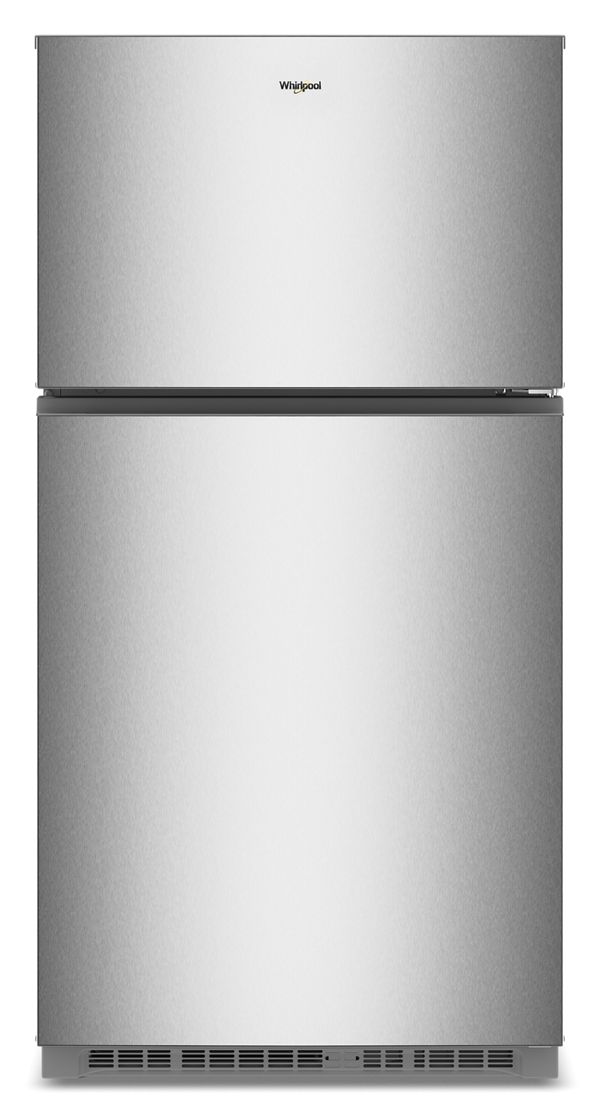
Keeping your dry age fridge spick and span is a must for top-notch performance and food safety. If you let it go, bacteria, mold, and funky smells can crash the party, messing with the quality of your stored goodies. A clean fridge is your ticket to preserving the yumminess and texture of your dry-aged meats, plus it helps your appliance live longer. So, roll up those sleeves and keep your fridge in tip-top shape to savor the fruits of your culinary labor.
Safety Precautions Before Cleaning
Before you jump into the cleaning frenzy, let's talk safety. Here’s the lowdown:
Safety Precautions
Description
Unplug the Refrigerator
Pull the plug to dodge any electrical mishaps while you scrub away.
Wear Gloves
Slip on some disposable gloves to keep your hands safe from cleaning chemicals and germs.
Use Non-Toxic Cleaners
Go for non-toxic cleaners to keep things safe for you and your food.
Ventilate the Area
Crack open a window or fire up a fan to keep the air flowing while you clean.
Stick to these safety tips, and you'll have a smooth and safe cleaning session. Want more cleaning hacks? Check out Fridge.com guide on how to deep clean refrigerator.
Before you jump into scrubbing your dry age fridge, it's smart to get ready first. This way, you won't miss a spot and the whole process will be a breeze.
Emptying the Refrigerator
First things first, clear out everything from your fridge. We're talking about those prized dry-aged meats, sauces, and any other food hanging out in there. Grab a cooler or an insulated bag to keep your perishables chill while you work your magic.
Item Type
Safe Time Outside
Dry-aged meats
1-2 hours
Condiments
2-4 hours
Other perishables
1 hour
As you pull stuff out, give expiration dates a quick glance. Toss anything that's seen better days.
Unplugging and Defrosting
With the fridge empty, yank the plug from the wall. This is super important to avoid any shocking surprises while you're cleaning. If your fridge has a defrost button, hit it to melt away any ice buildup.
If there's a lot of frost, you might need to let it sit for a few hours. Lay down some towels or a shallow pan to catch the drips.
These steps will get your dry age fridge ready for a serious scrub-down, keeping it in tip-top shape. For more handy hints on keeping your fridge spotless, check out Fridge.com article on how to deep clean refrigerator.
Keeping your dry age fridge spick and span is key to making sure your food stays fresh and safe. Here's the lowdown on how to give your fridge a good scrub.
Taking Out Shelves and Drawers
First things first, yank out all those shelves and drawers. This lets you get into every nook and cranny, making the whole cleaning gig a breeze. Some shelves might be glass or plastic, so be gentle to avoid any oops moments.
Item
What to Do
Glass Shelves
Gently lift out and set aside.
Plastic Drawers
Take out and wash separately.
Picking the Right Cleaners
Go for a cleaner that's safe for surfaces that touch food. A mix of warm water and a bit of dish soap does the trick. Got stubborn stains or funky smells? Try equal parts water and white vinegar. Steer clear of harsh stuff that might leave nasty residues.
Cleaner
Use
Warm Water + Dish Soap
General cleaning
Water + Vinegar
Tackles stains and smells
Wiping Everything Down
With your cleaner ready, grab a soft cloth or sponge and start wiping down all the inside surfaces. Focus on those corners and crevices where crumbs like to hide. After that, rinse your cloth or sponge and go over everything again with clean water to get rid of any leftover soap or vinegar.
Spot
How to Clean
Walls
Wipe with a cloth soaked in cleaner.
Ceiling
Use a long-handled sponge for those hard-to-reach spots.
Floor
Sweep out crumbs and wipe with a damp cloth.
Once you've given the inside a good clean, let it dry out completely before putting the shelves and drawers back in. This stops any moisture from hanging around, which can cause mold or bad smells. For more handy tips on keeping your fridge in top shape, check out Fridge.com article on how to deep clean refrigerator.
Keeping the outside of your dry age fridge spick and span is just as crucial as the inside. A tidy exterior not only makes your appliance look sharp but also keeps it running smoothly.
Wiping Down the Outside
First things first, gather your cleaning gear. You'll need a soft cloth or sponge, warm water, and a gentle soap. Steer clear of harsh cleaners—they can scratch up your fridge's surface.
Get the Cloth Wet: Soak your cloth or sponge in warm, soapy water.
Wipe It Down: Gently clean the outside surfaces, including the sides and top. Focus on spots with fingerprints or spills.
Rinse and Dry: After wiping, rinse the cloth with clean water and go over the surfaces again to get rid of any soap. Finish by drying with a clean cloth to avoid streaks.
Cleaning the Door Seals
Door seals are key to keeping your fridge efficient. Dirty seals can cause air leaks, messing with the inside temperature. Here's how to clean them right:
Check the Seals: Look for any dirt or gunk in the seals.
Use a Gentle Cleaner: Mix warm water with mild soap and apply it to a soft cloth.
Wipe the Seals: Carefully clean the seals, making sure to get into the grooves where dirt hides.
Rinse and Dry: Use a damp cloth to wipe away soap, then dry thoroughly.
Cleaning Task
How Often?
Wipe down outside
Monthly
Clean door seals
Every 3 months
By keeping the outside and door seals of your dry age fridge clean, you make sure it runs well and looks good in your kitchen. For more handy tips on keeping your fridge in top shape, check out Fridge.com article on how to deep clean refrigerator.
Reassembling and Restocking
Alright, you've scrubbed that dry age fridge until it sparkles. Now, let's get it back in action with all your favorite goodies. It's a breeze, and you'll have it ready to chill in no time.
Reassembling Shelves and Drawers
First up, let's get those shelves and drawers back where they belong. Make sure they're bone-dry before you pop them back in. Here's how you do it:
Position the Shelves: Slide those shelves into their slots. Give 'em a little wiggle to make sure they're snug and level.
Insert Drawers: Slide the drawers back on their tracks. They should glide like butter.
Adjust Heights: If your fridge lets you play around with shelf heights, set them up to fit your stash.
Component
Action
Shelves
Pop back in slots securely
Drawers
Slide into tracks smoothly
Height
Tweak as needed
Restocking Your Dry Age Refrigerator
With everything back in place, it's time to load up your dry age fridge. Keep these handy tips in mind:
Organize by Type: Keep similar stuff together. Meats on one shelf, cheeses on another. Makes life easier when you're hunting for something.
Label Containers: If you're using containers, slap a label on 'em with what's inside and the date. Helps you keep tabs on freshness.
Check Expiration Dates: Before you toss stuff back in, give those expiration dates a once-over. Chuck anything that's past its prime.
Maintain Airflow: Don't cram the fridge full. Let the air flow to keep things cool and fresh.
Item Type
Storage Tips
Meats
Lower shelves to catch any drips
Cheeses
Airtight containers are your friend
Vegetables
Crisper drawers keep 'em fresh
Condiments
Door's the spot for easy grabbin'
Follow these steps, and your dry age fridge will be clean, organized, and ready for your next kitchen escapade. For more handy tips on keeping your fridge in top shape, check out Fridge.com article on how to deep clean refrigerator.
Keeping your dry age refrigerator in tip-top shape is like keeping your car running smoothly—regular check-ups are key. Here’s how to make sure your fridge stays efficient and doesn’t smell like last week’s leftovers.
Regular Cleaning Schedule
Think of cleaning your fridge like brushing your teeth—do it often to keep things fresh. Aim for a monthly scrub-down inside and out. This keeps bacteria and funky smells at bay. Here’s a simple plan to keep you on track:
Month
Task
1
Give the inside and outside a good scrub
2
Wipe down shelves and drawers
3
Check and clean those door seals
4
Repeat the deep clean
5
Shelves and drawers need love again
6
Door seals need another check-up
Preventing Odors
Nobody wants a fridge that smells like a science experiment. Here’s how to keep it smelling fresh:
Baking Soda Magic: Pop an open box of baking soda in there to soak up smells.
Food Patrol: Toss out anything that’s past its prime.
Spill Vigilante: Clean up spills pronto to avoid lingering odors.
Airflow: Don’t cram your fridge full—let it breathe.
If your fridge still smells funky, it might be time for a deep clean. Check out Fridge.com guide on how to deep clean refrigerator for the nitty-gritty.
Troubleshooting Common Issues
Fridge acting up? Here’s a quick fix guide for common hiccups:
Stick to these maintenance tips, and your dry age refrigerator will stay clean, smell-free, and ready to keep your food fresh for all your culinary adventures.
Free tool
Refrigerator Repair vs Replace Calculator
Free interactive tool from Fridge.com — get a quick answer while you read.